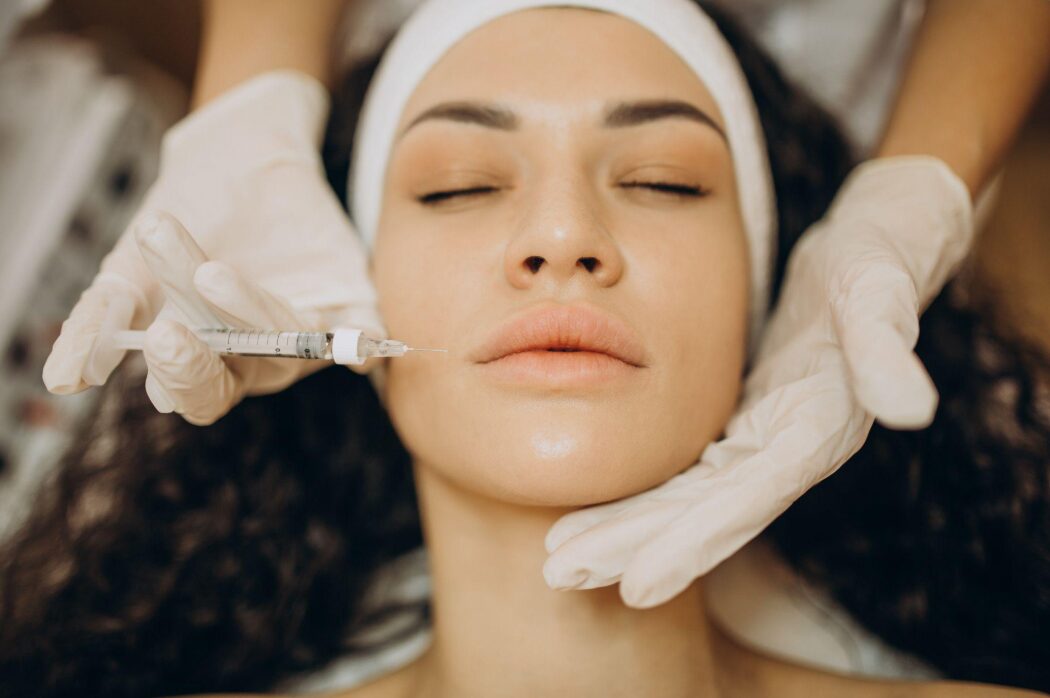
For licensed healthcare professionals, medaesthetics training is structured clinical education that teaches how to perform non-surgical aesthetic treatments safely, including Botox and dermal fillers. For nurses, nurse practitioners, physician assistants, physicians, and dentists, it is one of the most practical ways to move into a fast-growing field without starting a new degree.
Many clinicians come to aesthetics looking for more predictable hours or a skill set they can grow into a private practice. Whatever the reason, the decision deserves the same care as any career investment. This article covers why the demand exists, what good injector training should teach, and how to judge a program before you enroll.
Why Demand for Injector Training Keeps Rising
Drive through almost any suburban shopping center today and you will likely pass a med spa. That visibility reflects a real change in how patients think about aging. Many now book a neuromodulator appointment the way they book a dental cleaning: routinely, a few times a year.
Clinicians see this shift in their own waiting rooms. Neuromodulators and dermal fillers remain the most requested non-surgical treatments, and new clinics keep opening to meet the demand.
For a clinician weighing a career move, those figures mean something more specific than “there are plenty of jobs.”
Key insights:
- The patient base is widening, not just growing. More older adults are seeking aesthetic care than ever before. These patients often bring more medications, thinner skin, and complex histories, which favors injectors with a solid clinical background.
- Clinics are opening faster than experienced injectors are being trained. New practices need staff who can work with less supervision and handle the unexpected.
- Repeat care is built into the work. Neuromodulator results usually last three to four months, so satisfied patients return. Trust, not volume, is what builds a steady caseload.
The opportunity is real, but it favors the clinician who arrives prepared rather than the one who simply arrives first.
Why Medaesthetics Training Is a Career Investment
A nursing or medical license gives you the legal foundation to inject in many settings. It does not teach you how to assess facial aging, choose a product, or place it well. Specialized education fills that gap.
Think of it as building on skills you already have rather than starting over.
How Existing Clinical Skills Transfer
- Registered nurses bring patient assessment, sterile technique, and calm bedside communication. An ICU or emergency nurse is already used to precise needle work under pressure.
- Nurse practitioners and physician assistants add prescribing authority and, depending on state rules, greater independence to assess patients and plan treatment.
- Physicians can direct aesthetic practices, supervise injectors, and manage complex complications.
- Dentists already work daily with facial and perioral anatomy, which gives them a head start on lip and lower-face treatments where state law allows.
What these professionals still need is aesthetic judgment. That means understanding facial proportions, how the face changes with age, and when a treatment will not give the result a patient expects.
What Quality Injector Training Should Teach
Good injector training goes well beyond where to put the needle. It builds the clinical reasoning behind every treatment decision.
Facial Anatomy and Patient Assessment
Facial anatomy is the foundation. Injectors need to know the muscles they are relaxing, the fat pads they are restoring, and the vessels they must avoid. A strong course also teaches how to assess skin quality, symmetry, and medical history before any product is drawn up.
Consultation and Treatment Planning
The consultation is where safety and patient satisfaction begin. Training should cover how to listen to goals, set realistic expectations, document informed consent, and recognize when a patient is not a good candidate. Screening for concerns such as body dysmorphic disorder is part of responsible practice.
Injection Techniques
Programs should explain needle versus cannula use, injection depth, dosing for neuromodulators, and how different fillers behave in tissue. These skills only become reliable through supervised practice on live patients.
Complication Recognition and Management
Complications are uncommon but real. Bruising and swelling are expected. Vascular occlusion, where filler blocks a blood vessel, is rare but can cause tissue damage or vision loss. Every injector should know the warning signs, carry an emergency protocol, and understand how hyaluronidase is used to dissolve hyaluronic acid filler.
How to Choose an Injector Training Program
Not all courses are equal. A one-day class with a short demonstration may produce a certificate, but it rarely produces confidence.
When comparing options, look for these qualities:
- Hands-on practice with live models, not only lectures or injection pads.
- Small instructor-to-student ratios, so each learner gets direct feedback.
- Experienced faculty, ideally practicing clinicians who manage their own complications.
- Anatomy and safety content that is taught in depth, not treated as a brief introduction.
- Continuing education credits that count toward your license renewal.
- Ongoing support after the course, such as mentorship or access to instructors for questions.
It also helps to choose a provider that knows the rules where you plan to practice. A Texas-focused medical aesthetics training academy such as Injector Training Academy, for example, covers that state’s delegation and scope-of-practice rules. When comparing options for medaesthetics training, ask how each program handles state-specific requirements.
Limitations to Understand Before You Invest
An honest view of the field helps you plan better. Training opens doors, but it does not guarantee a job or a full schedule.
Limitations:
- A certificate is not a license. Your authority to inject comes from your professional license and state law, not from a course completion certificate.
- Scope of practice varies by state. Some states require physician supervision or delegation for registered nurses, and rules for dentists and nurse practitioners differ as well.
- Competition is real. With more med spas opening, employers often prefer injectors with documented hands-on hours.
- Proficiency takes time. Most new injectors need months of supervised practice before they feel fully confident.
- Liability matters. Malpractice coverage for aesthetic procedures should be in place before you treat patients.
Practical Steps and the Role of Continuing Education
A clear plan makes the investment easier to manage. Here is a realistic path for most clinicians.
Practical steps:
- Confirm your scope of practice with your state licensing board before enrolling.
- Start with a foundational course in neuromodulators and dermal fillers that includes live-model practice.
- Build experience under supervision, whether in a med spa, dermatology office, or plastic surgery practice.
- Keep a log of treatments, outcomes, and any complications you managed.
- Add advanced training once the basics feel routine, such as complex filler areas or complementary treatments like microneedling.
Continuing education is where long-term careers are built. Products, techniques, and safety guidance change often. Clinicians who keep learning tend to treat more confidently, earn more patient trust, and have more options if they later want to lead a team or open their own practice.
Conclusion
Medical aesthetics rewards clinicians who treat it as a medical discipline first and a business second. The demand is there, and the path in is shorter than many expect. What separates a lasting career from a brief detour is the quality of the education behind it.
Perhaps the most useful question to ask is not how fast you can start injecting, but what kind of injector you want patients to trust in five years. The answer to that question should shape every training decision you make.