Replacing an HVAC system is a cost most homeowners don’t plan for until a scorching summer day hits and their unit stops working. Many only discover their equipment is outdated after a breakdown, according to contractors who regularly handle HVAC, plumbing, and electrical repairs. A similar pattern is noted by Local HVAC technicians in San Jose: systems that are well past their prime are kept together with fixes that exceed the unit’s remaining value.
What Is the Average Lifespan of an HVAC System?
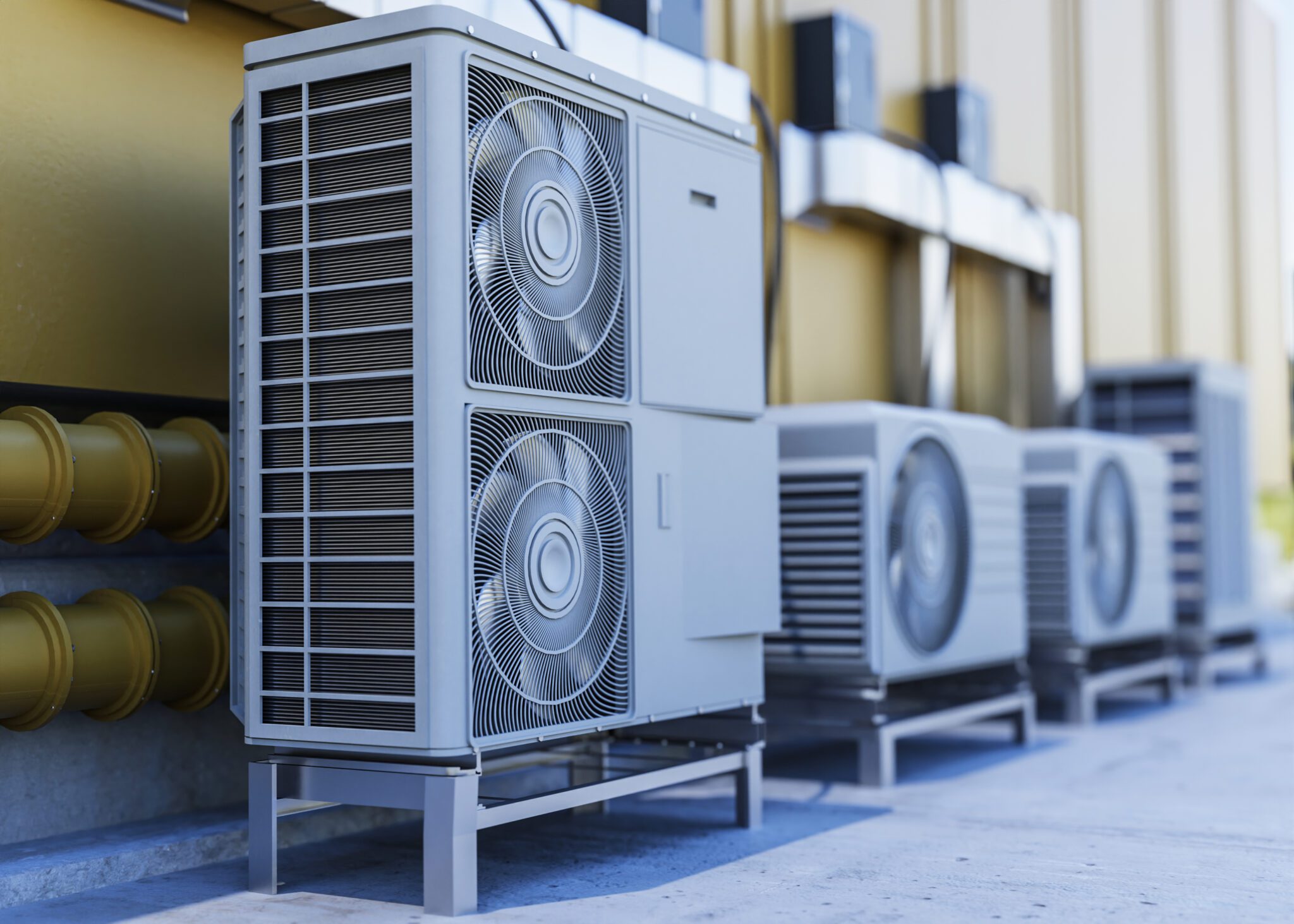
Most systems fall somewhere between 15 and 25 years. Central air conditioners typically run 15–20 years. Furnaces, especially gas models, tend to push closer to 20–30. Heat pumps last around 15–20 years, though they work year-round, which means more wear. Boilers are the long-haul option; a well-maintained unit can hit 30 years without much drama.
The HVAC system lifespan figure you’ll see in most guides is 15–25 years. That’s accurate as a range, but it flattens a lot of variation.
HVAC Lifespan by System Type
- Central AC: 15–20 years
- Gas furnace: 20–30 years
- Heat pump: 15–20 years
- Boiler: 20–35 years
- Ductless mini-split: 20 years, sometimes more
- Window/portable AC units: 10–15 years
Which HVAC Brands Tend to Last the Longest?
Brand reputation matters, but it’s not everything. Trane and Lennox have long been associated with durability, particularly in higher-end residential installs. Carrier and Bryant, the same parent company, have slightly different positioning and hold up well in moderate climates. Rheem and Ruud are solid mid-range choices that tend to exceed expectations given their price point.
American Standard quietly earns high marks in contractor surveys. York is hit-or-miss depending on the product line.
HVAC brands don’t always perform equally across every product type, though. A manufacturer known for excellent furnaces might produce an average heat pump. It’s worth researching by category, not just by name.
The Biggest Factors That Affect HVAC Lifespan
Installation quality is probably the most underrated factor. A premium unit installed poorly will underperform a budget unit installed correctly. Oversizing and cramming in a system larger than what the home needs cause short cycling, which accelerates wear significantly.
Climate plays a real role too. Coastal humidity corrodes components faster. Desert heat runs systems harder. Homes in mild climates often get more years out of the same equipment.
The frequency of maintenance, the quality of the filter, and the system’s daily performance all add up. In Phoenix, a system operating 12 hours a day ages more quickly than one operating 4 hours a day in Seattle.
How to Make Your HVAC System Last Longer
Depending on usage and the amount of dust in the home, change the filters every one to three months. Before peak seasons arrive, arrange yearly professional maintenance. Keep airflow clear and remove debris around the outdoor unit. If cooling drops, check refrigerant levels to spot possible issues early before they get worse.
Over time, little things build up. If the filter is ignored, the blower motor must work harder. That one component failing can accelerate stress on others.
Repair or Replace? How to Know When It’s Time
Typically, once a system reaches 10 to 12 years old and repair costs go beyond half the replacement price, investing in a new unit often makes more financial sense overall. It’s a helpful gut feeling, but it’s not a hard law.
Keep an eye out for rooms that won’t achieve predetermined temperatures, rising energy costs without a change in consumption, and many maintenance calls within a single season. Any one of those alone isn’t necessarily alarming. All three together usually mean the system is done.
Expected Lifespan of Major HVAC Components
Individual HVAC components age at different rates. Capacitors and contactors often fail first, typically within 10 years. Compressors usually last 12–15 years in a well-maintained system. Blower motors, heat exchangers, and evaporator coils can run 20+ years if they’re not neglected. Thermostats are the wild card; they can fail early or outlast everything else.
In Conclusion
The truth is that the lifespan of an HVAC system varies too much to be determined without specialized knowledge. Knowing how old your system is, keeping up with maintenance, and not waiting for a total breakdown before calling a specialist are the most important things. The best time to evaluate your system is before it fails — not during the first heat wave of summer.