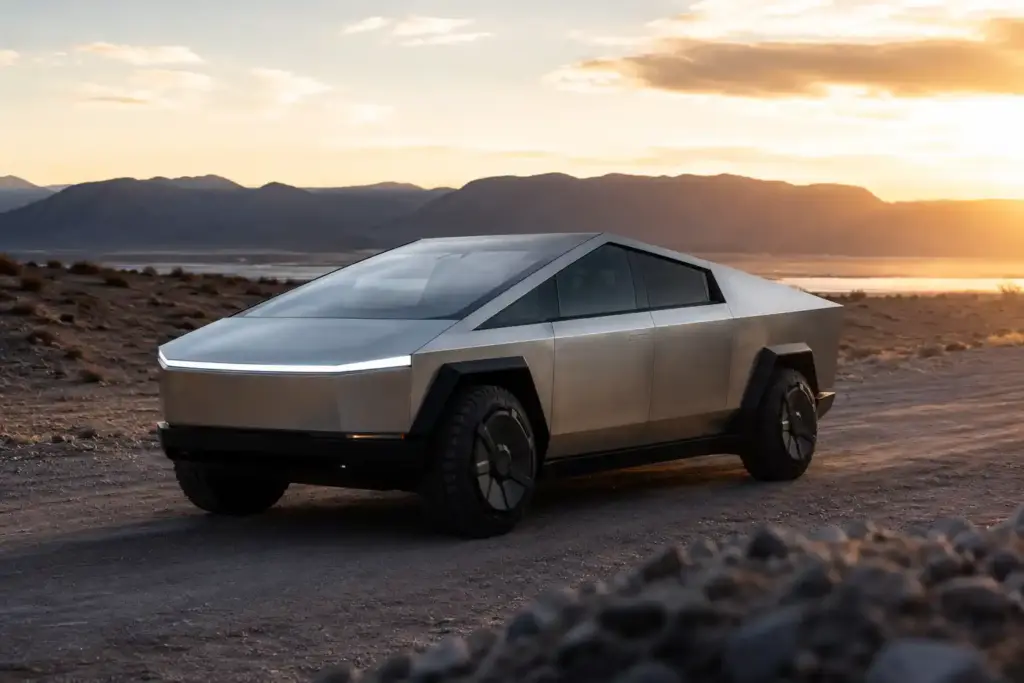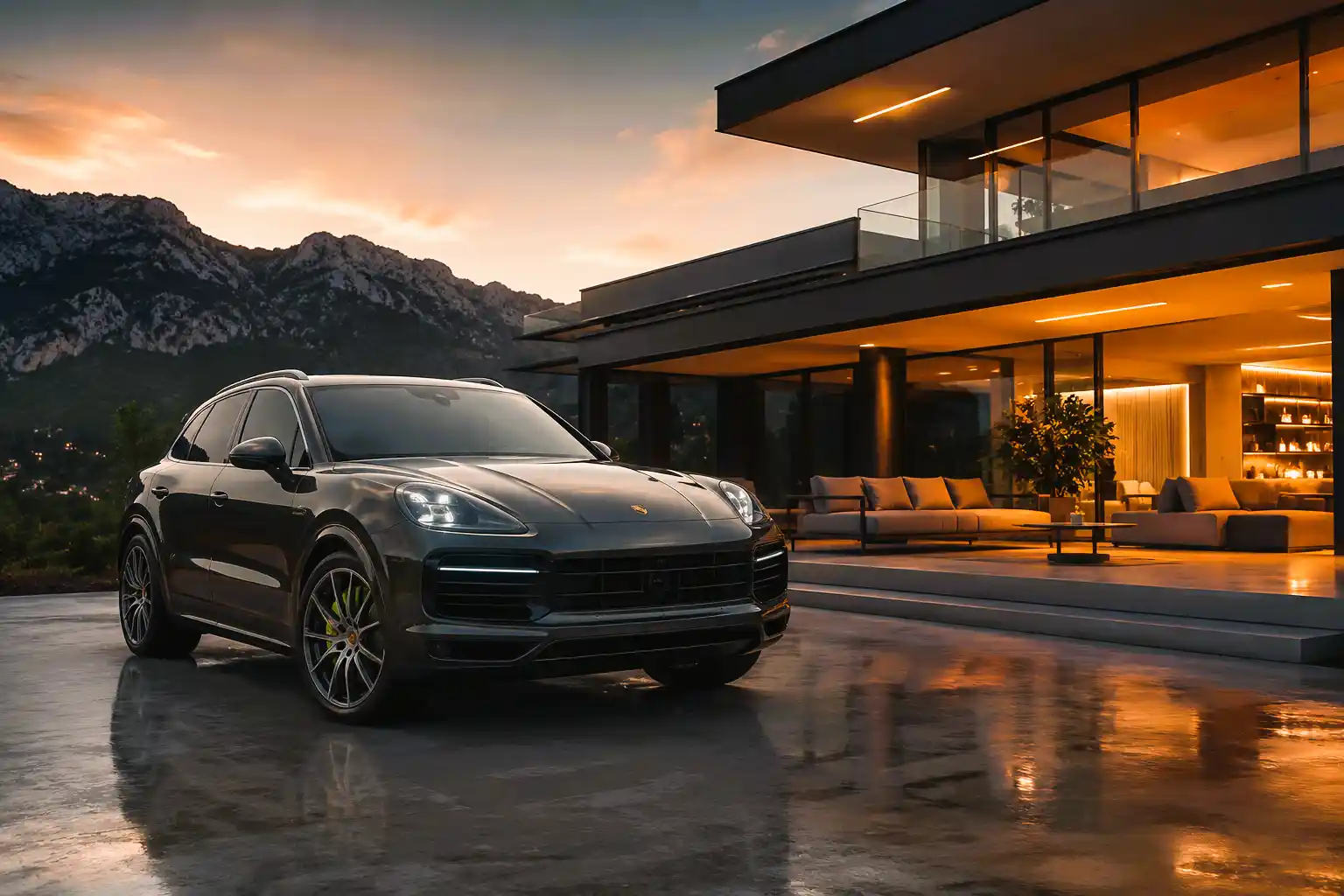
Hybrid luxury vehicles are rapidly becoming the preferred choice among affluent consumers who seek a balance between prestige, performance, and environmental responsibility. Within the first wave of luxury electrification, many high-net-worth buyers viewed alternative powertrains as experimental. Today, however, hybrid technology has matured into a sophisticated solution that aligns with modern luxury values.
Across the global luxury automotive market, consumer priorities are shifting. Traditional markers of status such as engine size and fuel consumption no longer carry the same influence they once did. Instead, wealthy buyers increasingly value innovation, sustainability, flexibility, and seamless ownership experiences. As a result, luxury hybrid SUVs, executive sedans, and performance-oriented electrified models are gaining traction among discerning customers.
Moreover, luxury manufacturers have significantly improved hybrid systems, creating vehicles that deliver exceptional comfort and driving dynamics while reducing emissions and improving efficiency. This evolution has transformed premium hybrid vehicles from niche alternatives into desirable flagship products.
From sustainable luxury driving to advanced software integration, affluent consumers are embracing a new definition of automotive excellence. Consequently, hybrid technology now sits at the center of luxury automotive innovation, helping shape the future of luxury transportation while preserving the exclusivity and refinement expected from premium brands.
Why High-Net-Worth Buyers Are Rethinking Luxury Car Ownership?
Luxury ownership has evolved beyond displaying wealth. Increasingly, affluent consumers view their purchasing decisions as reflections of personal values, social responsibility, and technological sophistication.
In previous decades, prestige often centered on large displacement engines, rare badges, and conspicuous consumption. However, modern luxury buyers are demonstrating a different mindset. They seek products that combine elegance with intelligence and performance with responsibility.
Moreover, many wealthy consumers operate globally and navigate diverse urban environments where emissions regulations and sustainability expectations continue to increase. Therefore, flexibility has become a valuable asset. Hybrid powertrains offer the ability to drive electrically in urban settings while retaining long-distance convenience.
Experiential ownership also plays a growing role. Buyers increasingly prioritize how a vehicle integrates into their lifestyle rather than focusing solely on traditional status indicators. Consequently, advanced connectivity, quiet operation, and efficient performance are becoming as important as handcrafted interiors and premium materials.
This shift reflects a broader transformation across luxury markets, where thoughtful consumption often carries greater prestige than excess.
The Rise of Hybrid Luxury Vehicles in Premium Markets
The growth of hybrid luxury vehicles reflects broader changes occurring throughout the automotive industry. Luxury manufacturers initially introduced hybrid models to meet regulatory requirements. Nevertheless, consumer demand has transformed them into strategic pillars of future product portfolios.
Technological improvements have dramatically enhanced hybrid performance. Modern systems provide seamless transitions between electric and combustion power, creating smoother driving experiences than many traditional powertrains.
Meanwhile, affluent buyers increasingly recognize the practical benefits of electrification. Plug-in systems allow daily commuting with minimal fuel consumption while preserving long-range capability for business travel and leisure journeys.
Several factors are driving adoption:
- Increased environmental awareness among wealthy consumers
- Growing interest in luxury automotive innovation
- Rising demand for quieter driving experiences
- Greater availability of premium hybrid vehicles
- Expanding charging infrastructure in key markets
Additionally, luxury brands are investing billions in electrification strategies, ensuring hybrid offerings remain technologically competitive and highly desirable.
As a result, hybrid technology has moved beyond compliance and become a defining feature of premium mobility.
Performance Meets Efficiency: The Hybrid Advantage
One reason affluent buyers embrace hybrid technology is that it improves performance rather than compromises it.
Electric motors deliver instant torque, enhancing acceleration and responsiveness. Consequently, many hybrid luxury models achieve impressive performance figures while simultaneously reducing fuel consumption.
Moreover, hybrid systems contribute to smoother power delivery. The combination of electric assistance and combustion power creates refined driving characteristics that align perfectly with luxury expectations.
Performance advantages include:
- Instant torque for stronger acceleration
- Reduced fuel consumption during daily driving
- Improved urban efficiency
- Quieter cabin environments
- Enhanced overall driving refinement
Unlike fully electric vehicles, hybrids also eliminate concerns surrounding charging availability during extended journeys. Therefore, they provide a practical solution for buyers who frequently travel between cities or regions.
The result is a driving experience that combines performance, efficiency, and convenience without sacrificing luxury.
Luxury Hybrid Brand Positioning
| Brand | Hybrid Strategy | Luxury Appeal | Buyer Profile |
|---|---|---|---|
| Bentley | Performance-focused electrification | Ultra-luxury craftsmanship and exclusivity | High-net-worth collectors and executives |
| Porsche | Sport-oriented hybrid systems | Dynamic driving with premium prestige | Enthusiast luxury buyers |
| Mercedes-Benz | Broad electrification portfolio | Comfort, technology, and innovation | Executive professionals |
| BMW | Performance efficiency integration | Modern luxury and driving engagement | Technology-focused affluent consumers |
The success of these strategies demonstrates that hybrid technology is no longer viewed as a compromise. Instead, it serves as an enhancement that strengthens both luxury positioning and market relevance.
How Leading Luxury Brands Are Embracing Hybrid Technology
Luxury manufacturers have adopted distinct approaches to electrification, reflecting their heritage and customer expectations.
Bentley
Bentley has positioned hybrid technology as an extension of ultra-luxury craftsmanship. Models such as the Bentley Bentayga Hybrid combine traditional luxury values with environmental responsibility. Moreover, the brand uses electrification to attract younger affluent buyers who value sustainability alongside exclusivity.
Porsche
Porsche views hybrid technology through a performance lens. Its plug-in hybrid models deliver remarkable acceleration while maintaining the brand’s renowned driving dynamics. Consequently, Porsche attracts buyers seeking excitement without abandoning efficiency.
Mercedes-Benz
Mercedes-Benz integrates hybrid systems across multiple vehicle segments. The company’s strategy emphasizes comfort, technology, and intelligent mobility. Additionally, advanced driver assistance systems and luxury-focused innovations strengthen customer appeal.
BMW
BMW approaches electrification by blending performance with efficiency. Its hybrid portfolio focuses on preserving driving engagement while improving sustainability credentials. Therefore, BMW appeals strongly to technology-conscious professionals and entrepreneurs.
Although each manufacturer follows a unique path, all recognize that electrification has become central to long-term luxury market competitiveness. Their investments indicate that hybrid technology will remain a critical component of premium vehicle portfolios for years to come.
Sustainability as the New Luxury Status Symbol
Sustainability increasingly functions as a modern status symbol among affluent consumers. Luxury ownership now extends beyond acquiring exceptional products; it also involves demonstrating awareness of environmental impact.
Moreover, younger wealthy buyers often prioritize responsible consumption. They seek brands that align with broader social and environmental values while maintaining premium quality.
Several trends illustrate this evolution:
- Carbon-conscious purchasing decisions
- Preference for environmentally responsible brands
- Increased demand for sustainable luxury driving
- Growing interest in electrified luxury cars
- Support for innovation-driven sustainability initiatives
Consequently, manufacturers increasingly highlight sustainability alongside craftsmanship and performance in their marketing narratives.
Luxury branding itself is evolving. Traditional prestige centered on exclusivity through rarity and expense. In contrast, modern prestige increasingly emphasizes intelligent choices, innovation, and responsible ownership.
This transformation positions hybrid vehicles as powerful symbols of contemporary success and forward-thinking leadership.
Evolution of Luxury Transportation
| Traditional Luxury Metric | Modern Luxury Metric |
| Large engine displacement | Intelligent electrification |
| Maximum fuel consumption tolerance | Energy efficiency |
| Mechanical prestige | Technology integration |
| Ownership display | Ownership experience |
| Exclusivity through excess | Sustainability and innovation |
| Status through consumption | Status through responsible choices |
The shift illustrated above highlights how luxury transportation continues to evolve alongside broader cultural and economic changes.
Hybrid Luxury SUVs and Executive Mobility
The popularity of luxury hybrid SUVs demonstrates how consumer preferences are reshaping the premium automotive landscape.
SUVs offer versatility, comfort, commanding driving positions, and exceptional practicality. Consequently, they appeal strongly to executives, entrepreneurs, and affluent families who require multiple vehicle functions within a single platform.
Moreover, hybrid powertrains enhance the SUV ownership experience by improving efficiency without compromising capability. This combination makes them particularly attractive in urban environments where emissions regulations continue to tighten.
Executive transportation also benefits significantly from hybrid technology. Electric operation provides quieter cabin environments, creating ideal conditions for work, communication, and relaxation during travel.
Additionally, plug-in hybrid luxury cars and SUVs offer flexibility that many fully electric alternatives cannot yet match in all regions. Drivers can enjoy electric commuting while retaining long-distance convenience.
As a result, hybrid SUVs have become one of the fastest-growing segments within premium mobility markets worldwide.
The Future of Luxury Transportation
The future of luxury transportation will likely involve multiple electrification pathways rather than a single solution.
While fully electric vehicles continue gaining market share, hybrid systems remain highly relevant. They provide practical benefits that appeal to buyers who value flexibility, especially in regions where charging infrastructure remains uneven.
Meanwhile, battery technology continues improving. Future hybrid systems will offer greater electric range, faster charging, and enhanced efficiency. Consequently, the distinction between hybrids and fully electric vehicles may become increasingly blurred.
Software integration will also play a central role. Luxury mobility experiences increasingly depend on intelligent connectivity, predictive maintenance, personalized digital environments, and advanced driver assistance technologies.
Furthermore, luxury ownership models are evolving toward ecosystem-based experiences. Vehicles will become part of broader mobility networks that integrate transportation, lifestyle services, and digital convenience.
Therefore, hybrid technology is likely to remain a significant component of premium mobility strategies throughout the transition toward full electrification.
Unique Insight: Why Hybrid Luxury Vehicles Are a Strategic Choice?
A common misconception suggests that hybrid technology merely represents a temporary step toward fully electric transportation. However, affluent consumers increasingly view hybrid luxury vehicles as strategic long-term choices rather than transitional compromises.
Modern luxury values prioritize flexibility, performance, convenience, and sustainability simultaneously. Hybrid systems uniquely satisfy all four requirements. Moreover, they allow owners to adapt to changing infrastructure conditions, regulatory environments, and travel needs.
For many wealthy buyers, optionality itself represents a luxury. The ability to operate electrically in cities while retaining unlimited touring capability creates practical advantages that fully electric vehicles cannot always replicate.
Furthermore, sustainability and prestige no longer exist in opposition. Responsible ownership increasingly enhances social status among influential consumer groups. Consequently, hybrid technology supports both environmental objectives and luxury aspirations.
This perspective explains why affluent consumers increasingly view hybrids as sophisticated lifestyle tools. Rather than serving as stepping stones toward full electrification, they represent a mature expression of modern luxury mobility.
Conclusion
The growing popularity of hybrid luxury vehicles among high-net-worth individuals reflects a broader transformation in luxury consumption. Today’s affluent buyers seek innovation, sustainability, performance, and flexibility without sacrificing comfort or exclusivity.
Moreover, luxury manufacturers have successfully integrated electrification into their core identities, creating compelling products that appeal to evolving consumer values. From luxury hybrid SUVs to plug-in executive sedans, hybrid technology now occupies a central position within premium mobility strategies.
As sustainability becomes a defining aspect of modern prestige and technology continues reshaping ownership experiences, hybrid vehicles are likely to remain highly relevant. Consequently, they represent not only the present state of luxury transportation but also an important part of its future evolution.
Frequently Asked Questions
What are hybrid luxury vehicles?
Hybrid luxury vehicles combine traditional combustion engines with electric motors to deliver premium comfort, efficiency, and performance in a single package.
Why are wealthy buyers choosing hybrid luxury vehicles?
Affluent consumers value flexibility, sustainability, advanced technology, and refined performance. Hybrid models provide all these benefits while maintaining luxury prestige.
Are hybrid luxury vehicles more efficient than traditional luxury cars?
Yes. Hybrid systems typically reduce fuel consumption and emissions while improving overall efficiency during daily driving conditions.
What are the benefits of plug-in hybrid luxury cars?
Plug-in hybrids offer electric-only driving for short trips while retaining long-distance convenience through their combustion engines.
Which luxury brands offer the best hybrid vehicles?
Bentley, Porsche, Mercedes-Benz, and BMW all offer highly regarded hybrid models tailored to different luxury and performance preferences.
How do hybrid luxury SUVs compare with fully electric SUVs?
Hybrid SUVs provide greater flexibility for long-distance travel while still offering many efficiency benefits associated with electrification.
Are hybrid luxury vehicles good for long-distance travel?
Yes. They combine electric efficiency with traditional fueling convenience, making them particularly well suited for extended journeys.
Is sustainability influencing luxury car purchases?
Absolutely. Sustainability increasingly shapes purchasing decisions as affluent consumers seek responsible ownership without sacrificing luxury.
Will hybrid technology remain relevant in the future?
Yes. Continued advancements in batteries, software, and electrification will likely keep hybrid technology relevant for many years.
Why are hybrid luxury vehicles becoming more popular among affluent consumers?
They align with modern luxury values by combining performance, innovation, efficiency, and environmental awareness in a premium ownership experience.