The NYC Housing Market at a Glance
Houses in New York City span one of the most competitive and diverse real estate markets in the world — from $869,000 median sale prices to nine-figure penthouses overlooking Central Park.
Quick snapshot for buyers (June 2026):
| Metric | Figure |
|---|---|
| Median listing price | $949,000 |
| Median sale price | $869,551 |
| Median price per sq ft | $754 |
| Median days on market | 56 days |
| Active listings (approx.) | 19,500 – 27,000+ |
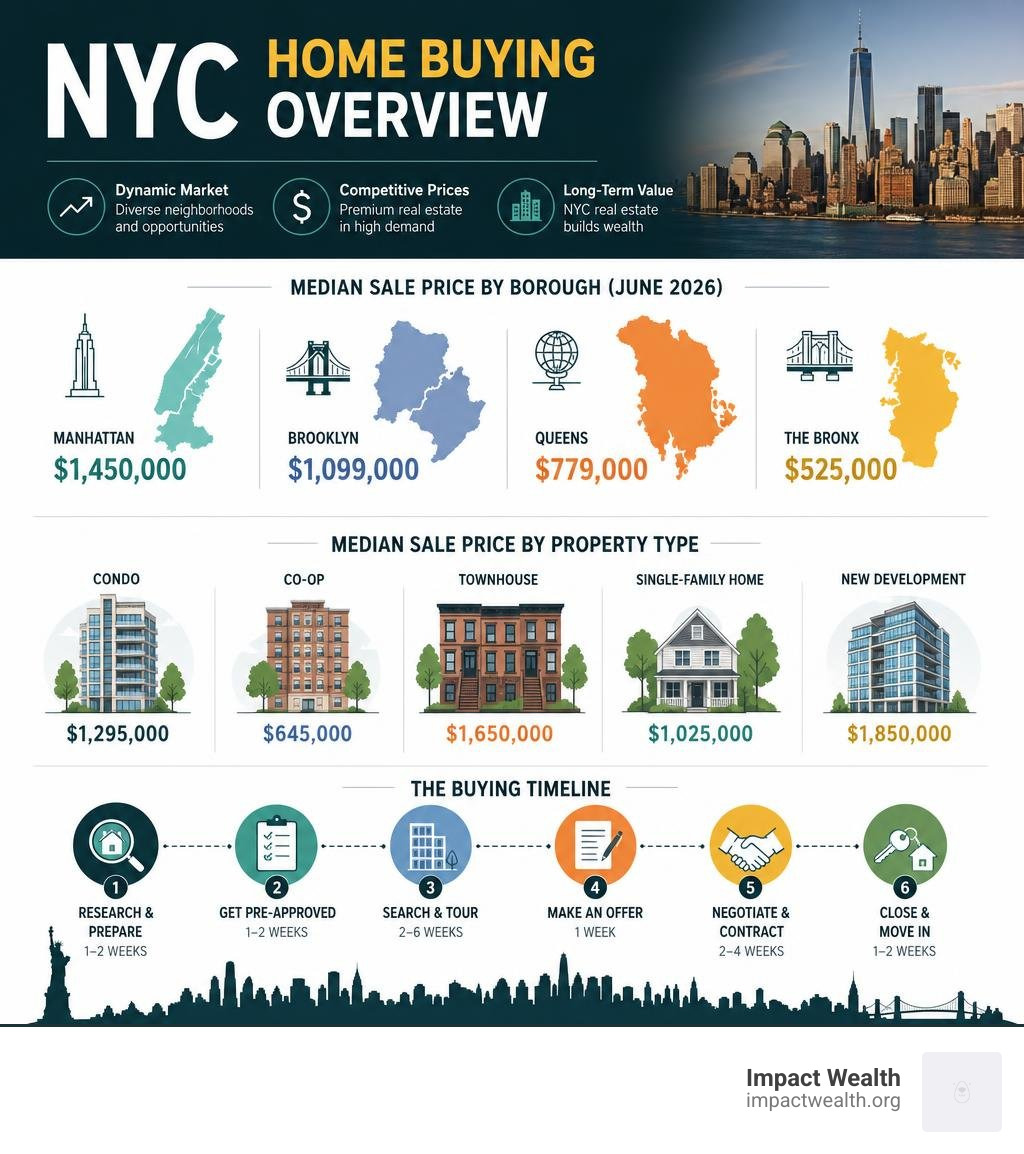
| Manhattan median | $1,450,000 |
| Brooklyn median | $1,099,000 |
| Queens median | $779,000 |
New York City is not one market — it’s dozens of micro-markets layered on top of each other. A co-op in the Upper East Side plays by completely different rules than a new-construction condo in Downtown Brooklyn or a limestone townhouse in Cobble Hill.
For high-net-worth buyers, the real opportunity isn’t just finding a home here. It’s understanding which niche of this market aligns with your lifestyle, your portfolio, and your long-term wealth strategy.
This guide breaks it all down — neighborhoods, property types, legal realities, and the numbers that matter.
Houses in new york city terms to remember:
Navigating the Market for Houses in New York City
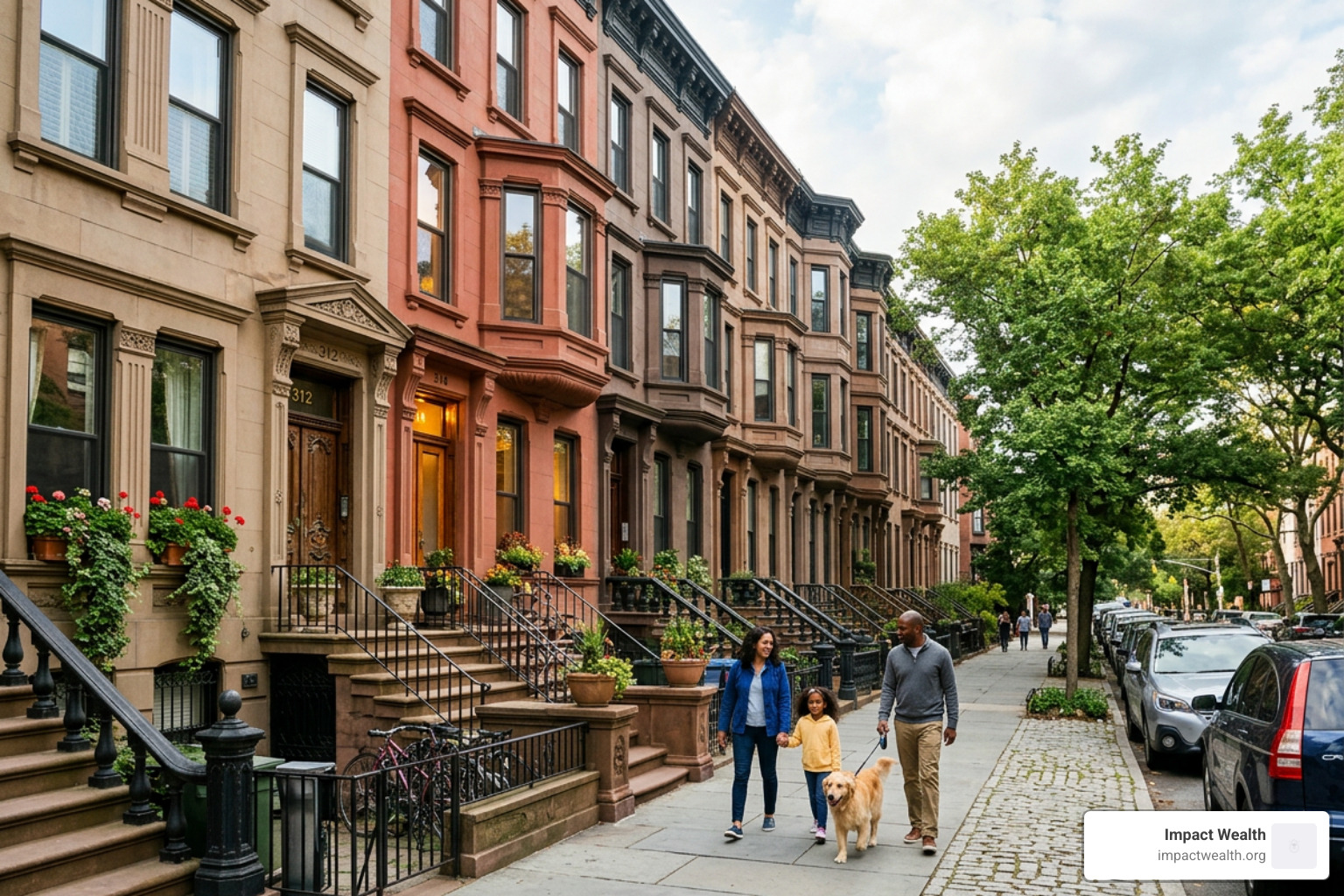
Buying in New York City is less like browsing a normal housing market and more like choosing your seat at a very expensive, very fast-moving dinner party. Everyone has an opinion, the best tables go quickly, and the bill includes more than you expected.
As of June 2026, NYC remains a deep but uneven market. Depending on the listing source, there are roughly 19,500 to more than 27,000 homes for sale across New York, NY. The median listing price sits around $949,000, while the median sale price is about $869,551, up 2.3 percent year over year as of April 2026. Homes are spending a median of 56 days on market, but that number can be misleading. Well-priced family-size apartments, renovated townhouses, and trophy penthouses in prime locations can move much faster.
The key point: there is no single “average” buyer of houses in New York City. A buyer looking at a $779,000 Queens condo has a different process than a family office evaluating a $20 million limestone townhouse or a $59.95 million Greenwich Village penthouse.
For broader market context, we like to pair listing data with long-term analysis, including Real Estate Market Trends 2025, because NYC real estate rewards patience, discipline, and an eye for cycles.
Listing platforms also shape the buyer journey. Buyers use StreetEasy for hyperlocal NYC searches, Zillow for broader inventory and alerts, Redfin for market trend data, and brokerage websites for new development and luxury listings. The public New York NY real estate listings on Zillow show the scale of inventory, but serious buyers still need due diligence beyond what any portal can display.
Open houses and virtual tours now work together. Virtual tours help buyers narrow choices before flying in or sending an adviser. Open houses reveal what photos cannot: lobby quality, noise, light, ceiling height, elevator speed, hallway condition, and that mysterious NYC smell that no floor plan ever mentions.
The Premium Value of Historic Houses in New York City
Historic homes carry a special premium in NYC because they offer what new development often cannot: scarcity, provenance, craftsmanship, and a sense of permanence.
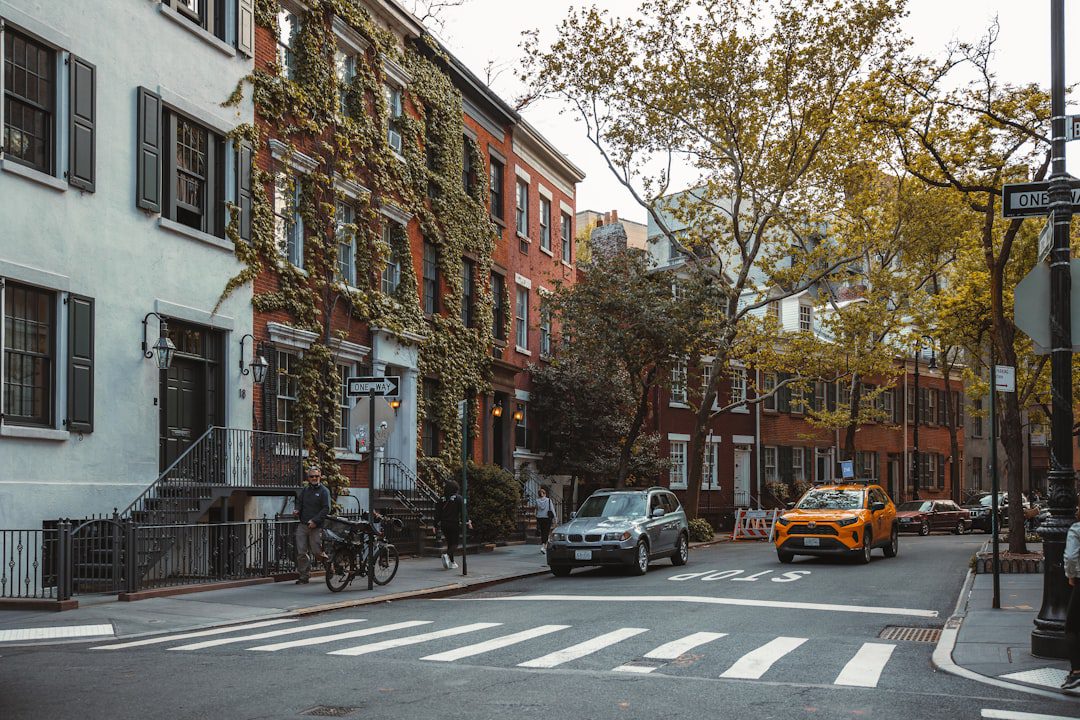
Townhouses in the West Village, Upper East Side, Cobble Hill, Brooklyn Heights, and Park Slope are especially prized because supply is limited. Many sit on landmarked blocks, have original facades, and offer private outdoor space, which became even more valuable after the pandemic reshaped buyer priorities.
A strong example is the Upper East Side townhouse at 165 E 64th Street #TWNHSE, listed at $18.5 million. The property combines an 1899 structure with a major modern renovation, roughly 7,000 square feet of interior space, six bedrooms, and about 1,900 square feet of outdoor area. Its listed annual property taxes are $86,892, or about $7,241 per month.
That is the NYC luxury equation in miniature: heritage plus infrastructure plus outdoor space equals premium value.
Historic does not always mean easy. Buyers should ask:
- Is the home in a landmark or historic district?
- Have renovations been approved by the Landmarks Preservation Commission?
- Are mechanical systems, plumbing, facade, roof, and windows updated?
- Is there unused air rights potential?
- Are there restrictions on exterior changes?
For luxury buyers, the premium is often justified when a home blends preservation with modern comfort. For more on what truly differentiates top-tier homes, see High End Property Features.
Key Considerations When Buying Houses in New York City
The best NYC purchase is not only about price. It is about fit.
We advise buyers to weigh five practical factors before falling in love with a view:
- School access: Public school zoning can matter even for buyers who plan on private education because school quality supports resale value. Families should verify current zoning directly with the city because boundaries can change.
- Transportation: Subway access, ferry routes, parking availability, and commute reliability all affect value. A beautiful home that adds 25 minutes to every commute may lose its charm quickly.
- Lifestyle amenities: Parks, private clubs, dining, galleries, medical care, fitness studios, and cultural institutions all shape neighborhood demand.
- Building quality: For condos and co-ops, review financials, reserve funds, assessments, building staff, insurance, facade compliance, and capital plans.
- Resale depth: A one-of-a-kind home is wonderful, unless it is one-of-a-kind in a way that only one future buyer will appreciate.
Location remains the quiet engine behind value. Our readers often compare city properties through the lens of Proximity To Schools And Work and Transport Links Property Value, because convenience compounds over time.
Architectural Diversity: Condos, Co-ops, and Townhomes

NYC housing is wonderfully varied, but the ownership structures can be confusing. In most luxury markets, a buyer asks, “Do I like the house?” In New York, the buyer also asks, “Will a board approve me, what are the monthly charges, and why is the laundry room political?”
Here is the simplified version.
| Property type | What you own | Typical buyer appeal | Common down payment | Watch-outs |
|---|---|---|---|---|
| Condo | Real property interest in an apartment | Flexibility, investor-friendly rules, easier subletting | 10 percent to 30 percent, often 20 percent plus in luxury | Higher closing costs, common charges, sponsor fees in new development |
| Co-op | Shares in a corporation plus proprietary lease | Often lower price per square foot, classic prewar buildings | Often 20 percent to 50 percent | Board approval, strict financial review, sublet limits |
| Townhouse | Land and structure | Privacy, space, control, outdoor areas | Often 20 percent to 40 percent or cash | Maintenance responsibility, inspections, landmark limits |
| Single-family home | Full ownership of home and land | Rare in many parts of NYC, more common in outer boroughs | Varies by financing | Property condition, taxes, insurance, renovation costs |
Co-ops remain common in Manhattan, especially in prewar buildings on the Upper East Side and Upper West Side. They can offer value, elegance, and larger layouts, but the approval process is serious. Buyers usually submit a board package with tax returns, bank statements, investment accounts, reference letters, debt information, and sometimes personal essays. The board interview is not a formality.
Condos are favored by international buyers, investors, and buyers who want more flexibility. Townhouses appeal to buyers who want control, privacy, and a true house-like lifestyle in the city.
Luxury Condominiums and New Construction
New construction in Manhattan and Brooklyn is increasingly focused on wellness, privacy, full-service amenities, and hotel-level living. Buyers are looking for private terraces, concierge service, fitness centers, spa areas, package rooms, parking, wine storage, screening rooms, and secure access.
A striking example is 16 5th Avenue, Unit PH1, a Greenwich Village triplex penthouse listed at $59.95 million. The residence is reported at more than 8,300 interior square feet, with private outdoor space, extensive amenities, and monthly taxes and common charges that together exceed $27,000. That is not a typo. In ultra-luxury NYC, monthly carrying costs can resemble the mortgage on a very nice house elsewhere.
Another example of the market’s blend of history and modern luxury is 313 East 6th Street, Unit PH in the East Village, also presented through 313 E 6TH Street #PENTHOUSE. Listed at $6.2 million, it combines a historic building context with a newly completed penthouse-style residence, private outdoor space, and boutique condominium living.
The other major trend is office-to-residential conversion. Manhattan’s office market has changed, and high-quality conversions are creating new homes in older commercial buildings. One Wall Street is a high-profile example, with hundreds of apartments created in a landmark Art Deco tower and pricing that has ranged from smaller residences around the low seven figures to a penthouse reportedly priced at $75 million.
This trend matters because it may add supply in prime areas while preserving architectural character.
The Timeless Appeal of Single-Family Townhomes
Townhouses are the emotional center of NYC luxury real estate. They offer what even the best condo cannot fully replicate: a front door on the street, private vertical living, no upstairs neighbor in tap shoes, and the ability to create a highly personal residence.
Brooklyn has become especially important for luxury townhouse buyers. Cobble Hill, Brooklyn Heights, Park Slope, Carroll Gardens, and Boerum Hill attract families and high-net-worth buyers who want space, character, schools, parks, and a neighborhood feel.
The new-construction townhouse at 45 DOUGLASS Street in Cobble Hill is a useful case study. Listed at $11.5 million, it includes about 5,500 square feet, five bedrooms, multiple baths, and private outdoor space. Its listed annual property tax is $7,164, or about $597 per month, which is notably low compared with many Manhattan luxury apartments, though buyers should always verify tax status and future assessments with counsel.
Townhouses can be excellent long-term assets, but they require a different mindset. You are not just buying a residence. You are buying a small building. That means roof, facade, mechanicals, sidewalk, cellar, drainage, insurance, and sometimes landmark approvals all become your responsibility.
For buyers thinking like investors as well as residents, townhouse ownership belongs in the same conversation as Property Evaluation, Property Value Preservation, and Long Term Property Investment.
Elite Neighborhoods and Suburban Alternatives
The most popular NYC neighborhoods vary by buyer profile.
In Manhattan, high-net-worth buyers often focus on:
- Upper East Side: Classic co-ops, museums, Central Park access, private schools, medical institutions, and townhouses.
- Upper West Side: Larger prewar apartments, family appeal, parks, cultural access, and strong neighborhood identity.
- Tribeca: Large lofts, privacy, restaurants, celebrity appeal, and family-friendly luxury.
- West Village and Greenwich Village: Historic charm, low-rise streets, limited inventory, and premium pricing.
- Chelsea and Flatiron: Galleries, new condos, dining, and access to downtown and midtown.
In Brooklyn, demand remains strong in:
- Brooklyn Heights: Waterfront views, historic architecture, promenade access, and proximity to Manhattan.
- DUMBO: Converted lofts, waterfront parks, and dramatic skyline views.
- Cobble Hill and Carroll Gardens: Townhouse living, restaurants, schools, and village-like streets.
- Park Slope: Brownstones, Prospect Park, schools, and family demand.
- Boerum Hill and Fort Greene: Transit, brownstone blocks, cultural amenities, and newer luxury condos.
The waterfront duplex at 90 Furman Street N800 illustrates Brooklyn’s top-end appeal, with a listed price of $9.7 million, more than 3,600 square feet, private terraces, and views of the Manhattan skyline, harbor, Statue of Liberty, and Brooklyn Bridge.
Queens is more value-driven but increasingly sophisticated. Long Island City offers skyline-facing condos and fast Manhattan access. Astoria offers dining, culture, and relative affordability. Forest Hills and parts of Bayside appeal to buyers who want more residential space.
Jersey City is often compared with NYC because it offers waterfront towers, Manhattan views, and a different tax and commute profile. It can be attractive for buyers who want proximity without NYC pricing, but the lifestyle and ownership considerations are different.
For suburban alternatives, Scarsdale remains one of the most watched luxury markets near New York. It offers large single-family homes, elite public schools, and a Metro-North commute that can be as short as about 30 minutes to Manhattan. Research notes a 2025 median sale price around $2.48 million and very limited inventory at the start of 2026. The trade-off is cost: property taxes can be high, with some reports pointing to rates around 2.3 percent of property value.
For buyers comparing NYC to other luxury destinations, it can be useful to observe inventory and pricing patterns in markets such as Palm Beach, Miami, Bal Harbour, Hallandale Beach, and Los Angeles. Each has its own tax, lifestyle, and liquidity profile.
Financial and Legal Realities of NYC Real Estate
The purchase price is only the headline. The total cost of buying in NYC includes taxes, carrying costs, closing costs, financing terms, and legal review.
Common cost categories include:
- Property taxes: Paid directly by townhouse and condo owners, indirectly through maintenance in many co-ops.
- Common charges: Condo monthly fees covering staff, amenities, insurance, maintenance, and reserves.
- Co-op maintenance: Often includes building operating costs and the shareholder’s portion of property taxes and underlying mortgage costs.
- Mansion tax: New York State applies a mansion tax on residential purchases of $1 million or more, starting at 1 percent and rising for higher-priced properties.
- Mortgage recording tax: Applies to most condo and townhouse mortgage financing in NYC, but not in the same way to co-op share loans.
- Title insurance: Typically required for condos and townhouses.
- Attorney fees: Essential in NYC due diligence.
- New development costs: Sponsor transfer taxes, working capital contributions, and other fees may be shifted to buyers.
- Move-in fees and building deposits: Common in condos and co-ops.
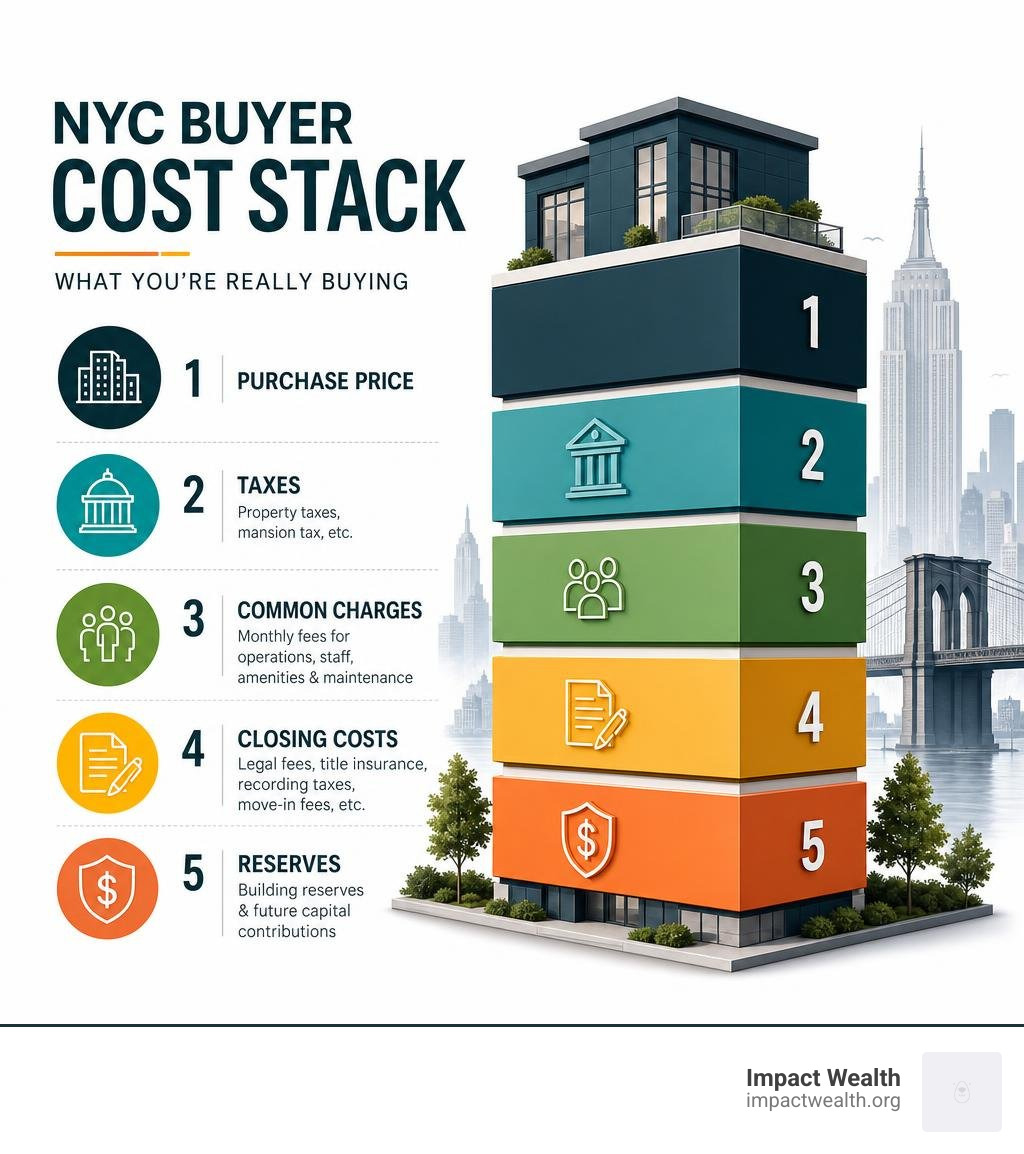
As a rough guide, co-op closing costs are often lower than condo closing costs, especially when financing is involved. Condo and townhouse buyers with mortgages may face higher closing costs because of mortgage recording tax and title insurance. New development purchases can be higher still if the buyer pays sponsor-related costs.
Legal considerations are equally important. Buyers should review:
- Co-op board rules and approval standards
- Condo offering plans and amendments
- Building financial statements and reserve funds
- Pending assessments or litigation
- Landmark district restrictions
- Certificate of occupancy
- Renovation history and permits
- Facade inspection obligations
- Local Law compliance and energy efficiency rules
- Flood zone and insurance issues for waterfront properties
- Rent regulation status for multi-family homes
For ultra-high-net-worth buyers, privacy and structuring matter as well. Some buyers purchase through trusts, LLCs, or other entities, though NYC and federal transparency rules have become more demanding. Counsel should coordinate tax, estate, financing, and privacy goals before contract signing, not after.
This is where Real Estate Strategies, Real Estate Insights, Real Estate Investment Tips, and Investment Properties become practical rather than theoretical.
Frequently Asked Questions about NYC Real Estate
What is the current median home price in NYC?
As of June 2026, the median listing price in New York, NY is about $949,000, while the median sale price is about $869,551 as of April 2026. The median sale price has increased about 2.3 percent year over year.
Manhattan remains the most expensive borough in broad median terms, around $1.45 million. Brooklyn is around $1.099 million, while Queens and Staten Island are both reported around $779,000 in available market data.
The median listing price per square foot is about $754, and homes spend a median of 56 days on market. Active listings vary by platform, ranging from roughly 19,500 to more than 27,000 homes.
Buyers should treat these numbers as a starting point. A renovated townhouse in Cobble Hill, a prewar co-op on Park Avenue, a new condo in Tribeca, and a Queens single-family home are not really comparable assets. Same city, different universe.
How do co-op boards impact the buying process?
Co-op boards can dramatically affect both timing and certainty. Unlike a condo purchase, where the board usually has limited rights, a co-op board can approve or reject a buyer based on its review process.
A typical co-op board package may include:
- Tax returns
- Bank and brokerage statements
- Employment verification
- Personal and professional reference letters
- Debt and income summary
- Contract of sale
- Financing commitment
- Net worth statement
- Post-closing liquidity details
Many co-ops want buyers to show substantial assets remaining after closing. Some luxury buildings prefer all-cash buyers or require 50 percent down. Others may allow financing but still require one to two years, or more, of maintenance and debt payments in liquid reserves.
The board interview matters. It is usually polite, but buyers should be prepared, concise, and respectful. This is not the moment to announce plans for a glass rooftop disco.
How does the NYC market compare to nearby suburbs like Scarsdale?
NYC offers liquidity, cultural access, global prestige, and a wide range of property types. Scarsdale offers space, schools, privacy, and a suburban rhythm with quick access to Manhattan.
Scarsdale has attracted wealthy families because of its public schools, residential character, and short commute. Research points to a 2025 median sale price of about $2.48 million and scarce inventory entering 2026. Homes can sell quickly when priced well.
The trade-off is taxes. Scarsdale property taxes are notably high, in part because they help fund local services and schools. NYC buyers, meanwhile, must consider city income tax, building carrying costs, mansion tax, and closing costs.
In simple terms:
| Buyer priority | NYC may fit better | Scarsdale may fit better |
|---|---|---|
| Culture and dining | Yes | Less so |
| Private outdoor space | Limited and costly | More common |
| Public school appeal | Neighborhood-specific | Major draw |
| Commute to Midtown | Often shorter in-city | About 30 minutes by train in best cases |
| Building amenities | Strong in condos | Not the focus |
| Privacy and land | Rare | More available |
Both markets can work beautifully. The better choice depends on whether the buyer wants a city asset, a family base, or both.
Conclusion
Buying houses in New York City is not about chasing the biggest headline or the prettiest terrace, though we fully support pretty terraces. It is about matching the right property type, neighborhood, cost structure, and legal framework to the way you actually live.
For June 2026 buyers, the market is active, expensive, and highly segmented. Median figures tell part of the story, but the real opportunity lies in micro-markets: a classic Upper East Side co-op, a West Village penthouse, a Brooklyn townhouse, a Queens single-family home, or a suburban alternative with room to breathe.
At Impact Wealth, we view luxury real estate as both lifestyle and strategy. The right home can support family life, privacy, legacy planning, and long-term capital preservation. The wrong one can become an expensive lesson with a very nice lobby.
For more perspective on luxury property markets and wealth strategy, explore Veronica Gorson South Florida Real Estate Boom Insights, along with our coverage of New Construction Homes, Master Planned Communities, Mixed Use Developments, Property Optimization, Property Buyer Psychology, Palm Beach Real Estate, Portugal Real Estate, Auckland Houses For Sale Demand, and New Apartments Winnipeg.
New York rewards the prepared buyer. Know your niche, know your numbers, and remember: in this city, even the quietest townhouse has a story.