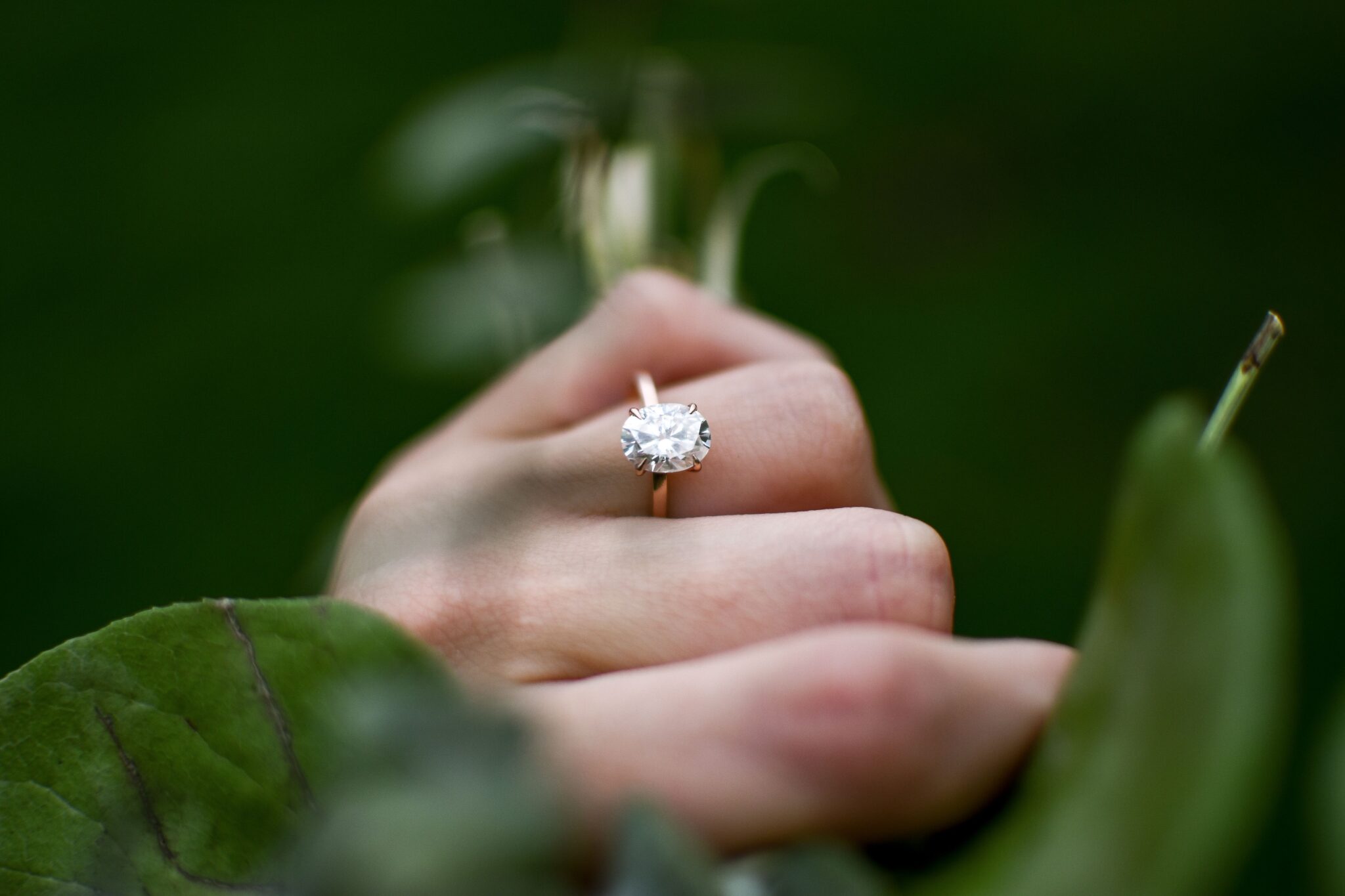
Engagement ring shopping has changed a lot in recent years. Couples are no longer only comparing classic mined diamonds. Lab-grown options are now part of almost every serious conversation. That change is understandable when you think about how people shop today. Budget matters, style matters, and values matter too. But with more choices comes more confusion, especially when terms start sounding similar.
Lab-grown diamonds are real diamonds, but they are created in controlled environments instead of forming underground over millions of years. That difference raises a few important questions buyers should understand before making a decision.
Here are five key things you should know before choosing lab grown engagement rings.
1. They Are Physically and Chemically the Same as Mined Diamonds
One of the biggest misunderstandings is thinking lab grown diamonds are “fake.” They are not.
Lab grown diamonds have the same chemical structure as mined diamonds. They are made of carbon arranged in the same crystal pattern, which gives them the same hardness, sparkle, and durability. This is why lab grown engagement rings have become such a popular option for modern buyers who want the look and feel of a traditional diamond without the mined origin.
When browsing collections from retailers like Ritani, you’ll notice that lab grown and natural diamonds are often displayed side by side, making it easier for couples to compare without feeling pressured toward one direction. Even trained gemologists often need special equipment to tell them apart, which shows how close they are in structure and appearance.
2. They Usually Cost Less Than Natural Diamonds
Price is one of the biggest reasons people consider lab grown diamonds. On average, lab grown diamonds can cost 30% to 50% less than mined diamonds of similar size and quality. According to the Gemological Institute of America (GIA), this difference is mainly due to how quickly lab grown diamonds can be produced and brought into the market.
This price gap gives couples more flexibility. Some choose to save money overall, while others upgrade to a larger or higher-quality stone within the same budget.
In many cases, this is where lab grown diamonds feel especially practical. You are not sacrificing appearance, but you are shifting where the budget goes.
3. They Still Follow the Same Quality Grading System
Lab grown diamonds are graded using the same “4Cs” as mined diamonds: cut, color, clarity, and carat weight. That makes comparison easier, especially for first-time buyers who may feel overwhelmed by technical terms. A lab grown diamond with excellent cut quality will reflect light just as beautifully as a mined diamond with the same grade.
Cut, in particular, often has the biggest impact on sparkle, more than most people expect. That is why two diamonds of the same size can look very different depending on how well they are cut. Because grading is standardized, buyers can focus more on visible quality instead of worrying about origin alone. That tends to simplify the decision process quite a bit.
4. They Raise Questions About Long-Term Value
This is where opinions tend to split. Lab grown diamonds usually do not hold resale value in the same way mined diamonds sometimes do. The market is still developing, and prices have adjusted downward as production becomes more efficient.
Lab grown diamond pricing continues to evolve as supply increases and technology improves. That said, most engagement rings are not purchased with resale in mind. They are emotional purchases first, financial assets second.
What matters more for most couples is meaning, appearance, and daily wearability. Still, it is important to understand this trade-off before deciding so expectations stay realistic from the start.
5. They Offer More Flexibility in Design Choices
One of the most practical advantages of lab grown diamonds is how they open up design flexibility. Because they are generally more affordable, couples can allocate more of their budget toward the ring setting, metal type, or overall design details. That might mean choosing a more intricate setting or simply selecting a slightly larger center stone without stretching the budget too far.
This is where many people start exploring styles they may not have considered before. Solitaire, halo, hidden halo, and vintage-inspired designs, all become more accessible. It also gives couples more freedom to match the ring to personal style instead of strictly working around price limits.
Conclusion
Lab-grown engagement rings have become a strong choice for modern couples because they combine beauty, affordability, and flexibility in one option. They are physically identical to mined diamonds, often more budget-friendly, and follow the same grading standards. At the same time, they come with differences in long-term value that buyers should understand clearly.
At the end of the day, the decision is less about category and more about priorities. Once you know what matters most to you, the choice becomes much easier and far more personal.