Across the globe, affluent travelers are increasingly seeking curated heritage experiences rather than traditional sightseeing vacations. Moreover, the demand for controlled-access destinations has transformed the way iconic landmarks are explored. Travelers now prioritize exclusivity, expert interpretation, seamless logistics, and meaningful cultural immersion over crowded tourism experiences.
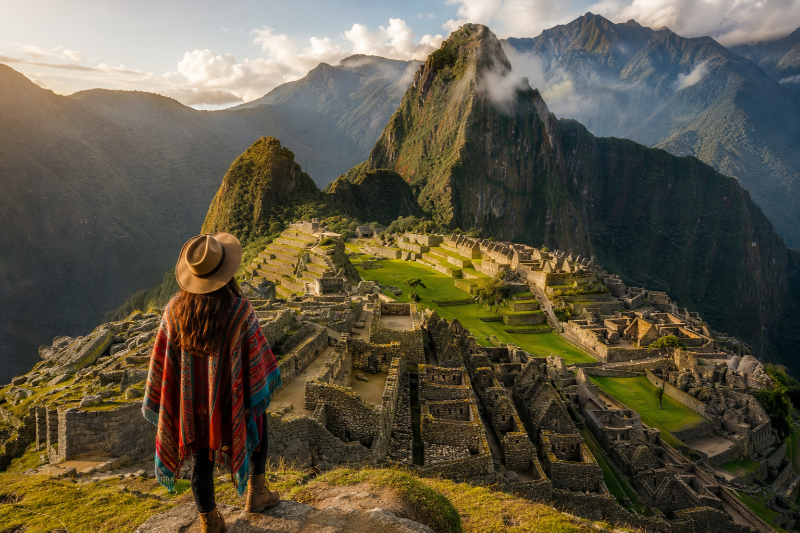
Within this evolving landscape, Machu Picchu stands as one of the most sought-after destinations in modern luxury travel. Once viewed primarily as a bucket-list archaeological site, it has evolved into a carefully managed experience shaped by conservation policies, visitor regulations, and premium hospitality services. Consequently, a luxury Machu Picchu tour now offers far more than access to an ancient citadel.
As interest in Peru luxury travel continues to grow, travelers are increasingly combining premium rail journeys, private guides, and sophisticated itineraries throughout the Sacred Valley and Cusco region. Furthermore, understanding Machu Picchu tickets, visitor circuits, and reservation requirements has become essential for creating a smooth journey. Any comprehensive Cusco travel guide now places strong emphasis on advance planning and structured access.
In the context of luxury travel trends 2026, Machu Picchu exemplifies how exclusivity, sustainability, and heritage preservation can coexist to create one of the world’s most remarkable travel experiences.
What Makes Machu Picchu One of the World’s Most Exclusive UNESCO Sites?
Nestled high in the Andes Mountains of Peru, Machu Picchu remains one of humanity’s most extraordinary archaeological achievements. Built by the Inca civilization during the 15th century, the site showcases remarkable engineering, sophisticated agricultural terraces, and ceremonial architecture that continues to fascinate historians and travelers alike.
Moreover, its designation as a UNESCO World Heritage Site has elevated its global significance. UNESCO recognition not only celebrates its cultural importance but also places responsibility on authorities to preserve the site for future generations. Therefore, visitor management has become a central component of the Machu Picchu experience.
Several factors contribute to its exclusivity:
- Remote mountain location
- Strict visitor controls
- Protected archaeological zones
- Limited daily admissions
- Conservation-focused tourism policies
Unlike many famous landmarks, access is intentionally regulated. As a result, the destination maintains an atmosphere of rarity and prestige that appeals strongly to luxury travelers seeking meaningful experiences rather than mass tourism.
Why Is Luxury Travel to Machu Picchu Becoming More Structured and Curated?
Luxury travel has shifted dramatically during the past decade. Travelers increasingly value personalization, expert access, and convenience. Consequently, highly curated itineraries have become the preferred method for exploring culturally significant destinations.
At Machu Picchu, structured tourism systems support both conservation goals and visitor satisfaction. Moreover, guided circuits help distribute foot traffic while ensuring travelers gain deeper historical understanding. This approach aligns perfectly with the expectations of modern VIP Peru travel clients.
Today’s premium travelers often seek:
- Private transportation
- Dedicated travel coordinators
- Expert archaeological guides
- Flexible scheduling
- High-end accommodations
Meanwhile, luxury tour operators increasingly package these services into seamless experiences that remove logistical complexity. As a result, travelers can focus entirely on the cultural and emotional aspects of their journey.
How Do Machu Picchu Tickets and Entry Circuits Work?
One of the most important aspects of planning a visit involves understanding Machu Picchu tickets and visitor circuits. Unlike previous decades, access is no longer unrestricted.
Visitors must select specific ticket categories that correspond to designated routes through the archaeological complex. Furthermore, entry times are carefully scheduled throughout the day to manage visitor flow and reduce environmental pressure.
Key elements of the ticketing system include:
- Timed-entry reservations
- Circuit-specific access
- Limited daily visitor capacity
- Advance purchase requirements
- Seasonal availability variations
Therefore, successful Machu Picchu booking often requires planning several months ahead, particularly during peak travel periods.
Different circuits offer unique perspectives of the site. Some prioritize panoramic viewpoints, while others focus on ceremonial sectors and architectural highlights. Consequently, selecting the correct route can significantly impact the overall experience.
What Is the Luxury Way to Experience Machu Picchu?
Luxury travel transforms the journey to Machu Picchu from a simple excursion into a fully curated experience. Rather than navigating complex transportation independently, travelers enjoy seamless arrangements from arrival to departure.
Private guides provide personalized historical interpretation while adjusting the pace according to individual interests. Moreover, luxury travelers often gain access to premium scheduling options that minimize congestion and enhance photography opportunities.
Popular luxury enhancements include:
- Private archaeological guides
- Concierge-managed logistics
- Premium hotel stays
- Exclusive dining experiences
- Customized cultural excursions
Perhaps the most iconic luxury experience involves traveling aboard high-end rail services through the Sacred Valley. Elegant train interiors, gourmet cuisine, live entertainment, and panoramic observation cars elevate the journey itself into a memorable highlight.
Luxury Experience Comparison
| Experience Type | Access Level | Comfort Level | Luxury Advantage |
|---|---|---|---|
| Standard Day Visit | Basic | Moderate | Cost-effective |
| Guided Group Tour | Structured | Moderate | Expert insights |
| Luxury Rail Journey | Premium | High | Scenic and seamless |
| Private Guided Tour | Exclusive | High | Personalized exploration |
| Fully Curated Luxury Package | VIP | Exceptional | End-to-end convenience |
Why Is Cusco Essential for a Luxury Machu Picchu Journey?
Any sophisticated Cusco travel guide emphasizes the importance of spending time in Cusco before visiting Machu Picchu. Located at a high altitude, Cusco serves as both a cultural treasure and an essential acclimatization point.
Luxury travelers frequently spend several nights exploring the city’s colonial architecture, vibrant culinary scene, and historic Inca foundations. Moreover, this gradual adjustment to elevation helps improve comfort during subsequent excursions.
Premium experiences in Cusco often include:
- Boutique luxury hotels
- Private city tours
- Fine dining experiences
- Cultural performances
- Museum access with expert guides
Meanwhile, the Sacred Valley offers a lower-altitude environment that many travelers find ideal for relaxation. Consequently, luxury itineraries often divide time between Cusco and the valley before continuing to Machu Picchu.
How Do Inca Trail Permits Affect Access to Machu Picchu?
For travelers interested in trekking experiences, Inca Trail permits play a critical role in planning. Access to the historic trail is tightly regulated to preserve its environmental and archaeological integrity.
Only a limited number of permits are issued annually. Therefore, reservations often sell out months in advance. Moreover, all hikers must travel with authorized operators, ensuring compliance with conservation standards.
Important permit considerations include:
- Strict daily quotas
- Mandatory guide requirements
- Early reservation deadlines
- Seasonal limitations
- Environmental protection measures
However, travelers unable to secure permits still have several alternatives. Routes such as the Salkantay Trek and Lares Trek offer spectacular Andean scenery while reducing pressure on the original Inca Trail.
What Are the Biggest Mistakes Travelers Make When Visiting Machu Picchu?
Despite careful planning, travelers frequently encounter avoidable challenges. Fortunately, understanding common mistakes can significantly improve the overall experience.
One of the most common issues involves delaying Machu Picchu booking until the final weeks before departure. Consequently, preferred ticket categories, train schedules, and accommodations may no longer be available.
Other frequent mistakes include:
- Choosing the wrong entry circuit
- Underestimating altitude effects
- Ignoring seasonal weather patterns
- Overloading itineraries
- Failing to secure permits early
Additionally, some travelers focus exclusively on Machu Picchu while overlooking the broader Andean region. As a result, they miss opportunities for deeper cultural engagement throughout Cusco and the Sacred Valley.
Planning Risks and Solutions
| Planning Factor | Risk Level | Luxury Solution | Travel Impact |
| Last-Minute Tickets | High | Advance concierge booking | Guaranteed access |
| Altitude Adjustment | Medium | Multi-day acclimatization | Greater comfort |
| Circuit Selection | Medium | Expert itinerary planning | Better experience |
| Peak Season Travel | High | Premium scheduling | Reduced congestion |
| Permit Availability | High | Early reservations | Access secured |
Which Luxury Travel Experiences Enhance Machu Picchu Visits the Most?
Luxury travelers increasingly seek experiences that deepen understanding while maximizing comfort. Consequently, bespoke itineraries have become one of the most valuable enhancements available.
Private archaeological tours allow visitors to explore specific areas according to their interests. Moreover, expert guides can provide nuanced historical context unavailable during larger group excursions.
Highly sought-after premium experiences include:
- Private archaeological specialists
- VIP transportation arrangements
- Personalized photography sessions
- Exclusive culinary experiences
- Tailor-made cultural encounters
In some cases, luxury itineraries combine rail travel, private transfers, and premium lodging into a seamless journey. Therefore, every aspect of the experience contributes to a sense of exclusivity and refinement.
Are Machu Picchu Experiences Reflecting Luxury Travel Trends 2026?
The evolution of Machu Picchu closely mirrors broader luxury travel trends 2026. Around the world, affluent travelers increasingly favor destinations that offer authenticity, sustainability, and controlled access.
Rather than seeking unlimited access, many travelers now value scarcity and preservation. Consequently, heritage destinations with visitor management systems often attract greater interest than unrestricted attractions.
Several major trends are shaping demand:
- Experience-driven travel
- Sustainable tourism
- Personalized itineraries
- Controlled-access destinations
- Cultural immersion programs
Furthermore, UNESCO heritage travel continues to gain popularity among travelers seeking meaningful experiences with educational value. Machu Picchu represents one of the strongest examples of this global movement.
Why Is Machu Picchu More Than Just a Historical Site?
Beyond its architectural achievements, Machu Picchu carries profound cultural and emotional significance. For many visitors, the experience extends far beyond archaeology.
The surrounding mountains, sacred landscapes, and enduring Inca heritage create a powerful atmosphere that resonates deeply with travelers. Moreover, the site’s preservation symbolizes humanity’s collective responsibility to protect cultural treasures.
Its broader significance includes:
- Indigenous heritage preservation
- Global cultural identity
- Historical continuity
- Educational value
- Spiritual symbolism
Consequently, visitors often leave with a greater appreciation for both ancient civilizations and modern conservation efforts.
What Does the Future Hold for Machu Picchu Tourism?
The future of Machu Picchu tourism will likely involve even greater emphasis on sustainability and visitor management. As global demand continues to increase, authorities face the challenge of balancing accessibility with preservation.
Digital reservation systems are expected to become more sophisticated. Moreover, visitor regulations may continue evolving to protect fragile areas from excessive foot traffic.
Future developments may include:
- Enhanced digital ticketing
- Expanded conservation initiatives
- More precise visitor monitoring
- Increased educational programming
- Growth in premium guided experiences
Meanwhile, luxury demand will likely continue rising. Therefore, curated journeys, private access arrangements, and personalized itineraries will remain central components of the visitor experience.
Frequently Asked Questions?
What is Machu Picchu?
Machu Picchu is a 15th-century Inca citadel located in the Peruvian Andes and recognized globally as a UNESCO World Heritage Site.
How do I book Machu Picchu tickets?
Travelers can reserve Machu Picchu tickets through authorized booking platforms, tour operators, or travel advisors. Early booking is highly recommended.
What is a luxury Machu Picchu tour?
A luxury Machu Picchu tour typically includes premium transportation, private guiding, luxury accommodations, and personalized itinerary planning.
Do I need Inca Trail permits?
Yes. Travelers hiking the classic Inca Trail must obtain Inca Trail permits, which are limited and often sell out months in advance.
Is Machu Picchu part of Peru luxury travel?
Absolutely. Machu Picchu is one of the flagship experiences within the growing Peru luxury travel market.
What is the best time to visit Machu Picchu?
The dry season, generally from May through September, offers favorable weather conditions and excellent visibility.
Why is Machu Picchu so strictly controlled?
Machu Picchu uses controlled-access systems to protect archaeological structures, manage visitor impact, and preserve the site for future generations.
What is included in VIP Peru travel?
VIP Peru travel often includes private guides, luxury transportation, exclusive accommodations, concierge support, and customized experiences.
How does Cusco support Machu Picchu trips?
Cusco provides acclimatization opportunities, cultural exploration, luxury accommodations, and convenient access to the Sacred Valley and Machu Picchu.
What are luxury travel trends 2026?
Luxury travel trends 2026 emphasize sustainability, curated experiences, heritage tourism, personalized itineraries, and controlled-access destinations.