For years, the conversation about luxury in Southeast Asia has circled the same handful of names: the Maldives, Phuket, Bali. Vietnam rarely made the shortlist. That is starting to change, and for travelers who measure luxury in privacy, authenticity, and value rather than logos, it may be the most interesting destination in the region right now.
A definition of luxury that fits the moment
The shift in high-end travel toward “quiet luxury,” favoring seclusion and meaning over spectacle, happens to describe Vietnam almost exactly. The appeal here is not gold-plated excess. It is the ability to move through genuinely different worlds in a single trip without the long transfers that usually break the comfort.
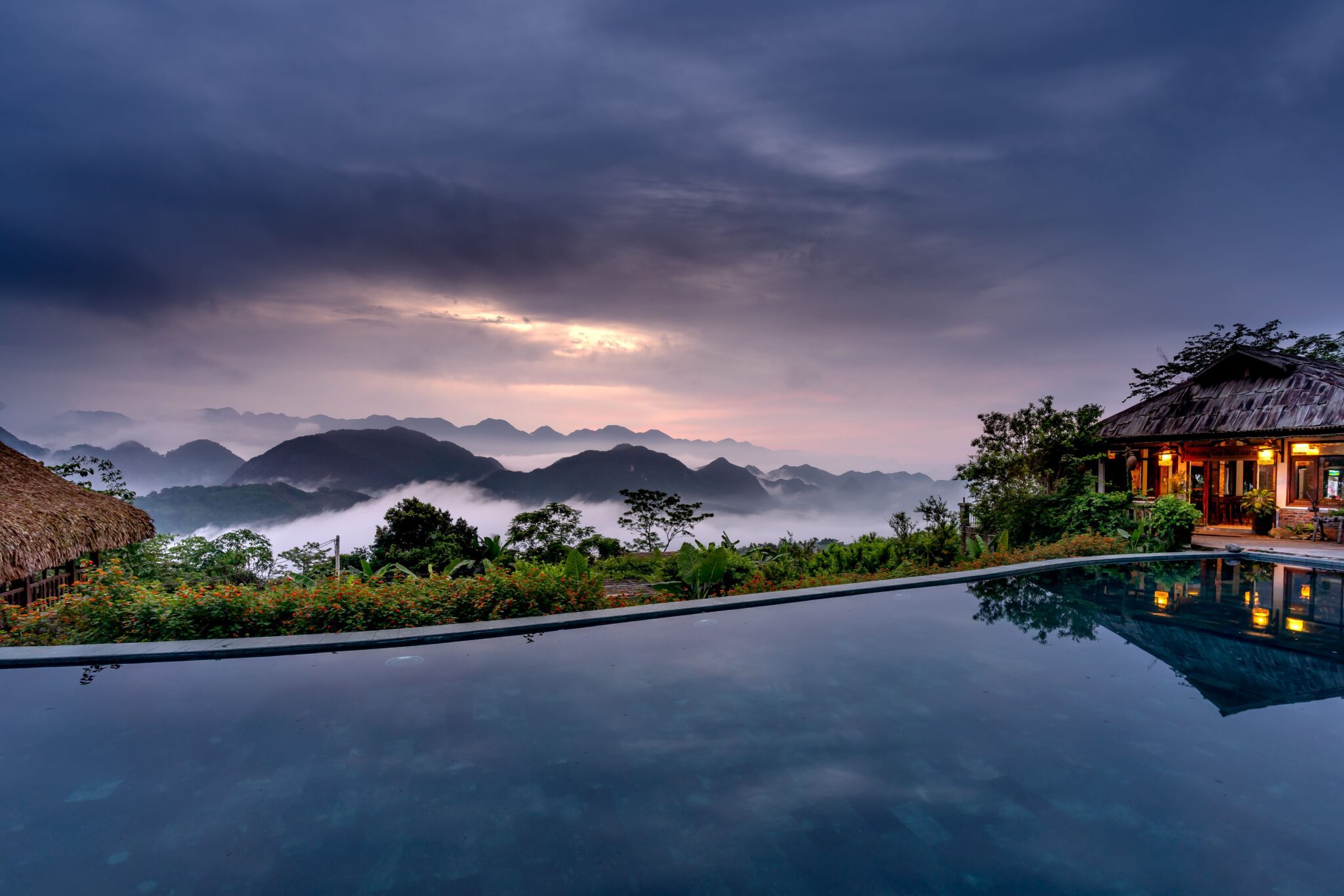
In two weeks, a traveler can spend a few nights on a private beach in the south, then a mountain lodge in the far north, then a quiet countryside retreat, each at a level of service that holds up against anywhere in Asia. That variety, rather than any one property, is what makes Vietnam stand out for the kind of traveler who finds a week in a single resort slightly suffocating.
Where the country genuinely delivers
It pays to be honest about Vietnam’s strengths. Where it shines is beach-and-resort luxury, wellness, and private, personal service. A few standout properties define the top end and reward the effort of getting to them.
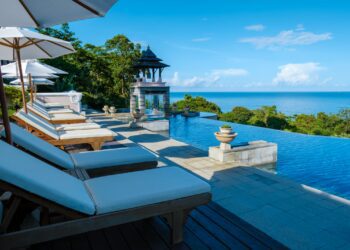
The Con Dao Islands, off the southern coast, are the closest Vietnam comes to a private-island feel: hard to reach, lightly developed, and home to a small number of villa resorts on near-empty beaches. Ninh Van Bay, a short boat ride from Nha Trang, is the country’s most exclusive stretch of coast, reachable only by water and built almost entirely around privacy. Both sit comfortably alongside Phu Quoc’s large five-star resorts and the beachfront villas near Hoi An’s historic old town. For a fuller picture, this guide covers the destinations and resorts that make a luxury holiday in Vietnam worth it, with an honest read on which ones earn the price.
Heritage you can actually sleep beside
The one experience most travelers picture when they think of Vietnam is Halong Bay, and here the luxury is the cruise itself. A UNESCO World Heritage Site, the bay’s limestone karsts and emerald water are best seen from a private cabin with a balcony, on one of the high-end ships that route away from the day-trip crowds.
The honest caveat is that the bay can get busy and hazy, so the ship matters more than the destination. Pick well, and an overnight cruise becomes one of the quietest, most cinematic nights of the trip. Arrive by seaplane from Hanoi and you add an aerial view of the bay that most visitors never get.
Where Vietnam is still catching up
No serious case for a destination should skip its weak points. Vietnam’s main one is consistency. Some hotels are five-star in name more than in service, particularly in smaller cities, and a few domestic flights and longer road transfers can feel basic even in an otherwise polished trip.
None of this should put a discerning traveler off; it simply needs planning around. Stay at the proven properties rather than chasing a brand new opening, and use a private car with a driver for the journeys that matter instead of leaving them to chance. Handled that way, the rough edges disappear and what remains is genuinely high-end.
The value argument, for people who do not need one
Price is rarely the point at this level, but it is worth naming because it changes what the money buys. Entry-level luxury resorts in Vietnam start around $100 a night with a pool and good dining. The top tier, private villas with personal service and private excursions, runs from roughly $500 a night upward. The same standard costs far more in the Maldives or at Thailand’s high end.
For the traveler who has already done the obvious destinations, that gap is not about saving money. It is about what a given budget unlocks: a whole villa rather than a room, a private guide rather than a group, an entire bay rather than a slice of it. Exclusivity in Vietnam is still relatively uncrowded, which is increasingly the rarest commodity in luxury travel.
The takeaway
Vietnam will not suit the traveler who wants a single, faultless resort and nothing else to think about; Thailand still does that more reliably. But for those who want depth over display, a trip that moves between coast, mountains, and heritage while staying fully in comfort, it is one of the most rewarding choices in Asia today, and one of the few where the experience still outruns the reputation.
The travelers discovering it now are doing so quietly, which is rather the point.