Meta Description: Gold remains a trusted safe-haven asset, rising during crises as investors seek stability. It has also helped fund wars dating back to ancient Egypt.
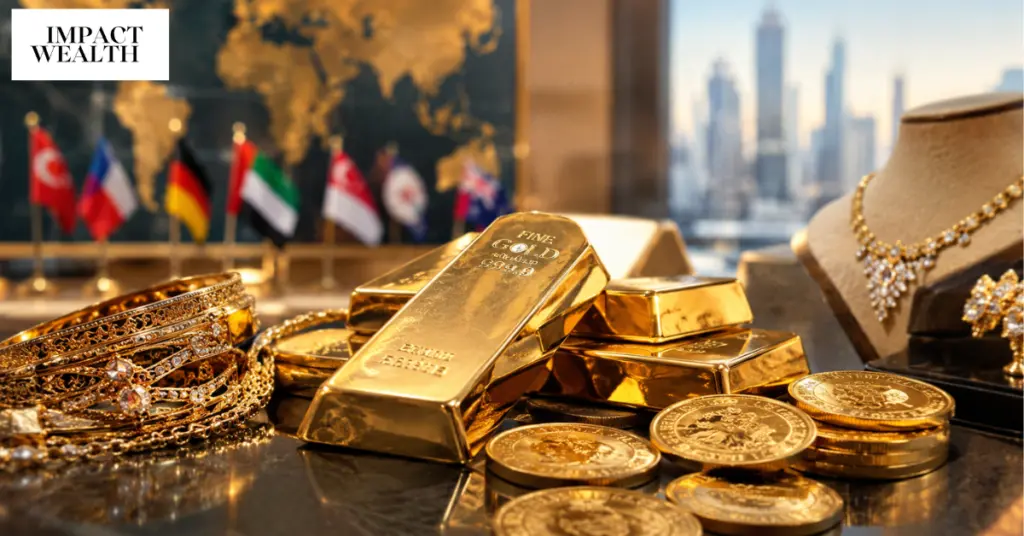
Gold has long been viewed as a safe-haven asset. It is a reliable store of wealth that has outlasted many monetary systems and currencies dating back to its discovery in ancient Egypt around 3,600 BCE. Due to its limited supply and independence from any specific government or central bank, it remains an incredibly attractive investment, particularly in times of crisis and geopolitical tension, acting as a hedge against economic uncertainty and inflation. Firms like Preserve Gold help investors access physical gold for delivery or retirement accounts. Preserve Gold offers an easy and stress-free way to purchase and store gold.
In January 2026, gold reached a record high in price, exceeding $5,500 an ounce. Despite a few dips in February and March, some analysts expected it to soar past $6,000 at some point in the near future, largely due to escalating military conflicts. Global equity markets experienced sharp declines during the onset of the current Middle East conflict involving the US, Iran, and Israel, coinciding with price increases for spot gold. Similar trends occurred when Russia invaded Ukraine in February 2022 and a few months into the COVID-19 pandemic.
Gold’s rising value during times of crisis is hardly a recent phenomenon. History offers multiple examples of how gold has functioned during periods of global conflict.
Why Gold Rises in Price
Wars and periods of escalating global tension generally have a massive effect on the economy, usually spiking inflation, disrupting supply chains, and causing steep declines in equity values. These uncertain economic conditions tend to negatively impact major stock indices like the S&P 500 and the NASDAQ Composite Index. As a reliable store of wealth for centuries that has preserved purchasing power, gold offers greater investment certainty and stability than these indices.
Within the first few days of the escalation of the recent Middle East crisis, spot gold gained between 6 percent to 8 percent in price per ounce, whereas the S&P 500 and NASDAQ Composite Index dropped between 3 percent and 4 percent. Just a few years ago, the onset of the Russia-Ukraine conflict drove the price of gold to a then all-time high of $2,450 per ounce. The same shift occurred during prior conflicts, including the Iraq War and Gulf War.
Central Banks Accelerate Purchases
Central banks also tend to increase their gold reserves during periods of sustained geopolitical tension, which further contributes to rising prices. By 2024, central banks were buying more gold than US Treasuries for the first time in 30 years. Moreover, 2024 marked the third consecutive year in which the world’s central banks had more than 1,102 tons in net gold purchases.
Strategic Reserves During the Cold War
The US and Soviet Union held significant gold reserves throughout the Cold War as a hedge against the potential compromise of conventional banking systems. Documents from this time highlight the importance of gold, both for maintaining operational capability and protecting against economic warfare tactics. In many cases, gold was viewed as a financial backstop—an asset that could retain value even if fiat currencies or banking systems became compromised.
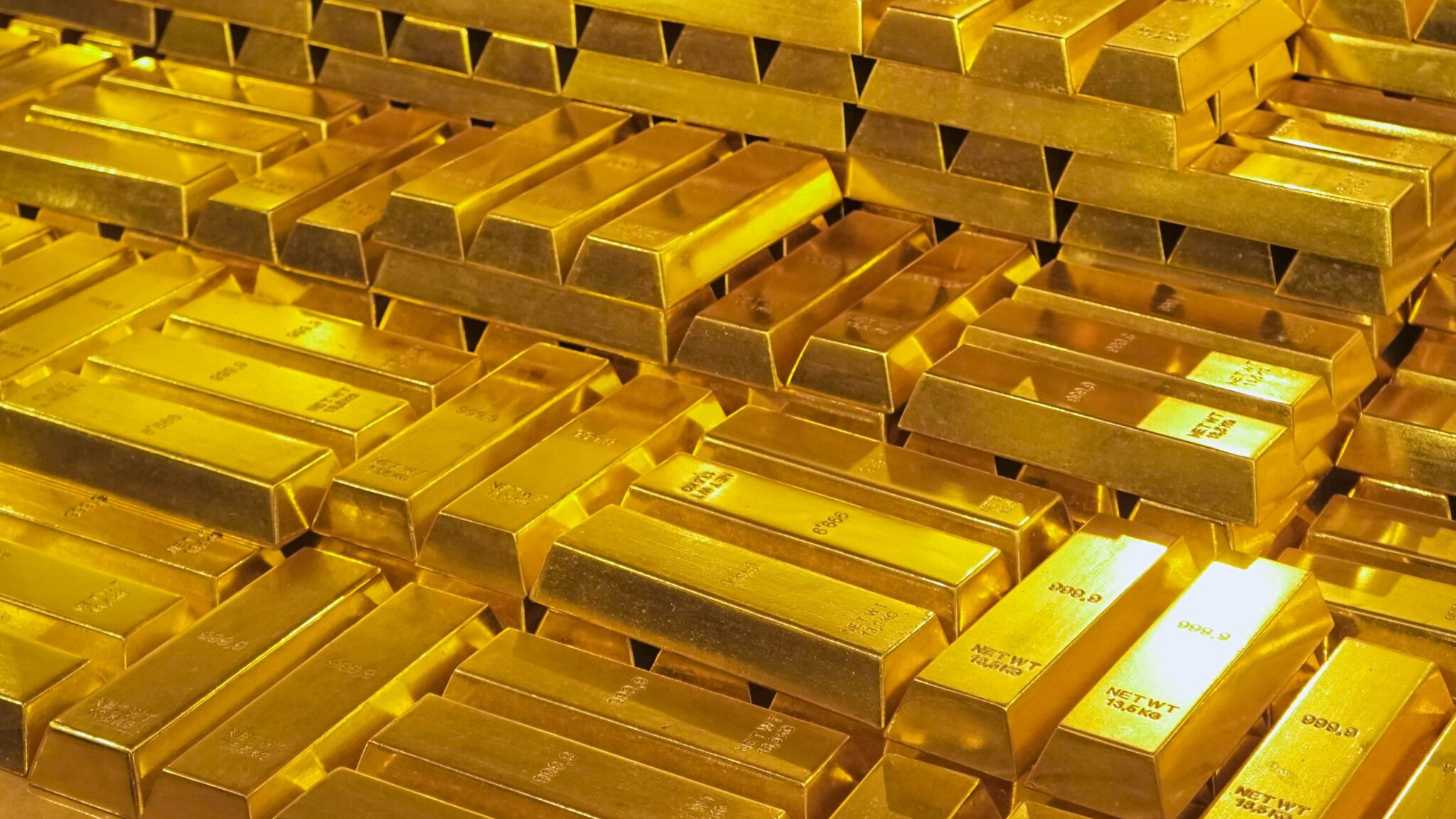
The US had the largest gold reserves in the world at this time, with more than 8,000 tons stored at Fort Knox, a highly classified—and protected—bunker at an Army base in Kentucky.
World Wars I and II
Gold was also highly sought after during World Wars I and II. The Allied Powers, with greater access to gold during World War I, had a distinct economic advantage over Germany and the Central Powers. South Africa accounted for about two-thirds of the British Empire’s gold production and also helped to block gold shipments to Germany, limiting their ability to import weapons and other wartime equipment.
The US built its gold vault inside Fort Knox in 1935, four years prior to World War II. Gold was equally as important during this global conflict, and Fort Knox and other vaults were critical in safeguarding the Allied Powers’ monetary reserves. With diminishing gold reserves by the onset of the war, Nazi Germany seized gold from conquered territories. Meanwhile, neutral countries rejected paper currency, instead asking for gold in return for essential war supplies.
Gold in the Roman Empire
Access to gold also played a major role in prior conflicts, including the American Civil War and Napoleonic Wars. But its importance during wartime goes back even further, with notable examples in ancient Egypt and the Roman Republic. Around 49 BCE, Julius Caesar took control of the gold reserve of the public treasury to fund a civil war against Pompey and his allies.
Future Outlook
Considering its sustained value through centuries, gold may have experienced notable price decreases and increases over time, but is widely considered a store of wealth and a safe-haven asset during times of crisis.
photo by depositphotos