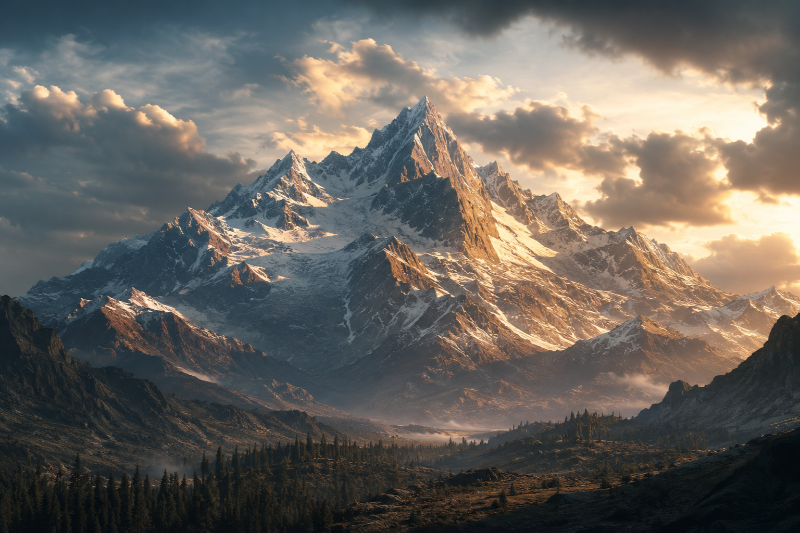
In an era when many famous mountain destinations struggle with overtourism, Dagestan mountain landscapes remain one of the world’s most remarkable hidden treasures. Located in the eastern Caucasus along the western shore of the Caspian Sea, Dagestan offers a dramatic combination of towering peaks, deep canyons, ancient settlements, and rugged wilderness that few international travelers have experienced.
While destinations such as the Alps and parts of the Himalayas attract millions of visitors every year, Dagestan continues to exist largely outside mainstream tourism. As a result, travelers seeking authentic encounters with nature and culture are increasingly turning their attention toward this extraordinary region.
The appeal of Dagestan lies not only in its scenery but also in the powerful sense of discovery it provides. Every winding mountain road reveals new cliffs, valleys, and villages that appear frozen in time. Consequently, the region has emerged as one of the most compelling examples of hidden destination tourism in 2026.
Understanding Dagestan’s Dramatic Geography
The beauty of the Dagestan mountains begins with their geological origins. The Caucasus Mountains formed through the ongoing collision of the Eurasian and Arabian tectonic plates, creating one of the most geologically dynamic regions on Earth.
Over millions of years, uplift, erosion, glaciation, and river activity shaped the extraordinary terrain visible today. Therefore, travelers encounter an astonishing variety of landforms within relatively short distances.
The region features:
- High mountain ridges exceeding 4,000 meters
- Deep river valleys and gorges
- Rocky plateaus and cliffs
- Alpine meadows
- Snow-covered peaks
- Limestone formations and canyons
- Fast-flowing mountain rivers
Unlike many heavily developed mountain regions, much of Dagestan retains a raw and untouched character. This contributes significantly to the region’s growing reputation among adventure travelers and landscape photographers.
Moreover, the contrast between the Caspian coastline and the mountainous interior creates one of the most visually diverse environments in the Caucasus.
From the Caspian Sea to the Highlands
One of the most fascinating aspects of Dagestan is the rapid transition between ecosystems.
Near the Caspian Sea, visitors encounter relatively low-lying terrain, warmer temperatures, and coastal landscapes. However, moving inland quickly reveals steep valleys, dramatic elevation changes, and increasingly rugged mountain scenery.
This contrast makes rugged landscapes Russia Caucasus enthusiasts particularly interested in Dagestan. Within a single day, travelers can experience:
- Coastal plains
- Rolling foothills
- Mountain forests
- Rocky highlands
- Alpine environments
As a result, the region delivers an exceptional variety of photographic and recreational opportunities.
Sulak Canyon: Dagestan’s Natural Masterpiece
Among all natural attractions, Sulak Canyon views stand out as perhaps the most iconic symbol of Dagestan’s mountain beauty.
The Sulak Canyon is one of the deepest canyons in Europe, carved by the Sulak River over thousands of years. Its immense walls plunge dramatically toward vivid turquoise waters below, creating scenes that rival some of the world’s most famous canyon systems.
Visitors often compare the experience to viewing a combination of the Grand Canyon and Norwegian fjords. Yet the canyon remains remarkably uncrowded.
Several viewpoints offer spectacular panoramas, including elevated observation platforms that reveal the full scale of the gorge. Furthermore, boat excursions on the river provide a completely different perspective of the towering cliffs.
The canyon has become a centerpiece of the emerging Dagestan travel guide 2026 experience and serves as a gateway to the broader mountain region.
Remote Villages and Ancient Stone Architecture
Beyond its natural wonders, Dagestan is famous for its remote mountain villages Dagestan travelers increasingly seek out.
Scattered throughout the mountains are settlements that have survived for centuries in relative isolation. Many villages are built directly into steep hillsides, using locally sourced stone and traditional construction techniques.
These communities demonstrate an extraordinary adaptation to mountainous terrain. Houses are often arranged in layered formations, with rooftops serving as pathways or courtyards for neighboring homes.
Comparison of Key Mountain Attractions
| Location Feature | Dagestan Advantage | Traveler Experience | Photography Value |
|---|---|---|---|
| Sulak Canyon | One of Europe’s deepest canyons | Dramatic viewpoints and river excursions | Exceptional landscape imagery |
| Highland Villages | Preserved traditional architecture | Cultural immersion and local interaction | Unique cultural photography |
| Mountain Passes | Minimal tourist traffic | Authentic exploration | Panoramic scenery |
| Alpine Meadows | Untouched natural environments | Hiking and trekking opportunities | Seasonal color contrasts |
| Remote Valleys | Strong cultural preservation | Off-the-beaten-path discovery | Rare visual compositions |
Villages such as ancient hilltop settlements showcase a living cultural heritage that remains deeply connected to the surrounding landscape.
Additionally, these settlements reveal how generations of residents adapted architecture, agriculture, and social structures to challenging mountain environments.
Seasonal Transformations Across the Mountains
The visual character of Dagestan mountain landscapes changes dramatically throughout the year.
Spring
Spring transforms valleys and meadows into vibrant displays of wildflowers and fresh vegetation. Snowmelt feeds rivers and waterfalls, adding energy to the landscape.
Summer
Summer offers ideal conditions for trekking and exploration. High-altitude meadows become lush and accessible, while mountain roads remain open.
Autumn
Many photographers consider autumn the most beautiful season. Forests and vegetation display rich golden and red hues, creating striking contrasts against rocky peaks.
Winter
Winter introduces a completely different atmosphere. Snow-covered mountains dominate the horizon, and remote villages appear even more isolated and dramatic.
Because each season offers unique visual experiences, repeat visits often reveal entirely different perspectives of the region.
Traditional Mountain Life and Cultural Heritage
One of the defining characteristics of Dagestan is the close relationship between landscape and culture.
Mountain communities have developed distinctive traditions shaped by geography, climate, and isolation. Consequently, visitors encounter a form of cultural authenticity that is increasingly rare in modern tourism.
Traditional practices still influence:
- Agriculture
- Livestock herding
- Local crafts
- Food preparation
- Community celebrations
- Architectural design
Unlike destinations where tourism has significantly altered local lifestyles, many Dagestani communities continue to maintain strong connections to long-established traditions.
This authenticity enhances the appeal of experiential travel, a trend that continues to gain momentum in 2026.
Why Adventure Travelers Are Paying Attention?
The global growth of adventure tourism has brought increasing attention to Caucasus trekking routes and remote mountain regions.
Dagestan offers a broad range of outdoor activities, including:
- Multi-day trekking
- Mountain hiking
- Photography expeditions
- Canyon exploration
- Cultural walking tours
- Wildlife observation
- Scenic road journeys
Furthermore, many routes remain relatively uncrowded compared with established European mountain destinations.
Adventure travelers often describe the experience as exploration rather than tourism. The feeling of discovering places largely untouched by international visitor flows creates a sense of excitement difficult to replicate elsewhere.
Photography Opportunities in Every Direction
For landscape photographers, Scenic nature Russia rarely appears more dramatic than in Dagestan.
The region combines several visual elements rarely found together:
- Towering cliffs
- Deep shadows and dramatic light
- Ancient architecture
- Mountain rivers
- High-altitude settlements
- Seasonal color variation
- Vast panoramic vistas
Sunrise and sunset frequently produce spectacular lighting conditions, especially across canyon systems and elevated viewpoints.
Additionally, the absence of large-scale development preserves natural sightlines that are increasingly difficult to find in more commercialized destinations.
Accessibility and Travel Routes
Although Dagestan remains relatively remote, accessibility has improved considerably in recent years.
Most travelers begin their journey through the regional capital before continuing toward mountain districts via road networks that connect major attractions and villages.
However, travel still requires flexibility.
Factors to consider include:
- Long driving distances
- Mountain road conditions
- Variable weather
- Limited public transportation in remote areas
- Language barriers in some regions
As a result, guided tours and local drivers often provide the most efficient means of reaching isolated locations.
Despite these challenges, improved infrastructure presents significant opportunities for sustainable tourism growth.
Sustainability and Conservation Challenges
The increasing popularity of hidden travel destinations raises important questions about conservation.
Many of Dagestan’s most beautiful locations remain environmentally sensitive. Therefore, tourism development must balance economic benefits with ecological preservation.
Key conservation priorities include:
- Protecting mountain ecosystems
- Preserving wildlife habitats
- Managing visitor impacts
- Supporting traditional communities
- Preventing uncontrolled development
Organizations focused on Caucasus conservation emphasize the importance of sustainable tourism models that benefit local populations while maintaining environmental integrity.
Fortunately, the relatively early stage of tourism growth provides an opportunity to avoid mistakes seen in heavily visited destinations.
Why Dagestan Fits Major Travel Trends in 2026?
Several global travel trends have contributed to growing interest in Dagestan.
Demand for Hidden Destinations
Travelers increasingly seek alternatives to crowded tourist hotspots. Dagestan perfectly aligns with this desire for discovery.
Search for Untouched Nature
Interest in untouched mountain regions continues to rise as travelers prioritize meaningful connections with natural environments.
Cultural Immersion
Modern travelers increasingly value authentic interactions with local communities rather than standardized tourist experiences.
Adventure Tourism Expansion
Outdoor recreation and exploration remain among the fastest-growing travel segments globally.
Authentic Storytelling
Many visitors now seek journeys that generate memorable stories and personal discoveries. Dagestan offers these experiences in abundance.
Unique Insight: Why Dagestan Stands Apart from the Alps and Himalayas
While comparisons with famous mountain regions are inevitable, Dagestan occupies a distinct position among global mountain destinations.
Limited Mass Tourism
Unlike the Alps, Dagestan has not been extensively commercialized. Visitors often experience landscapes without crowds, resort infrastructure, or heavily developed tourism corridors.
Preserved Cultural Authenticity
Many communities maintain traditions that remain deeply integrated into daily life rather than being presented solely for tourists.
Extraordinary Geological Diversity
The combination of canyons, cliffs, valleys, rivers, and mountain peaks creates exceptional visual variety within a relatively compact region.
Untouched Visual Character
Large portions of the landscape retain a wild appearance that has disappeared from many internationally famous mountain destinations.
Isolation Combined with Hospitality
Perhaps most importantly, Dagestan offers a unique contrast between geographical isolation and strong traditions of hospitality. Travelers frequently report that local interactions become among the most memorable aspects of their journey.
The Future of Dagestan Tourism
Looking ahead, Dagestan appears positioned for gradual growth rather than rapid mass tourism.
This measured development could become one of its greatest strengths. If carefully managed, the region can preserve its unique character while creating economic opportunities for mountain communities.
For travelers seeking genuine exploration, the timing may be ideal. The region remains relatively undiscovered while becoming increasingly accessible to responsible visitors.
As awareness grows, Dagestan mountain landscapes may become one of the defining examples of sustainable adventure travel in the Caucasus.
Frequently Asked Questions
What are Dagestan mountain landscapes like?
Dagestan mountain landscapes feature dramatic peaks, deep canyons, alpine meadows, ancient stone villages, and rugged valleys shaped by millions of years of geological activity.
Is Dagestan safe for travel in 2026?
Many travelers visit Dagestan successfully in 2026, particularly through organized tours or with local guides. Travelers should always monitor current travel advisories and follow local regulations.
What is the best time to visit Dagestan mountains?
Late spring, summer, and early autumn generally offer the most favorable conditions for hiking, photography, and exploring remote mountain regions.
How do you reach remote villages in Dagestan?
Most remote villages are accessible by road, although travel times can be long. Local drivers and guided tours are often the most practical transportation options.
What makes Dagestan mountain landscapes unique?
Dagestan mountain landscapes combine untouched wilderness, dramatic geology, preserved cultural traditions, and minimal tourism, creating a distinctive travel experience.
Can tourists visit Sulak Canyon?
Yes. Sulak Canyon is one of Dagestan’s most popular attractions and can be visited through viewpoints, guided excursions, and river-based experiences.
Is Dagestan good for adventure tourism?
Absolutely. The region offers trekking, hiking, photography expeditions, mountain exploration, and cultural discovery opportunities.
What are the best trekking routes in Dagestan?
Popular trekking areas include highland valleys, remote mountain villages, alpine passes, and scenic routes connecting historic settlements.
Why are Dagestan mountains becoming popular?
Growing interest in hidden destinations, authentic travel experiences, and uncrowded natural environments has increased global attention on the region.
What should travelers know before visiting Dagestan?
Travelers should prepare for mountainous terrain, variable weather, limited infrastructure in remote areas, and the benefits of local guides for cultural and logistical support.