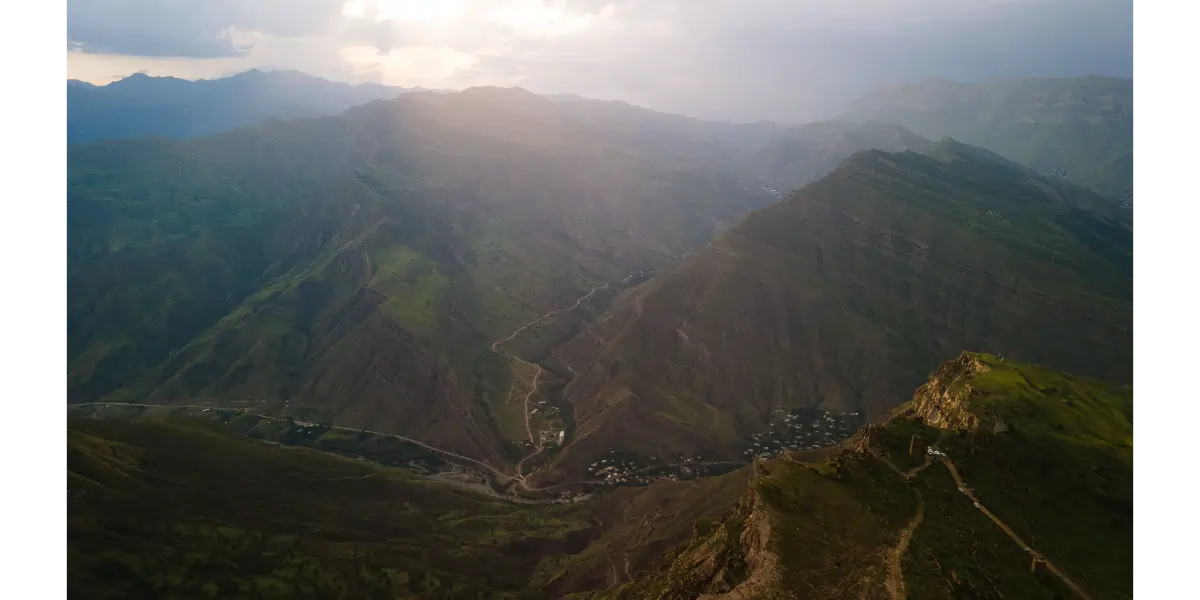
In an era when many of the world’s most famous landmarks are struggling with overtourism, adventurous travelers are increasingly searching for places that still feel undiscovered. The global appetite for authentic experiences, remote landscapes, and meaningful cultural encounters has shifted attention away from crowded tourism hotspots and toward regions that remain largely untouched by mass travel. Among these emerging frontiers, one destination is quietly capturing the imagination of explorers, photographers, trekkers, and cultural travelers alike: Dagestan.
The idea of a Dagestan adventure destination may still be unfamiliar to many international travelers, but its combination of soaring Caucasus peaks, dramatic canyons, centuries-old mountain villages, and deeply rooted traditions makes it one of the most intriguing places to watch in the evolving adventure tourism landscape. As experiential and nature-first travel continues to grow in 2026, Dagestan offers exactly what many modern travelers seek—raw beauty, cultural authenticity, and the thrill of discovering somewhere that has not yet been transformed by large-scale commercial tourism.
The Geography of Dagestan and the Caucasus Mountains
Located in the northeastern Caucasus, Dagestan is a republic positioned between the Caspian Sea and the towering ridges of the Greater Caucasus Mountains. The region’s geography is astonishingly diverse, ranging from semi-arid lowlands and rolling hills to rugged alpine terrain and isolated mountain valleys.
The Dagestan mountains form part of one of Eurasia’s most spectacular landscapes. Steep limestone cliffs, narrow river gorges, high plateaus, and remote settlements create an environment that feels closer to an explorer’s journal than a conventional tourist itinerary. For hikers and outdoor enthusiasts, the terrain provides endless opportunities for trekking, climbing, and off-the-beaten-path exploration.
Unlike many established mountain destinations where trails and viewpoints are heavily developed, much of Dagestan retains a sense of wilderness. This relative lack of commercialization has become one of its greatest attractions for travelers seeking immersive experiences rather than curated attractions.
Sulak Canyon: The Natural Wonder Defining Dagestan
Any discussion of the Dagestan adventure destination phenomenon begins with Sulak Canyon. Stretching more than 50 kilometers and plunging to depths of nearly 2,000 meters in places, Sulak Canyon Dagestan is often compared to some of the world’s most iconic geological formations.
The turquoise waters of the Sulak River cut dramatically through towering cliffs, creating landscapes that rival the visual grandeur of destinations like the Grand Canyon while remaining comparatively unknown outside regional travel circles. Observation platforms, boat excursions, and nearby hiking routes allow visitors to experience the canyon from multiple perspectives.
For photographers and content creators, Sulak Canyon is particularly compelling. Sunrise and sunset transform the canyon walls into shifting palettes of gold and crimson, while drone photography has helped introduce its dramatic scenery to a global audience through social media platforms. In many ways, Sulak Canyon symbolizes the appeal of modern discovery travel: breathtaking, visually unique, and still relatively uncrowded.
Remote Villages and Highland Culture
One of Dagestan’s defining strengths is that its appeal extends beyond natural scenery. The republic is home to dozens of ethnic groups and languages, creating one of the most culturally diverse regions in Eurasia.
Scattered across the mountains are ancient stone villages that appear almost suspended in time. Communities such as Gamsutl, often referred to as a “ghost village,” and other highland settlements showcase traditional architecture adapted to the harsh mountain environment. Narrow pathways, terraced landscapes, and centuries-old defensive structures reveal a rich history shaped by geography and resilience.
For travelers, these villages provide opportunities for meaningful cultural immersion. Local hospitality remains a cornerstone of life in the Caucasus, and visitors frequently describe encounters with families, artisans, and guides as among the highlights of their journeys. Sharing traditional meals, learning about local crafts, and hearing stories about mountain life create experiences that cannot easily be replicated in more commercialized destinations.
Trekking and Hiking Opportunities Across the Caucasus
Adventure tourism increasingly revolves around active exploration, and Dagestan is exceptionally well positioned to meet that demand. The region’s varied topography supports a growing network of Caucasus trekking routes that range from moderate day hikes to demanding multi-day expeditions.
Popular activities include:
- Mountain trekking through remote valleys.
- Hiking between highland villages.
- Canyon and ridge exploration.
- Wildlife and nature observation.
- Photography-focused expeditions.
- Multi-day camping adventures.
The appeal of rugged mountain travel lies not only in the physical challenge but also in the feeling of genuine discovery. Many routes remain lightly trafficked, allowing trekkers to experience solitude that has become increasingly rare in famous alpine destinations.
Compared with the heavily regulated trails of Western Europe or the crowded trekking circuits of the Himalayas, Dagestan offers a more exploratory atmosphere. Guided tours are becoming more common, making the region increasingly accessible while preserving the sense of adventure that draws travelers there.
Why Hidden Travel Destinations Are Trending?
The rise of the Dagestan adventure destination reflects broader changes in global tourism behavior. Travelers are increasingly moving away from checklist tourism and seeking experiences that feel personal, authentic, and unique.
Several trends are driving this shift:
Demand for Authentic Cultural Experiences
Modern travelers increasingly value direct interaction with local communities over standardized tourism products. Destinations where traditions remain an active part of daily life are becoming especially attractive.
Escape from Overcrowded Tourist Hubs
Cities and iconic landmarks around the world have faced growing concerns about congestion and overtourism. Lesser-known regions provide a more relaxed and immersive alternative.
Experiential Travel Growth in 2026
Industry analysts continue to identify experiential travel as one of the defining trends of 2026. Adventure activities, local storytelling, culinary exploration, and nature immersion are replacing passive sightseeing.
Social Media and Discovery Travel
Platforms centered around visual storytelling have accelerated interest in hidden travel destinations. Stunning images of mountain villages, dramatic canyons, and untouched landscapes encourage travelers to seek places that feel fresh rather than familiar.
Comparison: How Dagestan Stands Against Other Adventure Regions?
| Destination Factor | Dagestan Advantage | Traveler Experience | Adventure Value |
|---|---|---|---|
| Natural Landscapes | Untouched mountains and deep canyons | Remote and immersive | Very High |
| Cultural Authenticity | Diverse ethnic heritage and living traditions | Genuine local interaction | Very High |
| Crowds | Minimal international tourism | Peaceful exploration | High |
| Photography Appeal | Dramatic terrain and unique villages | Exceptional visual storytelling | Very High |
| Cost Potential | Often more affordable than established alpine destinations | Longer, deeper travel experiences | High |
| Sense of Discovery | Emerging rather than mainstream | Memorable “hidden gem” feeling | Exceptional |
Comparing Dagestan with the Alps, Georgia, and Nepal
Adventure travelers often compare new destinations with established mountain regions. Each offers unique strengths, but Dagestan occupies an interesting niche.
The Alps provide world-class infrastructure, reliable transportation, and highly developed tourism services. However, many popular alpine areas experience heavy visitor numbers, especially during peak seasons.
Georgia, another Caucasus destination, has successfully positioned itself as an adventure tourism hub with excellent trekking opportunities and vibrant hospitality. Dagestan shares similar landscapes but remains less explored, offering a stronger sense of discovery.
Nepal continues to define high-altitude trekking and mountaineering. Yet many of its iconic routes attract thousands of visitors annually. Dagestan, while different in scale and altitude, appeals to travelers seeking mountain adventure without the density of established trekking circuits.
In essence, Dagestan may not replace these destinations, but it complements them by offering authenticity, solitude, and novelty.
Accessibility and Travel Infrastructure
A common question surrounding emerging travel destinations concerns accessibility. Dagestan’s infrastructure remains less developed than that of mature tourism markets, but gradual improvements are increasing its appeal.
Regional airports, expanding road networks, and a growing number of local tour operators have made key attractions more reachable than ever before. Accommodation options are also diversifying, with family-run guesthouses, boutique stays, and eco-lodges beginning to complement traditional hotels.
Infrastructure limitations remain a challenge, particularly in remote mountain areas, but many adventure travelers see this as part of the destination’s appeal rather than a drawback. The balance between improved access and preserving authenticity will likely shape Dagestan’s tourism future.
Safety Considerations and the Importance of Guided Travel
Safety is a crucial consideration for any adventure destination. Travelers should always research current travel advisories, local regulations, and regional conditions before planning a trip.
For many visitors, joining organized tours or hiring experienced local guides offers the best combination of safety, cultural insight, and logistical convenience. Guided travel can help navigate language differences, remote terrain, and transportation challenges while supporting local economies.
Responsible planning, respect for local customs, and awareness of environmental conditions are essential for a successful journey through the Caucasus.
Seasonal Travel Conditions
Dagestan’s varied geography creates distinct travel seasons.
- Spring: Green valleys, blooming landscapes, and moderate temperatures make this an excellent time for hiking and photography.
- Summer: Ideal for mountain trekking, though lower elevations can become warm.
- Autumn: Crisp air, colorful foliage, and stable weather attract photographers and outdoor enthusiasts.
- Winter: Snow transforms higher elevations, offering unique scenery, though access to some remote areas may be limited.
Many experienced travelers consider late spring and early autumn the best periods for combining comfortable conditions with spectacular landscapes.
Conservation and Sustainable Tourism Development
As interest in emerging travel destinations grows, sustainability becomes increasingly important. Dagestan’s natural environment remains one of its greatest assets, and preserving that character will be essential if tourism continues to expand.
Eco-tourism principles can play a significant role in shaping development by encouraging:
- Responsible trekking practices.
- Support for local guides and family businesses.
- Conservation of wildlife habitats.
- Protection of traditional villages and cultural heritage.
- Low-impact infrastructure projects.
Organizations focused on the preservation of the Caucasus ecosystem have emphasized the importance of balancing economic opportunity with environmental stewardship. If managed carefully, tourism could become a valuable tool for supporting local communities while safeguarding the region’s landscapes.
The Unique Appeal of the Dagestan Adventure Destination
What truly distinguishes the Dagestan adventure destination concept is the rare convergence of several qualities that are becoming increasingly difficult to find in modern tourism.
Extreme Natural Beauty
Few regions combine towering mountains, dramatic canyons, alpine plateaus, and Caspian landscapes within such a relatively compact area. Beyond its famous landmarks, Dagestan is filled with hidden natural beauty secluded valleys, untouched highland meadows, remote villages perched on cliffs, and lesser-known trails that reward travelers with breathtaking views rarely seen by mass tourism.
Cultural Authenticity
Local traditions remain deeply embedded in daily life, creating opportunities for genuine interaction rather than staged cultural performances.
Minimal Commercialization
The absence of mass-market tourism infrastructure allows travelers to experience places that still feel undiscovered and unfiltered.
High Visual Storytelling Value
From Sulak Canyon to ancient mountain villages, Dagestan offers imagery that resonates strongly in the digital era, where travel inspiration often begins through photography and video.
The Emotional Experience of Discovery
Perhaps most importantly, Dagestan provides the feeling of finding somewhere new. In a world where many destinations have become instantly recognizable, the emotional reward of exploration itself has become a rare luxury.
How Dagestan Could Shape the Future of Adventure Travel in 2026?
Looking ahead, Dagestan may become a symbol of the next generation of adventure tourism. Several factors support this possibility.
First, travelers are showing increasing interest in unexplored regions that offer authenticity and depth. Second, influencer-driven discovery travel has amplified awareness of visually extraordinary places outside traditional tourism circuits. Third, gradual improvements in transportation and hospitality infrastructure are making the region more accessible without fundamentally altering its character.
The challenge will be maintaining the balance between tourism growth and environmental preservation. Sustainable planning, community involvement, and thoughtful development can help ensure that increasing visitor numbers do not undermine the qualities that make Dagestan special.
As the broader Caucasus travel region gains recognition, Dagestan has the opportunity to position itself as a flagship destination for adventure, culture, and responsible exploration.
Final Thoughts
The future of adventure tourism may not belong exclusively to the world’s most famous mountain ranges or established travel icons. Increasingly, it belongs to places that combine authenticity, natural beauty, and the promise of genuine discovery. Dagestan embodies all three.
Its towering Caucasus landscapes, breathtaking canyons, resilient mountain communities, and untouched wilderness create an experience that feels both timeless and refreshingly new. While infrastructure and accessibility continue to evolve, these very limitations have helped preserve the region’s character.
For travelers seeking more than a postcard destination—for those looking for challenge, connection, and the excitement of exploring beyond the ordinary—Dagestan may well emerge as one of the defining adventure destinations of 2026 and beyond.
Frequently Asked Questions
What is a Dagestan adventure destination?
A Dagestan adventure destination refers to the region’s appeal as a place for trekking, canyon exploration, mountain travel, cultural immersion, and nature-based experiences in the Caucasus.
Is Dagestan safe for adventure travel?
Safety depends on current local conditions and responsible trip planning. Travelers should review official travel advisories, follow local guidance, and consider guided tours for remote areas.
What is Dagestan famous for in tourism?
Dagestan is known for its dramatic mountains, Sulak Canyon, remote highland villages, diverse cultures, and authentic adventure experiences.
Can you hike in the Dagestan mountains?
Yes. The Dagestan mountains offer a variety of hiking and trekking opportunities, from scenic day routes to challenging multi-day expeditions.
What is the best time to visit Dagestan?
Late spring and early autumn are generally considered the best seasons, offering pleasant weather and ideal conditions for outdoor activities.
How do you travel to Sulak Canyon?
Most visitors reach Sulak Canyon by road from regional transport hubs, often as part of organized tours or private guided excursions.
Is Dagestan good for trekking and nature travel?
Absolutely. Its rugged terrain, remote landscapes, and relatively untouched environment make it one of the most promising untouched nature destinations for adventure travelers.
What makes Dagestan unique for adventure tourism?
Its combination of dramatic geography, cultural diversity, minimal commercialization, and authentic local experiences creates a distinctive travel offering.
Why is Dagestan becoming popular in 2026?
Growing demand for off the beaten path travel, social media exposure, and interest in emerging destinations are helping bring Dagestan to the attention of adventurous global travelers.
What should travelers know before visiting Dagestan?
Visitors should research current travel information, respect local customs, prepare for mountainous terrain, and consider using local guides to enhance safety and cultural understanding.