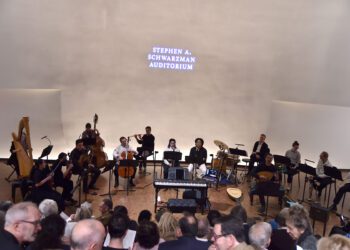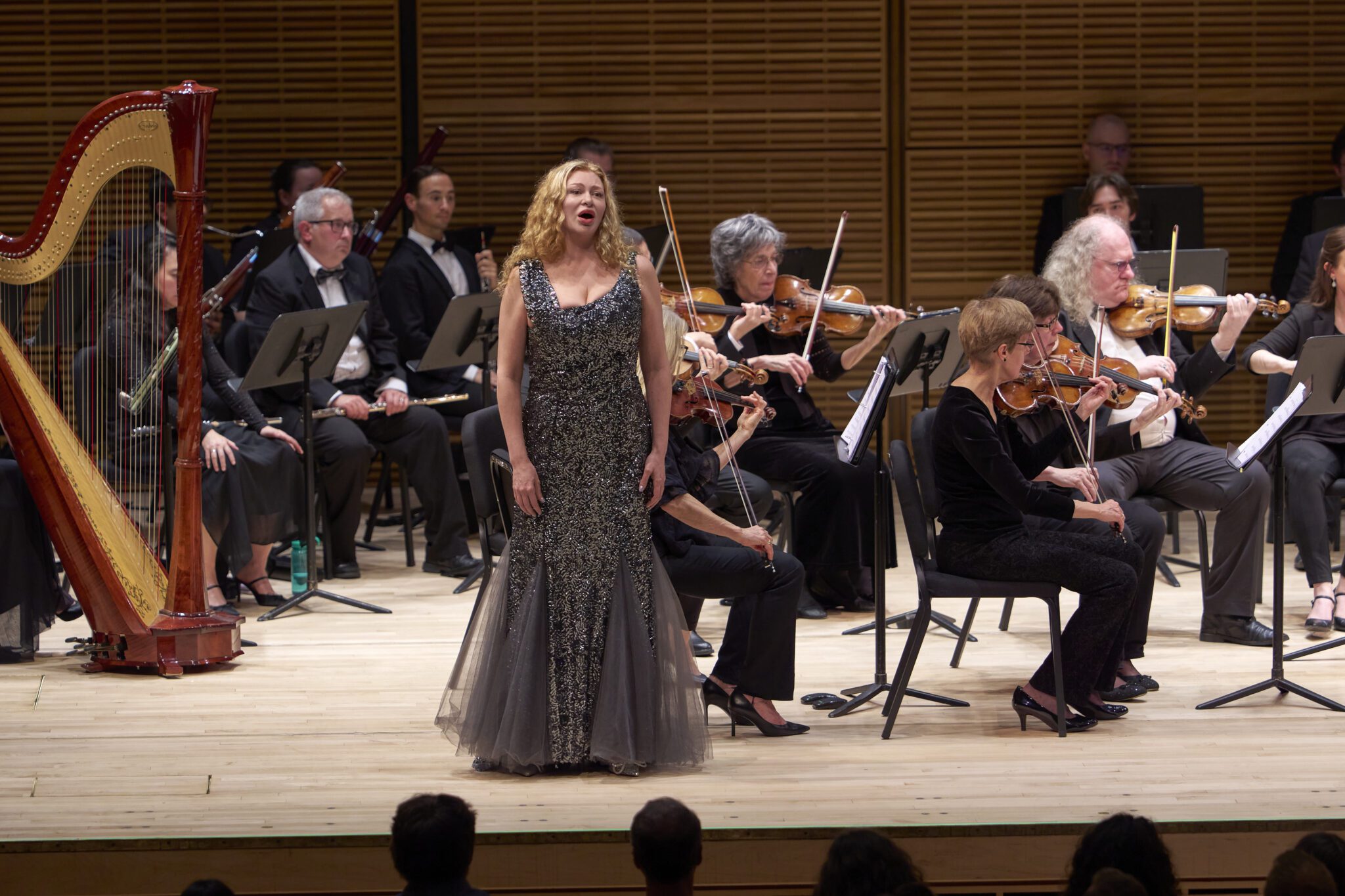
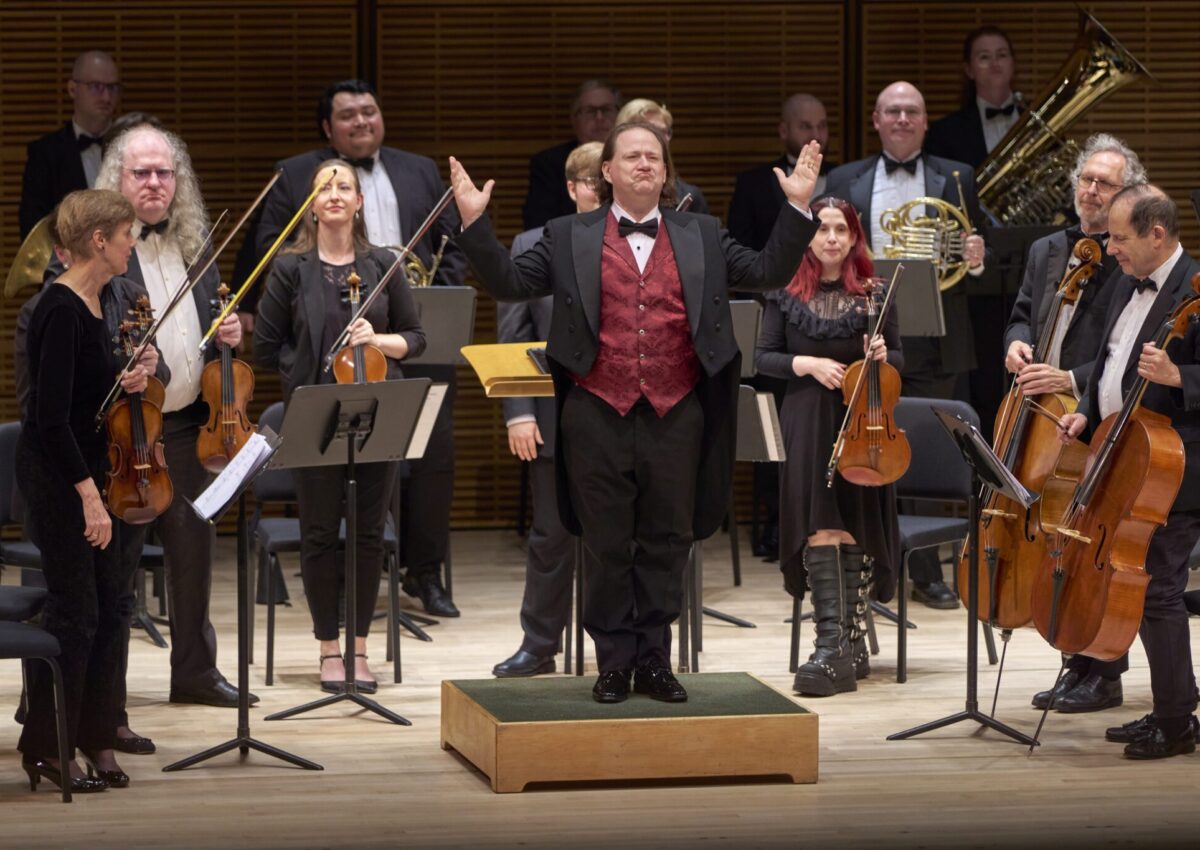
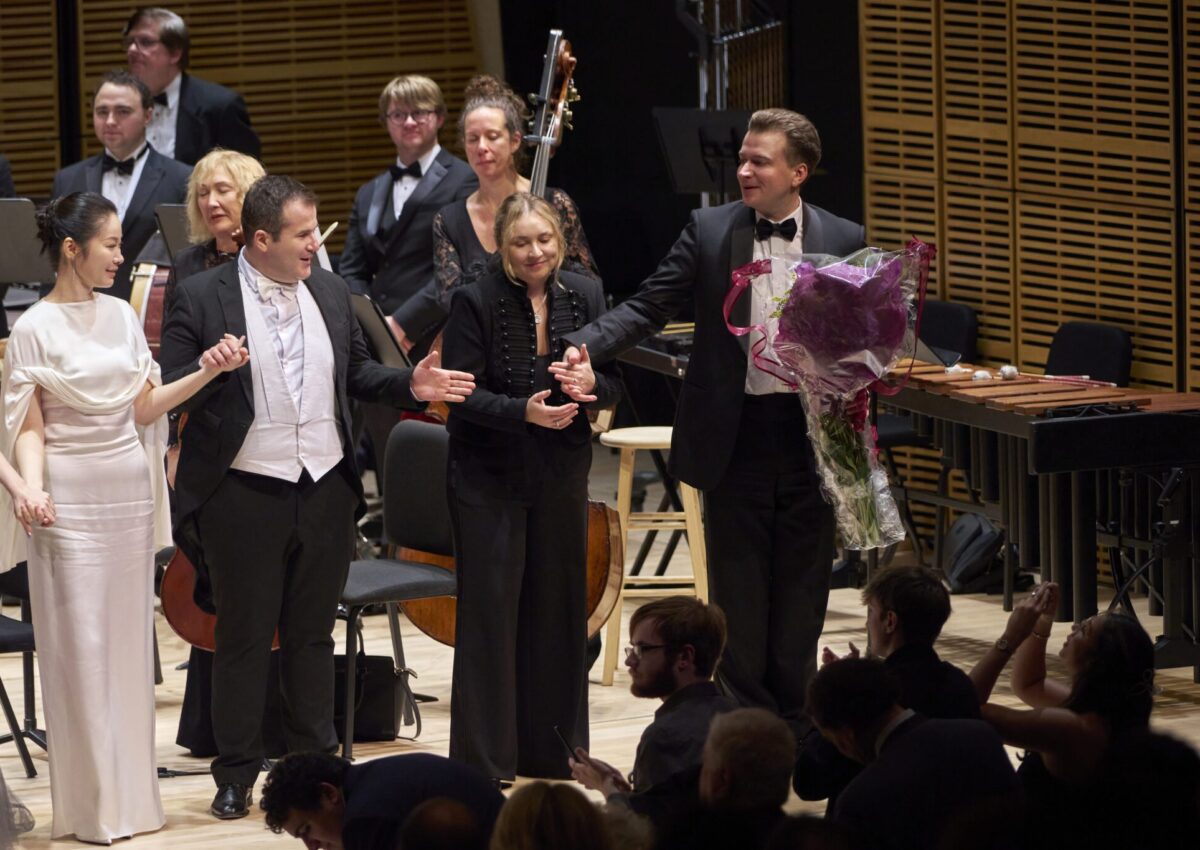
When Renaissance-21 took the stage at Carnegie Hall’s Zankel Hall, the audience witnessed a rare moment in classical music history. The evening featured the world premiere of Sergei Rachmaninoff’s long-lost Suite in D Minor, alongside four additional world premieres and two U.S. premieres. It was a night that honored the past while making room for the future of contemporary classical music.
A Masterpiece Written at 18
Rachmaninoff composed the Suite in D Minor when he was just 18 years old. The young composer gave the original manuscript to his mentor, who shared it with Pyotr Ilyich Tchaikovsky for review. The score then vanished, and for more than a century its whereabouts remained unknown. It was finally rediscovered in Moscow in 2001.
Bringing the work to life for a modern orchestra fell to Teodor Doré, the pianist, composer, and founder of Renaissance-21. With the endorsement of the Rachmaninoff family, Doré took on the task of orchestrating the suite, a project that demanded both scholarly care and creative sensitivity.
“I had worked on this orchestration for nearly two years,” said Doré.
Celebrating the New Through the Old
The concert was made possible, in part, by the support of Barbara Tober, who spoke warmly about the significance of the rediscovery.
“We thrive on the NEW, so a rediscovered Rachmaninoff manuscript is news to celebrate,” said Tober. “Bravo to Teodor for pursuing this discovery and elevating it with great care. I am proud to have supported this project, and I hope it will inspire you too.”
An Evening of Premieres
The program opened with Doré’s The Titans of Renaissance, a work written especially for the occasion. Composer Ilya Golubovich then introduced his own piece, Ad Vegam, to the audience.
Two works received their first U.S. performances that evening. The first was Doré’s La Suite Romana. The second was Omar Nieto’s Elegy for a Flower from Heaven, a deeply personal piece that Nieto dedicated to his late niece.
Nieto was selected through Renaissance-21’s inaugural Open Call, an initiative that invites free submissions from composers around the world. The program was created to give contemporary classical composers a meaningful platform to share their work with new audiences.
Doré explained the larger vision behind the organization. “Renaissance-21 seeks to reaffirm the enduring significance of artistic creation,” he said. “We understand the Renaissance not only as a historical period, but as a recurring possibility within civilization.”
Classics and Operatic Highlights
Alongside the new works, the evening also celebrated beloved classics. The program included Beethoven’s Piano Concerto No. 1 and Rachmaninoff’s Vocalise. Soprano Anastasiya Roytman performed operatic selections by Gounod, Dvořák, and Lehár, adding a lyrical dimension to the night.
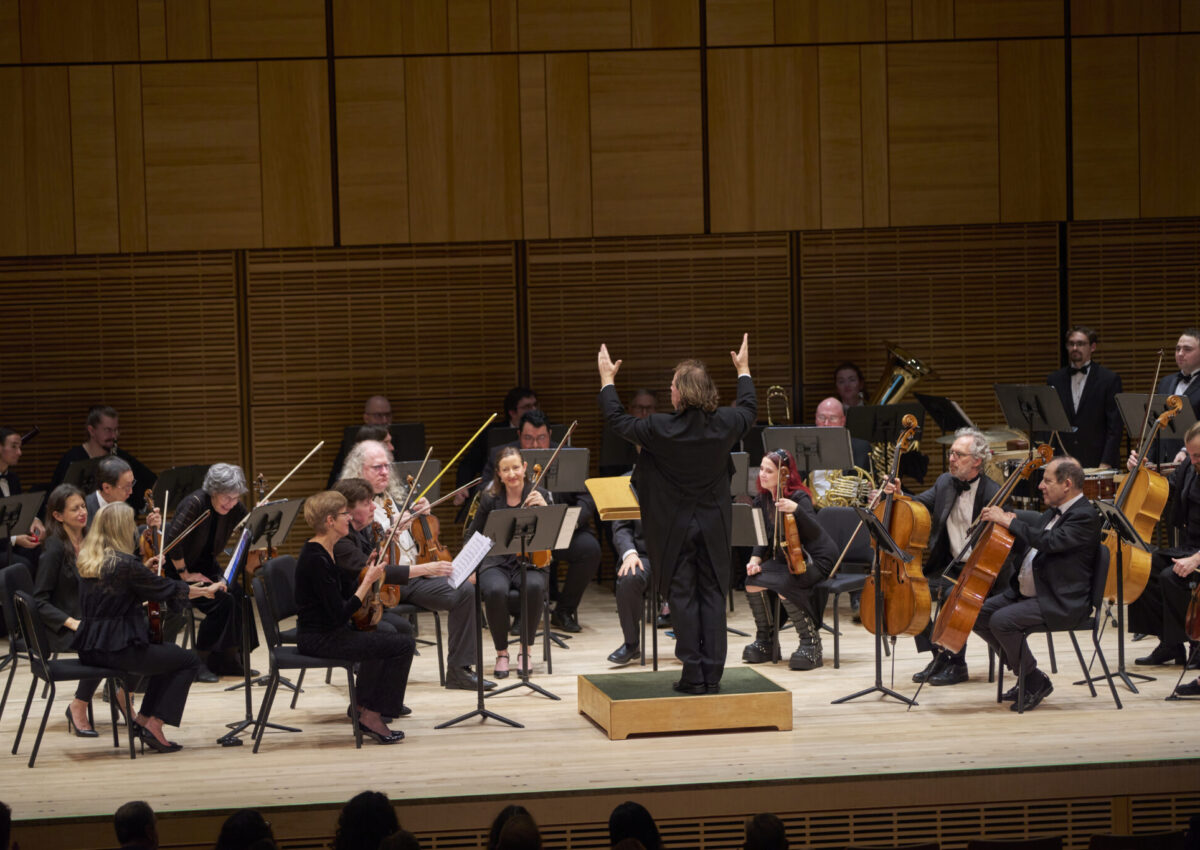
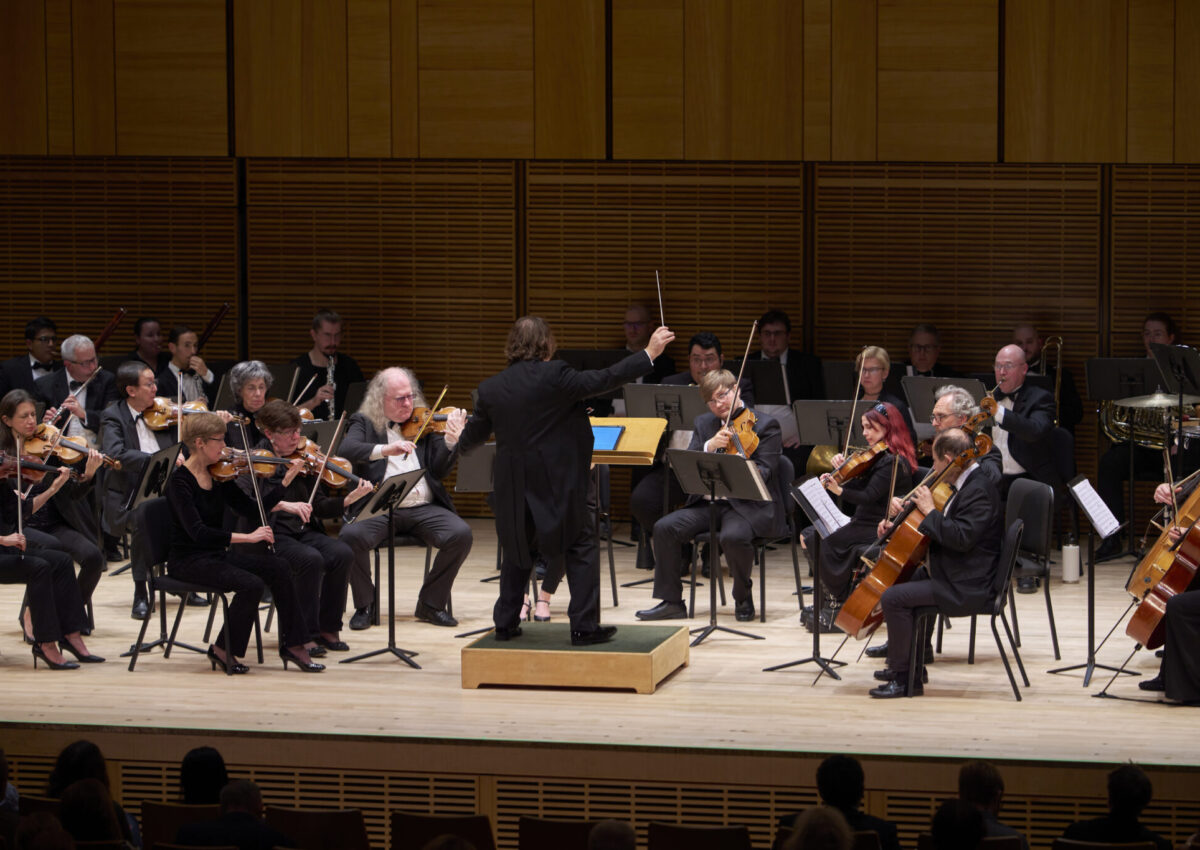
The MidAtlantic Philharmonic Orchestra, under the direction of Maestro Jason Tramm, performed throughout the evening and was joined by guest conductor Olsi Qinami.
A Distinguished Audience
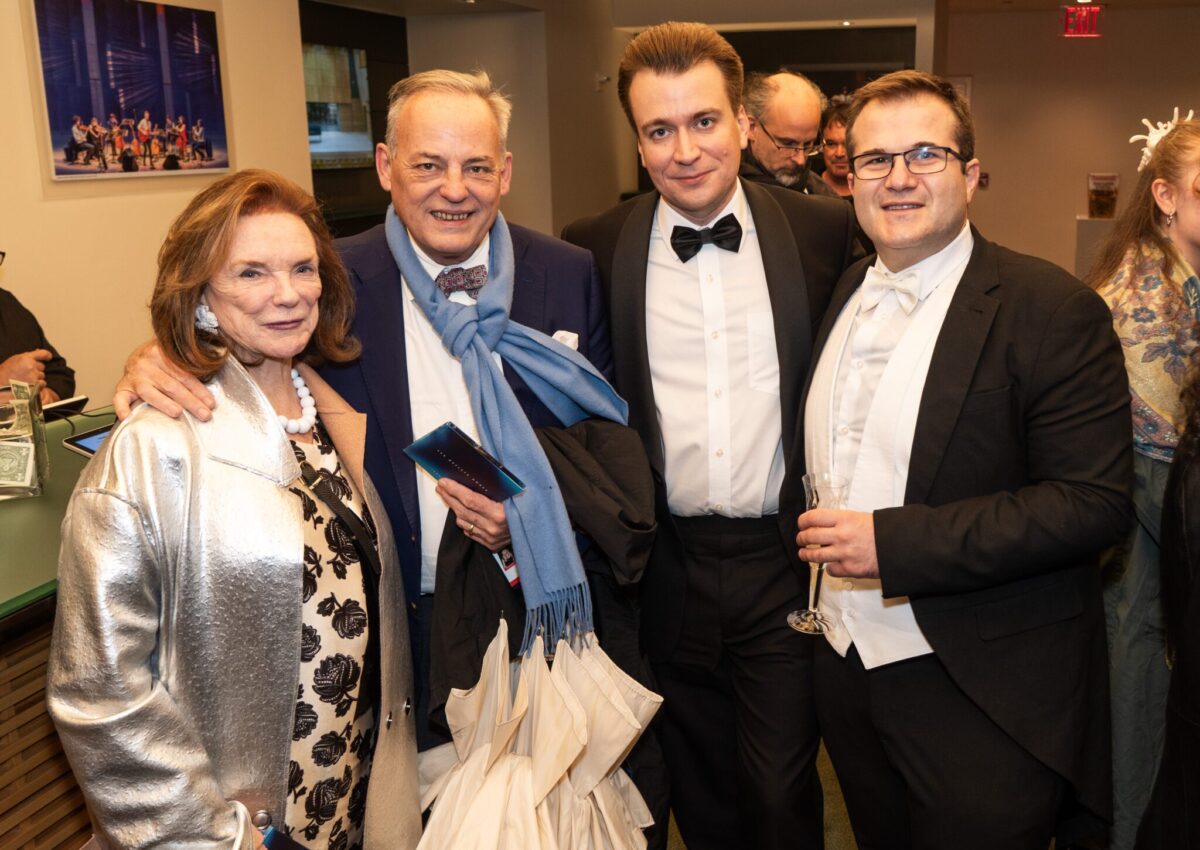
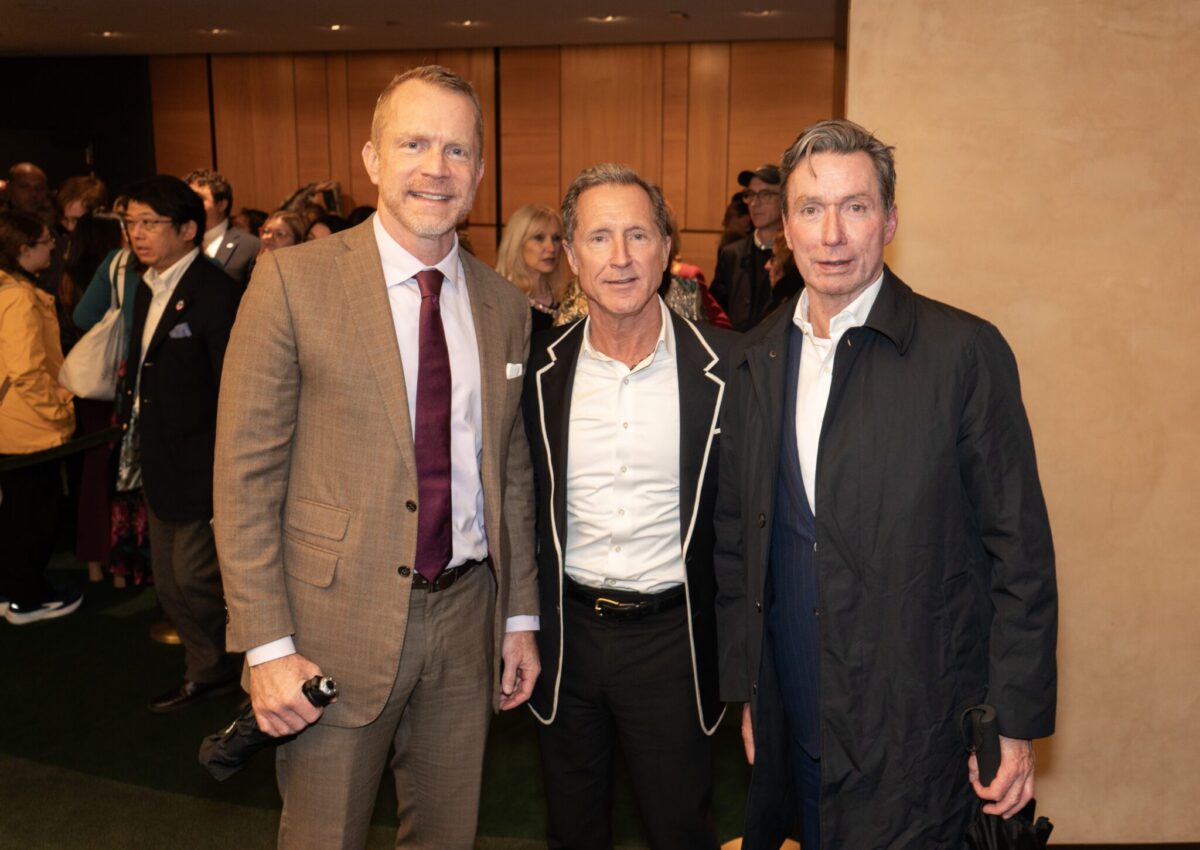
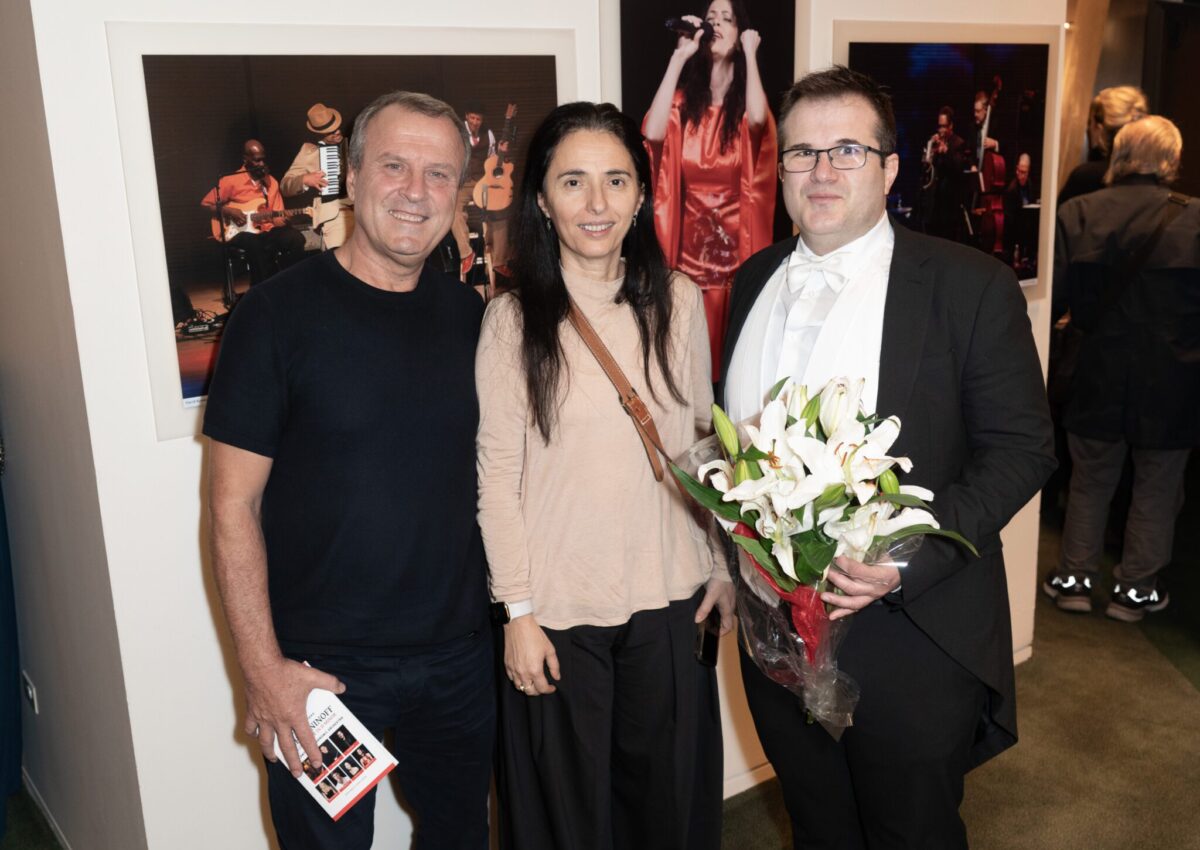
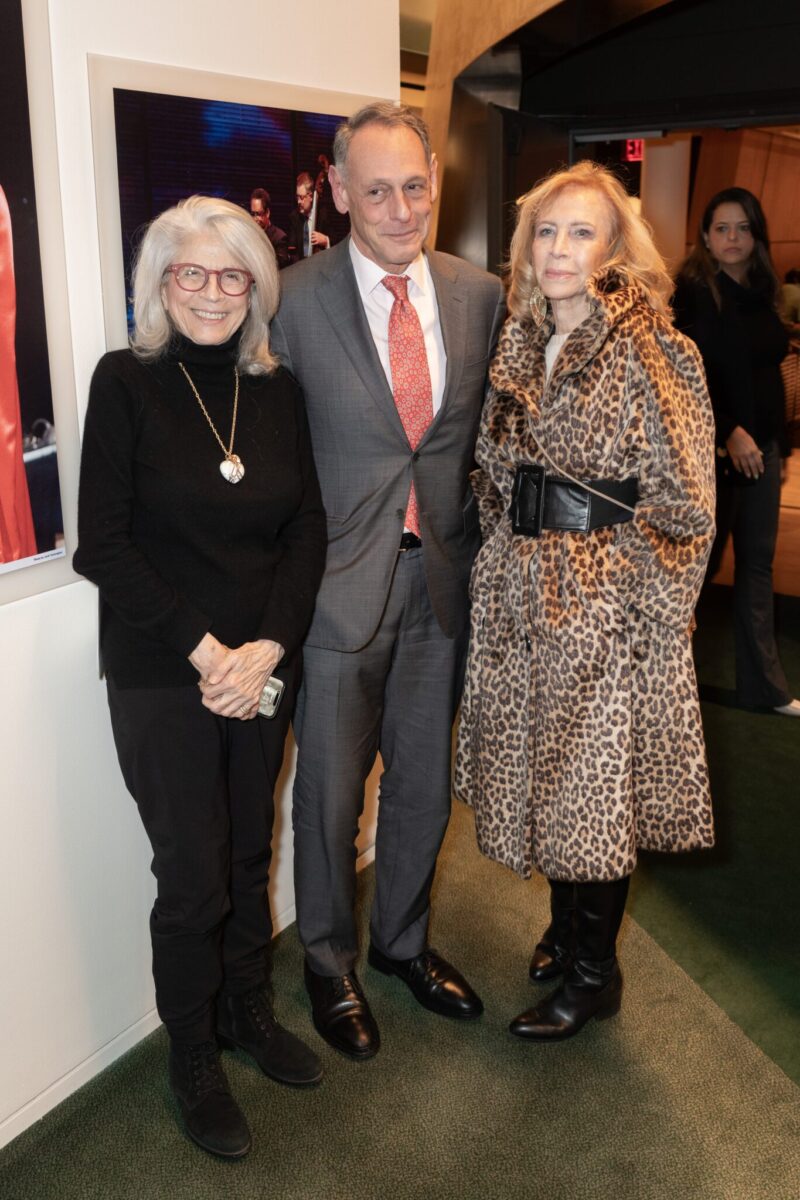
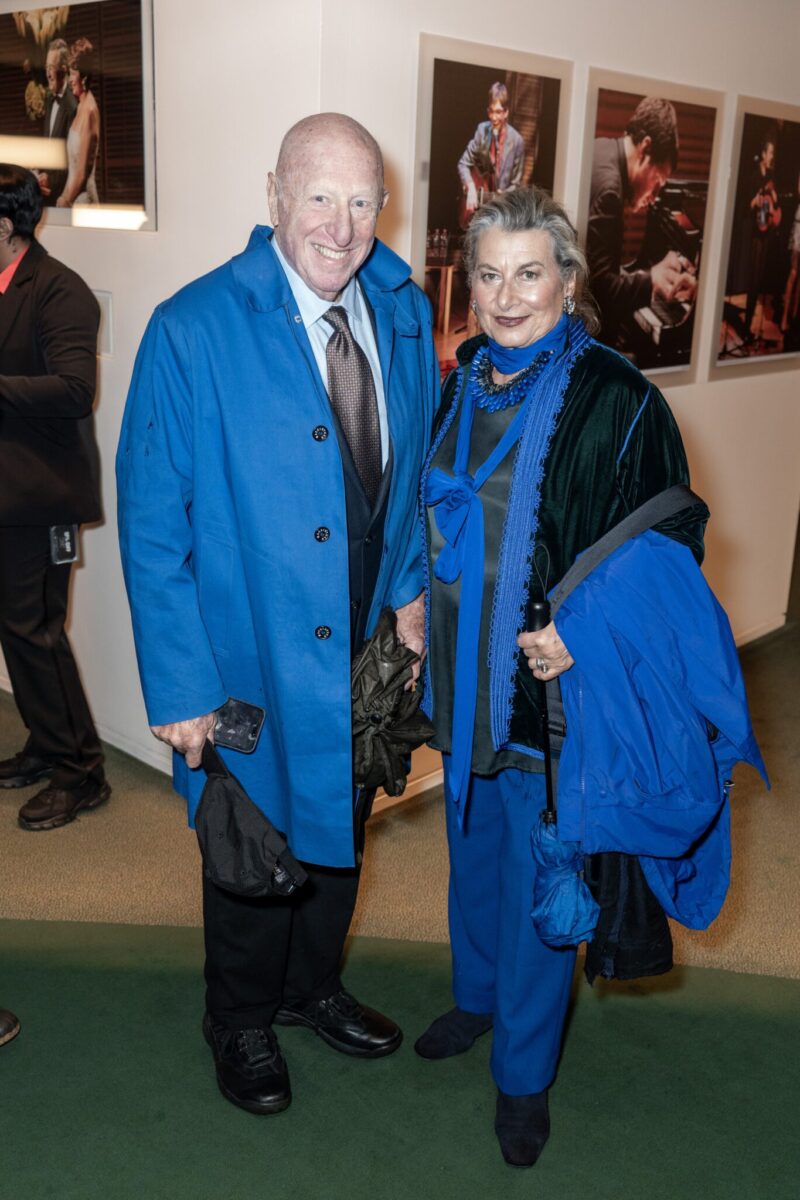
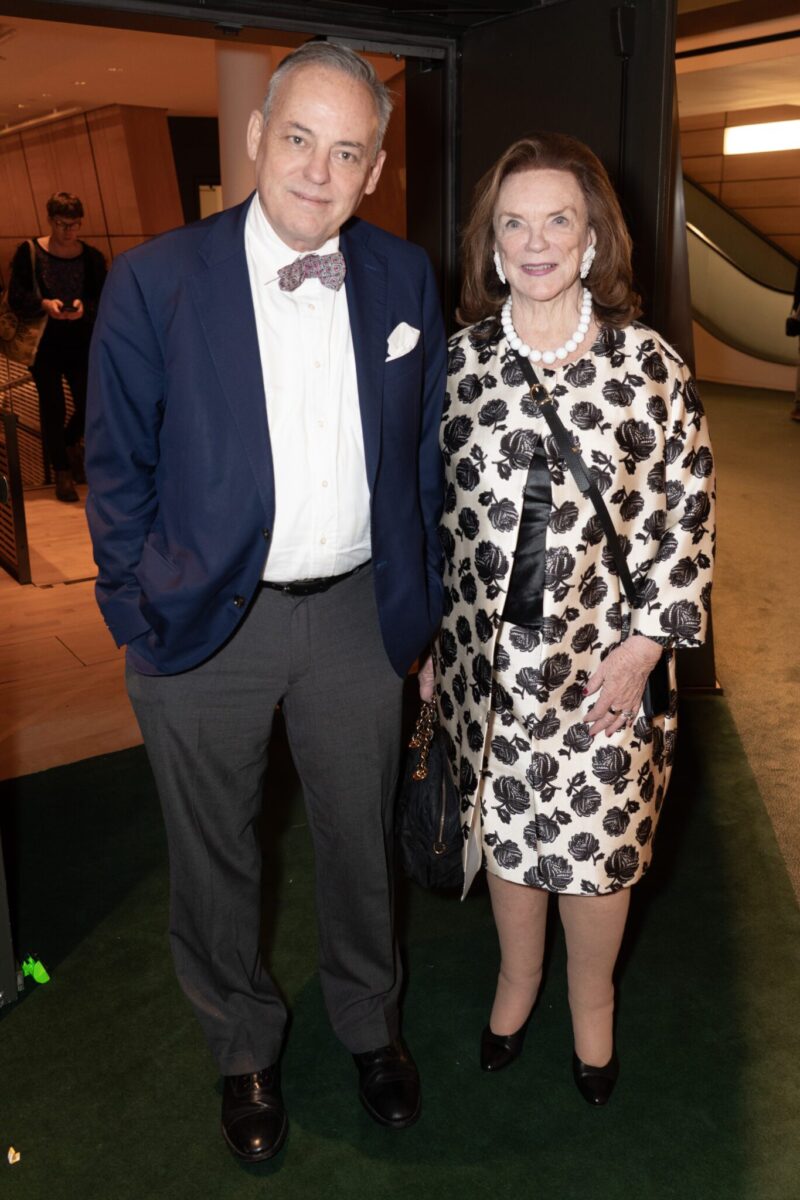
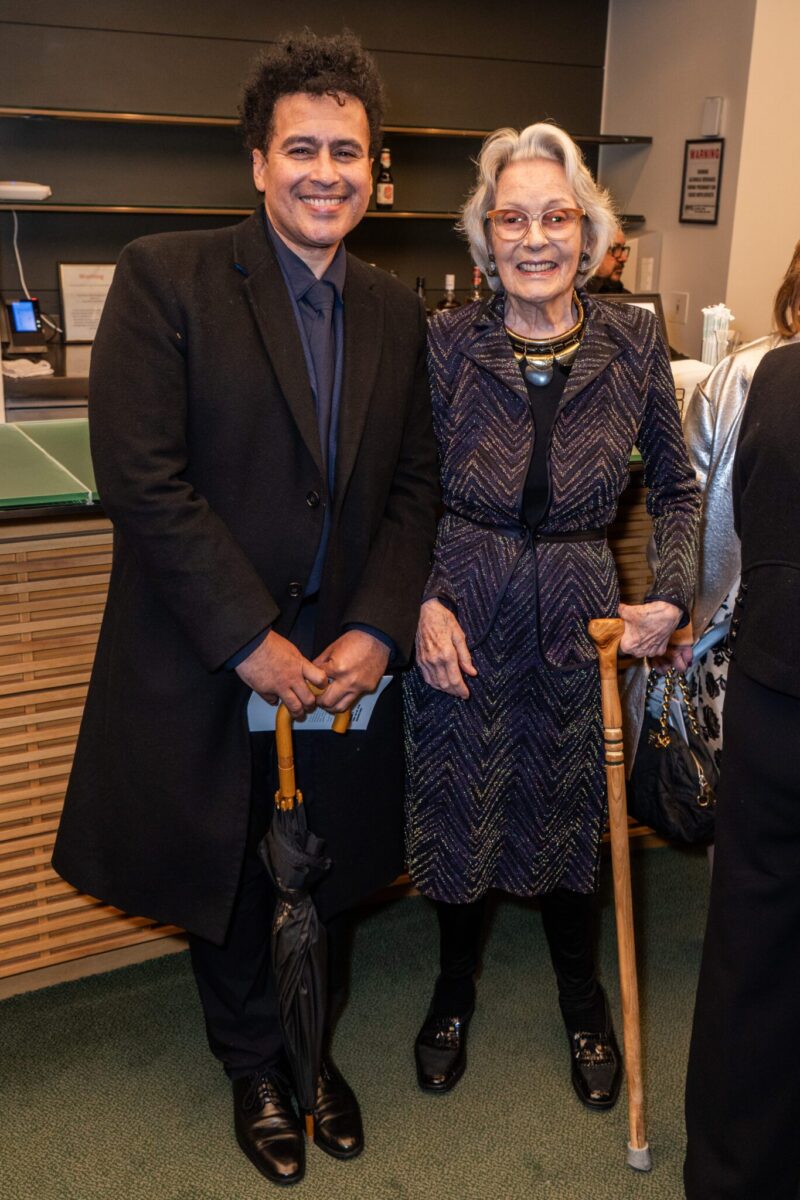
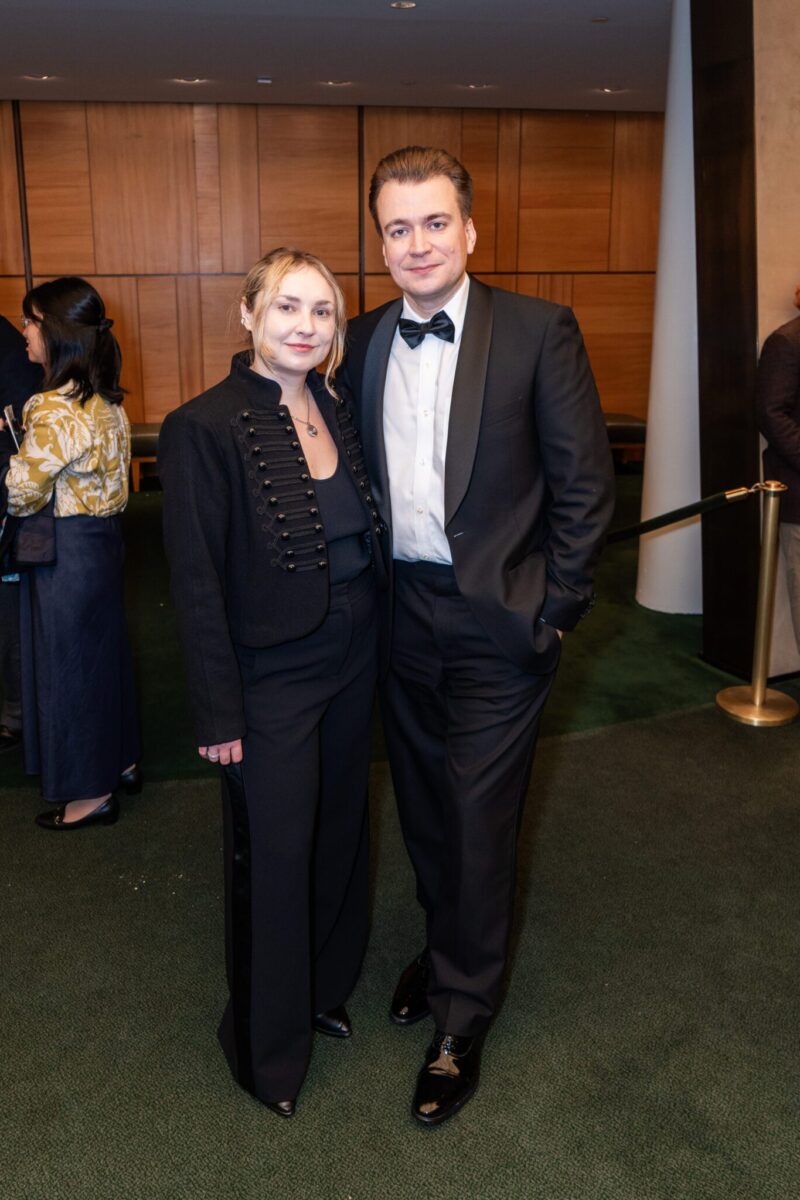
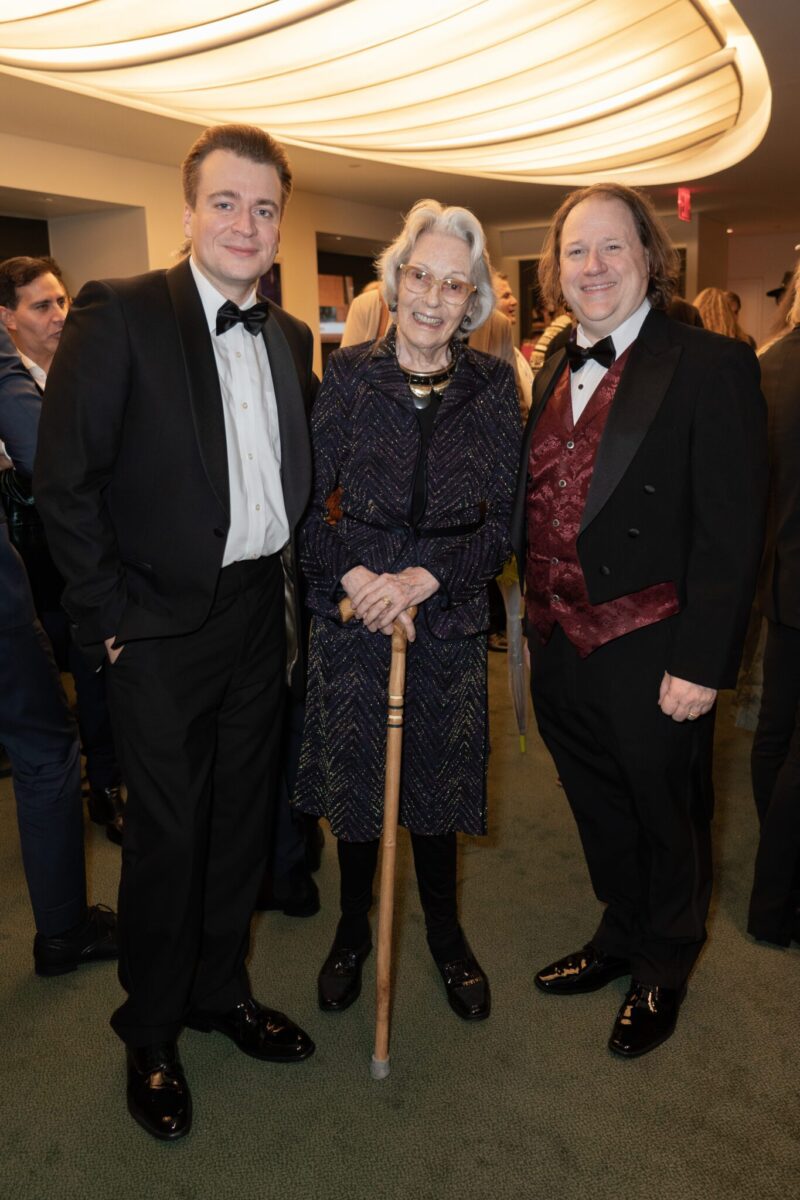
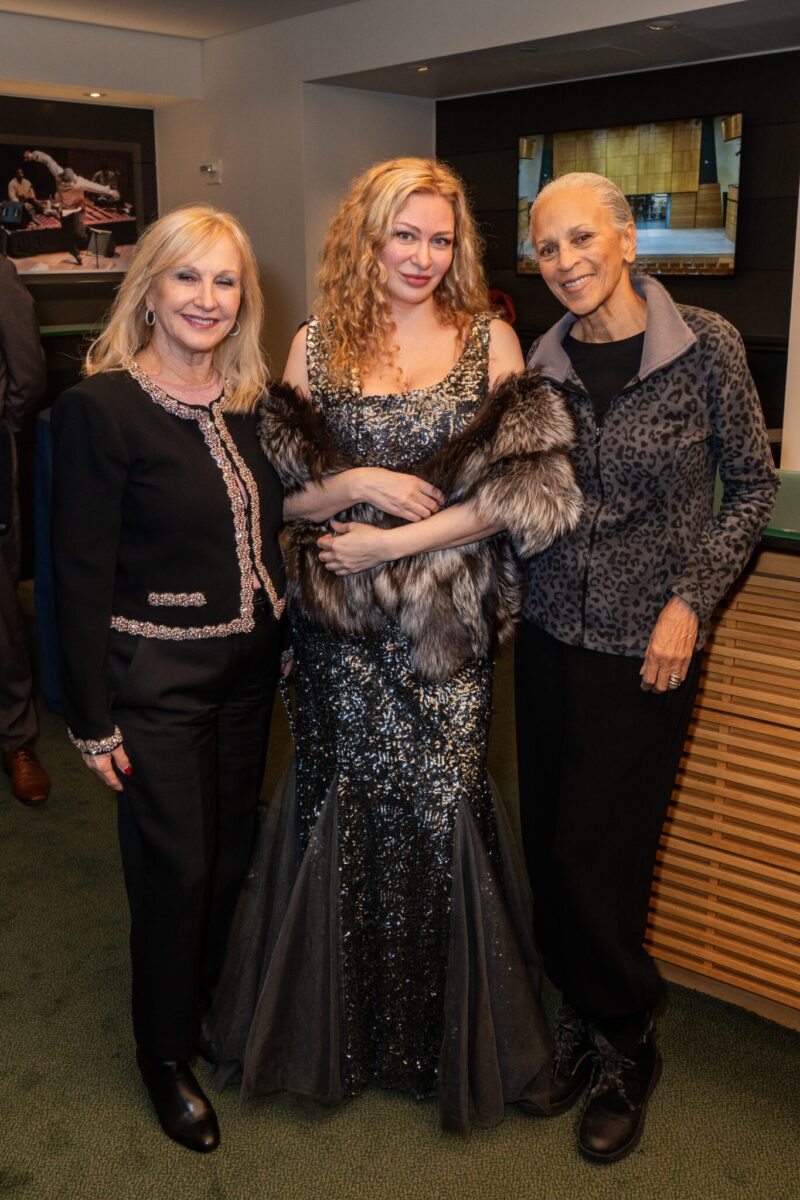
The concert played to a capacity crowd. Among those in attendance were Corice Arman, Wolfgang Aulitzky, Yanna Avis, Kathy Bleznak, Bill Buford and Jessica Green, Alva Chinn, Nora Coblence, Sherri Donghia, Irina Dvorovenko and Maxim Beloserkovsky, April and Roddy Gow, Jackie Hoffman, Kristina Allegra Kingston, Chris Minev, Maestro Constantine Orbelian, Liane Pei, Alexandra Penney, Marc Rosen, Roberta Downs Sandeman, Kathleen Sloane, Dr. Bradley Strauchen-Scherer, Shining Sung, Barbara Tober, Désirée Von la Valette, and Lauren Walsh.
What Comes Next for Renaissance-21
The Carnegie Hall premiere is only the beginning. Renaissance-21 has an ambitious lineup of upcoming projects, including a 10-concert orchestral tour in China and a summer residency in Spain. The Suite in D Minor will make its European premiere at Vienna’s Musikverein on April 9, 2027.
Perhaps the most visionary project in development is a performance in India inspired by Alexander Scriabin’s unfinished Mysterium. The organization envisions the event taking place in the Himalayas, with a worldwide digital broadcast that would allow audiences everywhere to share in the experience.
About Renaissance-21
Founded by pianist and composer Teodor Doré, Renaissance-21 is an international cultural movement dedicated to renewing the role of art, science, philosophy, and technology in contemporary society. Inspired by the integrative spirit of the historical Renaissance, the organization seeks to restore beauty, meaning, and human creativity in response to the fragmentation of modern culture. Through original artistic expression and collaboration across disciplines, Renaissance-21 aims to bridge cultural divisions and foster artistic and intellectual growth.
For more information, or to purchase tickets to scheduled performances, visit renaissance21.world