Friday, November 20, 2026
  • Login
Subscribe
Impact Wealth
No Result
View All Result
  • Family Office
  • Investing
    • Retirement
    • Real Estate
    • Philanthropy
    • Wealth
  • Interviews
  • Lifestyle
    • Health & Wellness
    • Fine Dining & Beverage
    • Fashion
    • Event Coverage
    • The Arts
    • Resources
  • Travel
  • Podcast
  • About Us
    • Press
    • Join Our Community
    • Sign up for Newsletter
No Result
View All Result
Impact Wealth
No Result
View All Result
Home Philanthropy

What Hospital Donors Should Know Before Funding a Wing

by Nathan Cohen
November 20, 2026
in Philanthropy
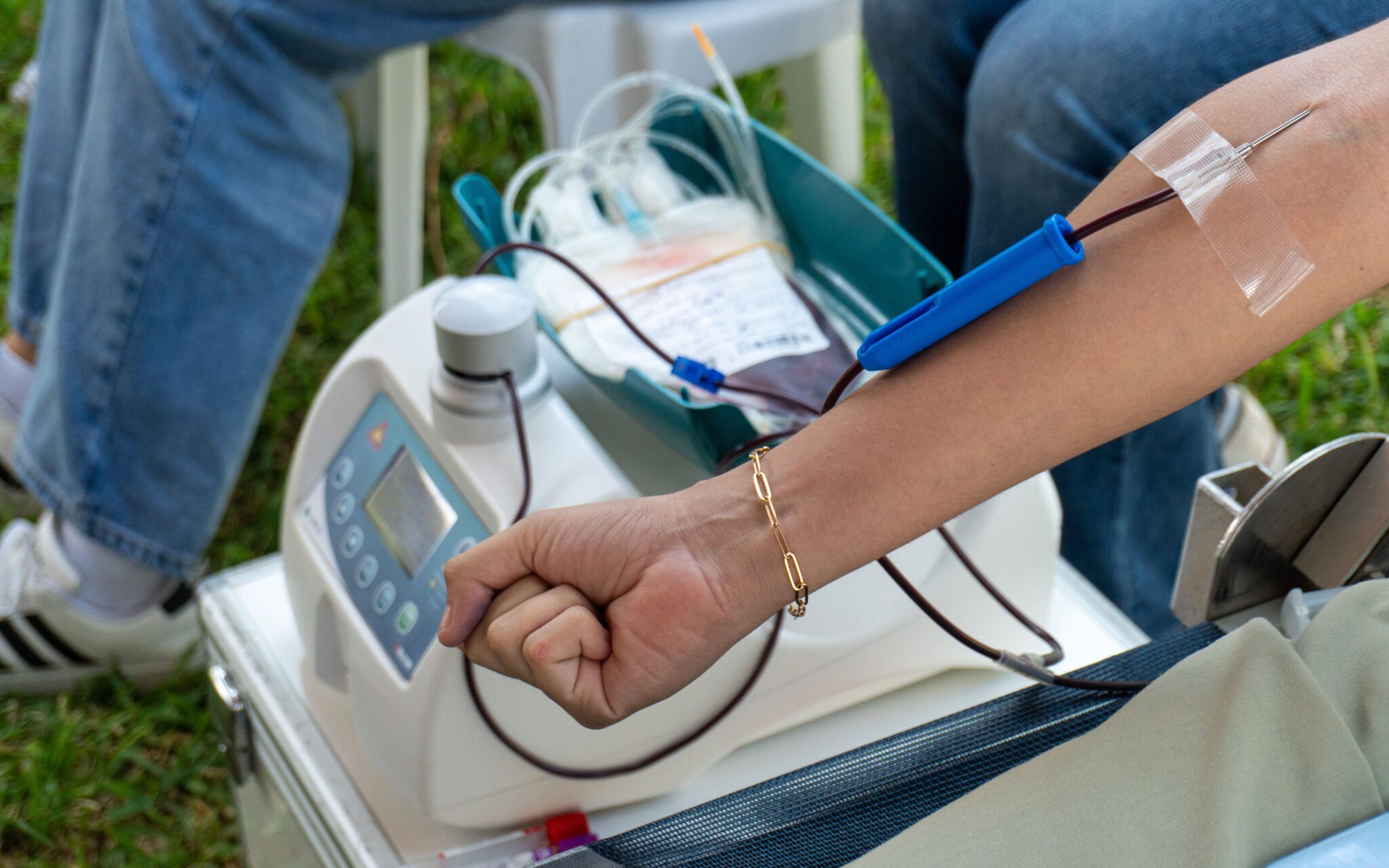
What Hospital Donors Should Know Before Funding a Wing

Image source

Philanthropic gifts to hospitals have become a familiar feature of high-net-worth giving. A family’s name goes on a cardiac wing, a lobby gets a dramatic renovation, and the donor attends a ribbon-cutting with the hospital’s board. These gifts are genuine and often transformative for patient care.

But capital campaigns rarely lead with the parts of a hospital that keep it functioning day to day. Mechanical systems, air handling, and environmental controls receive a fraction of the attention that architecture and patient amenities get, even though they shape clinical outcomes in ways a marble lobby never will.

For donors thinking beyond the plaque, understanding what sits behind hospital walls can change how a gift is structured, and where it does the most good.

The Visible Gift Versus the Invisible System

Most named gifts fund something a visitor can photograph: a new wing, a healing garden, a pediatric play area. These are worthwhile. Patients and families notice them, and hospitals use them to attract talent and goodwill.

What a visitor rarely sees is the building’s environmental infrastructure. Operating rooms, sterile processing areas, and medical device storage rooms all depend on tightly controlled humidity and temperature. These ranges aren’t arbitrary. They’re set by design standards built around infection control, equipment reliability, and patient safety.

Why Humidity Is a Clinical Variable, Not a Comfort Setting

Hospitals operate under design guidance from organizations like the Facility Guidelines Institute, whose published standards set humidity and ventilation parameters for operating rooms, procedure rooms, and sterile storage. Humidity that drifts too low can increase static discharge risk near sensitive electronics and dry out patient airways. Too high, and condensation risk rises along with the potential for microbial growth in ducts and surfaces.

ASHRAE also publishes technical standards governing ventilation and humidity control in health care facilities, which hospital engineers use alongside local building codes when specifying mechanical systems. These aren’t suggestions. They’re baked into how a hospital’s HVAC contractor designs the building before a single donor plaque goes up.

Picture a donor funding a new orthopedic surgical suite. The architectural plans look impressive: natural light, updated finishes, a dedicated family waiting area. What rarely makes it into the donor presentation is the mechanical specification sheet showing how the facility maintains relative humidity within the range its surgical protocols require. That range varies by room and procedure, and it is set according to the kind of facility guidelines referenced earlier in this piece.

The Equipment Argument Donors Rarely Hear

Humidity control isn’t only about people. Hospitals rely on sensitive imaging equipment, lab instruments, and electronics that can degrade or malfunction outside narrow humidity bands. Facilities engineers sometimes describe environmental control as a form of asset protection as well as comfort management.

This is where the mechanical side of a capital project becomes relevant to a donor’s due diligence. A commercial humidifier for hospitals is one component of that broader environmental system, typically installed as part of the HVAC infrastructure that keeps clinical and storage spaces within their required ranges. It’s rarely the headline item in a capital campaign, but it’s part of what the campaign is actually paying for.

A Common Mistake in How Campaigns Are Structured

A frequent gap in hospital capital campaigns is a mismatch between what the fundraising materials emphasize and what the construction budget actually needs. Finish-level upgrades get itemized and marketed. Mechanical system upgrades, including environmental controls, often get folded into a general “infrastructure” line that donors never see broken out.

This matters because underfunded mechanical budgets tend to get value-engineered down after a campaign closes, sometimes trading a more capable system for a cheaper one to protect the visible finishes a donor was shown. A donor who asks to see the full capital budget, not just the architectural renderings, is in a better position to direct a gift toward whatever the hospital’s engineers flag as underfunded.

Questions Worth Asking Before Signing a Gift Agreement

Donors considering a significant hospital gift can ask their development office a few direct questions: What percentage of the capital budget covers mechanical and environmental systems versus finishes? Has the hospital’s facilities team flagged any infrastructure gaps in the current plan? Would an unrestricted portion of the gift allow the hospital to address whichever need its engineers consider most urgent, rather than whichever need photographs best?

These aren’t questions that diminish the generosity of a gift. They make it more likely the gift holds up the way the donor intended, long after the ribbon-cutting photos stop circulating.

As hospital capital campaigns grow more sophisticated, donors who understand the mechanical backbone of a facility, not just its public-facing design, are better positioned to direct their philanthropy toward lasting impact. The next generation of major hospital gifts may well be remembered less for a dedicated wing and more for the quiet systems that kept it running.


Tags: Healthcare Facility ManagementHealthcare InfrastructureHospital Capital CampaignsHospital DonationsHospital Philanthropyhumidity controlHVAC systems
Previous Post

How AI Search Is Changing SEO for Established Australian Businesses

Next Post

Composing a Refined Private Study Around Statement Seating

Related Posts

NEW YORK, NEW YORK - NOVEMBER 10: (L-R) Shaked Arieli, Ilay David and Candice Moss speak onstage at the 2026 American Friends of NATAL Gala at Cipriani 42nd Street on November 10, 2026 in New York City. (Photo by Noam Galai/Getty Images for NATAL)
Events

American Friends of NATAL Hosts Star-Studded NYC Gala Supporting Israel’s Mental Health and Trauma Recovery

November 18, 2026
Farmer Family Donation Miami University Farmer School of Business
Philanthropy

Farmer Family Foundation Plans Up to $100 Million for Miami University

November 10, 2026
billionaires-giving-while-living-philanthropy
Philanthropy

Giving While Living: How Billionaires Are Redefining Philanthropy, Wealth, and Legacy

October 30, 2026
NEW YORK, NEW YORK - SEPTEMBER 22: (L-R) Prof. Mohamed Hassany, Assistant Minister of Health for Projects and Public Health Initiatives, Lykke Schmidt, Director of Novo, Dr. Roxana Mehran, Professor of Medicine at the Mount Sinai Icahn School of Medicine, John Kahan, Chief AI Officer at Stagwell Global, Daniella Foster, SVP and Global Head of Public Affairs, Market Access & Sustainability at Bayer, Dr. Ann Aerts, Head of the Novartis Foundation, and Alice Park, Senior Health Correspondent with TIME, speak during the 2026 Concordia Annual Summit at Sheraton New York Times Square on September 22, 2026 in New York City. (Photo by Leigh Vogel/Getty Images for Concordia Summit)
Events

Concordia 2026: Where Global Power, Private Capital and Purpose Converged to Shape the Future

October 14, 2026
CGI 2026 Annual Meeting

Mainstage: Keep Going

NEW YORK, NEW YORK - SEPTEMBER 22: (L-R) Bill Clinton, Olga Rudnieva, Aurelia Jones-Taylor, Hanin Ahmed, Hillary Clinton and Chelsea Clinton attend the Clinton Global Initiative 2026 Annual Meeting at New York Hilton Midtown on September 22, 2026 in New York City. (Photo by JP Yim/Getty Images for Clinton Global Initiative)

+++

2296655703
Events

Clinton Global Initiative 2026: How the World’s Most Influential Leaders Are Redefining Philanthropy, Innovation, and Global Impact

October 15, 2026
M300 | Can AI and Compute Infrastructure Accelerate Energy
Events

The Rockefeller Foundation Explores How AI Could Power Africa’s Future Through Mission 300

October 13, 2026
Next Post

Composing a Refined Private Study Around Statement Seating

No Result
View All Result

Recent Articles

900 North Michigan Shops | The Canopy

James Tralie Turns a Chicago Shopping Atrium Into a Winter Dreamscape

November 20, 2026
Joe Bonamassa with the original Gibson Skinnerburst and the Epiphone recreation

Joe Bonamassa’s 1959 Skinnerburst Les Paul Gets an $849 Epiphone Edition

November 20, 2026
Renderings from Aman of Amantaru in Puerto Rico

Aman Plans Amantaru in Cabo Rojo, Adding to Puerto Rico’s Esencia Development

November 20, 2026
Flowering chestnut trees over a village road in Vincent van Gogh’s Châtaigniers en fleurs

Van Gogh’s Flowering Chestnut Trees Set an Auction Record at Sotheby’s

November 20, 2026

Latest Stories

savannah guthrie net worth

Savannah Guthrie Net Worth in 2026: NBC Salary, Career, Books, and Wealth

Read More »
James Tralie Turns a Chicago Shopping Atrium Into a Winter Dreamscape

James Tralie Turns a Chicago Shopping Atrium Into a Winter Dreamscape

Read More »
Joe Bonamassa with the original Gibson Skinnerburst and the Epiphone recreation

Joe Bonamassa’s 1959 Skinnerburst Les Paul Gets an $849 Epiphone Edition

Read More »
Renderings from Aman of Amantaru in Puerto Rico

Aman Plans Amantaru in Cabo Rojo, Adding to Puerto Rico’s Esencia Development

Read More »
Impact Wealth Magazine

Impact Wealth is a luxury lifestyle magazine that caters to ultra-high net-worth individuals and the family office industry that features profiles on the world’s top business leaders and family offices, and investment strategies for the super rich.

Explore

  • Wealth
  • Net Worth
  • Investing
  • Family Office
  • Real Estate
  • Impact Investing
  • Philanthropy
  • Travel Lifestyle
  • Impact Leaders
  • Interviews

About Impact Wealth

  • Press
  • About Impact Wealth
  • Past Issues
  • Resources
  • Editorial Standards and Corrections

Stay Connected

Join Our Community

Sign up for our Newsletter

© 2026 ImpactWealth | Disclaimer & Privacy Policy

No Result
View All Result
  • Family Office
  • Investing
    • Retirement
    • Real Estate
    • Philanthropy
    • Wealth
  • Interviews
  • Lifestyle
    • Health & Wellness
    • Fine Dining & Beverage
    • Fashion
    • Event Coverage
    • The Arts
    • Resources
  • Travel
  • Podcast
  • About Us
    • Press
    • Join Our Community
    • Sign up for Newsletter

© 2026 ImpactWealth | Disclaimer & Privacy Policy

Welcome Back!

Login to your account below

Forgotten Password?

Retrieve your password

Please enter your username or email address to reset your password.

Log In
No Result
View All Result
  • Family Office
  • Investing
    • Retirement
    • Real Estate
    • Philanthropy
    • Wealth
  • Interviews
  • Lifestyle
    • Health & Wellness
    • Fine Dining & Beverage
    • Fashion
    • Event Coverage
    • The Arts
    • Resources
  • Travel
  • Podcast
  • About Us
    • Press
    • Join Our Community
    • Sign up for Newsletter

© 2026 ImpactWealth | Disclaimer & Privacy Policy