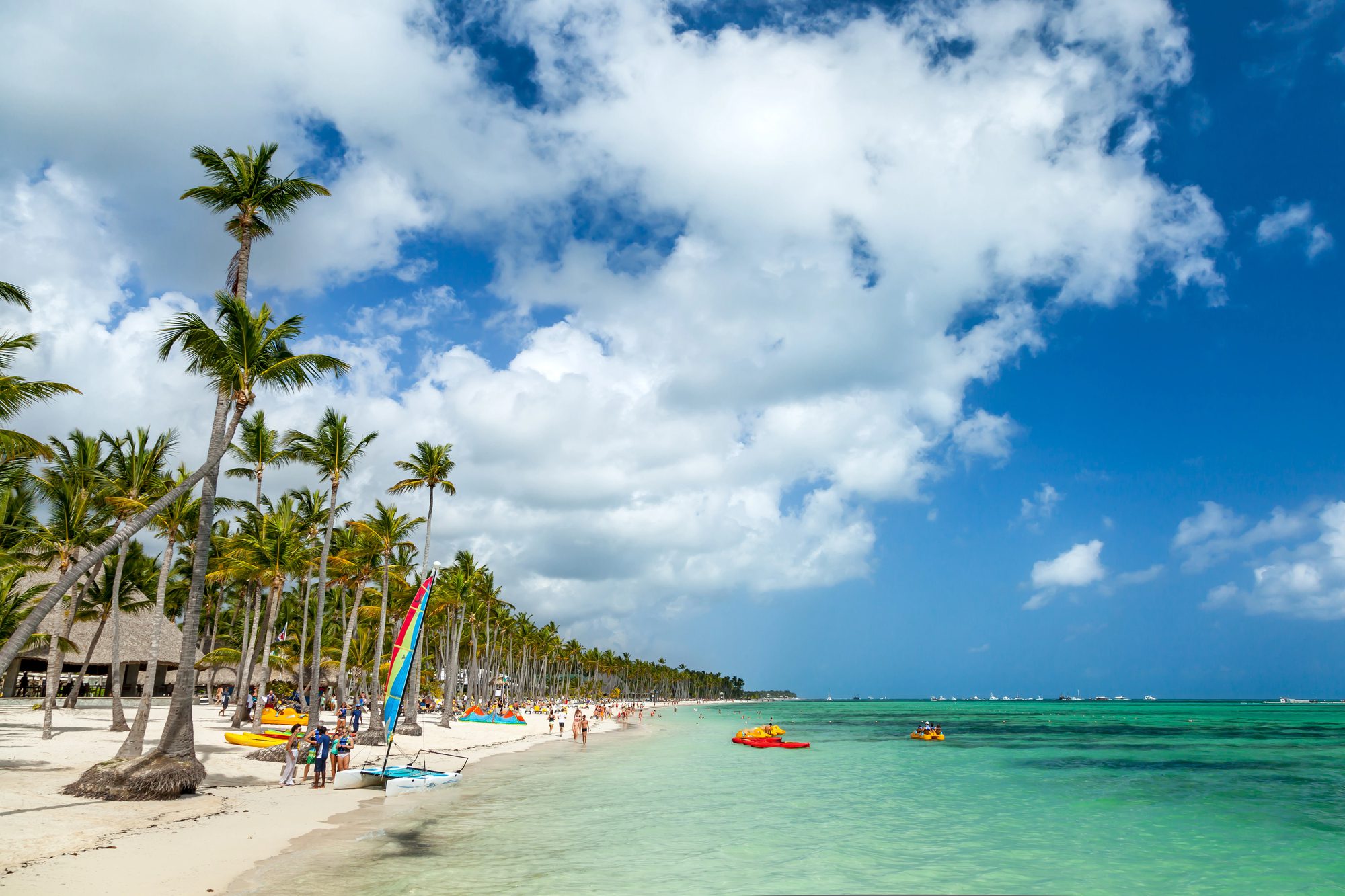
Dreaming of white sand beaches and turquoise water? The eastern coast of the Dominican Republic welcomes millions of travelers every year, but the ones who enjoy it most are the ones who planned ahead. Knowing when to go, what to pack, and how to respect local customs is the difference between a smooth trip and a stressful one. Many travelers start by locking in the Punta Cana vacation rentals they choose, since that decision often shapes the rest of the trip. This guide walks you through everything else you need to know before you go.
Best Time to Visit Punta Cana
Picking the right month can make or break your trip, so it helps to know what each season looks like.
December to April (Peak Season): This is the dry season, with sunny skies most days and warm temperatures between 77°F and 82°F. It’s the best window for beach days, water sports, and outdoor excursions. The tradeoff is cost; hotels and flights get pricier, and beaches get busier. If you’re traveling in this window, book well in advance.
May to November (Off-Peak Season): This is the rainy season, but don’t let that scare you off. Showers are usually short and heavy, lasting fifteen to twenty minutes before clearing up, and afternoons stay warm. May, June, and November are especially good picks if you want decent weather without peak-season prices. September tends to be the cheapest month to travel, but it also carries the highest risk of tropical storms, so keep that in mind if you’re booking then.
What to Pack for Punta Cana
Packing right saves you time and hassle once you land.
Clothing:
- Light, breathable outfits for warm days
- One light layer for cooler evenings or air-conditioned spaces
- Swimwear and a cover-up for the beach
- Comfortable sandals, plus one pair of closed shoes for excursions
Sun and Health Protection:
- High SPF sunscreen, reef-friendly formulas help protect the coral nearby
- Insect repellent, especially if you’re heading inland or into jungle areas
- A wide-brimmed hat and sunglasses
Practical Items:
- A dry bag for boat trips and water activities
- A small backpack for day trips
- A portable phone charger
- Copies of your passport and travel documents, kept separate from the originals
One more thing worth checking before you fly: make sure your passport is valid for at least six months past your travel date. This lets US travelers stay in the Dominican Republic for up to 30 days without needing a visa.
Dominican Republic Cultural Norms for Tourists
A little cultural awareness goes a long way toward making your trip feel warmer and easier.
Spanish is the official language, but English is widely spoken in hotels, restaurants, and tour offices along the coast. If you venture beyond the tourist areas, a few basic Spanish phrases are appreciated. Locals tend to be warm and hospitable, and a simple greeting like “buenos días” before making a request is considered good manners.
When it comes to dress, beachwear is meant for the beach. Cover up with a light shirt or dress when you’re in town, at a local market, or eating somewhere away from the coast. Tipping also matters here; 10 to 15 percent at restaurants is standard, and small tips for hotel staff, drivers, and tour guides are expected and appreciated.
At local markets, light bargaining is normal and even welcomed, as long as you keep it friendly and respectful. Just remember that shops with fixed prices don’t negotiate.
Caribbean Coast Travel Planning Tips
A few extra steps before you leave home can save you real headaches once you’re there.
- Book excursions early. Popular trips like Saona Island, cenote tours, and sunset cruises fill up fast, especially in peak season.
- Get travel insurance. Plan for weather delays and medical emergencies by keeping emergency funds and considering Shariah-compliant travel takaful where available.
- Exchange some currency before you arrive. Dominican pesos stretch further than US dollars at local restaurants, markets, and transport, so change a reasonable amount at the airport or a local bank.
- Download offline maps. Mobile data isn’t always reliable in more remote areas, and having maps saved ahead of time removes one common source of travel stress.
Final Thoughts
A stress-free Caribbean trip really comes down to three things: good timing, smart packing, and a little respect for where you are. Choose the season that fits your priorities, pack for the climate, and take a few minutes to understand local customs before you land. Do that, and the relaxation starts long before you reach the beach.
photo by depositphotos