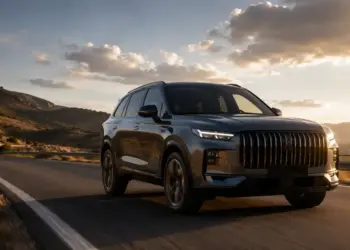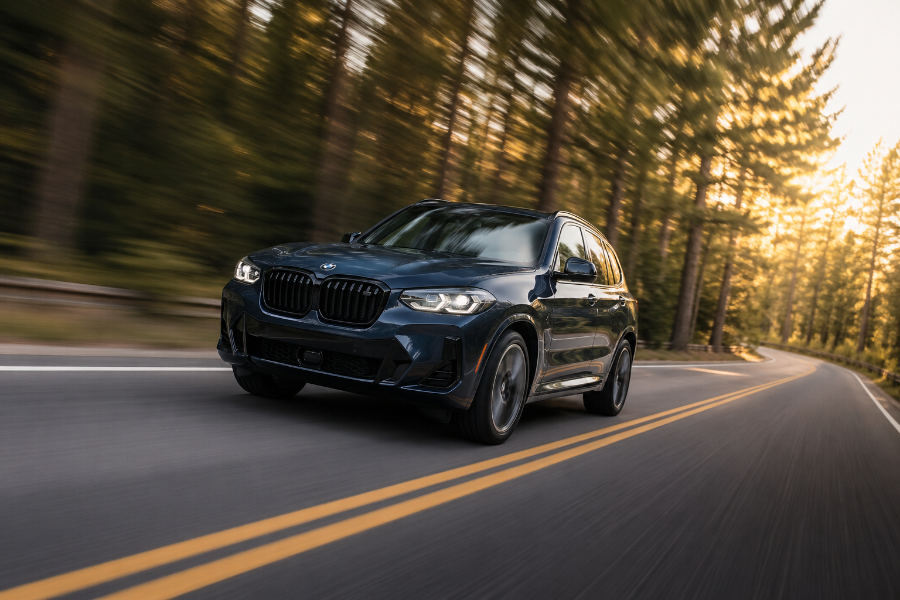
The 2026 BMW X3 enters the evolving compact luxury SUV segment as a refined, performance-oriented machine that continues to define balance in a crowded premium market. Positioned between entry-level crossovers and larger executive SUVs, it delivers a combination of agility, technology, and brand prestige that resonates strongly with modern buyers who value both driving dynamics and everyday usability.
In 2026, the compact luxury SUV category is no longer just about affordability within a premium badge—it has become the primary gateway into executive mobility. The BMW X3 stands at the center of this shift, offering a blend of performance engineering and comfort that appeals to urban professionals, entrepreneurs, and high-income individuals seeking understated luxury rather than excess.
Moreover, the BMW X3 reflects a broader industry transition where efficiency, intelligent systems, and real-world usability are just as important as horsepower figures. As buyer expectations evolve, this model continues to maintain its identity as a driver-focused SUV while adapting to the demands of modern luxury consumers.
BMW X3 Overview (2026)
The 2026 BMW X3 remains a cornerstone in BMW’s SUV portfolio, sitting strategically between the smaller X1 and the larger BMW X5. It is engineered to cater to buyers who want a premium driving experience without stepping into the higher cost and size bracket of mid-size luxury SUVs. This positioning makes it one of the most versatile options in the segment.
Under the hood, the BMW X3 offers a range of turbocharged powertrains designed to cater to different driving preferences. The base inline-4 engine delivers approximately 248 horsepower, providing efficient yet responsive performance for daily driving. Moving up the lineup, the inline-6 variant in performance trims pushes output beyond 382 horsepower, transforming the vehicle into a genuinely fast luxury SUV.
Performance metrics reinforce its competitive standing:
- Power Output: ~248 hp to 382+ hp
- 0–60 mph: ~4.4 to 6.0 seconds
- Estimated Price Range: $47,000 – $65,000+
- Drivetrain: Standard or optional xDrive AWD
Consequently, the BMW X3 maintains a unique balance—it is neither purely comfort-focused nor aggressively performance-driven, but instead blends both attributes into a cohesive package. This balance is precisely why it continues to attract executive-level buyers who require versatility without compromise.
Performance & Driving Dynamics
BMW has long built its reputation on driving engagement, and the 2026 BMW X3 reinforces this legacy through a finely tuned chassis and intelligent drivetrain systems. At the core of its performance is the xDrive all-wheel-drive system, which continuously monitors road conditions and distributes power between the front and rear wheels to maximize traction and stability.
The adaptive suspension system plays a critical role in shaping the driving experience. It allows the vehicle to shift between comfort-oriented damping for city commuting and firmer settings for spirited driving. This duality ensures that the BMW X3 remains comfortable during long journeys while still delivering sharp handling characteristics when required.
Key performance highlights include:
- xDrive Intelligent AWD: Enhances grip and cornering stability
- Adaptive Suspension: Balances ride comfort with sporty dynamics
- Precise Steering: Maintains strong driver feedback
- Driving Modes: Customizable settings for comfort, sport, and efficiency
However, what truly differentiates the BMW X3 is how seamlessly these systems integrate. Rather than feeling overly electronic or artificial, the driving experience remains natural and engaging. This is particularly important for buyers who still prioritize the connection between driver and machine, even in a technologically advanced SUV.
Competitive Positioning in the Segment
In 2026, the BMW X3 competes against some of the most refined compact luxury SUVs on the market, including the Audi Q5, Mercedes-Benz, and Lexus NX. Each competitor brings a unique approach to luxury, but the BMW X3 stands out for its dynamic balance.
Table 1: Segment Comparison
| Feature | BMW X3 | Audi Q5 | Mercedes GLC | Lexus NX |
|---|---|---|---|---|
| Price Range | $$ | $$ | $$$ | $$ |
| Power | High | Moderate | Moderate | Moderate |
| Comfort | Balanced | High | Very High | High |
| Tech | Advanced | Advanced | Premium | Reliable |
| Driving Feel | Sporty | Neutral | Comfort-focused | Smooth |
| Best Use Case | Executive daily driving | Tech-focused users | Comfort luxury | Reliability seekers |
From a market perspective, the BMW X3 appeals to buyers who do not want to sacrifice performance for comfort. While competitors like Mercedes emphasize luxury and Lexus focuses on reliability, BMW maintains a unique middle ground where driving dynamics remain a priority.Interior & Technology
Inside the 2026 BMW X3, the cabin reflects a modern interpretation of luxury, combining digital sophistication with premium craftsmanship. The centerpiece is the curved digital display powered by the latest iDrive system, which integrates infotainment, navigation, and vehicle controls into a seamless interface.
Material quality remains a defining feature of the BMW X3 interior. Buyers can expect high-grade leather upholstery, aluminum accents, and optional wood trims that elevate the cabin’s overall aesthetic. The design avoids excessive complexity, focusing instead on clean lines and intuitive functionality.
Key interior features include:
- Curved Digital Display: Fully integrated driver and infotainment screens
- BMW iDrive System: Advanced connectivity and voice control
- Premium Materials: Leather, metal, and wood finishes
- Driver Assistance Systems: Adaptive cruise control, lane assist, collision prevention
Moreover, the BMW X3 strikes a balance between luxury and practicality. Controls are positioned logically, ensuring ease of use without distracting the driver. This approach aligns with the expectations of executive users who prioritize efficiency and usability in daily operations.
Comfort & Daily Usability
The BMW X3 is designed to function as a daily driver without compromising on comfort. Seating for five passengers is spacious enough for both short commutes and long-distance travel, with supportive seats that reduce fatigue over extended periods.
Ride quality is another area where the BMW X3 excels. The suspension system absorbs road imperfections effectively, particularly in comfort mode, making it well-suited for urban environments. At the same time, it retains enough firmness to prevent excessive body roll during highway driving.
Practical usability highlights include:
- Spacious Cabin: Comfortable seating for five adults
- Cargo Capacity: Suitable for travel, business, and lifestyle needs
- Quiet Ride: Minimal cabin noise at highway speeds
- Urban Maneuverability: Compact dimensions for city driving
Therefore, the BMW X3 is particularly attractive to professionals who require a vehicle that transitions seamlessly between work, travel, and personal use. It is not just a luxury product—it is a functional tool for modern executive mobility.
Market Position & Value Comparison
BMW X3 vs Broader Luxury Segments
| Category | BMW X3 | Compact Luxury SUVs | Entry Luxury SUVs |
|---|---|---|---|
| Comfort | High | Moderate–High | Moderate |
| Performance | Strong | Moderate | Low–Moderate |
| Cost | Mid-Range | Lower | Lower |
| Efficiency | Balanced | High | High |
| Prestige | High | Moderate | Entry-Level |
This comparison highlights how the BMW X3 occupies a strategic position. It delivers more prestige and performance than entry-level models while remaining more efficient and accessible than larger luxury SUVs.
Why Buyers Choose BMW X3?
The continued success of the BMW X3 is rooted in its ability to meet multiple buyer expectations simultaneously. It is not the cheapest option, nor the most luxurious, but it consistently delivers value across all key areas.
Primary reasons buyers choose the BMW X3 include:
- Strong Brand Reputation: BMW remains synonymous with performance luxury
- Balanced Engineering: Equal focus on comfort and driving dynamics
- Understated Design: Appeals to professionals seeking subtle prestige
- Versatility: Suitable for both business and personal use
Additionally, the BMW X3 aligns with modern luxury preferences, where buyers increasingly prioritize functionality over excess. It delivers a premium experience without appearing overly extravagant, making it ideal for executives who value discretion.
Cost & Ownership
Ownership costs for the BMW X3 remain competitive within the luxury segment. While maintenance is higher than non-premium vehicles, it is relatively moderate compared to larger or more complex luxury SUVs.
Ownership considerations include:
- Maintenance Costs: Moderate for luxury class
- Fuel Efficiency: Varies by engine, with inline-4 offering better economy
- Resale Value: Strong within BMW lineup
- Insurance Costs: Competitive for its category
Consequently, the BMW X3 represents a practical investment for buyers who want luxury without excessive long-term expenses. Its resale value and brand strength contribute to a favorable total cost of ownership.
Limitations & Considerations
Despite its strengths, the BMW X3 is not without limitations. Buyers must consider certain trade-offs when choosing this model over larger or more specialized vehicles.
Key limitations include:
- Interior Space: Smaller than mid-size SUVs
- Pricing at Higher Trims: Can approach premium SUV territory
- Fuel Economy: Performance variants consume more fuel
However, these trade-offs are largely a result of the vehicle’s balanced positioning. It prioritizes agility and efficiency over sheer size, which aligns with the needs of its target audience.
2026 Luxury SUV Trends
The luxury SUV market in 2026 is undergoing a significant transformation, with compact models like the BMW X3 leading the shift. Buyers are increasingly moving away from large, inefficient vehicles toward smaller, more technologically advanced options.
Key industry trends include:
- Rising Demand for Compact SUVs: Driven by urbanization and practicality
- Technology Integration: Digital displays and AI-based systems becoming standard
- Efficiency Focus: Buyers prioritizing fuel economy alongside performance
- Balanced Performance: Demand for vehicles that offer both comfort and power
The BMW X3 embodies what can be described as “balanced executive mobility.” It provides the performance needed for engagement, the comfort required for daily use, and the prestige expected from a luxury brand. As a result, compact SUVs are no longer entry-level options—they are becoming the primary choice for professionals entering or maintaining a luxury lifestyle.
FAQs
How much does the BMW X3 cost in 2026?
The BMW X3 is expected to start around $47,000 and can exceed $65,000 depending on trim and options.
Is BMW X3 a luxury SUV?
Yes, the BMW X3 is classified as a compact luxury SUV with premium features and advanced technology.
Is it good for families?
It offers comfortable seating for five and practical cargo space, making it suitable for small families.
How fast is BMW X3?
Depending on the engine, it can accelerate from 0–60 mph in approximately 4.4 to 6.0 seconds.
Is it worth buying in 2026?
Yes, it remains one of the most balanced choices in the compact luxury SUV segment.