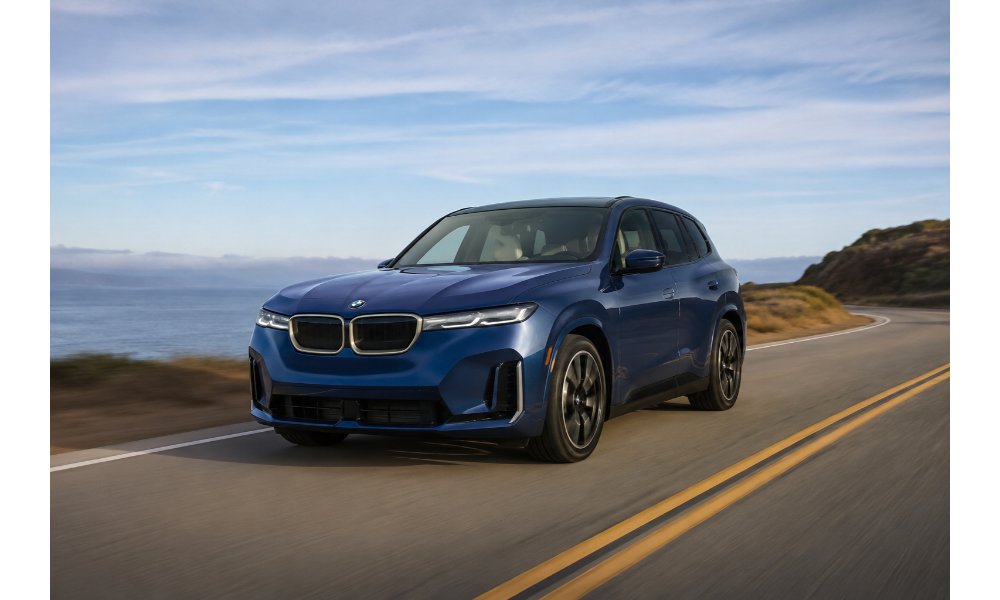
The BMW iX3 Executive EV arrives at an interesting moment for the premium automotive sector. While many electric vehicles compete for attention through dramatic styling, oversized screens, and disruptive branding, the iX3 follows a different path. It is a luxury electric SUV built for buyers who value refinement more than spectacle. As a result, it has become increasingly relevant among professionals who want an electric vehicle that fits into an executive lifestyle without announcing itself at every traffic light.
Across the global luxury EV market, buyer priorities are changing. Affluent consumers are no longer automatically drawn to the loudest design or the most futuristic marketing. Instead, many now prefer vehicles that project confidence quietly. This trend aligns with the wider rise of “quiet luxury,” where subtle craftsmanship replaces obvious displays of wealth. Therefore, the BMW iX3 fits naturally into a new category of premium mobility: the electric vehicle for executives who want comfort, discretion, and long-term usability.
BMW’s approach is particularly notable because the brand has chosen familiarity over radical reinvention. The iX3 does not chase the visual shock factor seen in some rivals. Moreover, it retains the recognizable proportions of a BMW iX3 luxury SUV, which makes the transition to electric ownership feel seamless for traditional premium buyers. For business travelers, urban professionals, and luxury commuters, that balance of prestige and practicality is increasingly attractive.
Why the BMW iX3 Executive EV Fits the Quiet Luxury Trend?
The BMW iX3 Executive EV reflects a broader cultural shift in luxury consumption. High-net-worth buyers increasingly prefer understated products that signal taste rather than status anxiety. In contrast to highly visible luxury purchases, quiet luxury emphasizes restraint, quality, and longevity.
In automotive terms, this means fewer aggressive design elements and more focus on polished details. The iX3’s exterior is clean, proportionate, and recognizable as a BMW first and an EV second. Consequently, it appeals to buyers who appreciate subtle prestige. It does not seek social-media attention; instead, it offers discreet confidence.
This trend matters because executive buyers often prefer products that integrate into professional life. For example, a senior executive arriving at a client meeting may value elegance and privacy over a car that becomes the subject of conversation.
- Minimalist exterior styling supports discreet ownership
- Premium branding remains recognizable without excess
- Quiet luxury aligns with stealth-wealth consumer behavior
- Subtle EV design appeals to mature professionals
How BMW Designed the iX3 for Executive Buyers?
BMW has clearly shaped the iX3 around the needs of daily executive use. The cabin prioritizes comfort, visibility, and intuitive controls. Meanwhile, the technology feels advanced without becoming intrusive. This matters because professionals often spend hours commuting between offices, airports, and meetings.
The interior design favors premium materials and calm surfaces. Leather finishes, soft-touch panels, and restrained ambient lighting create a lounge-like environment. Additionally, BMW avoids overloading the driver with experimental interfaces, preserving familiar controls where they improve usability.
Range and charging capability also suit real-world schedules. Rather than promising extreme headline figures, BMW focuses on dependable daily performance for urban and intercity travel.
- Premium seating with strong long-distance comfort
- Balanced range for business travel
- Non-intrusive infotainment design
- Traditional BMW ergonomics preserved
Key Features of the BMW iX3 Executive EV
| Feature | Luxury Benefit | Executive Appeal | Technology Role | Daily Usability |
|---|---|---|---|---|
| Premium cabin | Comfort and calm | Professional image | Integrated displays | High |
| Electric drivetrain | Quiet ride | Stress-free travel | Efficient power delivery | High |
| Adaptive assistance | Reduced fatigue | Safer commuting | Semi-autonomous features | High |
| Minimalist design | Timeless styling | Subtle prestige | Digital integration | High |
| Fast charging | Convenience | Travel flexibility | Battery management | Medium-High |
Why the BMW iX3 Stands Apart From Flashier EV Rivals?
The BMW iX3 review 2026 discussions often highlight its restrained character. Compared with rivals, it appears almost conservative. However, that is precisely the point. BMW is targeting buyers who already understand luxury and no longer need visible proof of it.
Tesla’s Model Y emphasizes software-first identity. Mercedes-Benz EQ models often lean into futuristic styling. Audi’s Q8 e-tron adds visual mass and bold design cues. On the other hand, the iX3 feels familiar, which reduces the learning curve for traditional premium customers.
This familiarity supports long-term ownership satisfaction. Consequently, affluent buyers who prefer mature design often see the iX3 as a more balanced choice.
- Tesla Model Y: tech-forward and minimalist
- Mercedes EQE SUV: futuristic luxury focus
- Audi Q8 e-tron: larger, more assertive design
- Lexus RZ: comfort-oriented but niche appeal
Luxury EV Buyers Are Prioritizing Lifestyle Over Performance
The luxury segment is changing rapidly. Performance still matters, yet it is no longer the dominant metric for many executive buyers. Instead, comfort, privacy, and convenience increasingly define premium ownership.
For many professionals, a vehicle functions as a mobile workspace between appointments. Therefore, smooth ride quality and cabin quietness matter more than acceleration figures. The executive electric SUV category is expanding because buyers want stress-free transportation rather than dramatic driving experiences.
BMW preserves some sporty character, yet it does not overwhelm the ownership experience with performance marketing. As a result, the iX3 feels aligned with business-class travel rather than enthusiast culture.
Luxury Executive EVs Compared in 2026
| Model | Design Philosophy | Luxury Focus | Driving Character | Executive Appeal |
| BMW iX3 | Understated premium | Comfort + usability | Refined | High |
| Tesla Model Y | Tech disruption | Software | Quick, digital | Medium |
| Mercedes EQE SUV | Futuristic luxury | Cabin tech | Smooth | High |
| Audi Q8 e-tron | Traditional prestige | Space | Stable | High |
| Lexus RZ | Comfort simplicity | Reliability | Calm | Medium |
How BMW’s EV Strategy Differs From Silicon Valley Rivals?
BMW’s electric transition strategy is rooted in heritage. While newer brands promote disruption, BMW emphasizes continuity. Moreover, the company understands that many premium buyers value familiarity.
The BMW electric vehicle 2026 portfolio shows this clearly. Models such as the iX3 combine legacy design language with electrification. Consequently, customers moving from combustion-powered BMW SUVs feel less friction.
This approach builds trust. Legacy brands benefit because executives often prioritize reliability, service networks, and established prestige over startup excitement.
Why Affluent Buyers Are Choosing Understated Electric SUVs?
The rise of stealth wealth has reshaped the premium sector. Many affluent consumers now prefer products that reflect discretion. In automotive culture, this means choosing a premium electric crossover that offers quality without overt branding.
Executives often seek privacy. A subtle electric SUV blends into urban environments while still delivering premium comfort. Additionally, sustainability has become part of the luxury identity, particularly among younger business leaders.
The iX3 fits this shift because it combines environmental responsibility with understated design. As a result, it has become relevant to buyers who want premium sustainability without ostentation.
Risks and Challenges Facing the BMW iX3
Despite its strengths, the iX3 faces meaningful challenges. The luxury EV market is increasingly crowded, and competition is intensifying from both established rivals and Chinese manufacturers.
Battery expectations are also evolving quickly. Buyers expect longer range, faster charging, and advanced software. Therefore, BMW must continue improving technology while maintaining its brand identity.
Pricing pressure remains another issue. In the premium segment, customers expect clear value. Nevertheless, BMW’s reputation for quality may help offset rising competition.
- Strong competition from Chinese premium EV brands
- Rapid battery innovation cycles
- Pricing sensitivity in global luxury markets
- Balancing tradition with innovation
Why the BMW iX3 Represents the Future of Executive Mobility?
The BMW iX3 Executive EV represents a broader change in business-class transportation. Luxury vehicles are increasingly becoming lifestyle tools rather than status trophies. Consequently, buyers focus on seamless ownership, comfort, and sustainability.
For executives, the ideal car now combines prestige with practicality. The iX3 delivers exactly that: a premium environment, quiet operation, and dependable usability. Moreover, it reflects the shift toward discreet sophistication across affluent consumer culture.
Its significance extends beyond BMW itself. The iX3 shows how legacy luxury brands can remain relevant during electrification by offering trusted design and refined experiences rather than chasing spectacle.
FAQs
What makes the BMW iX3 different from other luxury EVs?
It combines understated design, BMW heritage, and executive-friendly practicality rather than aggressive innovation.
Why is the BMW iX3 popular with executives?
It offers comfort, prestige, quiet travel, and subtle styling suited to professional lifestyles.
What is quiet luxury in the automotive industry?
Quiet luxury refers to premium products that emphasize refinement and craftsmanship over obvious displays of wealth.
How does the BMW iX3 compare to Tesla Model Y?
The iX3 focuses more on traditional luxury and driving refinement, while Tesla prioritizes technology and disruption.
Is the BMW iX3 designed for performance or comfort?
BMW balances both, although comfort and refinement take priority for executive buyers.
Why are affluent buyers choosing understated EVs?
Many prefer privacy, comfort, and subtle prestige instead of attention-grabbing designs.
How luxurious is the BMW iX3 interior?
It features premium materials, supportive seating, and a minimalist yet upscale cabin.
What are the main competitors to the BMW iX3?
Tesla Model Y, Mercedes-Benz EQE SUV, Audi Q8 e-tron, and Lexus RZ.
Is the BMW iX3 practical for daily executive travel?
Yes, its range, comfort, and charging capability make it suitable for business commuting.
Why does the BMW iX3 avoid flashy design trends?
BMW positions it as a subtle premium EV for buyers who value timeless prestige over visual drama.