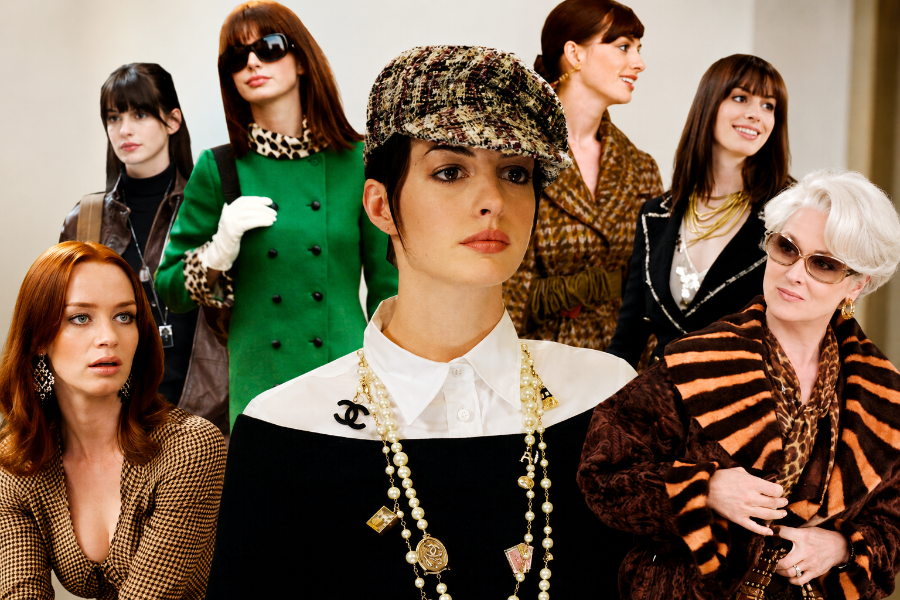
The conversation around The Devil Wears Prada 2 fashion cost has become almost as intense as the anticipation surrounding the film itself. Nearly two decades after the original movie transformed fashion dialogue in mainstream cinema, the sequel arrives in a very different industry landscape. Today, audiences no longer admire costumes from a distance. Instead, they analyze every handbag, coat, and accessory on social media within minutes of a trailer release. Consequently, viewers want to know what these wardrobes actually cost and why certain styling decisions matter.
What makes the sequel especially fascinating is its deliberate contrast between luxury fashion and affordable styling. Reports connected to costume production suggest the film blends couture houses like Prada, Chanel, Dior, and Valentino with surprisingly accessible items, including low-cost accessories and drugstore jewelry. That contrast mirrors the modern fashion industry itself, where resale apps, vintage sourcing, and high-street fashion exist alongside runway exclusivity.
Moreover, costume design in the franchise has never been about glamour alone. Fashion operates as character language. Miranda Priestly’s sharp tailoring communicates authority before she even speaks, while Andy Sachs’ wardrobe evolution reflects ambition, insecurity, and professional transformation. Therefore, the sequel continues the franchise tradition of using clothing as narrative architecture rather than visual decoration.
The growing fascination with wardrobe pricing also reflects broader changes in entertainment culture. Audiences now understand that film fashion involves brand partnerships, marketing strategy, resale economics, and cultural influence. Meanwhile, costume designers must balance realism with aspiration, ensuring characters appear believable despite wearing luxury garments. The result is a sophisticated mix of fantasy and authenticity that defines modern fashion cinema.
Notably, coverage discussing costume choices has highlighted the use of both haute couture and low-cost pieces, including symbolic drugstore accessories reportedly worn alongside designer garments. That approach reinforces a larger message: style credibility often comes from thoughtful curation rather than pure spending power.
Why The Devil Wears Prada 2 Fashion Cost Became a Talking Point?
The original film shaped an entire generation’s understanding of workplace fashion. However, the sequel arrives during a period when audiences actively investigate the economics behind costume design. As a result, The Devil Wears Prada 2 fashion cost has become a major topic across fashion journalism, entertainment media, and social platforms.
Viewers are particularly intrigued by the tension between visible luxury and hidden affordability. Miranda Priestly may wear structured designer coats and couture tailoring, yet subtle accessories reportedly include inexpensive items chosen intentionally for realism. Meanwhile, younger characters reportedly combine designer staples with second-hand fashion and accessible retail pieces, reflecting current consumer habits.
Several factors explain the obsession with wardrobe pricing:
- Social media encourages instant outfit breakdowns
- Luxury branding in film now functions as indirect advertising
- Audiences are more price-aware due to resale culture
- Fashion fans enjoy identifying hidden styling details
- Costume symbolism enhances character interpretation
Additionally, the franchise carries enormous fashion credibility. The first film influenced office style, handbag demand, and luxury retail conversations for years. Consequently, expectations for the sequel’s wardrobe remain exceptionally high.
The symbolism behind clothing choices also matters. Miranda’s immaculate silhouettes represent control and hierarchy, while Andy’s styling often reflects personal negotiation between authenticity and industry pressure. Therefore, costume budgets are not simply financial decisions. They shape narrative perception.
How Costume Designers Balance Luxury and Budget Fashion?
Modern costume design rarely depends entirely on expensive fashion houses. Instead, designers combine couture garments with accessible items to create wardrobes that feel layered and believable. The sequel reportedly embraces this strategy extensively.
Luxury brands such as Prada, Chanel, Dior, and Valentino contribute visual authority to the film’s fashion identity. However, costume designers understand that dressing every character entirely in couture would weaken realism. Consequently, affordable accessories, vintage sourcing, and high-street fashion help ground the visual storytelling.
Moreover, mixing price points reflects actual industry behavior. Fashion editors and stylists frequently pair designer garments with inexpensive basics. Therefore, incorporating low-cost pieces into the film strengthens authenticity rather than diminishing glamour.
Key costume balancing strategies include:
- Using couture for signature statement pieces
- Sourcing vintage accessories for texture and realism
- Adding affordable jewelry for everyday practicality
- Combining tailored luxury with contemporary basics
- Rotating recognizable fashion houses strategically
Meanwhile, collaborations between fashion brands and film studios create mutual benefits. Luxury houses gain visibility through cinematic exposure, while productions secure access to exclusive collections. Nevertheless, costume designers must avoid turning characters into advertisements. Storytelling still remains the priority.
Importantly, reports discussing production choices noted how even Miranda Priestly’s styling includes understated affordable items, including low-cost earrings, alongside luxury tailoring. That contrast reinforces her authority because true fashion power often appears effortless rather than overtly extravagant.
Cost Breakdown Elements in The Devil Wears Prada 2 Fashion Design
| Item Type | Cost Range | Source Type | Narrative Purpose | Screen Impact |
|---|---|---|---|---|
| Couture coats | $5,000–$25,000 | Luxury fashion houses | Establish authority | High visual dominance |
| Tailored suits | $2,000–$10,000 | Designer collaborations | Professional credibility | Structured elegance |
| Vintage handbags | $300–$5,000 | Resale and archives | Fashion authenticity | Cultural texture |
| Drugstore accessories | $9–$50 | Retail stores | Realism and contrast | Subtle symbolism |
| Mid-range footwear | $150–$900 | Contemporary brands | Everyday functionality | Relatable sophistication |
| Statement jewelry | $500–$8,000 | Luxury collections | Status communication | Camera emphasis |
Miranda Priestly’s Wardrobe: Power Dressing With Subtle Cost Contrasts
Miranda Priestly remains one of cinema’s defining fashion figures. In the sequel, her wardrobe reportedly continues the original film’s philosophy of disciplined elegance mixed with calculated restraint. Therefore, Miranda Priestly style cost discussions focus not only on luxury spending but also on strategic simplicity.
Structured coats, monochromatic tailoring, and precision layering continue to define her visual identity. Brands like Prada and Valentino naturally align with her aesthetic because they communicate authority without excessive ornamentation. However, costume designers reportedly avoided overwhelming the character with constant visible branding.
Instead, subtle contrasts drive the styling strategy. Expensive tailoring pairs with understated accessories, while certain affordable items intentionally disrupt expectations. For example, reports connected to costume discussions referenced low-cost earrings integrated into otherwise elite wardrobes. Consequently, Miranda appears more believable and modern.
Several wardrobe choices reinforce her dominance:
- Clean tailoring emphasizes control
- Neutral palettes maintain authority
- Minimal accessories prevent visual distraction
- Occasional affordable items add realism
- Luxury fabrics communicate silent power
Meanwhile, continuity with the 2006 film remains essential. Audiences expect Miranda’s style to evolve without abandoning the original aesthetic language. Therefore, the sequel reportedly preserves her disciplined silhouette while adapting details to contemporary fashion trends.
Importantly, the contrast between luxury and simplicity strengthens the character psychologically. Miranda never needs excessive display because her authority already feels established. That restraint distinguishes genuine power dressing from performative luxury.
Andy Sachs’ Style Evolution and Wardrobe Economics
The discussion around Andy Sachs wardrobe price reflects a different type of fashion storytelling. Unlike Miranda, Andy’s style traditionally represents transformation and negotiation between personal identity and professional ambition. In both films, Andy Sachs is played by Anne Hathaway, whose character evolution is reflected heavily through costume design and wardrobe progression.
In the sequel, costume design reportedly continues that evolution through a blend of mid-range labels, designer staples, and practical workwear. Consequently, Andy’s wardrobe feels more financially realistic than many cinematic fashion portrayals.
Rather than relying exclusively on couture, her styling reportedly incorporates contemporary professional fashion that audiences could plausibly replicate. That approach matters because modern viewers recognize unrealistic luxury instantly. Therefore, balancing aspiration with accessibility becomes crucial.
Andy’s wardrobe evolution reportedly includes:
- Elevated tailoring replacing entry-level basics
- Subtle designer integration rather than overt branding
- Neutral luxury handbags mixed with practical pieces
- Contemporary office fashion reflecting real professionals
- Layered styling inspired by modern editorial culture
Meanwhile, critics often note that fashion films can distort workplace realities by presenting unattainable wardrobes. The sequel appears aware of that criticism. Consequently, costume designers reportedly focused on achievable sophistication rather than fantasy excess.
Additionally, inflation and changing retail culture influence wardrobe perception today. A designer coat that once seemed inaccessible now competes with resale platforms, rental fashion, and vintage sourcing. Therefore, the economics behind Andy’s style feel more nuanced than traditional luxury storytelling.
Luxury vs Budget Fashion in The Devil Wears Prada 2
| Category | Example Item | Cost Level | Narrative Role | Industry Insight |
|---|---|---|---|---|
| Couture outerwear | Prada coat | Luxury | Authority and status | Brand visibility |
| Vintage handbag | Resale designer tote | Mid-range | Fashion literacy | Sustainability influence |
| Drugstore jewelry | Minimal earrings | Budget | Realism | Accessible styling |
| Tailored office wear | Designer blazer | Premium | Career progression | Workplace fashion trends |
| High-street basics | Neutral knitwear | Affordable | Everyday balance | Audience relatability |
| Luxury footwear | Dior heels | Luxury | Editorial polish | Fashion marketing value |
How Film Fashion Influences Real-World Trends and Retail Prices?
Fashion films increasingly shape retail behavior. The original The Devil Wears Prada influenced handbag demand, office tailoring, and fashion media culture for years. Meanwhile, the sequel arrives during an era dominated by TikTok styling analysis and resale marketplaces.
Consequently, iconic film wardrobes often appreciate in cultural and financial value after release. Vintage items associated with major fashion films regularly experience resale spikes, particularly when social media amplifies specific looks.
Cinema influences fashion trends through several mechanisms:
- Viewers recreate outfits online
- Featured brands gain cultural visibility
- Vintage items become collectible
- Retailers release inspired collections
- Social media accelerates trend cycles
Additionally, luxury fashion houses increasingly view cinema as long-term marketing infrastructure. A memorable coat worn in a culturally significant film may generate more enduring brand value than a short advertising campaign.
However, the influence extends beyond luxury consumers. High-street retailers rapidly adapt cinematic trends into affordable collections. Therefore, film costume design shapes both premium and mass-market fashion simultaneously.
The Economics Behind Costume Design in Modern Films
Modern costume departments operate within highly complex financial systems. While audiences focus on visible glamour, productions must manage sourcing logistics, sponsorship negotiations, tailoring costs, continuity requirements, and insurance concerns.
Consequently, film costume budget analysis reveals that expensive-looking wardrobes do not always require unlimited spending. Productions frequently borrow garments from fashion houses, collaborate with designers, or source items through archives and resale markets.
Several economic factors shape wardrobe decisions:
- Brand partnerships reduce acquisition costs
- Rental agreements limit production spending
- Tailoring expenses increase rapidly
- Inflation affects luxury sourcing
- Insurance costs rise for couture pieces
Moreover, costume departments must maintain consistency across filming schedules that may span months. Multiple versions of identical outfits often exist for continuity purposes. Therefore, wardrobe budgets extend far beyond visible screen garments.
Meanwhile, luxury brands benefit significantly from cinematic exposure. Fashion houses understand that memorable costume appearances can influence long-term brand identity. Consequently, collaborations between films and luxury labels have become increasingly strategic.
The sequel reportedly reflects this evolving relationship between cinema and fashion marketing. Costume design now functions as storytelling, advertising, cultural commentary, and retail influence simultaneously.
Why The Devil Wears Prada Franchise Defines Fashion Storytelling?
Few films shaped mainstream fashion dialogue as successfully as the original The Devil Wears Prada. Its impact extended beyond costume admiration into workplace identity, luxury consumer culture, and fashion media perception.
The sequel inherits those expectations while adapting them for a more economically conscious audience. Today’s viewers understand sustainability debates, resale culture, and brand marketing dynamics far more deeply than audiences in 2006. Therefore, fashion storytelling must feel more self-aware.
The franchise continues to resonate because it balances glamour with critique. Fashion appears seductive, yet the films consistently examine hierarchy, pressure, and industry performance. Consequently, costumes serve narrative complexity rather than superficial spectacle.
The franchise’s lasting influence includes:
- Redefining cinematic workplace fashion
- Popularizing fashion-editor aesthetics globally
- Inspiring officewear trends for years
- Elevating costume analysis in mainstream media
- Blending satire with aspirational styling
Meanwhile, the sequel reportedly preserves the franchise’s cultural commentary by emphasizing the tension between visible luxury and practical reality. That balance reflects the contemporary fashion economy itself.
Risks and Challenges in Fashion-Driven Film Production
Fashion-centered productions face unique creative and economic pressures. Audience expectations remain extremely high, especially for a franchise associated with iconic style. Consequently, costume departments must navigate both artistic and commercial risks carefully.
Brand dependency creates one major challenge. Excessive reliance on recognizable labels can weaken storytelling authenticity. Therefore, designers must integrate fashion organically rather than turning scenes into marketing showcases.
Additional challenges include:
- Rising couture sourcing costs
- Sustainability concerns in production
- Audience demand for realism
- Social media criticism of styling choices
- Inflation affecting wardrobe budgets
Meanwhile, sustainability conversations increasingly affect costume production decisions. Vintage sourcing, garment rentals, and archival fashion now play larger roles in film wardrobes. Consequently, productions balance environmental awareness alongside visual impact.
Moreover, audiences now examine costumes frame by frame online. That scrutiny increases pressure on designers because every styling decision becomes publicly analyzed almost immediately.
Why Costume Cost Matters More Than Ever in Cinema?
The fascination surrounding The Devil Wears Prada 2 fashion cost reflects a broader transformation in entertainment culture. Costume design no longer functions purely as background aesthetics. Instead, wardrobes now influence retail cycles, brand identity, social media engagement, and cultural economics.
Audiences today expect transparency about how cinematic fashion operates. They want to know whether outfits were borrowed, purchased, tailored, or thrifted. Consequently, behind-the-scenes costume reporting has become nearly as popular as traditional celebrity coverage.
Additionally, luxury brands increasingly rely on cinema for long-term cultural visibility. A memorable film appearance can strengthen brand relevance for years. Therefore, costume design now sits at the intersection of storytelling and strategic marketing.
Importantly, the sequel highlights a modern industry reality: successful costume design must balance realism, branding, accessibility, and narrative symbolism simultaneously. The blend of couture pieces with affordable accessories, including reportedly inexpensive drugstore items, reflects the actual hierarchy of modern fashion consumption.
That balance ultimately explains why the franchise continues to resonate. Fashion in these films is never just clothing. Instead, it operates as character psychology, workplace commentary, social aspiration, and cultural analysis all at once.
FAQs
How much do costumes cost in The Devil Wears Prada 2?
Costs reportedly range from inexpensive accessories under $10 to couture garments worth tens of thousands of dollars, depending on the character and scene requirements.
Why does the film mix luxury and budget fashion?
The mix creates realism. Modern fashion styling often combines designer pieces with affordable accessories, vintage items, and high-street fashion.
What brands are featured in the movie wardrobe?
Reportedly featured brands include Prada, Chanel, Dior, and Valentino alongside contemporary mid-range and second-hand fashion sources.
Did Meryl Streep wear expensive outfits in the sequel?
Yes, many of Miranda Priestly’s looks involve luxury tailoring and couture elements. However, reports also mention affordable accessories integrated intentionally.
How realistic is the fashion in The Devil Wears Prada 2?
The sequel reportedly aims for greater realism by blending aspirational fashion with practical wardrobe choices common in professional environments.
Do costume designers use real designer clothes?
Yes, productions frequently borrow or collaborate with luxury fashion houses, although some garments may also be recreated or tailored specifically for filming.
How do films influence fashion trends?
Films shape consumer demand, inspire social media styling, increase resale value, and encourage retailers to release trend-inspired collections.
Are movie costumes rented or purchased?
Both methods are common. Productions often rent couture items while purchasing basics, vintage pieces, or heavily altered garments.
Why are film wardrobes becoming more expensive?
Inflation, luxury fashion pricing, insurance costs, and increased audience expectations all contribute to rising wardrobe expenses in modern cinema.
How important is costume design in storytelling?
Costume design helps define personality, social status, emotional development, and narrative themes, making it one of cinema’s most influential visual tools.