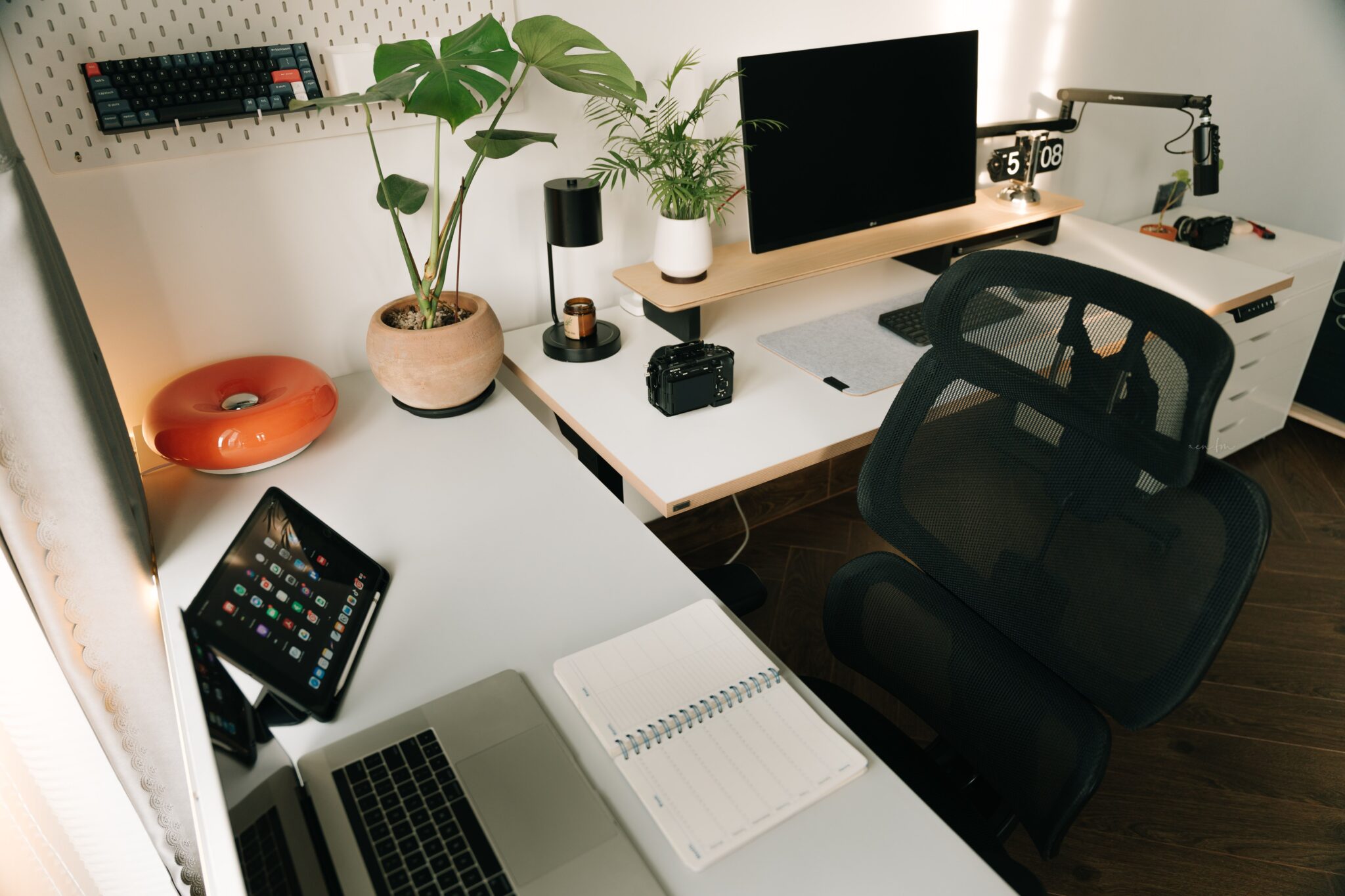
Changing your office setup can boost productivity and improve your physical well-being. Over time, an old or worn-out desk setup can make you feel completely drained and unmotivated. If you buy furniture without planning first, you might make a costly layout mistake right away. This guide will show you how to build a useful workspace from the beginning.
Assess Your Daily Workflow and Specific Task Needs
Before browsing any furniture listings, carefully examine the hours you actually spend working. Knowing how you spend most of your day enables you to select the precise amounts of surface area and storage you require.
Notice any ongoing physical complaints, like regular neck strain or lower back aches. Finding out all of these daily problems tells you precisely what kind of traditional furniture is failing your body. Instead of repeating the same old mistake, design your new space to address these problems.
Measure Your Room Layout and Map Power Outlets
It’s very frustrating to order nice office furniture only to find that it gets in the way of the door or walkway. Now, with a standard tape measure, document the precise dimensions of the floor and wall space you will have available. Don’t forget to leave a generous amount of breathing space to roll your office chair back smoothly.
Also, note the exact locations of all your wall power sockets, internet connections, and room windows. Mapping out these fixtures saves you from running messy, hazardous extension cords across your new walkways later.
Source Quality Pieces from a Trusted Commercial Supplier
Get the dimensions of your room straight before you go shopping for the pieces of furniture you’ll need. You can be confident that your new setup will withstand the constant, heavy use of commercial-grade furniture. Look for seat-stand tables, mobile storage units, and ergonomic office chairs that you can adjust to suit your needs.
Reputable sellers offer a wide variety of superior designs for a smooth experience. Investing in sturdy furniture will guarantee that your office will be a pleasant place to work for many years to come.
Establish a Clean and Effective Cable Management Strategy
When power cords and computer cables get tangled up, they make the workspace look bad. These dangling cables are not pretty, but they collect dust and pose a real trip hazard. Think of smart ways to control and organise your cable management in your surroundings.
Search for up-to-date desks that already have cable grommets installed and storage under the desk or coverage for your spine. Getting your workstation neat with no cords can help you focus more.
Incorporate Proper Ergonomic Accessories and Task Lighting
Fine-tuning your space to suit your personal physical comfort is the final step in your planning guide. Poor lighting in a room creates an impact on eye strain and fatigue, so the main desk ideally sits next to a natural window.
Add an adjustable LED task lamp to keep your paperwork well-lit during late nights so long as you need extra light. Then arrange for placement of ergonomic add-ons like adjustable monitor arms and comfortable keyboard wrist rests. These smaller adjustments can guarantee you keep your eyes, wrists, and shoulders in a natural, neutral position.
Step Into a Productive and Refreshing New Workspace
A workspace update is the most rewarding project that provides massive long-term professional returns. Be flexible with the layout to transition seamlessly to any future tech changes you may bring in. Optimal working conditions can be achieved with the help of the new office layout. Your daily productivity will soar to new heights as your comfort level skyrockets.