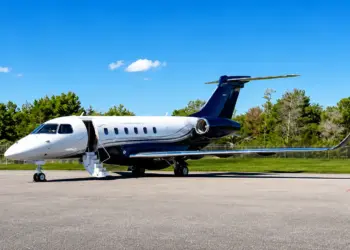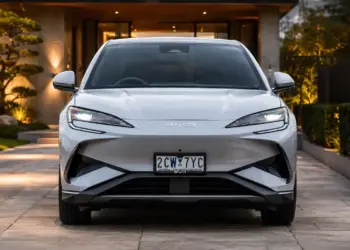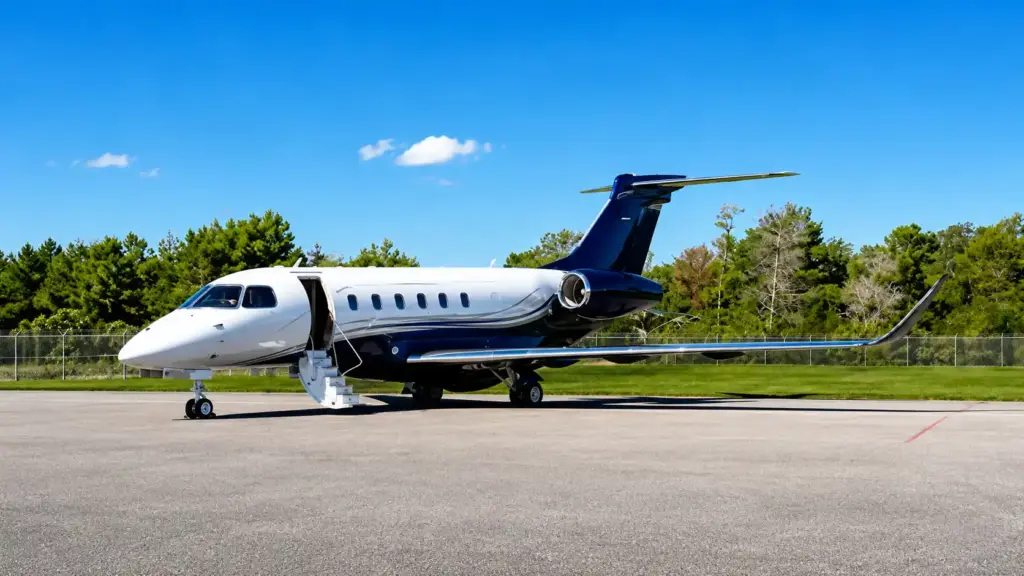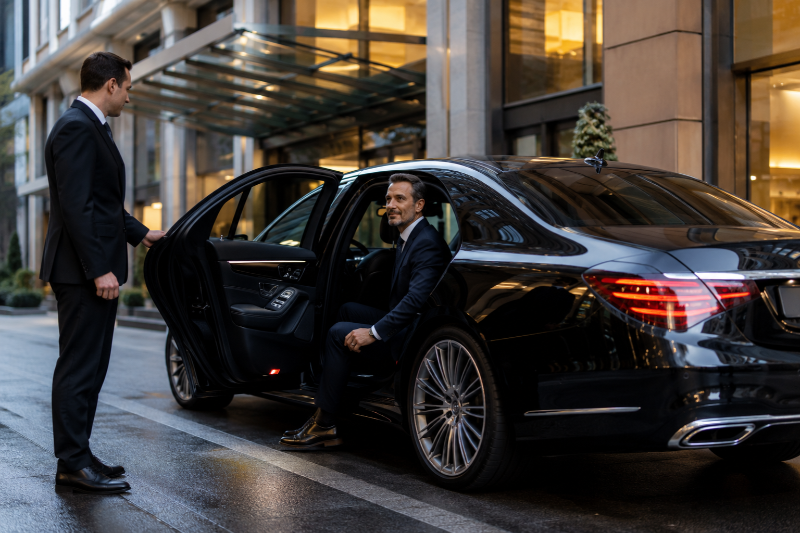
The market for chauffeur-driven cars for executives continues to evolve rapidly in 2026. As global business travel expands and executive schedules become increasingly demanding, luxury transportation has transformed from a convenience into a strategic business asset. Senior executives, corporate leaders, diplomats, entrepreneurs, and high-net-worth individuals now expect a first-class travel experience that extends beyond airports and private jets to every journey on the ground.
Modern executive mobility places greater emphasis on passenger experience than ever before. While performance remains important, rear-seat comfort, privacy, connectivity, and refinement now define the true value of a luxury vehicle. Consequently, manufacturers have shifted their focus toward creating sophisticated cabins that function as mobile offices and private sanctuaries.
Moreover, executive travel increasingly reflects corporate identity and professional status. A flagship luxury sedan arriving at a board meeting communicates professionalism, stability, and prestige. Meanwhile, advancements in electric and hybrid technologies are delivering quieter cabins and smoother ride quality, further enhancing the appeal of premium chauffeur vehicles.
As global chauffeur service markets continue to grow, executives increasingly favor silent, technology-rich vehicles that maximize productivity during transit. Therefore, the best chauffeur-driven cars for executives in 2026 are designed not only to transport passengers but also to support modern business lifestyles.
Why Chauffeur-Driven Cars Are the Standard for Executives
Executive schedules demand efficiency. Time spent in traffic can either become lost productivity or valuable working time. Therefore, many business leaders choose chauffeur-driven transportation because it allows them to focus on meetings, communications, and strategic decision-making while traveling.
Privacy represents another critical advantage. Executives frequently discuss confidential information, participate in virtual meetings, and review sensitive documents during journeys. Consequently, premium chauffeur vehicles provide quiet environments where business can continue uninterrupted.
Moreover, urban congestion continues to increase across major global cities. Rather than dealing with navigation, parking, and traffic stress, executives can remain focused on professional priorities while experienced chauffeurs manage transportation logistics.
Key benefits include:
- Increased productivity during travel
- Enhanced privacy for business discussions
- Reduced stress and fatigue
- Consistent premium travel experience
- Stronger corporate image and prestige
As a result, chauffeur-driven mobility has become an essential component of executive transportation strategies worldwide.
The Best Chauffeur-Driven Cars for Executives in 2026
Mercedes-Benz S-Class
The Mercedes-Benz S-Class remains the benchmark for executive transportation. For decades, it has defined what luxury sedans should offer to rear-seat passengers.
The cabin delivers exceptional comfort through advanced air suspension, executive seating packages, and industry-leading noise isolation. Moreover, rear passengers enjoy reclining seats, massage functions, ambient lighting, and premium entertainment systems designed specifically for long journeys.
Consequently, the S-Class continues to serve as the gold standard among chauffeur-driven cars for executives.
BMW 7 Series and BMW i7
BMW has transformed the executive limousine segment with the latest BMW 7 Series and fully electric i7. While previous generations emphasized driving dynamics, the newest models prioritize passenger luxury and technological sophistication.
The Theatre Screen rear entertainment system, premium seating options, and electric powertrain refinement create a unique executive experience. Furthermore, the i7’s silent operation significantly enhances passenger comfort during urban travel.
Therefore, technology-focused executives increasingly favor BMW’s flagship limousine.
Audi A8 L
The Audi A8 L represents understated luxury at its finest. Unlike some competitors that emphasize visual presence, Audi delivers elegance through engineering precision and refinement.
Its long-wheelbase configuration provides exceptional rear legroom. Additionally, advanced suspension systems absorb road imperfections effortlessly, creating a smooth and relaxing travel experience.
Consequently, the A8 L appeals to executives who prefer quiet sophistication over overt luxury.
Rolls-Royce Ghost
Few vehicles match the prestige and exclusivity of the Rolls-Royce Ghost. Designed specifically around passenger comfort, the Ghost delivers an experience that resembles a private luxury lounge more than a traditional automobile.
Every surface, material, and technology component reflects meticulous craftsmanship. Moreover, its near-silent cabin creates an unmatched environment for relaxation or confidential business discussions.
As a result, the Ghost remains a preferred choice for ultra-high-net-worth executives and VIP transportation services.
Lexus LS
The Lexus LS offers a compelling blend of luxury, reliability, and long-distance comfort. While it may receive less attention than some European competitors, it consistently delivers exceptional ownership and passenger experiences.
The cabin emphasizes serenity through superior insulation, comfortable seating, and smooth ride characteristics. Furthermore, Lexus reliability provides significant advantages for executive fleet operators.
Consequently, the LS remains a strong contender within the luxury chauffeur segment.
Range Rover Autobiography LWB
Luxury SUVs have become increasingly popular among executives, and the Range Rover Autobiography LWB sits at the top of this category.
Its commanding seating position, spacious rear cabin, and exceptional ride quality combine SUV practicality with limousine-level comfort. Moreover, executives appreciate the vehicle’s prestige, versatility, and strong road presence.
Therefore, the Range Rover continues to attract business leaders seeking an alternative to traditional executive sedans.
Executive Chauffeur Vehicle Comparison
| Model | Rear Comfort | Ride Quality | Prestige Level | Executive Use Case |
|---|---|---|---|---|
| Mercedes-Benz S-Class | Exceptional | Exceptional | Very High | Corporate leadership |
| BMW 7 Series/i7 | Excellent | Excellent | High | Technology-focused executives |
| Audi A8 L | Excellent | Excellent | High | Understated luxury travel |
| Rolls-Royce Ghost | Ultra-Luxury | Exceptional | Elite | VIP and UHNW clients |
| Lexus LS | Excellent | Very Good | High | Reliable executive fleets |
| Range Rover Autobiography LWB | Excellent | Excellent | Very High | Executive SUV transport |
What Defines a Perfect Chauffeur-Driven Luxury Car?
The most important luxury metric is no longer acceleration or handling performance. Instead, passenger experience determines whether a vehicle excels as an executive transport solution.
Rear-seat comfort begins with generous legroom, reclining functionality, premium materials, and ergonomic seating design. Moreover, long-distance comfort depends heavily on suspension tuning and seat engineering.
Noise isolation also plays a critical role. Executives frequently conduct business during travel, therefore cabin silence directly impacts productivity and comfort. Manufacturers increasingly invest in advanced acoustic technologies to create peaceful environments.
Essential characteristics include:
- Extended rear legroom
- Executive reclining seats
- Advanced air suspension
- Superior cabin insulation
- Premium climate control systems
- Privacy-focused design elements
As a result, rear-seat refinement has become the defining characteristic of luxury chauffeur vehicles.
Technology Transforming Executive Chauffeur Cars
Technology increasingly shapes the executive travel experience. Modern luxury vehicles now function as sophisticated productivity platforms rather than simple transportation tools.
AI-driven climate systems automatically adjust cabin conditions according to passenger preferences. Meanwhile, intelligent seating systems adapt support, temperature, and massage functions based on individual comfort requirements.
Connectivity has also advanced significantly. Executives can participate in video conferences, access cloud-based work environments, and maintain continuous communication while traveling.
Key technological innovations include:
- AI-powered comfort optimization
- Rear executive entertainment displays
- Advanced connectivity ecosystems
- Predictive comfort technologies
- Enhanced driver assistance systems
Consequently, luxury vehicles increasingly support productivity as effectively as traditional office environments.
Traditional vs Modern Executive Vehicle Features
| Feature | Traditional Limousine | Modern Executive EV/Sedan | Impact on Executives | Luxury Advantage |
| Cabin Noise | Moderate | Extremely Quiet | Better concentration | Enhanced comfort |
| Connectivity | Basic | Advanced Cloud Access | Improved productivity | Mobile office capability |
| Climate Control | Manual | AI-Assisted | Personalized comfort | Premium experience |
| Seating | Fixed Luxury | Adaptive Smart Seating | Reduced fatigue | Superior ergonomics |
| Safety Systems | Standard | Predictive Assistance | Increased security | Advanced protection |
SUVs vs Sedans in Chauffeur-Driven Executive Travel?
Luxury SUVs continue gaining popularity among executive travelers worldwide. While traditional sedans remain dominant in many markets, SUVs increasingly attract business leaders seeking versatility and presence.
One major advantage involves elevated seating positions. Executives often appreciate improved visibility and easier entry and exit. Moreover, SUVs project authority and confidence, particularly in regions where road conditions vary significantly.
However, traditional luxury sedans still offer superior ride refinement and lower centers of gravity. Consequently, many chauffeur services continue to prefer flagship sedans for maximum passenger comfort.
Regional preferences differ considerably:
- United States favors luxury SUVs
- Europe continues supporting executive sedans
- Middle East increasingly embraces premium SUVs
- Asia maintains strong limousine demand
Therefore, both segments will remain important components of executive mobility fleets.
Why Brand Prestige Still Matters in Executive Transport?
Brand perception continues influencing executive transportation decisions. While comfort and technology remain essential, prestige often shapes first impressions during important business interactions.
Arriving in a flagship luxury vehicle communicates professionalism, stability, and attention to detail. Consequently, corporations frequently select premium transportation providers that operate globally recognized luxury brands.
Moreover, luxury automotive heritage contributes significantly to brand trust. Vehicles such as the Mercedes-Benz S-Class and Rolls-Royce Ghost have developed reputations over decades of executive service.
Factors driving brand importance include:
- Corporate image enhancement
- Client impression management
- Global brand recognition
- Proven luxury heritage
- Trust and reliability expectations
As a result, brand prestige remains a critical component of executive mobility strategies.
The Future of Chauffeur-Driven Cars Beyond 2026
The next phase of executive transportation will combine electrification, automation, and digital productivity technologies. Consequently, luxury mobility will continue evolving beyond traditional automotive boundaries.
Electric powertrains already deliver significant advantages through silent operation and instant responsiveness. Moreover, future battery technologies will further improve efficiency and passenger comfort.
Autonomous systems also continue advancing rapidly. While fully autonomous executive fleets remain under development, AI-assisted driving technologies increasingly enhance safety and ride smoothness.
Future trends include:
- Autonomous luxury transportation
- Electric limousine dominance
- AI-assisted chauffeur systems
- Sustainable executive mobility
- Subscription-based transportation services
Therefore, executive travel experiences will become increasingly seamless, intelligent, and environmentally responsible.
Unique Insight: The Transformation of Luxury Mobility
The evolution of chauffeur-driven cars for executives reflects a broader transformation within luxury transportation itself. Historically, vehicle ownership symbolized success and status. Today, however, experience increasingly outweighs ownership.
Executives now prioritize outcomes rather than possessions. Consequently, productivity, privacy, comfort, and convenience have become more valuable than traditional performance metrics. The rear seat has effectively become the most important area of the vehicle.
Moreover, electrification is accelerating this shift. Electric luxury sedans provide unprecedented levels of silence and refinement, creating ideal environments for business activity and relaxation. As a result, executive passengers increasingly view transportation as an extension of their professional ecosystem.
The modern executive car is no longer merely transportation. Instead, it functions as a mobile office, private meeting room, wellness space, and productivity hub. Furthermore, future innovations will integrate autonomous capabilities, advanced connectivity, and personalized comfort systems into unified mobility experiences.
Therefore, the future of executive transportation will center on delivering seamless, intelligent, and highly personalized travel experiences that maximize both comfort and efficiency.
FAQs
What are the best chauffeur-driven cars for executives in 2026?
Leading choices include the Mercedes-Benz S-Class, BMW i7, Audi A8 L, Rolls-Royce Ghost, Lexus LS, and Range Rover Autobiography LWB.
Why do executives prefer chauffeur-driven cars?
They provide privacy, productivity, convenience, reduced stress, and a premium travel experience.
Is the Mercedes S-Class still the best executive car?
Yes. The S-Class remains the industry benchmark for luxury, comfort, technology, and executive transportation.
What is the most comfortable luxury car for passengers?
The Rolls-Royce Ghost and Mercedes-Benz S-Class are widely regarded as among the most comfortable passenger-focused luxury vehicles.
Are SUVs used for executive chauffeur services?
Yes. Luxury SUVs such as the Range Rover Autobiography have become increasingly popular in executive fleets.
What features matter most in chauffeur-driven cars?
Rear-seat comfort, ride quality, cabin silence, privacy, connectivity, and safety technologies are the most important factors.
Is the BMW 7 Series good for executive travel?
Yes. The BMW 7 Series and i7 offer exceptional technology, comfort, and rear-passenger amenities.
What is the future of chauffeur-driven luxury cars?
The future includes electric powertrains, autonomous technologies, AI-assisted mobility systems, and enhanced digital productivity features.
Are electric cars good for chauffeur services?
Yes. Electric luxury vehicles provide quieter cabins, smoother operation, and improved passenger comfort.
Which luxury brand is best for executive mobility?
Mercedes-Benz remains the benchmark, while Rolls-Royce, BMW, Audi, Lexus, and Range Rover each offer compelling executive mobility solutions.