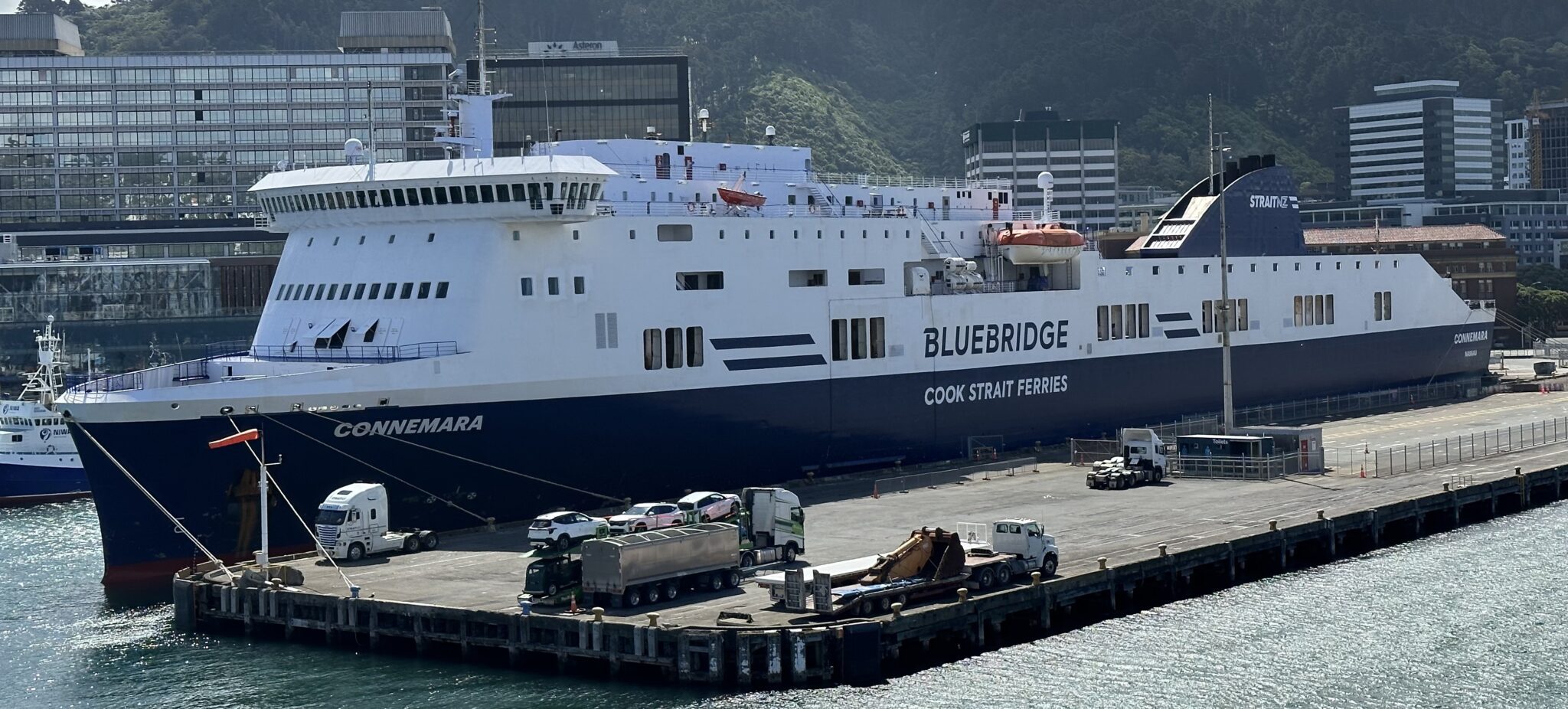
When a truck crosses New Zealand’s Cook Strait, it links two stretches of the country’s highway network that have no bridge or tunnel between them. The ferry operator collecting the fare also has to keep ships crewed, maintained and ready to sail. That combination of recurring freight demand and expensive equipment is at the center of Partners Group’s agreement to buy StraitNZ.
The Swiss private-markets manager, acting on behalf of its clients, announced the deal in Sydney on Nov. 23. The seller, Morgan Stanley Infrastructure Partners, announced it in New York on Nov. 22. Partners Group expects closing in the first half of 2027, subject to customary conditions and approval from New Zealand’s Overseas Investment Office.
One route, two kinds of revenue
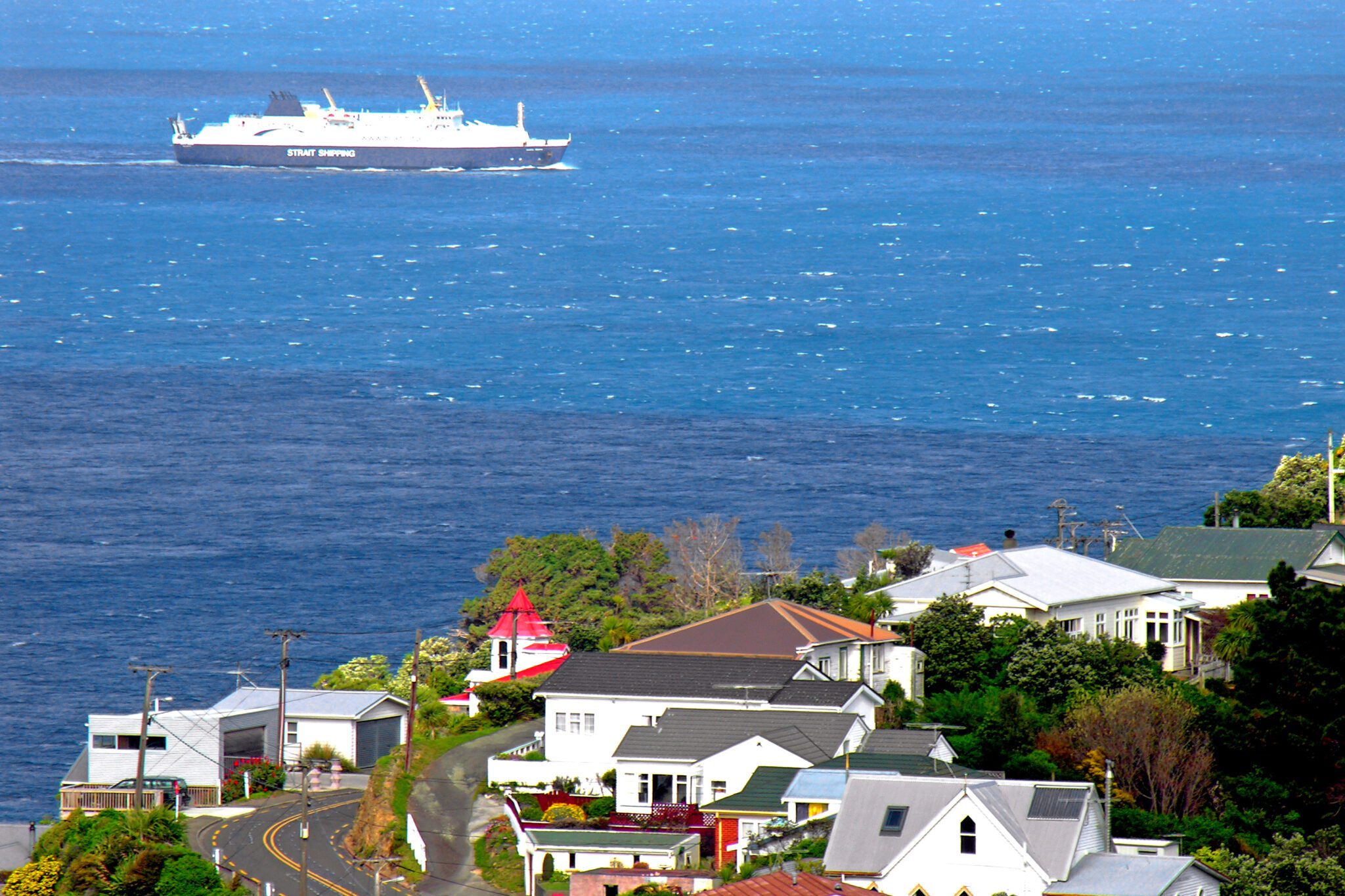
StraitNZ’s Bluebridge ferries, Connemara and Livia, carry passengers and freight between Wellington and Picton. The group also runs road haulage and freight-forwarding services, so it can coordinate both legs of a shipment. Its one competitor on the route is government-controlled, according to Partners Group.
For some commercial customers, the company uses three-year, inflation-linked take-or-pay freight contracts, according to Morgan Stanley. In a typical take-or-pay arrangement, a shipper commits to pay for an agreed minimum even if it uses less capacity.
Morgan Stanley, which invested in March 2022, says StraitNZ completed a fleet refresh and secured multi-decade port lease extensions during its ownership. Partners Group identified sales channels and digital upgrades as areas it wants to improve. It did not announce new vessels or changes to the service timetable.
What infrastructure investors would want to see
For a family office assessing an income-oriented infrastructure fund, the first question is how much contracted revenue remains after the operator pays to keep the route running. A ferry can incur dry-docking costs and lose sailings at the same time. With two vessels, one unavailable ship can complicate capacity planning. Investors would want to see the schedule for major maintenance and the substitute capacity available, then compare expected cash flow with those costs.
“Freight users are likely to quickly transition to the most cost-effective option available,” New Zealand’s Ministry of Transport said in a 2024 briefing released under the Official Information Act. The ministry pointed to competition between operators and to coastal shipping for cargo that can use it. The government says rival KiwiRail will operate two new rail ferries due in 2029. That makes the timing of StraitNZ’s freight renewals relevant to the deal: How much revenue comes up for renewal around the time those ferries enter service? The parties did not disclose that schedule.
Featured image: Bluebridge’s Connemara at its Wellington terminal in February 2023. Photo: Tom Ackroyd (Quilt Phase) / Wikimedia Commons (CC BY-SA 4.0). Source · License