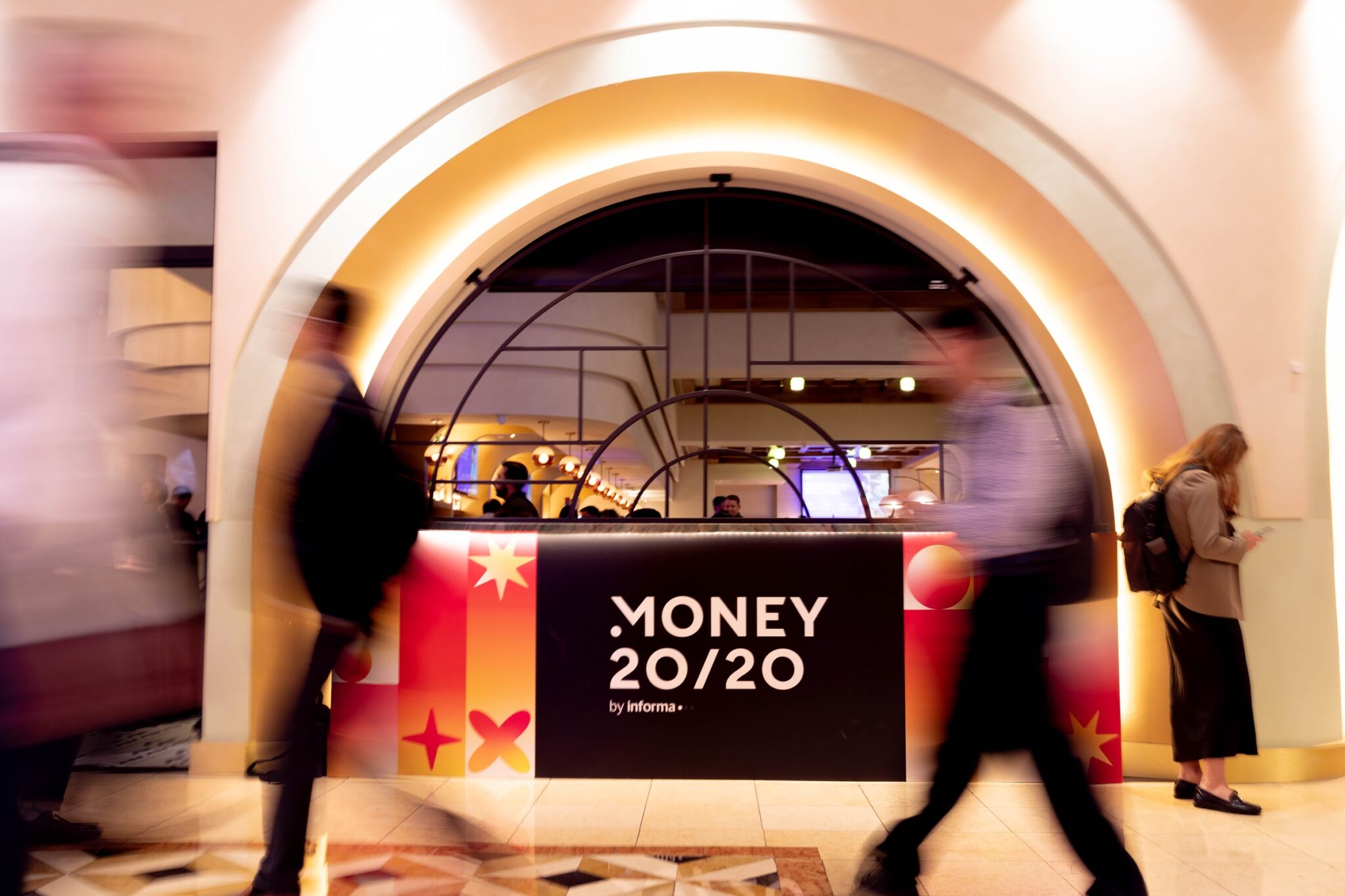
For the Impact Wealth audience, these developments have practical implications. The ability to move funds across borders, settle transactions more efficiently and connect cash with investment opportunities affects business operations and has implications for the overall management of wealth. Several conversations at the show offered a clearer view of what that could look like.
Cross border payments remain a question of connection and regulation policy
Research released by Money20/20 and FXC Intelligence put the scale of international money movement in perspective. FXC estimates that the Americas’ outbound retail cross-border payments market reached $9.4 trillion in 2025, representing 21% of global outflows, and projects it will reach $14 trillion by 2033. The accompanying report examined 650 industry articles covering the United States, Canada and Mexico over 12 months.
Interoperability, meaning the ability of different payment systems to work together, appeared in 38% of the articles analyzed. Stablecoins, tokenization and blockchain featured in 33%, while real-time payments appeared in 31%. Geopolitics and trade, and policy and regulation, each appeared in 36%. These figures measure the subjects receiving industry attention, rather than the adoption rates of particular technologies.
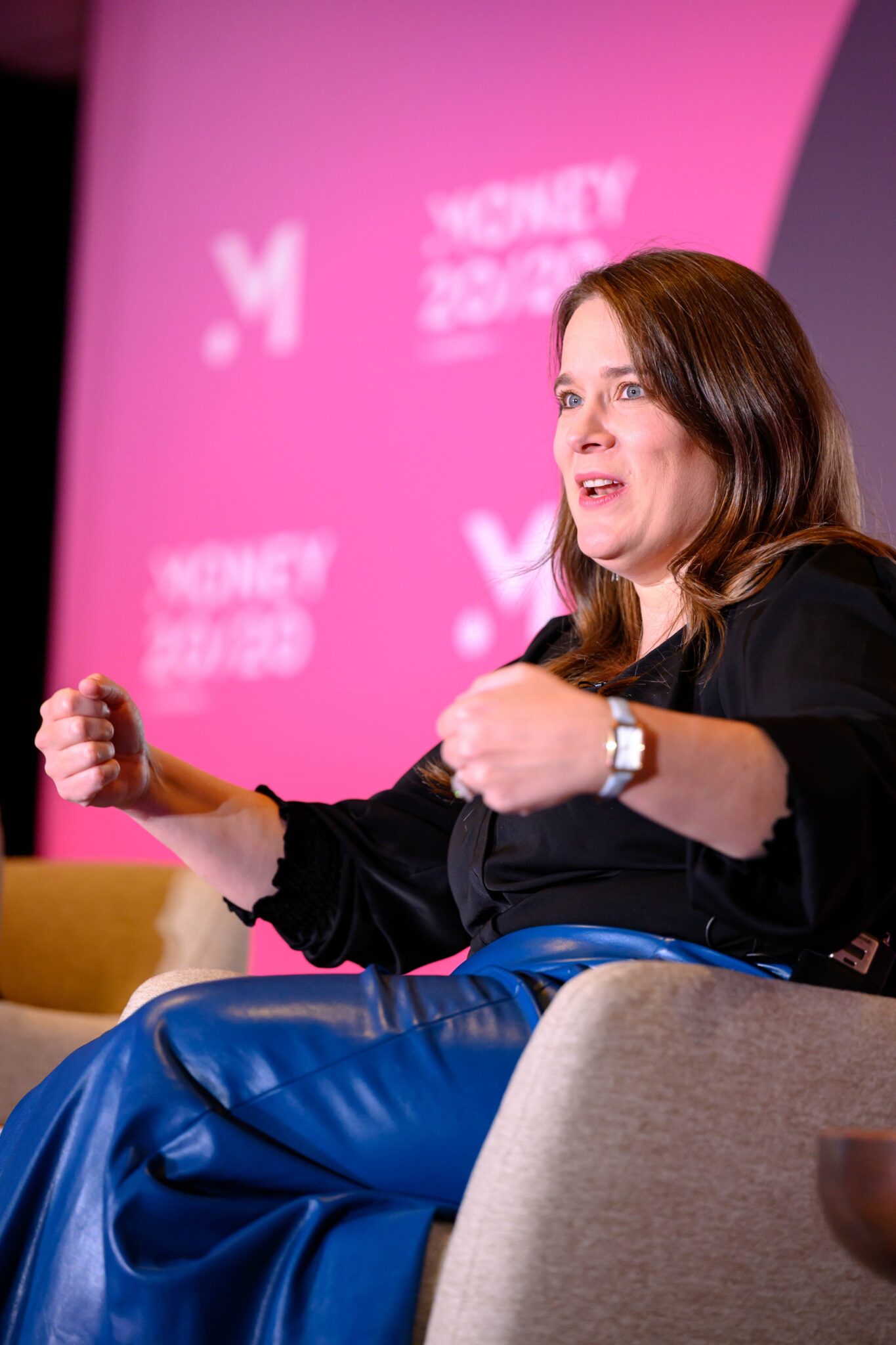
A related session, Where Geopolitics, Capital and Tech Collide, brought together Standard Chartered’s Mandy DeFilippo, Penumbra Strategies’ Carole House and the Bank of Jamaica’s Annissa Thompson, moderated by Plaid’s Jelena McWilliams. Their discussion examined how national priorities and control over critical infrastructure intersect with globally connected markets.
As DeFilippo put it, “the world isn’t becoming less connected. It’s becoming more complicated.” Her observation captures the tension between globally operating businesses and governments seeking greater control over critical infrastructure.
Stablecoins are finding a place in everyday payments
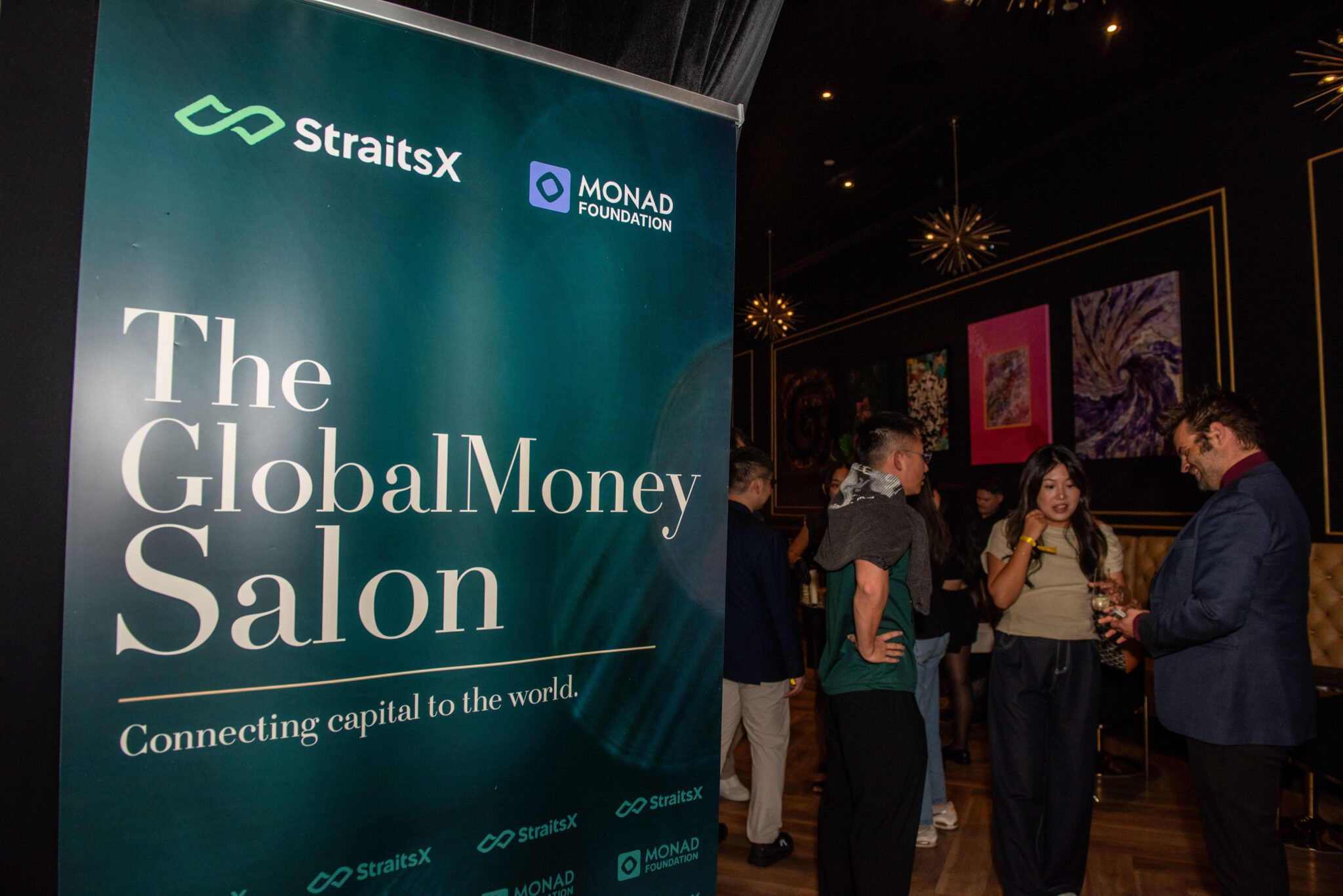
StraitsX’s partnership with Visa, announced just ahead of the conference on October 15, offers a look at how these payments can work together and bring stablecoins to everyday consumers around the world. The company said the partnership expands its card issuing capabilities to support eligible stablecoin-backed card programs in more than 100 markets. StraitsX also reported annualized card gross transaction volume exceeding US$6 billion across its programs in Asia.
“Stablecoin-backed cards have become one of the clearest examples of how stablecoins can move beyond settlement and into everyday payments,” Liu said in the partnership announcement.
The appeal is pretty straightforward. A business can connect stablecoin balances with a card network that consumers and merchants are familiar with. Stablecoins support the underlying funding and settlement, and the customer pays using Visa which they have regularly used for decades. Adoption becomes easier as the new infrastructure fits into existing spending habits.
Tokenization brings the investment question into focus
In The Tokenized RWA and Stablecoins Flywheel, speakers from Coinbase, Citi, Stripe and Valinor explored the relationship between digital cash and tokenized real-world assets. The discussion connected stablecoin liquidity with the investments that money could fund, including assets represented and transacted on blockchain networks.
“I think the zoom-out view is that we’re moving from a financial system that’s largely closed and very siloed across multiple different asset classes into this open, global, programmable financial system, and that was always the vision that got us really excited at Coinbase. It started with stablecoins and tokenized cash – I think about it like oil for that new financial ecosystem,” said Shan Aggarwal, Coinbase’s Chief Business Officer and Head of IR, during the session. “As you have more tokenized dollars that exist on chain, the next step is moving those into productive assets. And every asset that gets issued on chain, it creates a more robust and healthy ecosystem where there’s more value for everyone who holds a tokenized dollar or a tokenized money market fund or a tokenized stock.”
For investors and family offices, the potential extends to how capital is deployed and how transactions settle. Shorter settlement times could reduce the period between committing funds and receiving an asset. Broader access could also change distribution. The practical test is whether an investment structure delivers the rights, liquidity and protections its holders expect.
AI is changing who initiates the transaction
In The Intelligence Layer: How AI Is Rewiring Financial Services, Plaid CEO Zach Perret and Perplexity CEO and Co-Founder Aravind Srinivas joined Money20/20’s Scarlett Sieber to explore how AI could change financial services and the customer relationship. As software begins to act on a user’s behalf, permissions and access to financial information become central to the experience.

That potential also surfaced in Goodbye TradFi: Crypto Is the Future of Consumer Fintech. “It seems reasonable to me that stablecoins will be like the native currency of that agentic economy, which is probably the thing that’s going to bring crypto volumes and crypto as a broader product category to the true, true, true mainstream. If I had to guess, and seeing the growth rate of some of these agentic products that you know we’re investors in, it has to be very optimistic about that as a, like, not a 10-year mega trend, which seemed like pretty straightforward a year ago, but more of a two to three-year hyper growth cycle,” said Andrew Reed, General Partner at Sequoia Capital. His prediction tied stablecoin adoption to the growth of AI products capable of transacting on a user’s behalf.

My takeaway is that AI’s financial role will increasingly involve execution. A system that can recommend a purchase and arrange payment needs clear spending limits, a record of its actions and an accountable party when something goes wrong.
Trust carries a measurable cost
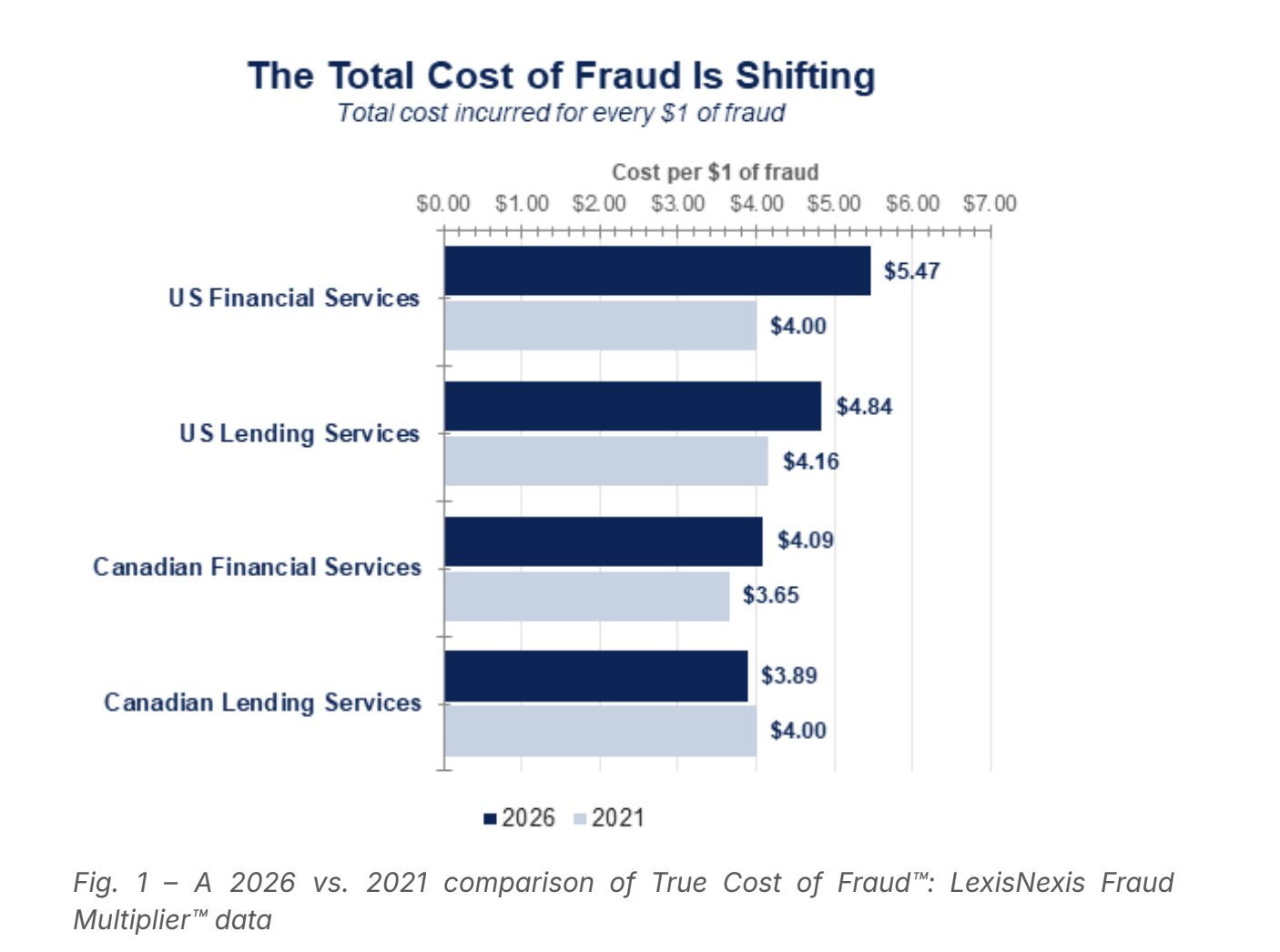
The security challenge was illustrated by the LexisNexis Risk Solutions True Cost of Fraud Study 2026 North America. According to the study, every $1 of fraud loss costs US financial services firms $5.47 in total when associated expenses are included, up from $4.00 in 2021. Websites and mobile apps accounted for 69% of fraud losses reported in the study.
Respondents estimated that AI-generated techniques contributed to 19% of fraud losses in the US and 25% in Canada. Meanwhile, 56% said fraud prevention strategies had increased customer churn, illustrating the difficulty of keeping legitimate transactions convenient while protecting customers.
“Fraud continues to evolve across every stage of the customer journey, and digital channels and AI-assisted techniques are increasing the speed, scale and complexity of attacks,” said Kimberly White, Senior Director, Fraud and Identity, North America, at LexisNexis Risk Solutions, in the study announcement.
Emerging companies are tackling specific problems
The Startup Media Session gave those themes a bit more focus. Charm Security, the early-stage startup Grand Prize winner at the 2026 Money20/20 Awards, described its use of AI and behavioral science to help institutions intervene in fraud. Trace Finance received the growth-stage startup Grand Prize. ZeroTier, winner of the Startup Pitch Competition, highlighted networking designed to address emerging quantum security threats.
“Scams and modern fraud exploit people, not just systems,” said Roy Zur, Co-Founder and CEO of Charm Security, in the Startup Media Session announcement. That emphasis on human behavior connected the company’s work with the broader challenge of protecting customers as financial services become more automated.
Well Invested Podcast
I had the pleasure of participating in the MoneyPot Money20/20 Podcast Booths at this year’s show, recording a new episode of Well Invested with John Netto, a veteran macro trader and attorney, and Tianwei Liu, CEO and Co-Founder of StraitsX. In the discussion we explore the intersection of regulation, technology and global capital flows and how stablecoins could fundamentally change the way money moves.