Can you add a second story to a house? Often, yes—but only if the property can legally accommodate it and the existing foundation, walls and connections can carry the new loads or be reinforced. The practical order is zoning check → structural feasibility → concept plan → itemized bids → resale and cash-flow test. A contractor’s square-foot price is useful only after those first two questions are answered.
For U.S. budgeting, Angi’s September 2026 cost guide reports a $175,000 national average and says most second-story projects cost $100,000–$250,000. It gives a broad $100–$300 per added square foot, with complex high-finish work potentially higher. Those figures are planning benchmarks, not a quote for your house; scope and location can move a full addition well outside the national range.
Start with the two feasibility gates
1. Is the addition allowed?
Ask the local building and planning department about height, setbacks, lot coverage, historic restrictions and any neighborhood or HOA rules. Do this before paying for full construction drawings. Seattle’s permitting guidance, for example, says an addition or alteration requires a construction permit. Your jurisdiction’s rules and review sequence may differ; the Seattle page is an example, not a national permit rule.
2. Can the existing house carry it?
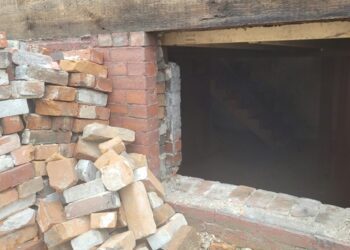
More floor area means more than the weight of bedrooms and furniture. The roof, new walls and floors must have a continuous path for gravity and lateral loads through the existing structure to the ground. A structural engineer familiar with local requirements should review available drawings and the condition and configuration of the foundation, bearing walls, floor and roof framing, connections and site conditions. Hidden footing dimensions or soil conditions may require opening finishes or further investigation.
An engineering assessment does not automatically mean the foundation must be rebuilt. It may show adequate capacity, identify a limited reinforcement strategy, or reveal work that makes the addition uneconomic. An old crack alone cannot settle this question. If the house already has a foundation concern, our buyer’s guide to foundation problems explains how to investigate the condition before committing to the property.
What does a second-story addition actually cost?
For a first pass, 800 added square feet multiplied by Angi’s broad $100–$300 per-square-foot benchmark yields $80,000–$240,000. That is arithmetic, not a property-specific estimate. A roof tear-off, stair opening, bathroom, complicated load transfer, limited access or a high-cost city can push a real bid beyond it. Angi’s own city and full-versus-partial examples vary widely, which is a good reason to avoid treating a national average as a ceiling.
Ask each bidder to separate these items so you can compare like with like:
- Design and approvals: survey if needed, architect, engineer, permit and plan review, and any required inspections.
- Existing-building work: roof removal, temporary weather protection, framing modifications, supports, foundation or wall reinforcement if designed, and repairs to the first floor.
- New space: structural frame, roof, windows, stairs, insulation, air sealing, exterior cladding, plumbing, electrical, heating/cooling and finishes.
- Living and carrying costs: temporary accommodation, storage, financing interest, insurance changes and a contingency for conditions concealed until construction.
Confirm whether a price includes tax, utility upgrades and restoration of landscaping and existing rooms. A low “addition cost” that excludes the staircase or structural strengthening may be a costly way to start.
The engineering questions that change the budget
Where do the new loads go? Stacking new bearing walls over existing supports can simplify the load path; moving them away from supports may require beams, posts, new footings and work in occupied rooms. This is a design question, not a reason to assume one layout is automatically safe.
Can you fit a stair without losing the value of the new floor? Deduct the stair and circulation area from the gross addition. If an 800-square-foot design sacrifices useful first-floor space, its net gain is smaller than the roof footprint suggests.
What happens at the old-to-new boundary? The roof opening and new wall/roof junction need a continuous weather, insulation and air-control strategy. The U.S. Department of Energy’s building-science guidance describes a complete air barrier around the building envelope. Ask the designer to detail the connection rather than relying on a vague promise that the new room will be “well insulated.”
What is still unknown? Request a written feasibility scope that states observations, assumed capacities, inaccessible areas, any testing needed and which reinforcement is included in the bid. A sketch or sales quote is not a structural design.
Does adding a second story make financial sense?
Compare the all-in addition cost with a realistic after-renovation value based on nearby comparable homes, not the value of square footage in isolation. Also compare it with selling and buying a larger home in the same area. If you intend to rent the property, include vacancy and construction carrying costs in the analysis; our investment-property cash guide shows why upfront reserves matter.
Here’s a simple break-even screen: a hypothetical $200,000 all-in project adding 800 usable square feet costs $250 per added square foot before any financing or selling costs. If a local agent’s comparables suggest the completed house gains only $160,000 in market value, the immediate paper shortfall is $40,000. That does not make the project automatically wrong—remaining in a valued neighborhood and gaining usable rooms have personal value—but it changes the investment case. Both $200,000 and $160,000 are illustrative inputs, not valuations or contractor quotes.
For a decision you can trust, ask for a local design-based price range, a second bid on the same plan, and a market-value opinion or appraisal scenario. Then stress-test a higher cost and a longer construction period. An addition that works only at the lowest estimate has little margin for hidden work.
A sensible sequence before you build
- Define the rooms and net usable area you need. Consider a partial upper floor, a rear addition, moving or a smaller remodel as alternatives.
- Confirm zoning and permit constraints with your local authority and review any HOA or historic rules.
- Commission the structural feasibility review before finalizing the floor plan or relying on a per-square-foot quote.
- Have the architect and engineer develop a buildable scheme with a clear load path, stair, roof tie-in and utility plan.
- Obtain itemized bids on the same documents, then compare total cash, schedule, contingency and likely completed-home value.
Quick answers
Can you add a second story to a ranch house?
Often, but a ranch’s single-level layout alone does not establish foundation or wall capacity. The house and local height rules need to be checked. A partial upper floor may create a different load path and budget than building over the entire footprint.
Do you have to move out?
Plan for the possibility, especially if the roof is removed and major first-floor work is needed. Ask the builder to specify the phases when the home cannot safely or comfortably be occupied; include housing and storage in the budget.
Will a second story increase resale value by its construction cost?
Not necessarily. Market comps, layout, quality, neighborhood price limits and project cost determine the result. Get a local valuation scenario before treating a $200,000 build as $200,000 of added equity.
Author context: Kaleem Khan has a BSc in Civil Engineering and an MEng, with work in structural engineering research. This U.S.-focused guide is a source-based planning framework, not an assessment or design for any specific house. A qualified local design team must verify the property and applicable rules.
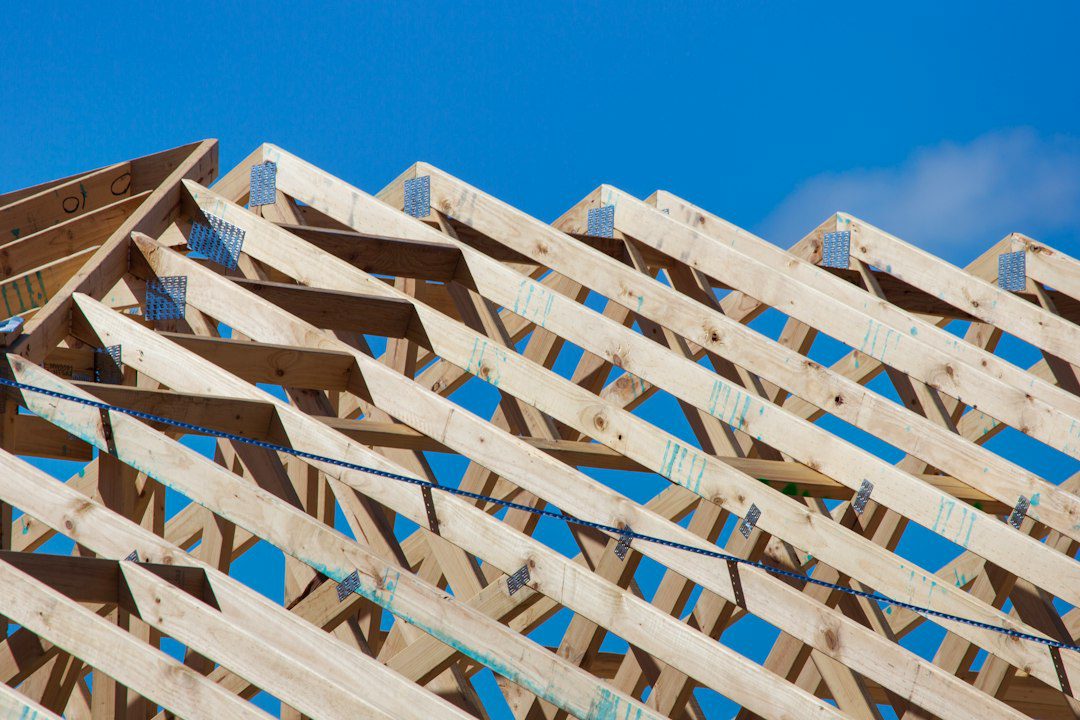
Featured image: Troy Mortier / Unsplash. New-home timber roof construction, used to illustrate framing; it is not an Impact Wealth second-story project.