From multimillion-dollar residences and blue-chip art collections to sprawling family compounds, a new generation of intelligent surveillance is transforming how affluent homeowners protect their most valuable assets.
In the world of private wealth, security has always been an essential, if discreet, consideration. Behind the gates of sprawling Hamptons estates, Manhattan penthouses, and waterfront compounds in Palm Beach, safeguarding valuable property is as much a part of wealth preservation as managing an investment portfolio or protecting a family legacy.
Yet the definition of residential security is changing.
As luxury homes become increasingly connected, a new generation of surveillance technology is bringing capabilities once reserved for commercial buildings and high-security facilities into the residential market. Artificial intelligence, facial recognition, panoramic imaging, and remote monitoring are making it possible to oversee multiple properties with greater precision and convenience.
For ultra-high-net-worth individuals, family offices, and estate managers, these advances represent more than another smart-home upgrade. They signal a shift toward a more proactive approach to protecting physical assets, managing household operations, and maintaining privacy.
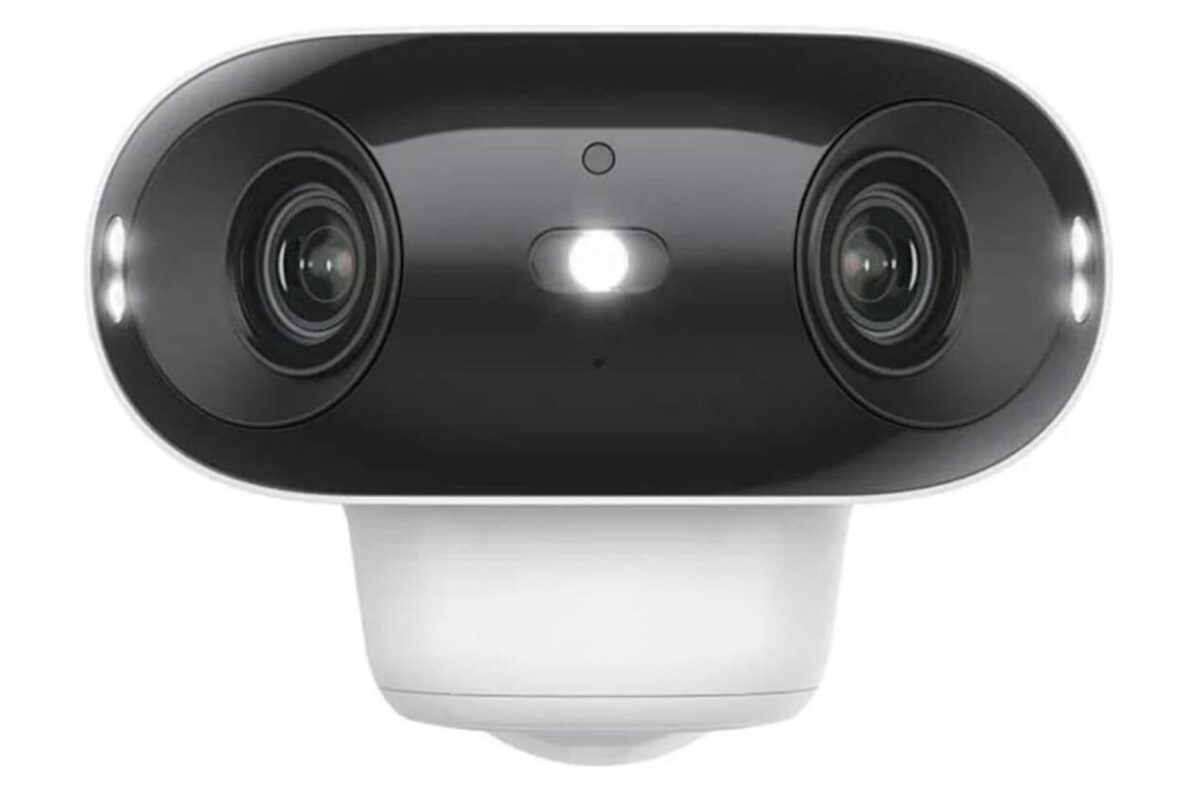
Companies such as Reolink and eufy are contributing to this evolution, introducing increasingly sophisticated camera systems that combine high-resolution imaging with intelligent monitoring and accessible mobile technology.
But as residential security becomes smarter, it also raises an important question: How can wealthy homeowners take advantage of these innovations without compromising the discretion and privacy that define luxury living?
Security as an Extension of Wealth Preservation
For affluent families, a residence is rarely just a home. It may also serve as a repository for significant financial and personal assets, from fine art and rare watches to collectible automobiles, jewelry, and irreplaceable family heirlooms.
A multimillion-dollar property can contain collections whose value rivals that of the real estate itself. Protecting these possessions requires a strategy that extends beyond traditional burglar alarms and perimeter gates.
Increasingly, homeowners are looking to technology to provide additional layers of oversight.
Modern security cameras can distinguish between people, vehicles, and animals, identify movement around sensitive areas, and provide real-time notifications when activity occurs. For families who maintain several residences, this capability can be particularly valuable.
Consider a homeowner who divides time between New York, the Hamptons, and South Florida. While a property manager may oversee day-to-day operations, remote surveillance can provide another level of visibility, allowing authorized individuals to verify deliveries, monitor entrances, and review unexpected activity without being physically present.
The objective is not to replace professional security personnel but to equip them with better information.
This distinction is especially relevant to family offices, where property oversight, risk management, and household operations often intersect.
Reolink: Expanding the Perimeter of the Modern Estate
For expansive residential properties, surveillance presents a different set of challenges than those encountered in a conventional urban home.
Long driveways, detached guesthouses, landscaped grounds, private docks, and multiple vehicle entrances can create blind spots that are difficult to monitor with traditional camera configurations.
Reolink has developed a broad portfolio of wired and wireless cameras designed to address these varied environments.
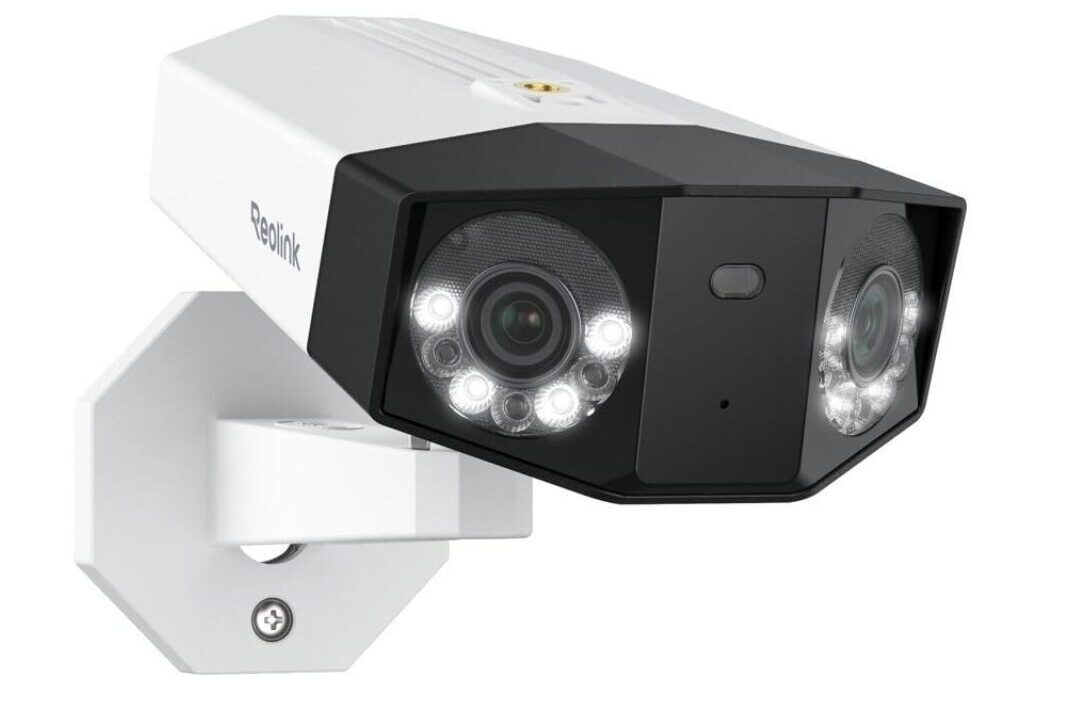
One example is the Reolink Duo 3 PoE, which combines two lenses to deliver a 16MP panoramic image covering approximately 180 degrees. For a property with a sweeping motor court or extensive outdoor entertaining area, the wider field of view may reduce the number of cameras required to monitor certain locations.
Its wired Power over Ethernet connection also offers a practical advantage for properties where stable connectivity and continuous recording are priorities.
For established estates where installing new wiring may be difficult or aesthetically undesirable, the Reolink Argus 4 Pro provides an alternative. The wireless camera incorporates 4K panoramic imaging and low-light color technology, allowing homeowners to monitor outdoor spaces with greater installation flexibility.
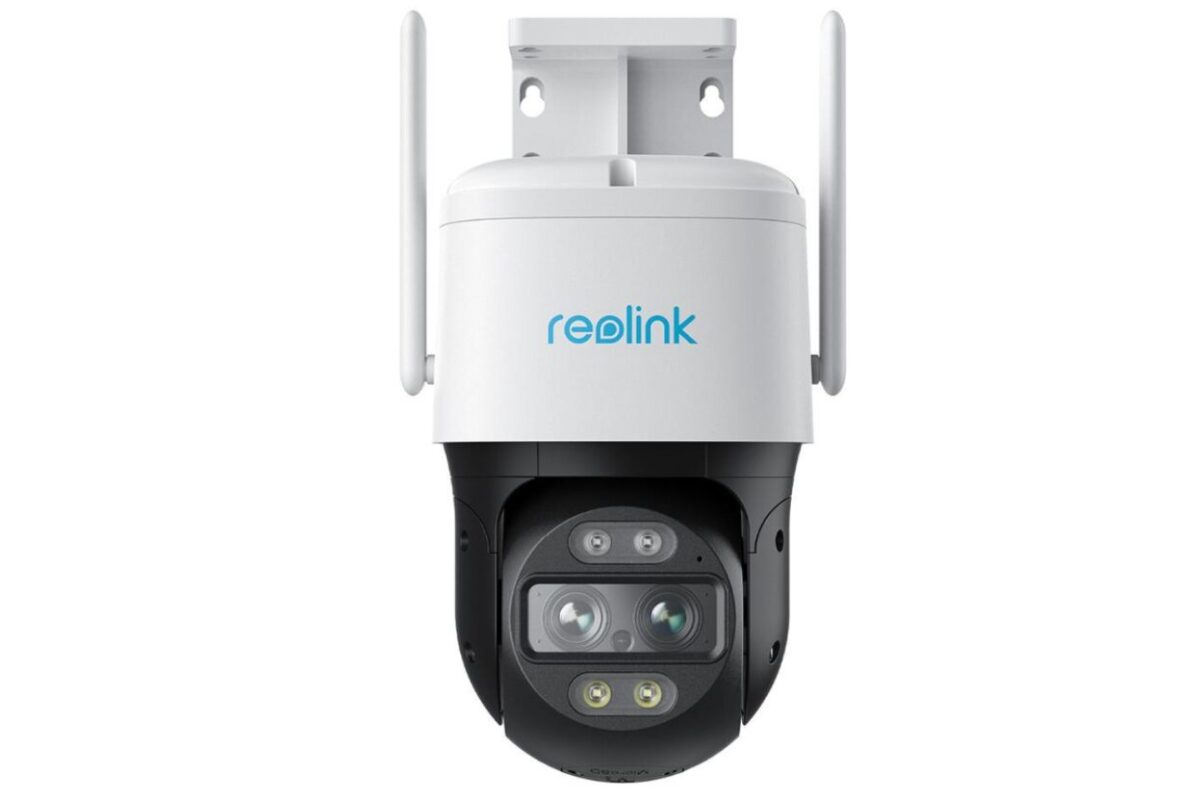
Meanwhile, Reolink’s TrackMix camera family combines wide-angle imaging with a closer tracking perspective, allowing supported models to follow movement while retaining a broader view of the surrounding area.
These capabilities can be useful for monitoring driveways, service entrances, garages, and other parts of an estate where activity occurs across a substantial area.
However, camera selection should reflect the property’s actual requirements. Wireless devices depend on charging and connectivity conditions, while wired systems require installation planning. In higher-risk environments, continuous recording, backup power, and professional monitoring may be more important than convenience alone.
For luxury homeowners, the most effective technology is not necessarily the most elaborate, but the system that provides reliable coverage without intruding on the property’s design.
eufy: Intelligent Security Meets the Connected Luxury Home
While Reolink offers an extensive range of surveillance configurations, eufy approaches residential security with an emphasis on connected devices, intelligent detection, and centralized management.
For homeowners accustomed to controlling lighting, climate, entertainment, and other household functions through integrated technology, security is becoming another element of the connected residential experience.
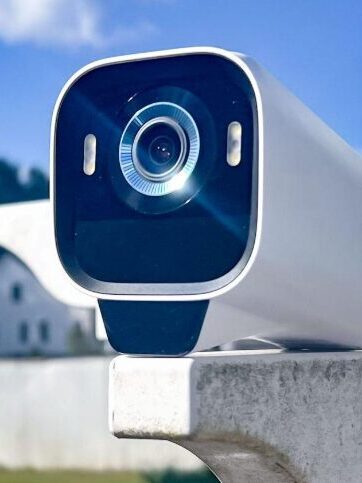
The eufyCam S3 Pro, for example, combines 4K imaging with MaxColor Vision technology designed to improve nighttime color footage. Its radar-assisted motion detection works alongside passive infrared sensing to help reduce unnecessary alerts.
This can be useful on properties surrounded by gardens, trees, and landscaped grounds, where conventional motion detection may generate frequent notifications.
Perhaps more relevant to privacy-conscious homeowners is eufy’s approach to local data storage.
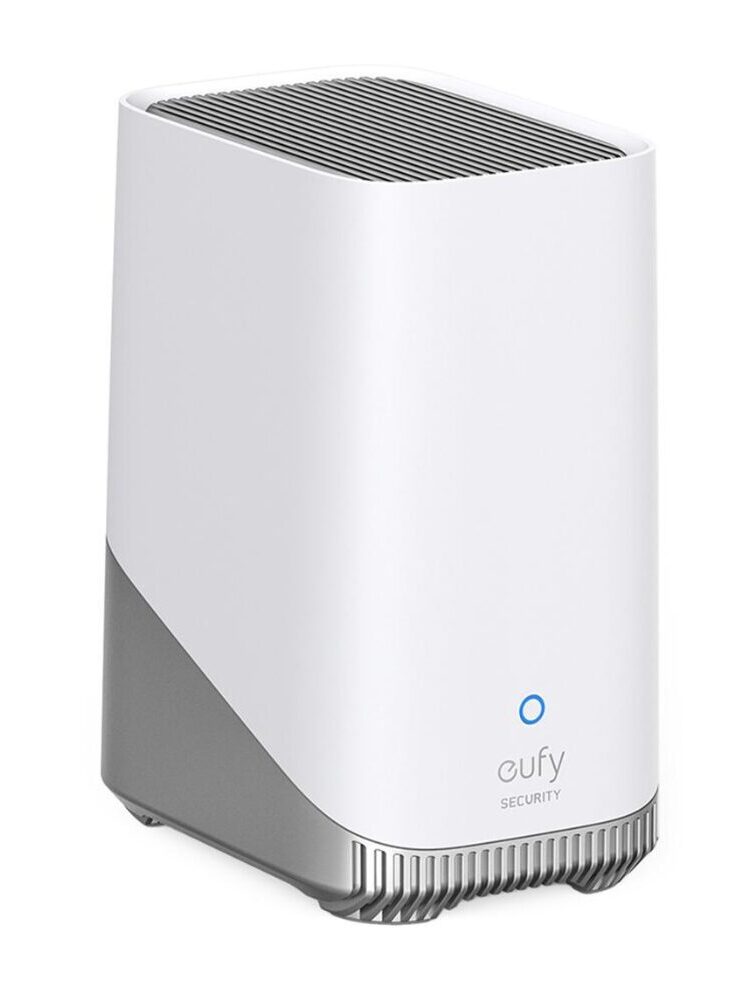
The company’s HomeBase 3 system supports local recording and AI-assisted recognition on compatible devices. Its BionicMind technology can help distinguish familiar faces from unknown individuals, adding context to security notifications.
For households employing domestic staff, private chefs, property managers, and maintenance teams, the ability to identify familiar visitors may simplify certain aspects of daily monitoring.
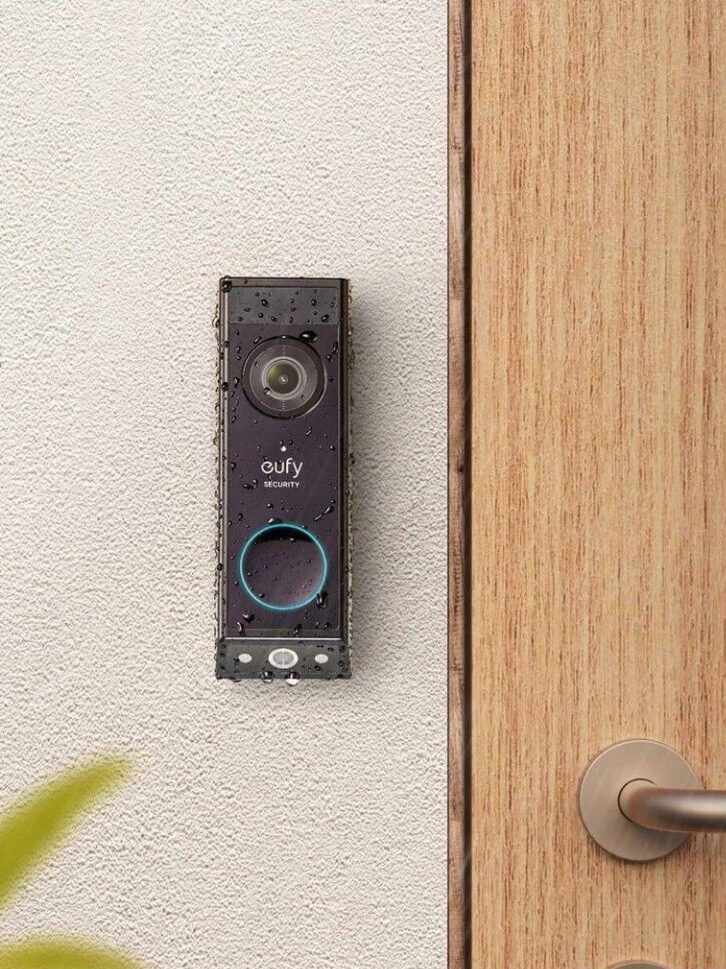
Eufy’s Video Doorbell E340, meanwhile, uses two cameras to capture both visitors and activity near the doorstep, addressing a more routine but increasingly important concern: managing access and deliveries.
Although these technologies can make home monitoring more convenient, facial recognition and connected surveillance require careful consideration. Homeowners should establish appropriate privacy policies, restrict access to recorded footage, and ensure their systems comply with applicable laws.
Local video storage may offer greater control over recordings, but it does not eliminate cybersecurity risks or the need for secure network management.
The Family Office Perspective: Managing a Portfolio of Properties
For wealthy families, residential real estate often represents a substantial and geographically dispersed portfolio.
A primary residence in Manhattan may be complemented by a seasonal estate in the Hamptons, a ski property in Aspen, and an international retreat. Each property may have its own staff, maintenance schedule, vendors, and security requirements.
Coordinating these operations is increasingly part of the modern family office’s responsibilities.
Connected surveillance can provide a useful layer of oversight, particularly when homes remain unoccupied for extended periods.
A property manager might use remote monitoring to confirm that maintenance personnel have arrived, verify activity around service entrances, or investigate an alert before dispatching staff.
However, implementing cameras across multiple residences also creates operational considerations that extend beyond the technology itself.
Who has access to each property’s surveillance footage? How long are recordings retained? What happens when an employee leaves? Who is responsible for responding to an alert at three in the morning?
These questions underscore the importance of treating residential security as a formal component of estate governance rather than a collection of individual consumer devices.
For larger property portfolios, family offices may benefit from standardized security policies, periodic cybersecurity reviews, and clearly defined procedures for managing access to sensitive information.
The Privacy Paradox of the Smart Estate
The growing sophistication of residential surveillance introduces a challenge particularly relevant to high-profile homeowners: the same technology designed to provide security can also create new vulnerabilities.
Connected cameras may capture sensitive information about residents, guests, household staff, and daily routines.
For individuals who value discretion, controlling that information is essential.
Local recording systems, such as those supported by certain Reolink and eufy products, can reduce dependence on cloud-based storage. However, the broader security architecture remains important.
Network protection, software updates, strong authentication, and restricted user permissions should all be part of the property’s technology strategy.
For homes with substantial security requirements, separating surveillance equipment from general household Wi-Fi networks and involving experienced cybersecurity professionals may provide additional protection.
There is also an important distinction between monitoring a property and creating an unnecessarily intrusive environment.
Thoughtful camera placement should prioritize entrances, perimeters, and other legitimate security concerns while respecting private living spaces and applicable privacy laws.
In luxury residential design, the most effective security systems are often those that remain largely unnoticed by residents and guests.
Where Technology Meets Architectural Discretion
The aesthetics of security are becoming increasingly important in the luxury residential market.
Architects and interior designers frequently work to create homes that feel open, serene, and connected to their surroundings. Conspicuous cameras, exposed wiring, and industrial-looking security equipment can undermine that vision.
This is one reason compact cameras, wireless configurations, and discreet installation methods are attracting attention.
Yet aesthetics should not override performance.
A camera positioned primarily to remain hidden may provide inadequate coverage, while an improperly placed wireless device may suffer from weak connectivity or insufficient solar exposure.
For new construction and major renovations, integrating security planning early in the architectural process can help balance design, reliability, and coverage.
For existing properties, professional installers can assess how equipment might be positioned to preserve the character of the residence without creating avoidable blind spots.
The objective is to make sophisticated security feel like a natural part of the home rather than an afterthought.
Choosing the Right Technology for a Luxury Property
For homeowners considering upgrades, Reolink and eufy offer different strengths rather than a universal solution.
| Estate security priority | Technology consideration |
| Large grounds and multiple entrances | Reolink’s panoramic and wired camera options |
| Monitoring driveways and moving vehicles | Reolink TrackMix dual-view tracking |
| Wireless installation and nighttime imaging | Reolink Argus 4 Pro or eufyCam S3 Pro |
| Recognizing familiar visitors | Compatible eufy cameras with HomeBase 3 |
| Monitoring deliveries and front-door access | eufy Video Doorbell E340 |
| Extensive collections or elevated security risks | Professionally designed, layered security infrastructure |
For a relatively self-contained urban residence, an integrated consumer security ecosystem may provide the necessary convenience and coverage.
For a sprawling estate with multiple structures, valuable collections, and extensive grounds, a more comprehensive system involving wired cameras, professional monitoring, access controls, and backup infrastructure may be appropriate.
Ultimately, security planning should begin with a property-specific risk assessment rather than a product shopping list.
The Future of Estate Security Is Proactive, Not Reactive
As artificial intelligence continues to advance, the next chapter in luxury residential security will be defined less by the number of cameras installed and more by the intelligence of the systems behind them.
Better image processing, more sophisticated detection, improved low-light visibility, and coordinated monitoring are already changing how homeowners and estate managers approach protection.
The longer-term opportunity lies in connecting these capabilities with broader property-management infrastructure, allowing authorized personnel to respond more effectively to security events while maintaining control over sensitive information.
For high-net-worth families, the implications extend beyond convenience.
A thoughtfully designed security system can contribute to operational efficiency, support the protection of valuable assets, and provide greater oversight across a portfolio of residences.
Reolink and eufy represent part of this technological shift, illustrating how advanced surveillance capabilities are becoming more adaptable to private residential environments.
But technology alone cannot guarantee security. The strongest protection still depends on sound planning, reliable infrastructure, trained professionals, and clearly defined procedures.
For families whose homes are repositories of wealth, memories, and generational legacy, the objective is ultimately not simply to monitor a property. It is to preserve the privacy, continuity, and peace of mind that make the property worth protecting.
In the evolving landscape of luxury living, the ultimate status symbol may not be a more elaborate security system, but the confidence that the most valuable aspects of one’s life are protected without the technology ever demanding attention.