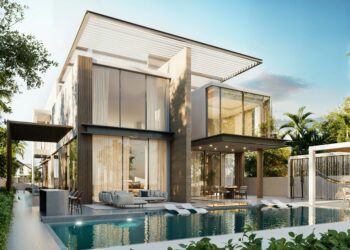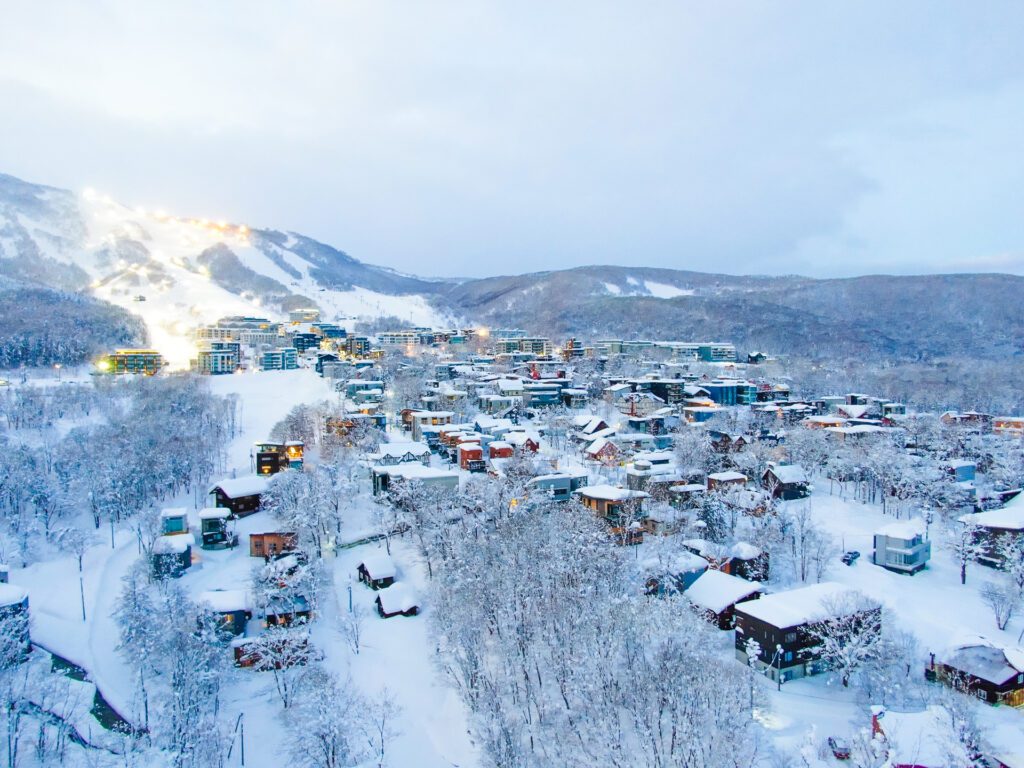
Senior housing is changing as more people look for comfortable, safe, and practical places to live later in life. Families are paying closer attention to design, services, and long-term quality.
Investors are also watching these changes. New ideas in energy use, technology, and community spaces are shaping how senior housing is planned and managed.
Focus on Sustainable Living
Sustainability is becoming more important in senior housing. Many communities now use energy-efficient lighting, better insulation, and modern heating and cooling systems.
These changes can help lower energy use and reduce long-term operating costs. They may also make indoor spaces more comfortable throughout the year.
Green spaces are another growing feature. Gardens, walking paths, and shaded outdoor areas can give residents more chances to spend time outside.
Water-saving systems and durable building materials can also support more efficient property care. These features may help a community stay easier to manage over time.
Use Technology to Support Daily Life
Smart technology is playing a larger role in senior housing. The goal is often to make daily life safer and easier.
Some communities use emergency call systems, smart lighting, and simple climate controls. These tools can help residents stay more independent while still having support nearby.
Internet access is also important. It allows residents to stay in contact with family, use online services, and take part in virtual activities.
Technology should still be simple to use. Complicated systems may create more stress, so clear design and easy controls matter.
Create Stronger Community Spaces
Social connection is an important part of senior living. Many newer communities are designed to make it easier for residents to meet and spend time together.
Shared dining areas, activity rooms, gardens, and lounges can support regular social contact. These spaces may also help reduce feelings of isolation.
Location can matter too. Communities close to shops, parks, healthcare, and other services may be more convenient for residents and families.
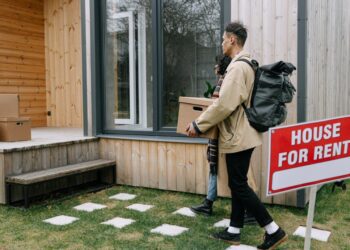
Different housing models are also gaining attention. A Manufactured Housing Community may be one option people consider when comparing affordability, location, space, and community features.
The best design depends on the needs of the people who live there.
Look at Long-Term Value
Senior housing decisions should focus on more than short-term appearance. Families often want places that can continue to meet changing needs over time.
Investors may also look at maintenance costs, demand, location, and the quality of management. A property that is easy to maintain may offer more stable long-term value.
Accessibility is another major factor. Wider paths, easy entrances, clear layouts, and safer bathrooms can make daily life easier for older adults.
It is also important to think about future demand. As more people reach retirement age, housing that combines comfort, safety, and useful services may continue to attract interest.
Conclusion: Plan for the Future of Senior Living
Senior housing is moving toward spaces that are more efficient, connected, and community focused. Sustainability, technology, and thoughtful design are becoming more important parts of planning.
Families can use these trends to compare options based on comfort and long-term needs. Investors can also look at how well a property may serve residents over time.
The strongest senior housing choices often balance practical design with quality of life. By focusing on both current needs and future changes, communities can become more useful, comfortable, and prepared for the years ahead.
If you’d like to learn more, check out more articles on our blog.