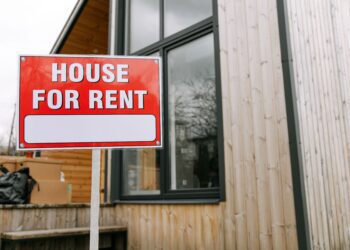
Renting a house feels like puzzle work, especially when you’re trying to figure out how much to pay for monthly rent. Even for landlords, setting monthly rent isn’t something you do with instincts, but by observing several factors, from laws to the current housing market.
Read on this quick guide as we cover what you need to know about factors that influence rental prices, what the Fair Market Rent is, and more.
How Rental Prices Are Determined in Today’s Market
The rental price is influenced by a variety of logical factors. A combination of national housing shortfalls, regional booms in building, and increasing operational expenses drives rental prices or rents charged.
Below, we have identified these primary influences:
Supply and Demand
For example, there is roughly a shortage of 4 million American homes currently in the US, creating a continuous upward pressure on rents. Although there has been an increase in the number of apartments that were added in Austin (a total of 16,900), it was reported that the cost of renting had fallen 7.4%. When the rate at which renters vacate apartments increases, apartment owners will provide concessions such as one month rent-free in order to encourage potential renters to sign leases.
Location and Regional Variation
Quality of neighborhoods, school district(s), and commuting time directly affect the amount of rent paid. Tech centers along coastal regions with a lack of affordable supply for residents resulted in increased rents; for example, San Francisco experienced a gain of 8.9%.
Conversely, cities in the Sun Belt region that have recently added large amounts of new construction have seen declines in median rent. For example, Austin’s median rent fell from $1,546 to $1,296 due to over 120,000 additional homes being constructed.
Property Condition and Amenities
Newer buildings with modern finishes command higher rents. More than half of renters want in-unit laundry and air conditioning; parking is also a priority for many (62%), and 56% have trouble finding listings they can afford. For 56% of renters, price will be the deciding factor over location.
Updates to units are leasing faster at higher prices. Savvy landlords understand this effect, which is why they work with property managers to keep their property pristine. Arlington rental property managers often have networks of trusted contractors for repairs. This ensures the property is always in excellent condition and competitive in the market.
Operating Costs
The cost of multifamily property insurance has increased dramatically since 2019. Specifically, it has risen by 75%, from $39/unit/month to $68/unit/month in 2024. On average, about 28 cents of every dollar added to the expense of property insurance will be passed through to the tenant(s) via rent increases. Thus, based on this one item alone, average rents have been raised anywhere from $7-$12 per month.
Comparable Properties
Landlords are continually monitoring all of the available rental properties near them so they can offer their renters something that will make them want to remain a tenant. As of early 2026, the average “effective” rent is 0.5 percent lower than it was for this same time last year, and nearly a quarter (23%) of all rentals have an average discount of about 7%.
Economic Conditions
As interest rates continue to be higher than expected, many people who may otherwise be buying homes or condos instead choose to rent, which has kept the demand steady. The median price of rental property in the United States as of today is $1,672.00 per month. This represents a decrease of 1.5 percent from January of this past year, yet it is still 15 percent above what it had been prior to the pandemic.
What Does Fair Market Rent Mean in Real Estate
The Fair Market Rent (FMR) is a definition provided by the United States Department of Housing and Urban Development. The FMR has a unique application when compared to other rental rates found on websites.
The FMR is calculated at the 40th percentile of Gross Rents. This means that 40% of Standard Quality Units in an area will cost less than the FMR, while 60% will cost more. The FMR does include Rent + Utilities, excluding Telephone.
As stated previously, the primary function of the FMR is to determine Payment Standards for all Federal Housing Assistance Programs, such as Housing Choice Vouchers (also referred to as Section 8). Public Housing Agencies can use a range of 90-110% of the FMR as a basis for determining payment standards for these programs.
Since HUD now uses Small Area FMRs by Zip Code instead of calculating one FMR per County in Metropolitan Areas, this provides a way for voucher recipients to be able to live in areas with higher quality schools, better opportunities, etc.
Each year, FMRs are updated annually on October 1st. The FMRs provide a constant, unbiased reference point for making subsidy decisions; however, they are designed to represent the average price a landlord charges for an apartment unit in the open rental market.
Why Fair Market Rent Matters for Housing Decisions
Understanding what does fair market rent mean in real estate helps tenants determine if a property is priced appropriately. Here’s what you need to know as a tenant or even a landlord:
For Tenants
If you are a tenant, knowing the FMR of your area will allow you to determine whether or not a specific property’s price is reasonable. It will also be used to determine eligibility for voucher assistance if you need it.
For Landlords
If you are a landlord, FMR will establish the maximum allowable amount that you may charge as rent to Section 8 renters. As such, it serves as a neutral baseline for determining how much to charge other renters.
Whether you are using a government housing program or not, the trends associated with FMR will tell you where rents are headed in your community.
Conclusion
Fair rental prices are defined by several factors, such as supply and demand, where it’s located, its age/condition, whether it has money-saving appliances or utilities, etc. While Fair Market Rents (FMRs) are provided as benchmarks by the Federal Government, they do not represent actual market rates.
Nevertheless, the knowledge you’ve gained in this guide should protect your interests, whether renting or buying, and give you the confidence to negotiate and make informed choices regarding housing options.