Image Source: Pexels
Around 8.5% of homes nationwide are valued above $1 million, and evaluating contractors for these high-value properties requires more than basic estimates and standard references. Estate managers and luxury homeowners must execute a rigorous audit of financial stability, risk management, and site safety standards.
Licensing, Insurance, and Risk Mitigation
A standard certificate of insurance (COI) is rarely sufficient for multi-million dollar residential assets. Property owners must ensure liability coverage accounts for structural modifications, high-elevation tasks, and extensive property preservation. Verifying credentials directly through state licensing board databases ensures the business remains active and free of unresolved disciplinary actions or structural claims.
Before initial site mobilization, demand proof of general liability limits and workers’ compensation coverage. Examining a trade partner’s OSHA safety records and EMR scores reveals whether field operations prioritize active risk prevention. To shield the property from financial exposure, insist on conditional and unconditional lien waivers from both primary contractors and secondary trade partners.
Defining Scopes, Warranties, and Regional Compliance
Vague proposals invite change orders and costly construction delays. Demanding line-item scopes that explicitly define material grades, structural installation protocols, and cleanup expectations creates strict operational accountability.
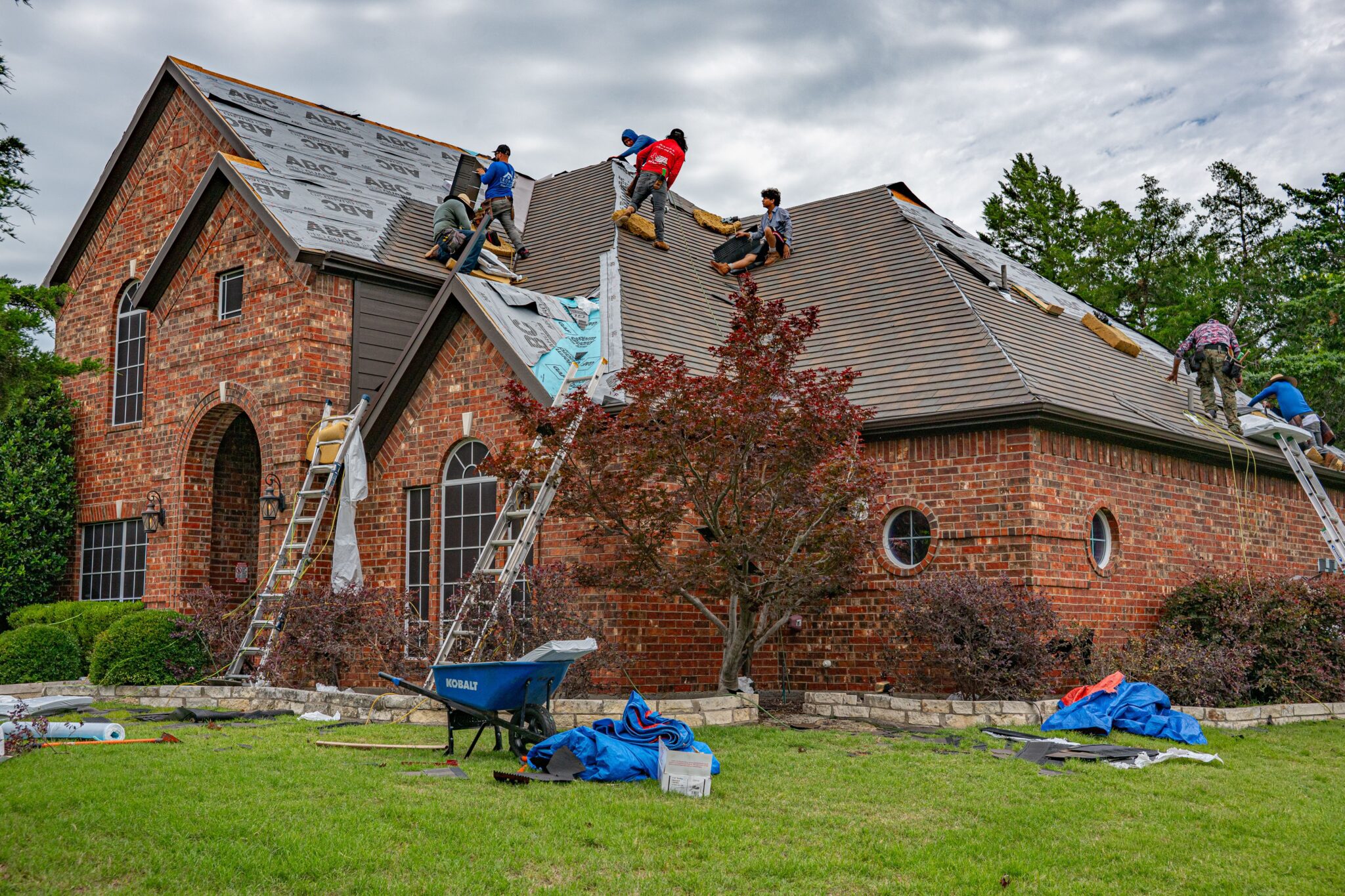
Each state has its own rules and requirements, so local specialists are always the best choice for compliance. For homeowners evaluating complex exterior work in NJ, that means partnering with a reputable roofing company in South Jersey to get assistance. At this stage, you can also review real-world project portfolios, service-scope documentation, and the regional building standards they follow so you can feel confident making the right choice.
Before approving contracts, ensure the contractor meets these essential criteria:
- Active state trade licenses and full compliance with local building codes
- Complete insurance documentation including general liability and workers’ compensation
- Detailed written scopes with explicit material specifications and change-order protocols
Evaluating general liability and workers’ compensation coverage protects property owners from major financial liability during heavy structural renovations. When large sums are already on the line, these extra measures are a must. It is also an ethical concern, as you want to know that a contractor has the best interests of their clients and employees in mind at all times.
Regional environmental factors heavily influence exterior design decisions. Contractors operating near coastal or high-wind environments must demonstrate complete fluency in local building codes and resilience planning, especially with climate change making extreme weather more common. Ensure manufacturer warranties remain valid by explicitly verifying that field technicians hold direct manufacturer certifications for specialized installations.
Advanced Portfolio Evaluation for Structural Projects
Selecting the right partner requires examining previous performance on similar architectural scales. Estate managers should request access to active, in-progress job sites to observe ongoing housekeeping, safety protocols, and operational discipline firsthand. Direct communication with past clients reveals how effectively a team handles unexpected structural challenges, budget revisions, and strict timelines.
Long-term structural performance relies on selecting trade partners who combine technical precision with transparent business practices. Rigorous vetting protocols safeguard your architectural investment and ensure seamless project execution from initial consultation to final walkthrough. Stay tuned to our site for more coverage of topics that matter to high-net-worth individuals and business leaders.