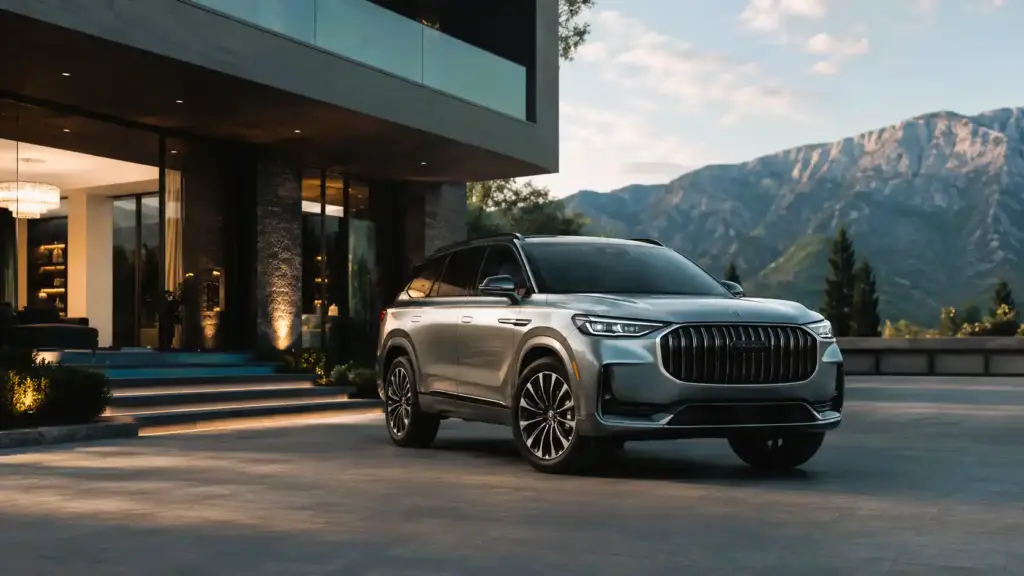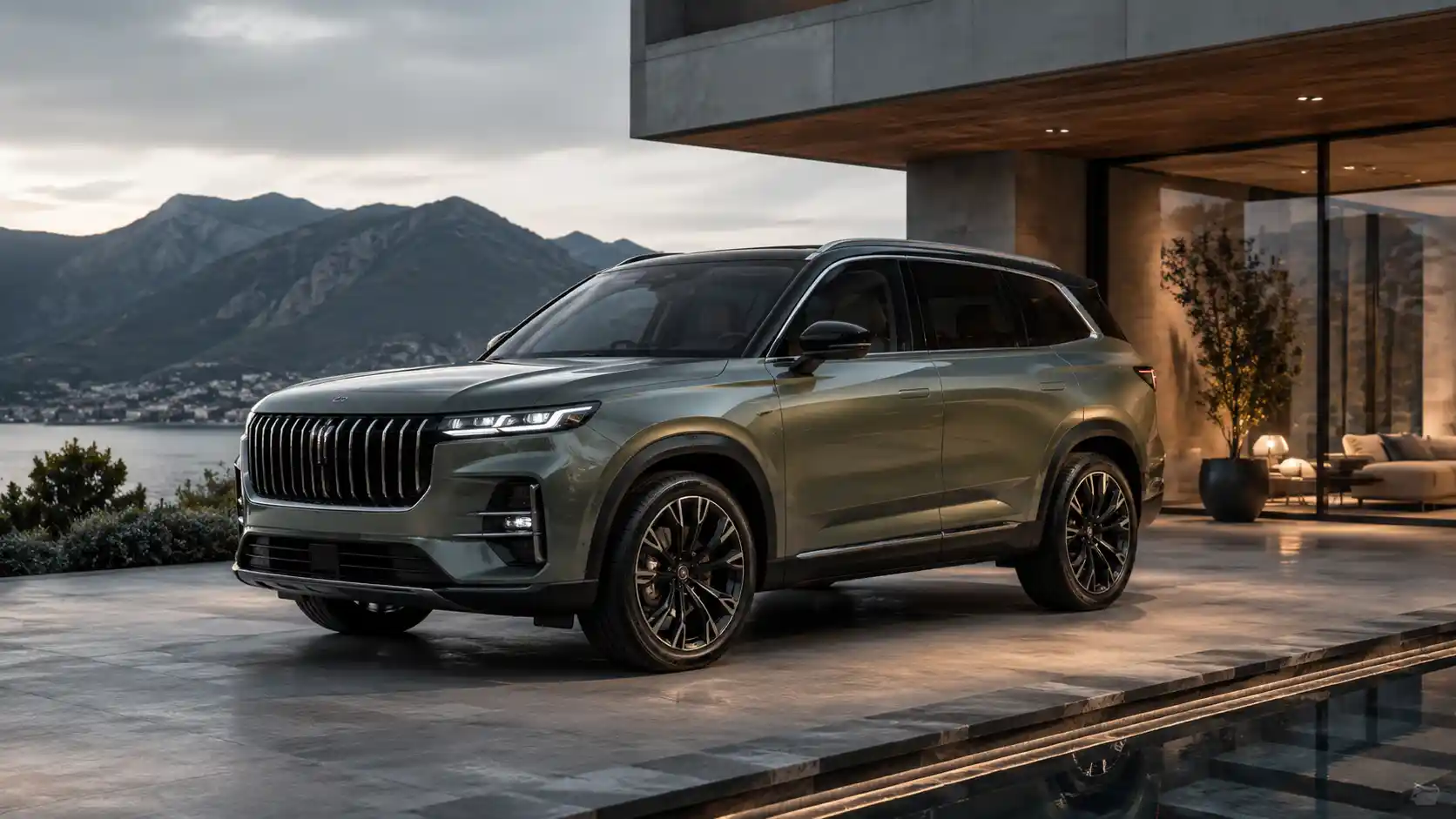
Jaecoo vs BMW and Lexus is no longer a hypothetical discussion confined to automotive forums. As Chinese manufacturers accelerate their move into the premium SUV market, the conversation has become increasingly relevant for consumers, investors, and industry analysts alike. Through its flagship Jaecoo SUV models, Chery is attempting to redefine what buyers should expect from a modern luxury vehicle by combining advanced technology, electrified powertrains, premium interiors, and aggressive pricing. The question is not simply whether Jaecoo can build an attractive SUV, but whether it can persuade customers to consider a newcomer alongside an established BMW SUV or Lexus SUV.
For decades, BMW and Lexus have represented two distinct philosophies of premium mobility. BMW built its reputation on engineering precision and engaging driving dynamics, while Lexus earned global recognition through reliability, refinement, and customer satisfaction. Together, they have become benchmarks for luxury ownership, supported by worldwide dealer networks, proven resale values, and decades of brand trust.
Yet the premium SUV market is evolving rapidly. Electrification, software-defined vehicles, connected ecosystems, and intelligent driver assistance systems are changing how buyers evaluate luxury. Heritage still matters, but digital experiences and ownership value now influence purchasing decisions more than ever before. Against this backdrop, Chery Jaecoo believes innovation can help close the gap between emerging Chinese brands and established premium manufacturers, creating one of the industry’s most fascinating competitive stories.
The Rise of Jaecoo and Its Premium Ambitions
Jaecoo represents one of Chery Automobile’s most ambitious global initiatives. Having established itself as one of China’s largest vehicle exporters, Chery recognized that long-term growth would require more than producing affordable transportation. The company needed a premium brand capable of competing internationally on design, technology, and customer experience rather than price alone.
That objective gave birth to Jaecoo, a brand positioned above traditional mass-market offerings while remaining accessible compared with established luxury manufacturers. Rather than imitating European competitors, Jaecoo focuses on creating a contemporary interpretation of premium mobility built around intelligent technology, refined styling, and electrified performance.
This strategy reflects a broader shift occurring throughout China’s automotive industry. Manufacturers that once competed primarily on manufacturing efficiency are now investing billions in software development, battery technologies, artificial intelligence, and global design studios. As a result, today’s premium Chinese SUVs are increasingly judged on innovation rather than origin.
Several factors strengthen Jaecoo’s international ambitions:
- Modern manufacturing facilities capable of large-scale production.
- Extensive research and development investment.
- Advanced hybrid and electrification expertise.
- Global export experience across multiple continents.
- Competitive pricing supported by manufacturing scale.
Unlike many startup EV companies, Jaecoo also benefits from Chery’s established industrial foundation. Decades of manufacturing experience provide production capacity, supply chain resilience, and engineering resources that many younger competitors continue to develop.
The brand’s rapid international rollout demonstrates confidence that buyers are becoming more open to premium products from emerging automotive nations. Whether that confidence translates into lasting market success remains the industry’s biggest question.
How BMW and Lexus Built Global Luxury SUV Leadership?
Understanding Jaecoo’s challenge requires understanding why BMW and Lexus occupy such strong positions within the global luxury SUV market.
BMW has spent generations cultivating a reputation centered on driving enjoyment, engineering precision, and continual innovation. Models such as the BMW X3, BMW X5, and BMW X7 established the company as one of the pioneers of performance-oriented luxury SUVs. Customers purchasing a BMW expect responsive handling, sophisticated powertrains, premium craftsmanship, and an ownership experience backed by an extensive global service network.
Lexus pursued a different path. Instead of emphasizing outright performance, Toyota’s luxury division built its reputation through exceptional reliability, refinement, quietness, and customer care. Vehicles like the RX became synonymous with dependable luxury, attracting buyers who prioritized long-term ownership satisfaction as much as premium comfort.
Their leadership rests on several enduring strengths:
- Decades of engineering expertise.
- Strong global brand recognition.
- Extensive dealer and service networks.
- Proven reliability records.
- High resale values.
- Continuous investment in safety and technology.
These advantages cannot be replicated overnight. Luxury brands accumulate trust gradually through consistent quality, dependable ownership experiences, and long-term customer relationships.
Nevertheless, both manufacturers now face new competitive pressures. Electrification is reducing the traditional dominance of combustion-engine engineering, while software and connected technologies increasingly shape customer perceptions. This changing landscape provides emerging brands such as Jaecoo with opportunities that would have been far more difficult to seize a decade ago.
Comparing Design, Technology, Performance, and Value
Can Technology and Pricing Overcome Brand Heritage?
The debate surrounding Jaecoo vs BMW and Lexus ultimately reflects a broader transformation within the automotive industry. Luxury is no longer defined exclusively by handcrafted interiors or powerful engines. Increasingly, consumers evaluate vehicles based on connectivity, intelligent safety systems, software updates, electrification, and digital convenience.
Several market trends support Jaecoo’s strategy:
- Growing acceptance of Chinese luxury SUV brands.
- Increasing demand for intelligent mobility.
- Expansion of connected vehicle ecosystems.
- Strong consumer interest in electrified SUVs.
- Greater emphasis on value alongside premium quality.
These trends reduce some of the historical advantages enjoyed by traditional manufacturers. Software updates can continuously improve a vehicle after purchase, while artificial intelligence and cloud connectivity create ownership experiences that evolve over time. Younger buyers, in particular, often prioritize innovation over heritage.
Nevertheless, reputation still matters. Purchasing a premium SUV involves significant financial commitment, and customers naturally seek reassurance regarding reliability, warranty support, resale value, and long-term service. BMW and Lexus benefit from decades of customer trust that cannot be duplicated through aggressive pricing alone.
Therefore, Jaecoo’s objective should not be to imitate established luxury brands. Instead, it must develop its own premium identity built around intelligent technology, contemporary design, and consistent ownership satisfaction.
The companies that successfully combine innovation with dependable customer experience will likely define the next generation of luxury SUVs.
Buying Priorities Compared
| Buying Priority | Best Choice | Why |
|---|---|---|
| Driving performance | BMW | Outstanding handling and performance engineering |
| Long-term reliability | Lexus | Proven dependability and customer satisfaction |
| Advanced value | Jaecoo | Premium technology at a competitive price |
| Hybrid efficiency | Lexus / Jaecoo | Strong hybrid expertise and growing PHEV offerings |
| Digital technology | Jaecoo | Modern connected ecosystem and software-first approach |
| Brand prestige | BMW | Global luxury reputation built over decades |
| Ownership confidence | Lexus | Exceptional after-sales reputation and reliability |
| Overall value | Jaecoo | Rich equipment with attractive pricing |
Rather than producing a single winner, this comparison illustrates that buyer priorities increasingly determine the best choice. Consumers focused on performance, reliability, technology, or affordability may each reach different conclusions depending on their expectations and driving needs.
What This Competition Means for the Future of Luxury SUVs?
Competition between Jaecoo, BMW, and Lexus reflects much larger changes reshaping the premium automotive sector. Electrification is accelerating across every major market, governments continue encouraging lower-emission transportation, and customers increasingly expect their vehicles to function like connected digital devices.
Software-defined vehicles represent perhaps the most significant change. Features that once required new hardware can now be introduced through over-the-air updates, extending the usefulness of vehicles long after purchase. This shift benefits companies capable of rapid software development, an area where newer manufacturers often demonstrate considerable agility.
The growing influence of Chinese automakers also signals increasing competition within the premium SUV market. Rather than concentrating exclusively on domestic sales, manufacturers such as Chery are investing in international design centers, engineering facilities, and global partnerships that strengthen their worldwide competitiveness.
Consumers ultimately benefit from this intensified competition. Established manufacturers must innovate faster, while emerging brands must improve quality and customer service to earn trust. The result is greater choice, improved technology, and stronger value across the luxury SUV segment.
Will Jaecoo Become a Long-Term Premium Competitor?
Predicting long-term automotive success requires caution, but Jaecoo possesses several characteristics that support sustainable growth. Chery’s manufacturing scale, research capabilities, export experience, and commitment to electrification provide a strong industrial foundation that many newer premium brands lack.
Future success will depend on maintaining product quality while expanding dealer networks, improving after-sales support, and delivering consistent ownership experiences across international markets. Those investments are just as important as introducing new models.
Brand perception will also evolve gradually. Every satisfied customer contributes to stronger reputation, while every ownership experience shapes public confidence. Over time, consistent quality can transform emerging manufacturers into respected premium brands.
If Jaecoo continues investing in software innovation, electrification, safety technologies, and customer service, it has a realistic opportunity to establish itself as a credible long-term competitor rather than merely an affordable alternative.
Unique Insight
The discussion surrounding Jaecoo vs BMW and Lexus extends far beyond comparing three SUV brands. It illustrates one of the most significant transitions in modern automotive history: the movement from heritage-led luxury toward technology-led luxury.
For decades, premium status depended heavily on engineering tradition, prestigious badges, and handcrafted refinement. Those qualities remain important, but electrification and software are reshaping competitive advantages. Digital ecosystems, connected services, intelligent safety systems, and seamless user experiences increasingly influence purchasing decisions alongside traditional measures of luxury.
Chinese manufacturers are also redefining value within premium segments. Rather than competing solely through lower prices, companies such as Chery are investing in innovation, design, and intelligent mobility to establish authentic premium identities. That evolution benefits consumers by increasing competition and accelerating technological progress.
Yet long-term success will depend on more than impressive specifications or attractive pricing. Customer trust, reliable dealer networks, consistent product quality, responsive service, and strong ownership experiences ultimately determine whether a premium brand earns lasting credibility.
The real question, therefore, is not whether Jaecoo can copy BMW or Lexus. It is whether Jaecoo can build its own reputation while consistently meeting the standards of quality, reliability, and customer satisfaction that define the world’s leading luxury SUV manufacturers.
Conclusion
The comparison between Jaecoo vs BMW and Lexus highlights a premium SUV market undergoing rapid transformation. BMW continues to lead in driving performance and brand prestige, while Lexus remains a benchmark for reliability and refined ownership. Jaecoo, meanwhile, introduces a compelling alternative built around intelligent technology, electrified powertrains, competitive pricing, and contemporary luxury.
Although heritage still provides BMW and Lexus with meaningful advantages, the definition of premium mobility is changing. Software, connectivity, hybrid innovation, and customer value now influence purchasing decisions as much as tradition.
Whether Jaecoo ultimately joins the ranks of established luxury manufacturers will depend on its ability to deliver consistent quality, dependable service, and long-term ownership confidence across global markets. If it succeeds, the conversation surrounding Jaecoo vs BMW and Lexus may evolve from an emerging challenge into one of the defining rivalries of the next generation of luxury SUVs.
Frequently Asked Questions
What is Jaecoo?
Jaecoo is a premium SUV brand created by Chery Automobile to compete in global markets with technology-focused and luxury-oriented vehicles.
Who owns the Jaecoo brand?
Jaecoo is owned and developed by Chery Automobile, one of China’s largest automotive manufacturers.
Can Jaecoo compete with BMW and Lexus?
The Jaecoo vs BMW and Lexus comparison shows that Jaecoo competes strongly on technology and value, while BMW and Lexus continue to lead in heritage and long-term reputation.
Is Jaecoo considered a luxury SUV brand?
Yes. Jaecoo positions itself as a premium brand with upscale interiors, intelligent technology, and electrified powertrains.
How does Jaecoo compare with BMW in technology?
Jaecoo emphasizes connected software, digital displays, and over-the-air updates, while BMW combines advanced technology with performance-focused engineering.
How does Jaecoo compare with Lexus in reliability?
Lexus has a longer and more proven reliability record, while Jaecoo is still building its reputation in international markets.
Does Jaecoo offer plug-in hybrid SUVs?
Yes. Several Jaecoo models feature plug-in hybrid technology that combines efficiency with long-distance practicality.
Why are Chinese luxury SUVs becoming more popular?
Improved engineering, advanced technology, competitive pricing, and rapid electrification have increased consumer confidence in Chinese premium brands.
Is Jaecoo good value compared with BMW and Lexus?
Jaecoo generally offers more standard technology and premium features for the price, making it an attractive value proposition.
Will Jaecoo become a major global luxury SUV brand?
Its future depends on continued product quality, global expansion, customer trust, and strong after-sales support, but its long-term prospects appear promising.