Key Takeaways
- Digital tools have significantly enhanced the accessibility and effectiveness of CPR training.
- Innovations such as AI-powered manikins and virtual reality simulations provide real-time feedback and immersive learning experiences.
- Mobile applications and online platforms offer flexible, self-paced learning opportunities for individuals.
- Interactive kiosks and holographic platforms bring CPR training to public spaces, increasing community engagement.
Table of Contents
- AI-Powered Manikins: Enhancing Real-Time Feedback
- Virtual Reality Simulations: Immersive Learning Experiences
- Mobile Applications: Learning CPR Anytime, Anywhere
- Interactive Kiosks: Bringing CPR Training to Public Spaces
- Holographic Platforms: The Future of CPR Education
- Conclusion
The adoption of digital technology has brought a dramatic shift to the world of cardiopulmonary resuscitation (CPR) training. No longer limited to classroom settings or basic instruction, today’s learners benefit from advanced platforms that enhance accessibility and effectiveness. As technology evolves, more people are equipped with vital, life-saving skills. For those looking to update their expertise or maintain certification, the convenience of online training platforms such as CPR Renewal offers even more options for continued learning. These platforms ensure you do not fall behind as digital tools reshape traditional CPR education.
Whether you are a seasoned medical professional or a first-time learner, these innovations make learning CPR more interactive, flexible, and customized. Real-time feedback, immersive practice scenarios, and public engagement through new channels are redefining best practices in emergency preparedness. With the right digital resources, anyone can master the core skills required to respond effectively in a crisis, saving more lives in the process.
AI-Powered Manikins: Enhancing Real-Time Feedback
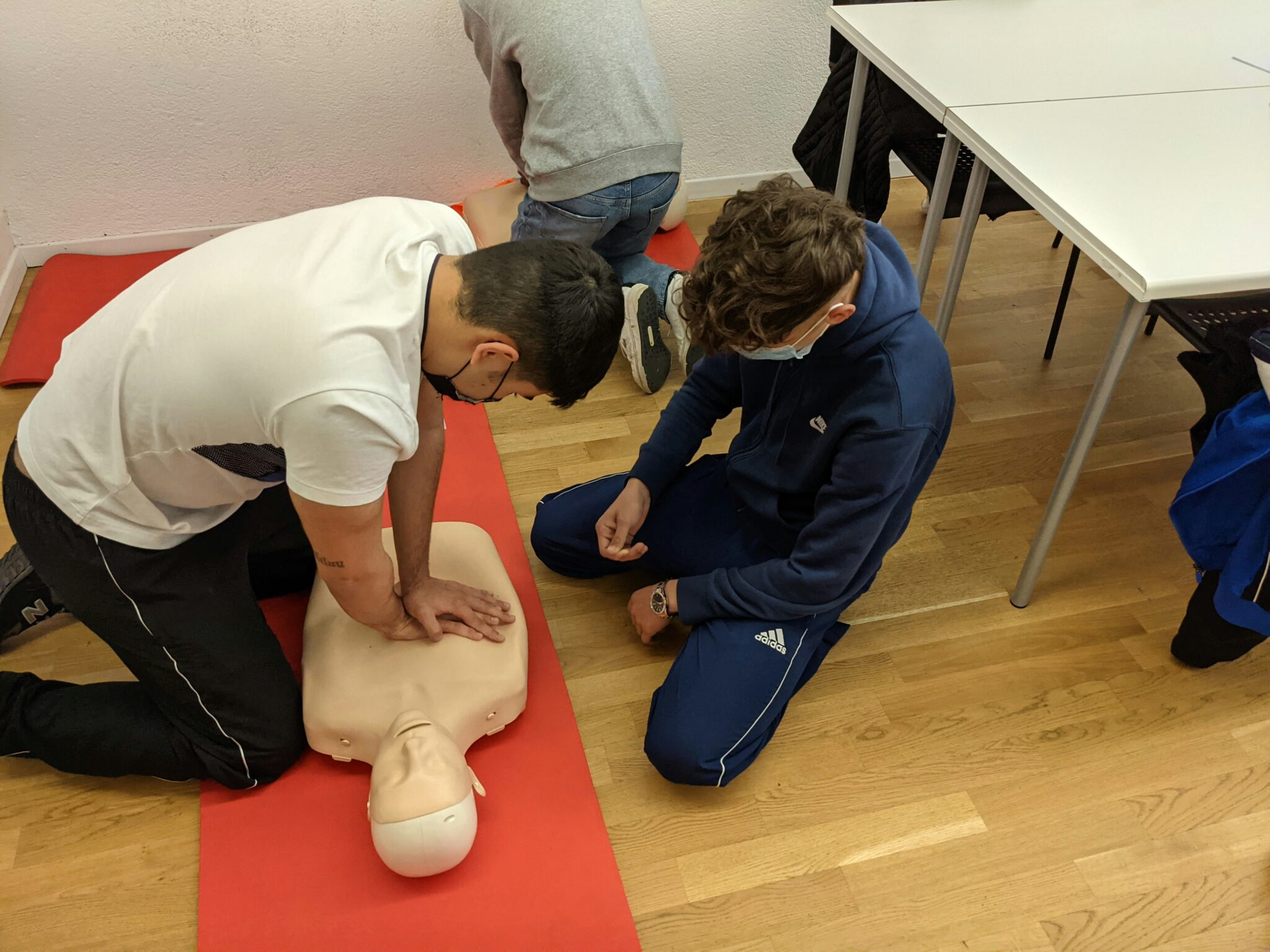
Recent developments in artificial intelligence have transformed CPR training devices. AI-powered manikins deliver real-time feedback regarding compression depth, rate, and hand placement, facilitating immediate technique corrections for learners. A notable example includes the American Red Cross’ Elevate™ SMART Manikin, engineered to increase both the accuracy and reach of CPR education. By providing objective, data-based assessments, smart manikins support better skill retention and foster greater student confidence. This level of immediate, personalized feedback represents a major milestone in hands-on medical training.
Furthermore, these manikins can be integrated into blended learning curricula, where theoretical e-learning modules and practical in-person assessment combine for a holistic approach. Instructors utilize detailed analytics reports generated by the manikins to identify common errors across groups, refining training strategies for both individuals and entire classes. The ability to tailor education to each learner’s needs helps ensure retention and mastery, mitigating the tendency to forget techniques over time. This increased personalization in skill-building is paving the way for smarter, data-driven healthcare education and improved clinical outcomes.
Virtual Reality Simulations: Immersive Learning Experiences
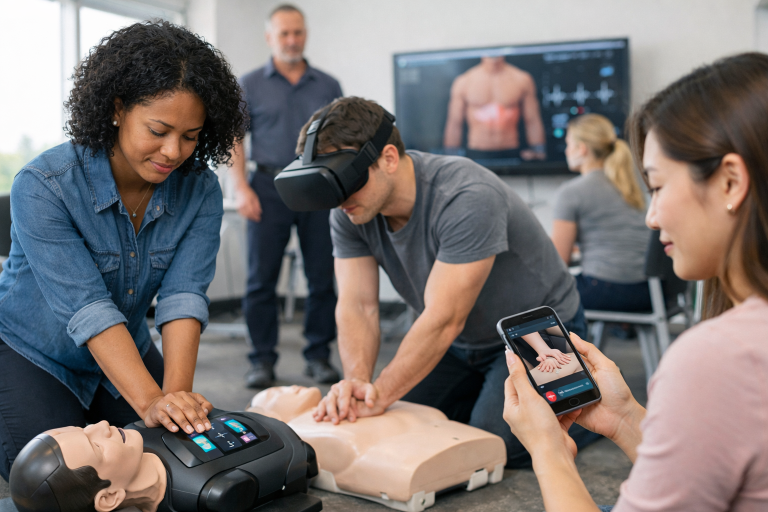
Virtual reality (VR) is fueling a shift toward more immersive CPR education, enabling users to practice in highly realistic, interactive settings. These simulations allow learners to respond to high-stress situations, honing their muscle memory and split-second decision-making skills, both essential for effective CPR. Programs like the British Heart Foundation’s Classroom RevivR make CPR instruction engaging for thousands of students, demonstrating the technology’s potential to reach diverse age groups and learning profiles. VR-based platforms are being adopted worldwide as more educators recognize their power to deliver practical experience with low-risk consequences.
In addition to schools and formal classes, VR CPR modules are now appearing in workplaces and even in public health campaigns. Through lifelike 3D environments that simulate cardiac arrest scenarios, participants can safely make mistakes, learn from the consequences, and repeat exercises until they gain confidence. The sense of presence created by VR also makes learning more memorable and reduces test anxiety. With ongoing advances in affordability and portability, VR training headsets are becoming viable tools in both urban and rural training environments, further democratizing access to essential lifesaving education.
Mobile Applications: Learning CPR Anytime, Anywhere
Mobile applications have opened the door to on-demand learning for busy individuals. Most CPR training apps feature step-by-step instructions, video demonstrations, and interactive modules for easy comprehension. Some applications also provide real-time guidance during emergencies, enabling more effective layperson interventions. A study in the journal Cureus indicates that real-time prompts from mobile technology can meaningfully improve performance, even among minimally trained or untrained bystanders.
The portability of smartphones means essential CPR know-how is always at hand for review or emergency reference. These apps are particularly useful for first responders and individuals living in areas where traditional training courses are less accessible. Many platforms now offer certification and recertification options directly through the app, including practice quizzes and skills checklists verified by video uploads. As mobile health (mHealth) technology continues to progress, we can expect even more innovative features such as AI-driven adaptive learning and community-based emergency alert integration, fostering networks of potential lifesavers in every community.
Interactive Kiosks: Bringing CPR Training to Public Spaces
One of the most exciting innovations in CPR education is the installation of interactive kiosks in airports, museums, and shopping centers. These systems invite the public to practice compressions on manikins and immediately receive feedback, all within a few minutes. The American Heart Association launched a Hands-Only CPR kiosk at the Museum of Science in Boston, aiming to empower the community with basic emergency skills. With their accessible format and widespread placement, these kiosks are vital for building a more prepared populace.
As a supplemental resource to formal training, interactive kiosks are instrumental in driving spontaneous engagement. Passersby, who may not otherwise seek out training, are encouraged to interact and learn through curiosity or brief demonstrations. The gamification elements—timed challenges, scoreboards, and visual feedback—add a motivational layer and reinforce muscle memory, making learning not only quick but memorable. In many cities, local governments and health organizations are championing kiosk programs, tying them to awareness campaigns and emergency response initiatives to boost overall survival rates from sudden cardiac arrests.
Holographic Platforms: The Future of CPR Education
Holographic training platforms represent a cutting-edge step in medical education. Solutions like the Gig Immersive Learning Platform offer holographic patients, allowing remote learners to interact with realistic, 3D representations of medical scenarios. This technology removes geographic barriers to hands-on practice, enabling training even in resource-limited environments. Holographic CPR learning not only broadens access but also delivers engaging, practical experience without the necessity for physical manikins or travel.
The ongoing advancement of holographic imaging and mixed reality tools means CPR training environments can adapt to simulate a wide range of medical emergencies, not just cardiac arrest. Trainees can interact with dynamic holographic bystanders or access step-by-step guides projected beside virtual “patients,” adding an extra dimension to experiential learning. Because holographic platforms can be updated instantly and scaled globally, they hold immense promise for disaster preparedness, remote learning, and the rapid dissemination of updated guidelines when resuscitation science evolves.
Conclusion
Innovative digital tools are changing the landscape of CPR instruction. From AI-powered manikins to virtual reality, mobile resources, public training kiosks, and holographic systems, each advancement increases accessibility, engagement, and proficiency. As these technologies continue to expand their reach, it is critical for CPR programs and practitioners to integrate new methods into their curricula. By doing so, communities can ensure that more individuals are ready to respond swiftly and effectively during emergencies, helping save more lives.
The digital future of CPR training holds the promise of ever-more equitable education and a broader, community-based approach to emergency response. Lifesaving skills are no longer the exclusive domain of healthcare professionals; instead, people of all ages and backgrounds now have opportunities to acquire and maintain essential CPR capabilities using tools that fit their learning style and schedule. As partnerships develop between health organizations, technology companies, and educational institutions, we can expect a wave of further innovations. Ultimately, integrating these trends into CPR education stands to foster more responsive, confident citizens and healthier communities for years to come.