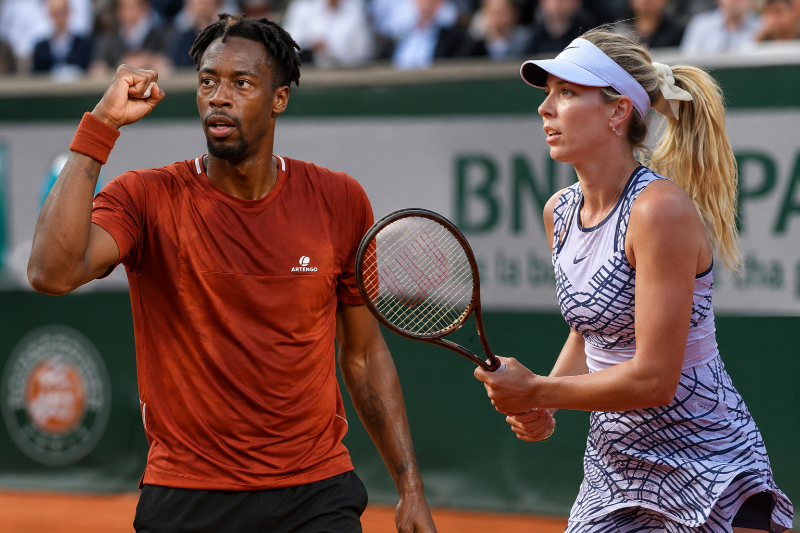
The opening days of the French Open 2026 have already delivered the emotional intensity, tactical drama, and crowd energy that define clay-court tennis at its highest level. From the moment the first matches began at Roland Garros, the tournament atmosphere reflected both anticipation and unpredictability. Fans arrived expecting long rallies, physical battles, and emotional momentum swings. Instead, they received something even more compelling: a blend of veteran charisma, emerging confidence, and early-round storylines capable of shaping the entire championship.
Among the standout moments of the opening phase, Gael Monfils once again reminded the tennis world why he remains one of the sport’s most magnetic performers. His energy, movement, and emotional connection with the Paris crowd transformed an ordinary first-round contest into a showcase of personality and resilience. Moreover, the French audience responded with the kind of passion that only Roland Garros consistently produces. Every sliding retrieval, improvised winner, and theatrical celebration elevated the stadium atmosphere into something closer to a football arena than a traditional tennis venue.
Meanwhile, Katie Boulter quietly delivered one of the most composed performances of the opening rounds by securing her place in the second round. Her progression reflected more than technical improvement on clay. It also highlighted the growing maturity of her mental approach under Grand Slam pressure. Consequently, British tennis observers now view her campaign with renewed optimism.
The early stages of the French Open 2026 have already revealed several defining themes: veteran resilience, rising confidence among younger players, and the psychological complexity of surviving the demanding clay-court environment. Furthermore, the physical intensity of Roland Garros continues to test players in ways few tournaments can replicate. Long exchanges, slower court conditions, unpredictable weather, and emotionally invested crowds create an environment where momentum shifts rapidly.
As a result, the opening rounds have become more than introductory matches. They now serve as emotional foundations for the rest of the tournament, shaping confidence, narrative momentum, and championship belief across both the ATP and WTA tours.
Why Gael Monfils Remains One of Roland Garros’ Biggest Attractions?
Gael Monfils has spent years building one of the most distinctive identities in modern tennis. At the French Open 2026, that identity once again captivated the Paris crowd. His opening-round performance combined athletic creativity, emotional intensity, and tactical awareness in ways few players can consistently replicate. Moreover, Monfils’ ability to entertain without sacrificing competitiveness remains remarkably rare in elite sport.
On clay courts, his movement becomes especially valuable. He slides naturally into defensive positions, extends rallies with exceptional athleticism, and creates offensive opportunities from seemingly impossible situations. Additionally, the slower Roland Garros surface amplifies his improvisational style. Instead of relying purely on power, Monfils constructs points with variation, defensive elasticity, and crowd-driven confidence.
The emotional relationship between Monfils and the French crowd also carries enormous psychological significance. Every successful point generates immediate energy inside the stadium, which subsequently fuels his momentum. However, this dynamic works both ways. Expectations can create pressure, particularly for veteran French players competing at home. Nevertheless, Monfils continues to embrace that emotional environment rather than retreat from it.
His enduring appeal comes from several unique qualities:
- Emotional transparency during matches
- Elite defensive movement on clay
- Creative shot-making under pressure
- Strong connection with spectators
- Veteran experience in Grand Slam settings
Furthermore, Monfils represents an important bridge between generations in French tennis. Younger players may dominate rankings conversations, yet few command audience attention with the same natural charisma. Therefore, his presence at Roland Garros extends beyond results alone. He contributes identity, atmosphere, and emotional continuity to the tournament itself.
According to coverage from the ATP Tour, Monfils emphasized both the emotional support from the Paris crowd and the physical challenge of competing deep into major tournaments. That combination of honesty and competitive passion continues to define his role within modern tennis culture.
Katie Boulter’s Strong Start at Roland Garros 2026
Katie Boulter entered the French Open 2026 carrying growing expectations within British tennis circles. Although grass courts traditionally receive greater attention among British players, Boulter’s opening-round performance demonstrated notable progress on clay. Her composure under pressure, disciplined shot selection, and physical consistency reflected an athlete becoming increasingly comfortable in demanding Grand Slam environments.
Clay-court tennis often exposes weaknesses in patience and movement. However, Boulter handled those demands intelligently. Instead of forcing quick winners, she constructed rallies with greater tactical balance. Additionally, her defensive recovery between points appeared sharper than in previous clay-court campaigns. That improvement allowed her to maintain emotional stability during momentum swings.
Confidence plays a particularly important role during the early rounds of Grand Slam tournaments. Players who survive difficult opening matches frequently build stronger rhythm and self-belief as tournaments progress. Consequently, Boulter’s advancement into the second round may carry broader significance than the result alone suggests.
Several factors contributed to her successful start:
- Improved baseline consistency on clay
- Better point construction under pressure
- Greater physical endurance in long rallies
- Calm emotional responses during key moments
- Tactical discipline during momentum swings
Meanwhile, international attention surrounding women’s tennis continues to expand. Audiences increasingly engage with athlete personality, resilience, and emotional storytelling alongside technical performance. In contrast to earlier eras dominated by simple rankings narratives, modern coverage values authenticity and mental strength. Boulter’s composed presence aligns effectively with that evolving landscape.
| Player | Opponent | Match Outcome | Key Strength Displayed | Tournament Impact |
|---|---|---|---|---|
| Gael Monfils | Opening-round opponent | Victory | Athletic creativity and crowd energy | Increased French momentum |
| Katie Boulter | First-round opponent | Advanced to second round | Mental composure on clay | Strengthened British hopes |
| Veteran ATP contenders | Various | Mixed results | Experience management | Influencing draw dynamics |
| Emerging WTA players | Various | Competitive wins | Aggressive baseline play | Expanding tournament unpredictability |
Why Roland Garros Creates Unique Grand Slam Drama?
Among all Grand Slam tournaments, the Roland Garros consistently produces some of the sport’s most psychologically demanding matches. The clay surface slows the ball, extends rallies, and magnifies physical fatigue. Therefore, players cannot rely solely on explosive serving or quick aggression. Instead, they must demonstrate patience, tactical intelligence, and emotional endurance over extended periods.
The physical demands become especially visible during long baseline exchanges. Players repeatedly slide into defensive positions, recover laterally across the court, and absorb heavy topspin under difficult weather conditions. As a result, even physically elite athletes can experience dramatic emotional fluctuations during matches.
Meanwhile, the Paris crowd adds another layer of unpredictability. Spectators at Roland Garros react emotionally and vocally to momentum swings, particularly when French players compete. Consequently, matches often feel emotionally amplified compared to quieter tournaments.
Several factors make Roland Garros uniquely dramatic:
- Slower clay-court conditions
- Long endurance-based rallies
- Weather interruptions and scheduling changes
- Emotionally invested crowds
- Tactical complexity in point construction
However, unpredictability remains central to the tournament’s identity. Unlike faster surfaces that sometimes favor dominant servers, clay rewards adaptability. Therefore, underdogs frequently create difficult situations for higher-ranked opponents.
The Role of Crowd Energy in Elite Tennis Matches
Crowd influence at the French Open extends far beyond simple support. In many cases, audience energy actively shapes player psychology and match momentum. When French players compete, the emotional volume inside stadiums increases dramatically. Moreover, players often respond physically to that support through more aggressive movement and heightened emotional intensity.
For athletes like Gael Monfils, crowd interaction becomes part of competitive rhythm. Positive reactions reinforce confidence, encourage risk-taking, and energize defensive efforts. On the other hand, opposing players must manage emotional pressure while remaining tactically disciplined.
Elite tennis margins remain extremely small. Therefore, psychological disruptions can quickly influence performance quality. A loud crowd reaction after a spectacular point may shift momentum within seconds. Additionally, sustained audience pressure can increase tension during service games and tiebreak situations.
The Roland Garros atmosphere contributes to:
- Momentum acceleration during key points
- Emotional confidence for home players
- Increased psychological pressure on opponents
- Stronger audience engagement globally
- Memorable entertainment value for viewers
Meanwhile, broadcasters and social media platforms amplify these emotional moments internationally. Viral crowd reactions frequently become as significant as the tennis itself. Consequently, audience energy now functions as both a competitive factor and a media storytelling element.
| Tournament Element | French Open Impact | ATP/WTA Player Response | Viewer Experience | Competitive Effect |
|---|---|---|---|---|
| Clay courts | Slower rallies | Greater endurance demands | Longer tactical exchanges | Increased unpredictability |
| Crowd atmosphere | Emotional intensity | Pressure and motivation | Enhanced entertainment | Momentum swings |
| Weather conditions | Scheduling disruption | Adaptation challenges | Match uncertainty | Physical fatigue |
| Media attention | Global visibility | Brand pressure | Constant engagement | Psychological strain |
| Long matches | Recovery difficulties | Fitness management | Dramatic narratives | Mental exhaustion |
Early Storylines Defining the French Open 2026
The French Open 2026 has already developed several compelling narratives that could influence the tournament’s later stages. Veteran resurgence remains one of the strongest themes. Experienced players continue using tactical intelligence and emotional maturity to compete effectively against younger opponents. Moreover, audiences often connect deeply with veterans who demonstrate resilience under physical pressure.
Meanwhile, younger contenders are introducing greater athletic aggression into modern clay-court tennis. Their willingness to attack from the baseline has accelerated match tempo compared to previous generations. However, maintaining emotional consistency across a two-week Grand Slam remains a major challenge.
Injury management also represents a significant storyline. Clay-court tennis places intense stress on movement patterns, recovery systems, and lower-body endurance. Consequently, players must balance aggression with physical preservation.
Key themes shaping the tournament include:
- Veteran experience versus youthful athleticism
- Injury management across long matches
- Increased global parity in tennis competition
- Media focus on player personality
- Tactical evolution on clay surfaces
Additionally, international competition has become increasingly balanced. Players from multiple regions now enter Grand Slam events believing they can compete deep into tournaments. Therefore, the French Open draw feels more unpredictable and globally competitive than ever before.
The Evolution of Modern Clay-Court Tennis
Modern clay-court tennis differs significantly from earlier eras defined primarily by defensive consistency. Today’s elite players combine endurance with explosive athleticism and aggressive baseline shot-making. As a result, Roland Garros matches often feature faster tactical transitions despite the slower surface.
Fitness science has also transformed preparation methods. Players now approach recovery with greater precision through nutrition monitoring, data analysis, and movement optimization. Additionally, coaching teams increasingly rely on video analytics to study opponent tendencies on clay.
Aggressive baseline positioning represents another major evolution. Players attempt to shorten defensive exchanges by attacking earlier in rallies. Nevertheless, clay still rewards patience more than any other major surface.
Modern developments shaping Roland Garros include:
- Advanced recovery and fitness science
- Aggressive topspin baseline tactics
- Technology-driven match preparation
- Improved athletic movement on clay
- Greater psychological coaching emphasis
Mental endurance remains equally important. Long rallies and emotional crowd environments require sustained concentration across several hours. Therefore, psychological resilience now functions as a decisive competitive advantage at Grand Slam level.
The Global Media Spotlight on Roland Garros
The French Open operates not only as a sporting event but also as a global entertainment platform. Social media, international broadcasting, and digital storytelling now shape how audiences experience the tournament. Consequently, emotional moments can spread globally within minutes.
Broadcasters increasingly focus on player personality and emotional authenticity rather than statistics alone. For example, crowd interactions, emotional celebrations, and visible frustration frequently become headline content. This storytelling evolution reflects broader audience preferences for human narratives within elite sport.
Meanwhile, fashion and player branding continue influencing tournament visibility. Modern tennis stars balance competitive performance with media identity, commercial partnerships, and global recognition. In contrast to earlier generations where athletic results dominated coverage, contemporary players operate within a broader entertainment ecosystem.
Global media coverage now emphasizes:
- Viral highlight moments
- Emotional crowd reactions
- Player personality and branding
- Behind-the-scenes storytelling
- International audience engagement
Furthermore, women’s tennis storylines are receiving stronger and more consistent international attention. Players like Katie Boulter benefit from expanded media focus on tactical growth, emotional resilience, and long-term development.
French Open 2026 and the Evolution of Tennis Culture
The French Open 2026 reflects a broader transformation occurring across global tennis culture. Modern audiences increasingly value emotional authenticity alongside elite athletic performance. Therefore, players who connect naturally with crowds often become central figures within tournament identity.
Veteran players continue shaping Roland Garros through charisma and resilience rather than rankings alone. Gael Monfils perfectly embodies that reality. His emotional connection with Paris audiences demonstrates how personality can elevate tournament atmosphere beyond pure competition.
Meanwhile, women’s tennis continues expanding its global visibility through compelling player narratives and competitive depth. Additionally, younger fans increasingly engage with athletes through social media storytelling, fashion identity, and emotional transparency.
As a result, Grand Slam tournaments now function as hybrid experiences blending elite competition with global entertainment spectacle. Opening-round performances matter because they establish emotional tone, media momentum, and psychological confidence for everything that follows.
At Roland Garros, those early moments often become tournament-defining memories.
FAQs
Who impressed most at the French Open 2026?
Gael Monfils emerged as one of the standout performers due to his energetic play, crowd interaction, and emotional intensity during the opening rounds.
How did Gael Monfils perform at Roland Garros 2026?
Monfils delivered a highly entertaining and tactically strong performance, using athletic movement and crowd energy to secure an important opening-round victory.
Did Katie Boulter reach the second round?
Yes, Katie Boulter advanced to the second round after displaying composure and improved clay-court consistency.
Why is Roland Garros considered unique in tennis?
Roland Garros is unique because of its clay courts, physically demanding rallies, emotionally intense crowd atmosphere, and unpredictable match dynamics.
How important is crowd support at the French Open?
Crowd support significantly impacts player confidence, momentum swings, and emotional energy, particularly for French players competing at home.
What makes clay-court tennis physically demanding?
Clay courts produce longer rallies, require constant movement adjustments, and place heavy physical stress on endurance and recovery systems.
Which players are drawing attention at the French Open 2026?
Veterans like Gael Monfils and emerging contenders across both ATP and WTA competitions are generating major attention.
How does momentum affect Grand Slam tournaments?
Momentum builds confidence, improves tactical rhythm, and influences emotional stability throughout long tournament runs.
Why are early-round matches important at Roland Garros?
Early matches establish confidence, physical rhythm, and psychological belief that often influence deeper tournament performances.
What are the biggest storylines at the French Open 2026?
Key storylines include veteran resurgence, evolving clay-court tactics, crowd atmosphere, injury management, and growing global attention on player personality.