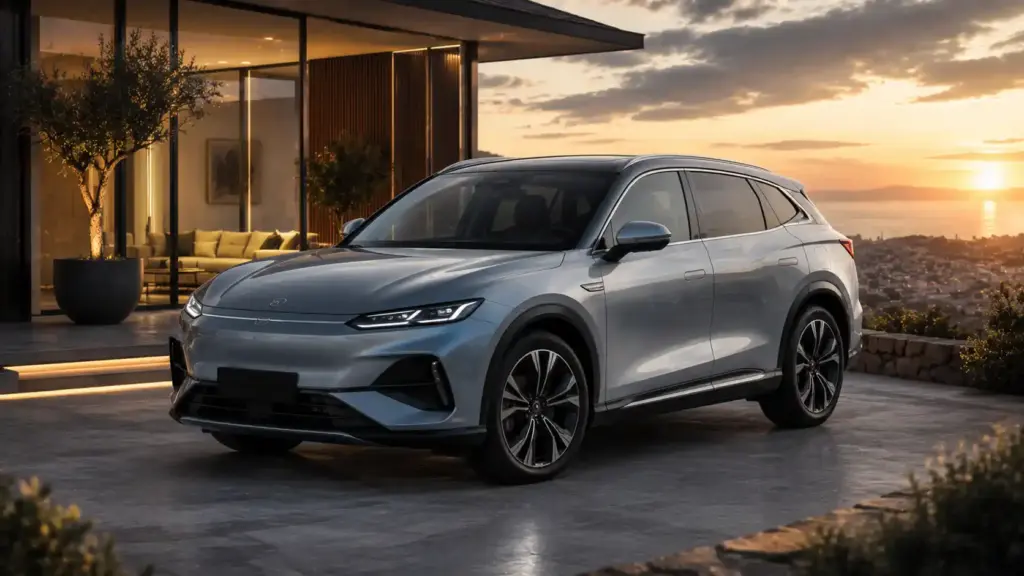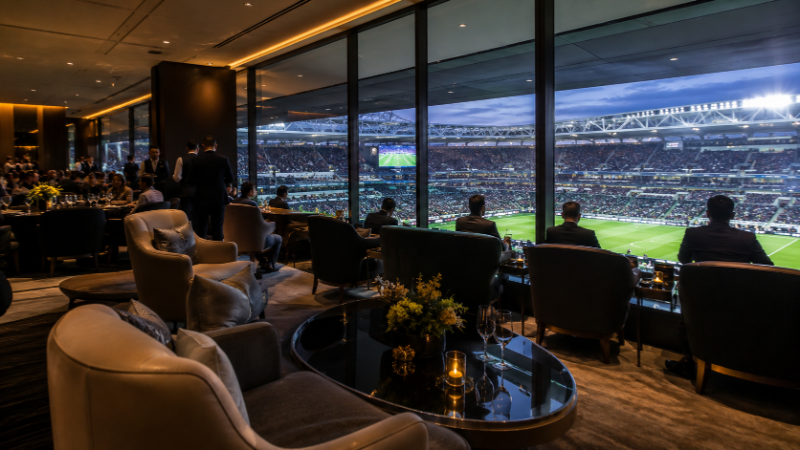
Global sporting tournaments increasingly function as sophisticated luxury tourism ecosystems rather than purely athletic competitions. In 2026, the luxury hospitality business surrounding FIFA events has evolved into a multi-billion-dollar global industry that blends executive travel, premium accommodations, private transportation, fine dining, and curated VIP experiences into one interconnected commercial environment.
Affluent sports tourism continues expanding rapidly because wealthy travelers now prioritize exclusivity, convenience, and immersive experiences over standard event attendance. Consequently, FIFA tournaments generate enormous demand for five-star hotels, private aviation services, luxury transportation networks, branded hospitality lounges, and executive entertainment packages. Moreover, corporations increasingly use FIFA events as strategic networking environments where business relationships develop alongside premium entertainment experiences.
Meanwhile, global hotel operators, luxury travel firms, and hospitality groups view FIFA tournaments as major revenue catalysts capable of reshaping tourism economies in host cities. FIFA luxury hospitality has therefore become deeply integrated with broader hospitality trends 2026, particularly as affluent consumers seek seamless, personalized travel ecosystems.
Private aviation demand also rises significantly during tournament cycles. Additionally, luxury transportation providers, concierge firms, and premium event-management companies increasingly coordinate integrated executive experiences designed for high-net-worth individuals and corporate clients. As a result, FIFA events now function as global hospitality revenue engines extending far beyond sports itself.
Why FIFA Events Generate Massive Luxury Hospitality Demand
FIFA tournaments attract millions of international visitors, yet the highest-spending segment often comes from affluent travelers, executives, corporate sponsors, and premium hospitality clients. Consequently, the luxury hospitality business surrounding FIFA events operates on a completely different economic scale compared to traditional sports tourism.
Corporate hospitality packages play a particularly important role in driving revenue growth. Global brands frequently purchase premium suites, executive lounges, and private entertainment spaces to host clients, investors, and strategic partners during tournament periods. Moreover, sponsorship-driven networking opportunities transform FIFA events into major business relationship platforms rather than simple spectator experiences.
Luxury tourism spending patterns also continue shifting toward experiential consumption. Wealthy travelers increasingly value curated access, privacy, and personalized itineraries over generic luxury services. Therefore, hospitality providers now design integrated FIFA experiences combining accommodations, transportation, dining, entertainment, and concierge management into seamless executive packages.
Several factors fuel FIFA premium hospitality demand:
- International executive travel growth
- Sponsorship-driven corporate entertainment
- High-net-worth tourism spending
- Premium ticket and suite demand
- Global luxury travel expansion
Meanwhile, affluent sports tourism increasingly overlaps with luxury lifestyle industries, including fashion, private aviation, wellness travel, and fine dining. As a result, FIFA events generate broad economic activity across multiple premium consumer sectors.
The Rise of VIP and Executive Hospitality Experiences
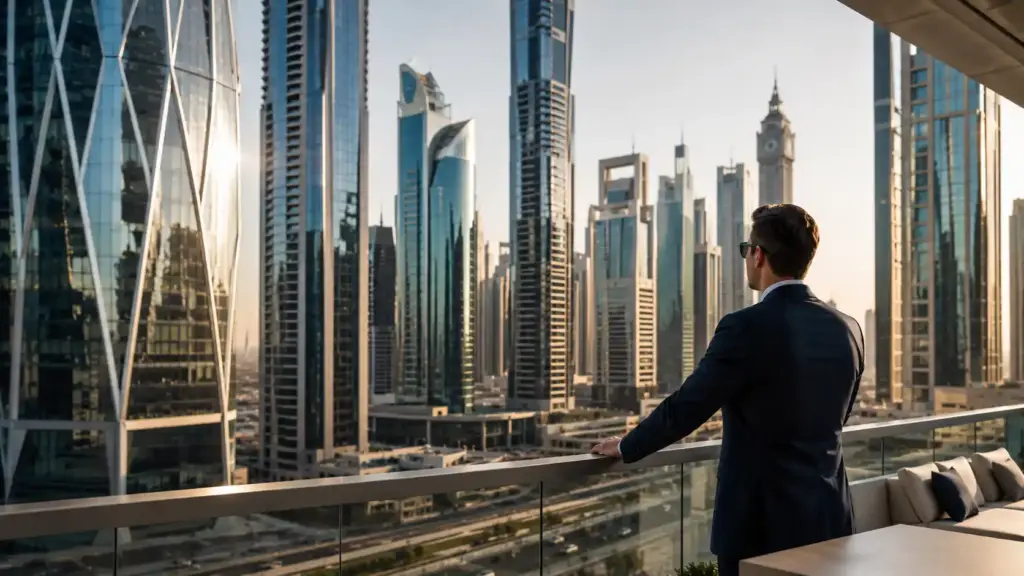
Modern FIFA hospitality increasingly revolves around exclusivity and personalized executive experiences. Luxury suites, private lounges, and concierge-managed environments now function as premium business and lifestyle ecosystems catering to affluent global audiences.
Executive sports travel packages frequently include curated itineraries extending far beyond stadium attendance. For example, guests often receive private transportation, luxury accommodations, fine dining reservations, after-event entertainment access, and dedicated concierge services. Consequently, the value proposition centers on convenience, access, and relationship-building rather than sports viewing alone.
Meanwhile, VIP hospitality environments increasingly facilitate corporate networking. Executives, investors, sponsors, and entrepreneurs regularly use FIFA events as informal relationship-building opportunities within highly curated luxury settings. Therefore, sports hospitality industry standards continue evolving toward premium experiential management rather than basic premium seating models.
Key elements of executive hospitality experiences include:
- Private suites and luxury lounges
- Concierge-driven travel coordination
- Exclusive networking environments
- Curated entertainment experiences
- Personalized mobility services
However, affluent consumers increasingly expect subtle sophistication rather than overt extravagance. In contrast to earlier luxury trends, modern executive travelers prioritize efficiency, seamless service, and privacy over excessive display.
FIFA Hospitality Segments and Market Impact
| Hospitality Segment | FIFA-Driven Demand | Revenue Opportunity | Luxury Consumer Appeal | Long-Term Market Effect |
|---|---|---|---|---|
| Five-Star Hotels | Extremely High | Premium occupancy growth | Privacy and exclusivity | Hospitality expansion |
| VIP Suites | Strong corporate demand | High-margin packages | Executive networking | Premium event evolution |
| Private Aviation | Increased global mobility | Luxury transportation revenue | Convenience and flexibility | Aviation growth |
| Concierge Services | Personalized experiences | High-value service upselling | Seamless travel ecosystems | Lifestyle integration |
| Fine Dining & Entertainment | Affluent tourism spending | Premium hospitality revenue | Curated luxury experiences | Tourism ecosystem expansion |
Luxury Hotels and Branded Hospitality Growth
Luxury hotels FIFA events generate significant economic benefits for premium hospitality operators. Tournament cycles frequently produce occupancy spikes across five-star hotels, branded residences, and upscale resorts located near commercial centers and entertainment districts.
International hotel groups increasingly compete aggressively for market positioning in FIFA host cities because affluent tourism demand often continues after tournaments conclude. Moreover, global visibility generated through mega sporting events enhances long-term destination branding for luxury hospitality markets.
Premium short-term rentals also continue expanding rapidly. High-net-worth visitors frequently seek private residences, penthouses, and luxury serviced apartments offering exclusivity and personalized comfort. Consequently, branded residential hospitality models increasingly overlap with traditional luxury hotel operations.
Luxury accommodation trends surrounding FIFA events include:
- Five-star occupancy surges
- Branded residence expansion
- Premium short-term rental demand
- Luxury pricing acceleration
- International hotel group growth
Nevertheless, operators must balance pricing power with long-term customer relationships. Excessive rate inflation during tournament periods can damage destination reputation if visitors perceive poor value relative to service quality.
Private Aviation and Luxury Transportation Ecosystems
Private aviation has become deeply integrated into the luxury hospitality business surrounding FIFA tournaments. Executives, celebrities, investors, and affluent travelers increasingly rely on private jet services to manage complex international travel schedules efficiently.
Airport VIP terminals also experience growing demand during tournament periods. Premium travelers increasingly prioritize fast-track immigration, private security handling, and seamless transportation coordination. Therefore, mobility providers increasingly function as essential components within broader luxury hospitality ecosystems.
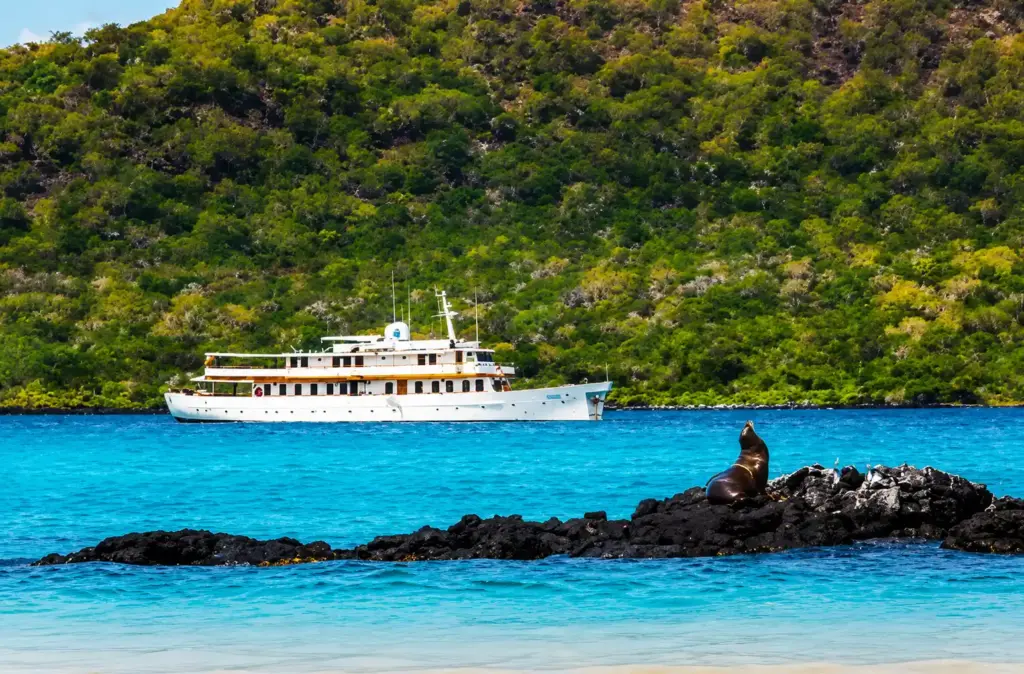
Meanwhile, chauffeur-driven transportation services, luxury vehicle fleets, and yacht hospitality experiences continue expanding alongside affluent sports tourism growth. FIFA host cities often experience substantial demand for premium urban mobility services designed specifically for high-net-worth visitors.
Luxury transportation ecosystems now include:
- Executive jet travel services
- Chauffeur-driven mobility networks
- VIP airport terminal experiences
- Luxury marine hospitality
- Premium urban transportation coordination
Additionally, mobility and hospitality increasingly overlap operationally. Affluent travelers now expect unified travel ecosystems where transportation, accommodations, dining, and event access integrate seamlessly through centralized concierge management.
Standard Tourism vs Luxury FIFA Hospitality
| Category | Standard Sports Tourism | Luxury FIFA Hospitality | Executive Experience Impact | Revenue Potential |
|---|---|---|---|---|
| Accommodation | Mid-range hotels | Five-star suites and villas | High executive comfort | Premium margins |
| Transportation | Public transit | Private jets and chauffeurs | Convenience and privacy | Strong growth |
| Event Access | Standard seating | VIP suites and lounges | Networking opportunities | High-value packages |
| Dining | Casual tourism dining | Fine dining experiences | Lifestyle enhancement | Luxury spending growth |
| Travel Management | Individual planning | Concierge-driven ecosystems | Seamless coordination | Long-term client retention |
Corporate Hospitality and Sponsorship Economics
Corporate hospitality represents one of the most profitable components of FIFA premium hospitality. Global brands invest heavily in executive entertainment because relationship-building opportunities during major sporting events often generate significant commercial value.
Luxury hospitality suites frequently serve as informal business environments where executives host clients, negotiate partnerships, and strengthen strategic relationships. Consequently, FIFA events increasingly operate as large-scale executive networking ecosystems connected to broader corporate hospitality economics.
Brand activation opportunities also drive investment growth. Companies use premium hospitality experiences to reinforce luxury positioning, client loyalty, and international visibility. Moreover, experiential marketing strategies increasingly outperform traditional advertising because affluent consumers respond more positively to immersive engagement.
Corporate hospitality spending typically supports:
- Executive relationship development
- Client entertainment initiatives
- Luxury brand positioning
- Strategic networking opportunities
- Premium sponsorship integration
However, corporations increasingly demand measurable returns from hospitality investments. Therefore, data-driven customer engagement and personalized executive experiences continue becoming more important across the luxury event-management sector.
Why Affluent Travelers Prioritize Experience Over Attendance?
Affluent consumers increasingly value personalized experiences more than event attendance itself. Modern luxury travelers seek curated journeys combining sports, hospitality, wellness, dining, and entertainment into seamless lifestyle ecosystems.
Exclusivity and privacy remain central motivations. Wealthy travelers frequently prefer private lounges, invitation-only events, and concierge-managed experiences designed around personal convenience. Moreover, personalized itineraries allow travelers to integrate business meetings, leisure activities, and luxury tourism into one cohesive travel experience.
Wellness-focused hospitality also continues influencing affluent tourism behavior. Luxury consumers increasingly prioritize recovery spaces, premium wellness facilities, personalized nutrition services, and stress-free travel coordination. Consequently, hospitality providers now design FIFA experiences around holistic lifestyle management rather than simple entertainment access.
Several consumer behavior shifts define modern luxury tourism:
- Experience-focused spending priorities
- Demand for seamless personalization
- Preference for privacy and exclusivity
- Wellness-integrated travel expectations
- Curated lifestyle ecosystems
Meanwhile, affluent sports tourism increasingly overlaps with luxury fashion, art, culinary, and entertainment industries, creating broader multi-sector economic opportunities.
Technology Is Reshaping Luxury Event Hospitality
Technology increasingly defines how premium hospitality experiences operate during FIFA tournaments. AI-powered concierge systems, digital access management, and personalized guest analytics now shape modern executive hospitality standards.
Smart hotel personalization has become especially important within luxury hospitality markets. Hotels increasingly use guest data to customize room preferences, dining recommendations, transportation coordination, and entertainment scheduling automatically. Consequently, affluent travelers experience more seamless and individualized service ecosystems.
Digital VIP access systems also improve operational efficiency. Mobile hospitality platforms increasingly manage ticketing, transportation logistics, concierge communication, and premium service requests within integrated applications. Therefore, technology now functions as a central component of luxury event management.
Emerging hospitality technologies include:
- AI-driven concierge services
- Smart room personalization
- Digital VIP credential systems
- Mobile luxury hospitality platforms
- Customer experience analytics
Nevertheless, luxury consumers still prioritize human service quality alongside technological convenience. In contrast to fully automated hospitality models, affluent travelers generally prefer technology that enhances rather than replaces personalized interaction.
The Future of Luxury Hospitality Business Around FIFA Events
The future of the luxury hospitality business surrounding FIFA tournaments will likely emphasize personalization, sustainability, and integrated travel ecosystems. Affluent consumers increasingly expect hospitality providers to deliver seamless experiences spanning transportation, accommodations, entertainment, wellness, and networking opportunities simultaneously.
Sustainable luxury tourism will also become more influential in 2026 and beyond. Wealthy travelers increasingly prefer environmentally conscious travel experiences without sacrificing comfort or exclusivity. Consequently, premium hospitality brands continue investing in sustainable operations, efficient mobility systems, and responsible tourism infrastructure.
Meanwhile, premium subscription travel services may reshape executive sports tourism. Hospitality companies increasingly explore membership-based ecosystems offering exclusive FIFA access, curated travel experiences, and year-round luxury benefits.
Future hospitality trends may include:
- Ultra-personalized travel ecosystems
- Sustainable luxury tourism expansion
- AI-enhanced concierge services
- Integrated mobility and hospitality platforms
- Subscription-based premium travel models
The broader transformation behind FIFA hospitality reflects evolving affluent consumer behavior. Modern luxury travelers increasingly prioritize access, personalization, and convenience over static luxury symbols alone. Consequently, FIFA events now function as global lifestyle destinations where business networking, entertainment, and premium travel converge.
Executive hospitality increasingly merges relationship-building with curated entertainment experiences. Moreover, affluent tourism ecosystems continue expanding beyond traditional hotels into broader integrated service networks involving aviation, wellness, mobility, technology, and lifestyle management.
As a result, the luxury hospitality business behind FIFA events has evolved into a sophisticated multi-industry economy extending far beyond premium event seating itself.
FAQs
What is FIFA luxury hospitality?
FIFA luxury hospitality includes VIP suites, premium accommodations, executive travel services, concierge management, and exclusive event experiences surrounding FIFA tournaments.
Why do luxury hotels benefit from FIFA events?
Luxury hotels experience higher occupancy rates, premium pricing opportunities, and increased international tourism demand during FIFA tournaments.
How much do VIP FIFA experiences cost?
Costs vary widely depending on exclusivity, accommodations, transportation, and concierge services, with premium executive packages reaching very high price levels.
What drives sports hospitality revenue?
Corporate sponsorships, executive travel demand, VIP ticket packages, luxury tourism spending, and premium brand partnerships drive revenue growth.
Why do executives attend FIFA hospitality events?
Executives often use FIFA events for networking, client entertainment, relationship-building, and strategic business engagement within premium hospitality environments.
How does private aviation connect to FIFA tourism?
Affluent travelers frequently use private jets and VIP airport services for flexibility, privacy, and efficient international tournament travel.
Are FIFA events important for luxury brands?
Yes. Luxury brands use FIFA hospitality environments for premium marketing, client engagement, sponsorship visibility, and experiential brand positioning.
How is technology changing hospitality experiences?
AI concierge systems, smart personalization, mobile hospitality platforms, and digital VIP access technologies increasingly improve luxury guest experiences.
What trends are shaping luxury sports tourism in 2026?
Personalization, sustainability, integrated travel ecosystems, wellness-focused hospitality, and executive lifestyle experiences are shaping industry growth.
What is the future of FIFA hospitality business?
Future growth will likely focus on ultra-personalized travel ecosystems, sustainable luxury tourism, AI-enhanced services, and integrated executive hospitality experiences.