Patagonia is one of those destinations that feels larger than life. Stretching across southern Chile and Argentina, the region is known for massive glaciers, jagged mountains, and some of the most dramatic hiking trails in the world. Travelers preparing for long treks through Patagonia’s unpredictable weather often bring practical gear like best insulated lunch boxes to carry food during full-day hikes across remote landscapes where supplies can be limited.
Why Patagonia Feels So Remote
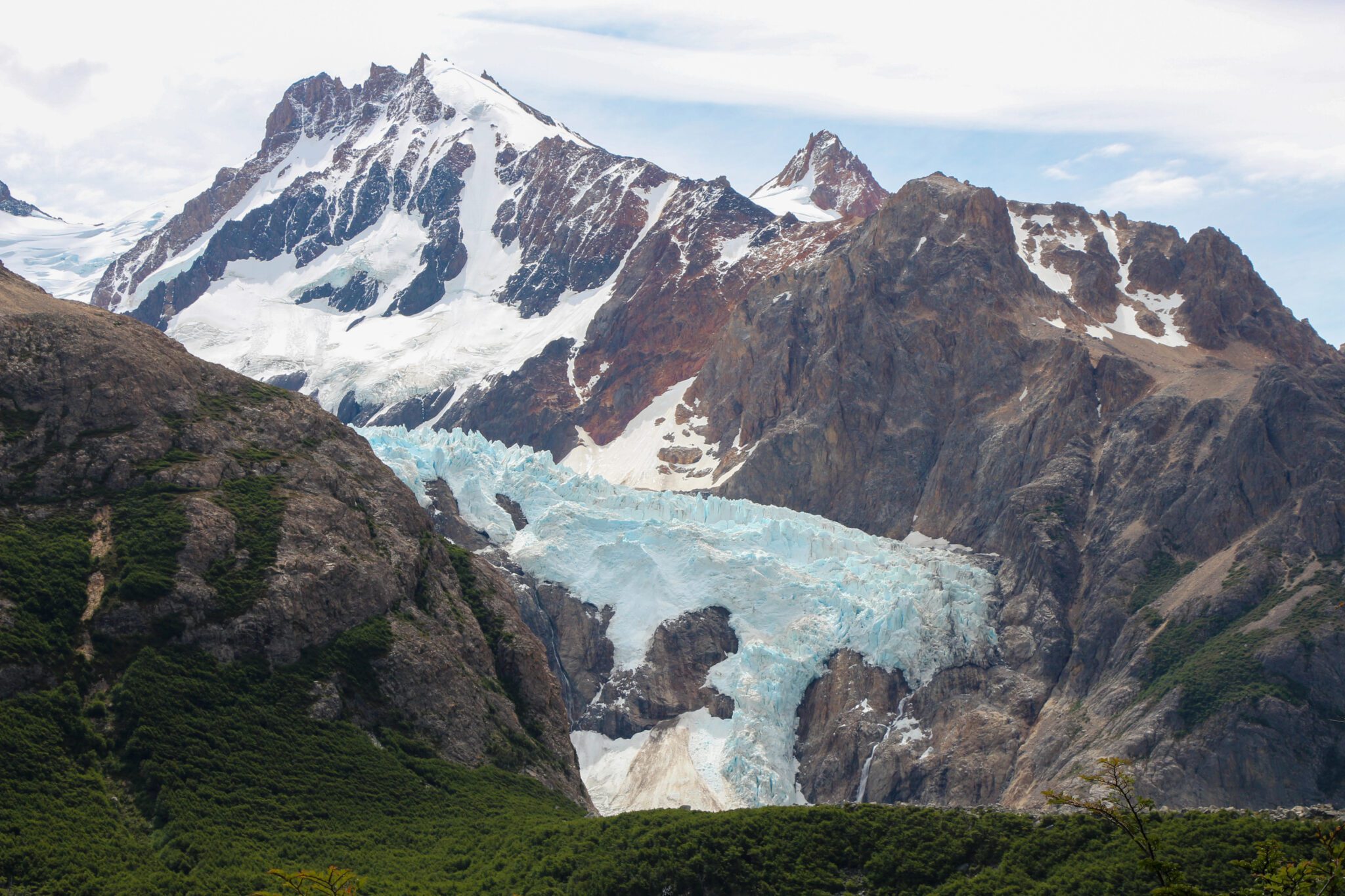
One of Patagonia’s defining features is scale. The landscapes feel endless, with enormous valleys, glaciers, and mountain ranges stretching in every direction.
Unlike heavily urbanized destinations, Patagonia offers:
- Vast open spaces
- Minimal development in hiking areas
- A strong connection to nature
The region encourages slower, more intentional travel.
Torres del Paine National Park
Torres del Paine is Patagonia’s most famous hiking destination and one of the best trekking regions in the world.
The park is known for:
- Granite mountain towers
- Glacier-fed lakes
- Strong winds and rapidly changing weather
Popular hikes include the W Trek and sections of the longer O Circuit.
Every trail reveals completely different scenery, from forests to glaciers to rocky mountain passes.
El Chaltén and Argentina’s Hiking Culture
Across the border in Argentina, El Chaltén has become a favorite destination for hikers.
The town sits beneath the dramatic Fitz Roy mountain range and offers direct access to trails such as:
- Laguna de los Tres
- Laguna Torre
- Loma del Pliegue Tumbado
The hiking culture here feels relaxed and community-oriented, with travelers sharing trail updates and stories in cafés after long days outdoors.
Weather Challenges in Patagonia
Patagonia’s weather is famous for being unpredictable. Strong winds are constant, and conditions can shift rapidly even during summer.
Travelers usually prepare for:
- Sudden rainstorms
- Cold mornings and evenings
- Wind exposure during higher elevation hikes
Layering clothing and carrying enough food and water become extremely important during longer hikes.
Why Patagonia Is So Rewarding
Patagonia isn’t always easy. The weather can be demanding, and hikes are often physically challenging.
But the reward is unmatched scenery and a sense of isolation that’s becoming increasingly rare in modern travel.
Standing beside a glacier or watching clouds move across mountain peaks creates moments that feel unforgettable.
Final Thoughts
Patagonia is more than a hiking destination it’s an experience shaped by nature, scale, and silence.
For travelers seeking adventure and landscapes that feel truly wild, few places compare.