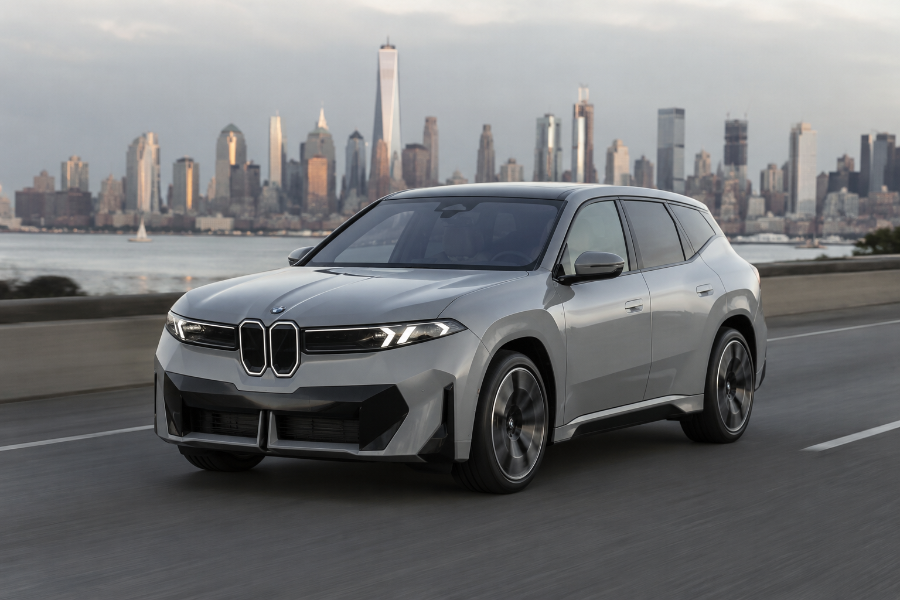
The BMW iX3 arrives at a pivotal moment for the luxury automotive industry. Premium car buyers no longer view electric vehicles as futuristic experiments reserved for early adopters. Instead, affluent consumers increasingly expect electric mobility to deliver the same refinement, convenience, and status once associated primarily with executive sedans and flagship SUVs. Consequently, luxury automakers now compete less on novelty and more on delivering seamless ownership experiences.
BMW understands this shift clearly. Rather than pursuing extreme futurism or dramatic disruption, the company appears focused on practical luxury. The BMW iX3 represents that strategy in a highly visible way. Moreover, it introduces many of the ideas shaping BMW’s Neue Klasse era, where software integration, efficiency, connectivity, and refined usability become just as important as horsepower figures.
The growing competition in the luxury EV market also raises the stakes. Premium buyers in 2026 expect fast charging, extended driving range, advanced driver-assistance systems, and quiet cabins designed for long-distance travel. Meanwhile, executive travelers increasingly prioritize vehicles that reduce fatigue, support productivity, and provide business-class comfort during daily commuting or airport transfers.
BMW positions the iX3 directly within that evolving demand. With an estimated range approaching 400 miles, ultra-fast charging capability, spacious practicality, and minimalist luxury design, the SUV aims to balance driving enjoyment with executive refinement. Additionally, the BMW iX3 reflects how connected technology now defines premium mobility experiences.
Why the BMW iX3 Matters in BMW’s Electric Future
The BMW iX3 is not simply another luxury electric crossover entering a crowded segment. Instead, it represents the beginning of BMW’s next-generation EV architecture under the Neue Klasse strategy. That transition matters because BMW’s future competitiveness increasingly depends on how effectively it integrates software, efficiency, and luxury usability into one coherent ecosystem.
For decades, BMW built its identity around driving dynamics and premium engineering. However, the modern luxury market now demands more than handling precision alone. Buyers expect digital ecosystems, intelligent interfaces, over-the-air updates, and advanced connectivity to function seamlessly every day. Therefore, the iX3 serves as a foundation for BMW’s broader transformation into a software-defined luxury automaker.
The Neue Klasse platform also allows BMW to rethink packaging, efficiency, and cabin design. As a result, the BMW iX3 benefits from improved interior space, enhanced battery integration, and modernized digital architecture. Meanwhile, BMW continues emphasizing refined ride quality and balanced driving behavior rather than relying purely on aggressive acceleration figures to attract attention.
Luxury automakers increasingly recognize EVs as strategic priorities rather than side projects. Mercedes-Benz, Audi, Porsche, and Tesla all continue investing heavily in premium electric mobility. In contrast to brands pursuing radical experimentation, BMW appears determined to maintain familiarity and everyday usability. That approach may resonate strongly with executive buyers seeking comfort without dramatic lifestyle adjustments.
How the BMW iX3 Combines Luxury and Everyday Practicality
One reason the BMW iX3 attracts attention is its focus on balancing luxury with genuine daily usability. Many affluent buyers no longer want vehicles designed purely to impress visually or dominate performance statistics. Instead, they increasingly prefer products that integrate smoothly into professional lifestyles.
The iX3’s spacious cabin plays a central role in that strategy. BMW emphasizes open interior layouts, supportive seating, and a quiet environment designed to reduce stress during long journeys. Moreover, electric powertrains naturally contribute to cabin refinement by eliminating engine vibration and reducing noise during urban commuting.
Ride comfort also matters significantly in executive mobility. Business travelers often spend hours navigating traffic, attending meetings, or driving between cities. Consequently, suspension tuning and seating ergonomics become essential luxury factors. BMW appears focused on delivering composed handling while preserving comfort suitable for extended travel.
Cargo practicality further strengthens the iX3’s appeal. Unlike some highly stylized EVs prioritizing dramatic silhouettes over functionality, the BMW iX3 maintains the versatility expected from a premium SUV. Additionally, the minimalist cabin design avoids unnecessary visual clutter while integrating advanced digital interfaces in a refined manner.
Key advantages include:
- Spacious rear seating for executive passengers
- Quiet cabin suited for productivity and relaxation
- Flexible cargo space for business or family use
- Minimalist luxury design with modern digital integration
- Comfortable ride quality for long-distance travel
Key Features Driving BMW iX3’s Business-Class Appeal
| Feature | Luxury Benefit | Executive Advantage | Practical Value | Competitive Impact |
|---|---|---|---|---|
| Long-range battery | Reduced travel stress | Fewer charging stops | Better daily usability | Strong against Tesla and Audi |
| Ultra-fast charging | Premium convenience | Faster business travel | Improved trip flexibility | Important in luxury EV market |
| Quiet cabin | Enhanced comfort | Better focus during travel | Reduced fatigue | Appeals to executive buyers |
| Driver-assistance systems | Safer driving experience | Easier commuting | Improved convenience | Competitive with Mercedes-Benz |
| Spacious interior | Greater passenger comfort | Ideal for airport transfers | Family practicality | Broader buyer appeal |
| Connected software ecosystem | Seamless digital experience | Productivity integration | Future-ready ownership | Supports Neue Klasse strategy |
Why Executive Buyers Are Embracing Practical Luxury EVs
The rise of executive electric vehicles reflects broader changes in affluent consumer behavior. Traditional luxury ownership once centered heavily around status symbols and performance credentials. However, modern premium buyers increasingly value efficiency, convenience, and seamless daily experiences.
Business professionals often prioritize calm environments during travel. Consequently, quiet EV cabins now represent a meaningful advantage. Without engine noise dominating the cabin, passengers can conduct calls, review schedules, or simply relax between meetings. As a result, luxury EVs increasingly function as mobile productivity spaces.
Charging convenience also shapes buyer decisions. Premium consumers expect rapid charging networks and minimal downtime during long-distance journeys. Therefore, automakers emphasizing fast charging and long range gain significant competitive advantages in the executive mobility market.
Technology integration matters equally. Affluent buyers expect connected ecosystems allowing smartphones, navigation systems, calendars, and driver-assistance technologies to operate together smoothly. Meanwhile, software updates increasingly influence ownership satisfaction in the same way performance once dominated purchasing decisions.
Luxury EVs additionally align with evolving corporate culture. Many executives and entrepreneurs now view electric mobility as consistent with innovation-focused professional identities. Nevertheless, buyers still demand refinement and comfort above all else. Vehicles like the BMW iX3 succeed because they combine modern efficiency with familiar premium experiences.
How the BMW iX3 Competes in the Premium EV Market
The premium EV segment continues expanding rapidly, creating intense competition for the BMW iX3. Tesla remains influential due to software leadership and charging infrastructure advantages. Meanwhile, Audi and Mercedes-Benz emphasize luxury refinement and advanced cabin technology. Porsche, on the other hand, focuses heavily on performance-oriented EV experiences.
BMW attempts to differentiate itself through balance. Rather than maximizing one characteristic at the expense of others, the company appears committed to blending driving dynamics, practicality, and executive comfort into one package. Consequently, the iX3 may appeal strongly to buyers seeking understated sophistication rather than attention-grabbing experimentation.
Driving dynamics remain central to BMW’s identity. Even as luxury mobility evolves toward software-defined experiences, many buyers still value steering feel, ride composure, and overall vehicle confidence. Therefore, BMW continues emphasizing driver engagement alongside comfort and digital integration.
The iX3’s estimated range of up to 400 miles also positions it competitively within the luxury EV segment. Additionally, ultra-fast charging capability addresses growing consumer expectations regarding convenience and travel flexibility.
However, challenges remain. Charging infrastructure varies significantly across regions, potentially limiting long-distance usability in certain markets. Moreover, modern BMW styling continues generating debate among enthusiasts and consumers alike. Some buyers appreciate the bold design direction, while others prefer more restrained aesthetics.
Premium Electric SUVs Competing for Luxury Buyers in 2026
| Brand | EV Strength | Luxury Focus | Charging Capability | Buyer Appeal |
|---|---|---|---|---|
| BMW iX3 | Balanced refinement | Business-class usability | Ultra-fast charging | Executive professionals |
| Tesla | Software ecosystem | Technology-first experience | Extensive charging network | Tech-oriented buyers |
| Audi | Cabin refinement | Premium craftsmanship | Competitive fast charging | Conservative luxury buyers |
| Mercedes-Benz | Comfort-focused luxury | Advanced interior ambiance | Strong charging performance | Traditional luxury consumers |
| Porsche | Driving performance | Sport-focused premium feel | High-performance charging | Enthusiast executives |
How Technology Is Redefining Business-Class Luxury Vehicles
Technology increasingly defines modern luxury experiences. In the past, premium interiors focused heavily on leather quality, wood trim, and physical craftsmanship. Although those elements remain important, digital ecosystems now influence consumer perception just as strongly.
The BMW iX3 reflects this transformation through connected software integration and intelligent driver interfaces. Digital displays replace many traditional controls, while voice assistance and over-the-air updates create more adaptive ownership experiences.
Driver-assistance systems also improve executive travel comfort significantly. Features such as adaptive cruise control, lane-centering assistance, and predictive navigation reduce fatigue during long-distance commuting. Consequently, luxury vehicles increasingly function as stress-management tools rather than purely transportation products.
Quiet electric cabins enhance productivity as well. Business professionals can conduct conversations more comfortably or simply enjoy calmer travel environments. Additionally, connected ecosystems allow users to integrate schedules, navigation, and communication tools directly into the vehicle experience.
Software-defined luxury continues growing in importance because affluent buyers increasingly expect their vehicles to evolve over time. Therefore, regular updates, digital customization, and intelligent interfaces become essential competitive advantages within the premium EV segment.
Risks and Challenges Facing the BMW iX3
Despite its strong positioning, the BMW iX3 faces several important challenges. Competition in the premium EV market continues intensifying rapidly, with nearly every luxury automaker expanding electric offerings aggressively.
Software reliability represents another critical issue. Modern vehicles depend heavily on digital systems, meaning glitches or interface problems can negatively affect ownership satisfaction. Consequently, BMW must ensure its software ecosystem performs consistently and intuitively.
Charging infrastructure gaps also remain a concern. Although premium buyers increasingly adopt EVs, infrastructure quality still varies considerably between regions. Therefore, luxury EV ownership experiences may differ significantly depending on local charging availability.
Pricing pressures further complicate the market. Luxury EVs require expensive battery technology and advanced digital systems, potentially pushing pricing beyond what some buyers consider reasonable. Meanwhile, affluent consumers continue expecting exceptional quality and convenience in exchange for premium pricing.
Consumer expectations also evolve quickly. Buyers now compare luxury vehicles not only against competitors within the automotive industry but also against broader technology experiences from smartphones, streaming services, and connected ecosystems.
Why the BMW iX3 Reflects Modern Luxury Mobility Trends
The BMW iX3 reflects broader changes shaping luxury mobility worldwide. Affluent consumers increasingly prioritize experiences over excess. Consequently, practical refinement now matters more than dramatic styling or overwhelming performance figures alone.
Modern luxury buyers often seek vehicles supporting both personal lifestyles and professional responsibilities. Therefore, premium EVs increasingly function as lifestyle tools designed around convenience, connectivity, and efficiency. Executive buyers value time-saving features, quiet cabins, and stress-free travel experiences more than ever before.
Technology ecosystems also influence purchasing behavior significantly. Consumers expect vehicles to integrate seamlessly with digital lifestyles while simplifying everyday tasks. In contrast to earlier luxury trends focused mainly on exclusivity, modern premium mobility emphasizes usability and intelligent convenience.
Practical luxury increasingly defines competitive advantage in the EV market. Buyers want spacious interiors, intuitive interfaces, fast charging, and refined ride quality delivered without unnecessary complexity. Consequently, automakers emphasizing balanced ownership experiences may achieve stronger long-term success than brands focused solely on dramatic innovation.
BMW’s Neue Klasse strategy aligns closely with these trends. Rather than abandoning traditional driving quality, BMW appears determined to integrate technology thoughtfully into familiar luxury experiences. That balanced approach may prove especially attractive to affluent professionals seeking understated sophistication.
Why the Future of Luxury EVs May Be Defined by Vehicles Like the BMW iX3
The future of luxury EVs may depend less on radical experimentation and more on intelligent refinement. The BMW iX3 illustrates how premium buyers increasingly prioritize seamless usability over flashy innovation.
Business-class comfort now acts as a major luxury differentiator. Executive travelers want quiet cabins, supportive seating, intuitive technology, and rapid charging capability integrated into one cohesive experience. As a result, premium EV competition increasingly revolves around convenience and productivity rather than acceleration statistics alone.
Practical EV usability also drives adoption. Buyers expect long range, dependable charging, and flexible interiors without compromising luxury quality. Therefore, automakers capable of balancing technology with real-world functionality gain meaningful advantages.
BMW’s strategy appears focused on refinement rather than disruption alone. The Neue Klasse era emphasizes integrating advanced software and connectivity while preserving driving confidence and everyday comfort. Meanwhile, affluent consumers increasingly evaluate luxury vehicles through the lens of stress reduction and mobility efficiency.
The BMW iX3 matters because it reflects changing priorities within the luxury market itself. Premium EV buyers increasingly value intelligent ecosystems, smooth ownership experiences, and practical sophistication over dramatic design statements. Consequently, the future of executive mobility may belong to vehicles delivering refined, connected, and effortless transportation tailored for modern professional lifestyles.
Why is the BMW iX3 important for BMW?
The BMW iX3 introduces BMW’s Neue Klasse EV direction and showcases the brand’s next-generation approach to software, efficiency, and luxury mobility.
What makes the BMW iX3 different from other luxury EVs?
The BMW iX3 focuses on practical luxury, executive comfort, balanced driving dynamics, and everyday usability rather than extreme futurism.
How much range does the BMW iX3 offer?
BMW is expected to target up to 400 miles of estimated driving range depending on configuration and market specifications.
Why are executive buyers choosing luxury EVs?
Executive buyers increasingly value quiet cabins, lower travel stress, seamless technology integration, and efficient daily mobility.
What is BMW’s Neue Klasse platform?
Neue Klasse is BMW’s next-generation EV architecture focused on software integration, efficiency, digital ecosystems, and improved electric performance.
How fast can the BMW iX3 charge?
The BMW iX3 is expected to feature ultra-fast charging capability designed to reduce downtime during long-distance travel.
How does the BMW iX3 compare with Tesla and Audi EVs?
The BMW iX3 emphasizes refinement, balanced handling, and business-class comfort, while Tesla focuses heavily on software and Audi prioritizes cabin craftsmanship.
What challenges does the BMW iX3 face?
The iX3 faces intense EV competition, charging infrastructure limitations, software reliability expectations, and premium pricing pressures.
Why are practical luxury EVs becoming more popular?
Affluent buyers increasingly prefer convenience, comfort, and connected technology over excessive performance or dramatic styling.
What trends are shaping the future of premium electric SUVs?
Software-defined vehicles, fast charging, connected ecosystems, executive comfort, and seamless mobility experiences continue shaping premium EV demand.