A birthday party lives or dies on momentum. Food helps, décor sets the scene, but music is the invisible hand that controls energy—when people arrive, when they loosen up, and whether the dancefloor ever really takes off.
So the real question isn’t “playlist or DJ?” It’s: what kind of night are you trying to create—and how much risk are you willing to manage yourself? Both options can work brilliantly. Both can also fall flat for reasons people only notice once the room feels awkward.
Below is a practical way to choose, based on how events actually behave in the wild.
Start with the outcome you want (not the tool)
Before you price anything up, picture the peak moment of the party. Are you imagining:
A relaxed, talkable atmosphere
Think dinner-party energy with a few nostalgic singalongs. The music is a mood layer, not the main event. In this scenario, a well-built playlist can be perfect—especially if the guest list is small and the venue is predictable.
A “proper party” with a clear build
If you want a dancefloor that ramps up, hits a few high points, and recovers smoothly when people drift to the bar, you’re talking about flow, not just song choice. Flow is where DIY music setups often struggle, because it’s less about taste and more about timing.
A mixed-age crowd that needs careful steering
Many birthdays are multi-generational by default: friends, partners, family, colleagues. That’s where the night can become musically complicated. A playlist tends to serve one “main character” taste at a time; a good DJ blends across eras and genres without making it feel like a random shuffle.
What a playlist does well (and where it breaks)
A playlist isn’t the lazy option—it’s just a different skill set. When it works, it’s because someone treated it like programming, not like throwing 200 songs into a folder.
Where playlists shine
A playlist is usually the right call when:
- You have a clear musical identity (e.g., 90s R&B, indie classics, disco) and most guests share it.
- The venue has reliable sound and a simple setup (Bluetooth, AUX, or a house system you trust).
- You’re happy with “good background” rather than “managed dancefloor.”
The hidden failure points
Most playlist issues aren’t about “bad songs.” They’re about context:
- Energy doesn’t ladder up. People dance for one track, then the vibe drops because the next song is a different tempo or mood.
- No real-time correction. If the room isn’t responding, the playlist can’t pivot.
- Dead air and awkward transitions. Even small pauses feel louder than you think when a room is full of people.
- Sound becomes someone’s job. The moment the speaker cuts out, the host becomes tech support.
If you’re hosting your own birthday, ask yourself honestly: do you want to be the person troubleshooting audio when you should be clinking glasses?
What a professional birthday DJ actually brings
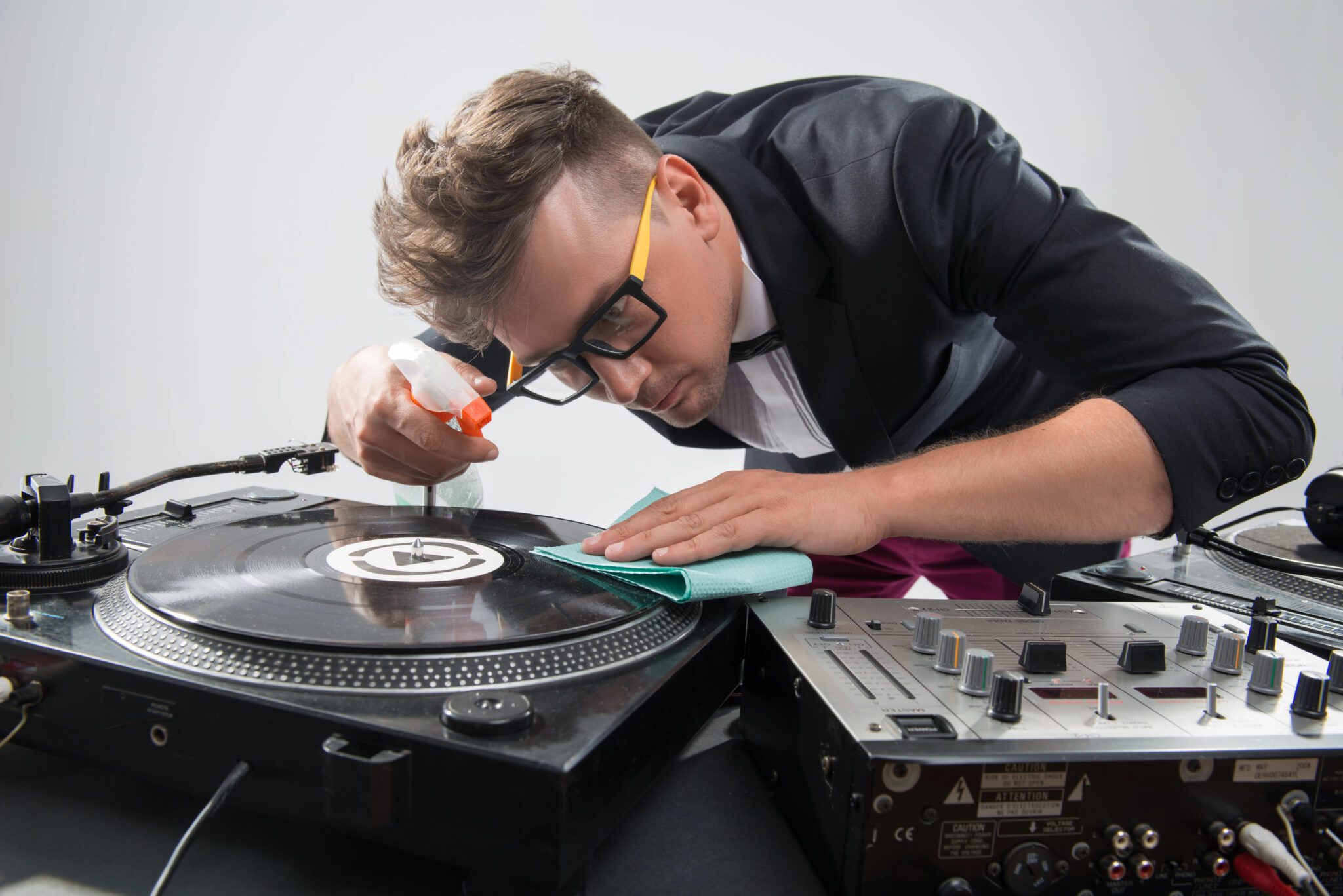
A DJ isn’t just “someone with more songs.” In practice, you’re paying for decision-making under pressure—reading the room, managing pacing, and handling the technical side so the host can be present.
Around the point where you start caring about the dancefloor as a shared experience, it’s worth at least exploring availability and pricing to hire DJs for birthday celebrations and parties—not because a DJ is automatically “better,” but because it clarifies what you’re delegating: sound, structure, and contingency planning.
Real-time crowd reading (the thing playlists can’t do)
A strong DJ watches the room the way a good chef watches a pan. Are people singing but not dancing? Are they dancing but tiring? Did the last track bring in one group and push another out to the hallway? Those micro-signals guide song selection, tempo, and when to change direction.
Seamless pacing and transitions
Even if you don’t care about beatmatching, you do care about what it feels like when music stops, starts, or changes mood too sharply. DJs manage transitions to keep people moving without making the set feel like a jukebox.
Sound, lighting, and plan B
A professional setup is usually more robust than a single speaker and a phone:
- Proper gain staging so vocals aren’t harsh and bass isn’t muddy.
- Microphone handling for speeches (feedback control matters more than people realise).
- Backup gear and offline music options if Wi‑Fi drops, a cable fails, or someone spills a drink.
If you’re in a venue with neighbours, licensing constraints, or a strict finish time, that experience becomes even more valuable.
A decision framework: the questions that settle it quickly
Rather than deciding on principle, answer these practical questions. They tend to make the choice obvious.
- How important is dancing to the success of the night? If it’s central, a DJ reduces risk.
- How mixed is the crowd (age, tastes, cultures)? The more mixed, the more helpful live mixing and steering becomes.
- Who will handle sound on the day? If the answer is “me,” make sure you’re okay with that.
- How unpredictable is the venue? Odd room shapes, sound limiters, outdoor spaces, and shared walls add complexity.
- Do you need a mic moment that won’t be painful? Toasts, games, and announcements are smoother with someone managing levels.
- What’s your tolerance for awkward patches? A playlist can still be great—but it won’t rescue a lull.
- How much prep time do you realistically have? A confident playlist takes hours to build and test.
Hybrid options that often work best
Many successful birthdays use a blended approach—especially when budgets are tight or the event has distinct phases.
Playlist for early evening, DJ for peak hours
Start with a curated playlist during arrivals, drinks, and food, then bring in a DJ for the high-energy window. This keeps costs controlled while still protecting the dancefloor moment.
DJ with clear “do not play” and “must play” boundaries
Some people avoid DJs because they fear losing musical identity. You don’t have to. A good brief is specific without being restrictive:
- Share 10–20 “must plays” that define the night.
- Include a short “absolutely not” list (the songs that make you leave the room).
- Describe the vibe in plain language: “feel-good 2000s,” “funky, not cheesy,” “big choruses, not heavy dance.”
If you go playlist-only, treat it like a run of show
Keep it simple:
- Build in arcs: warm-up → familiar singalongs → danceable peak → late-night favourites.
- Test transitions by listening in order, not on shuffle.
- Download everything offline and lock your device so notifications don’t hijack the room.
- Assign one trusted person as “music captain” so you’re not asked to fix things mid-party.
The takeaway
A playlist is ideal when your party doesn’t depend on a dancefloor—and you’re happy to trade a little unpredictability for simplicity and cost control. A professional DJ makes sense when you want the night to build, when the crowd is varied, or when you’d rather be the guest of honour than the person managing cables and volume.
If you’re still torn, use this litmus test: Would a 20-minute lull materially damage the night? If yes, bring in someone whose job is to prevent that lull from happening in the first place.