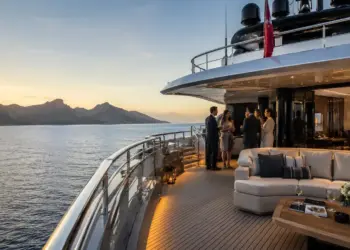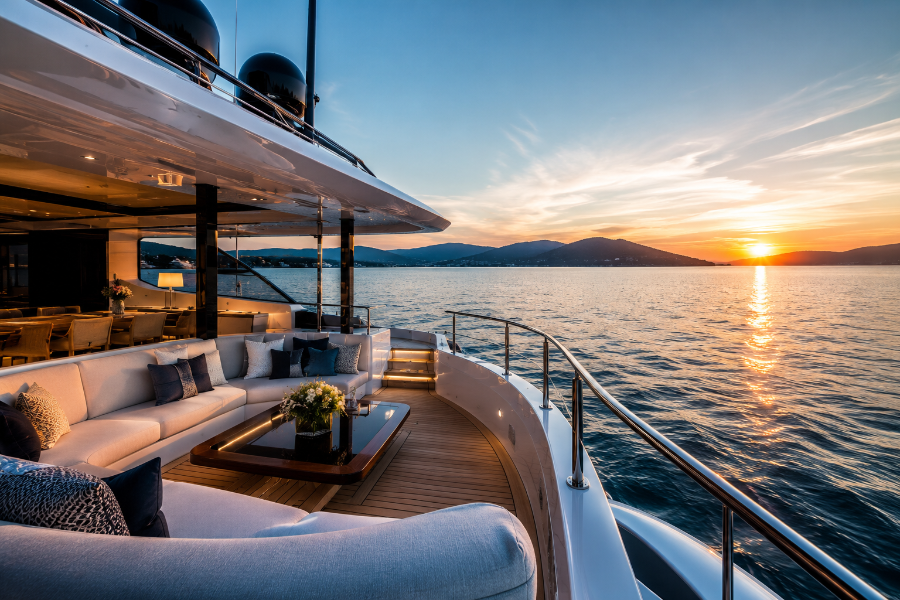
The world of Luxury Yachts is changing rapidly in 2026. For decades, yacht ownership centered largely on prestige, scale, and visual grandeur. Today, however, affluent buyers increasingly define luxury through flexibility, comfort, and seamless experiences rather than sheer excess alone. As a result, modern yachting has evolved into a lifestyle ecosystem where practicality matters almost as much as prestige.
Younger ultra-high-net-worth travelers are influencing this transformation in significant ways. Many now prefer relaxed sophistication over traditional formality. Moreover, hybrid work and travel lifestyles have reshaped expectations around mobility, onboard living, and operational efficiency. Instead of viewing yachts solely as symbols of wealth, owners increasingly see them as floating residences, entertainment hubs, wellness retreats, and mobile business environments.
At the same time, global travel trends continue to push the industry toward experience-focused luxury. Affluent travelers now prioritize privacy, flexibility, and personalized hospitality. Consequently, yacht builders are redesigning interiors to support longer stays, multi-functional living, and seamless connectivity. Spacious lounges, wellness facilities, adaptable guest cabins, and concierge-level service standards have become central features of modern yacht design.
Operational efficiency is also becoming a defining luxury advantage. Owners now pay closer attention to fuel efficiency, quieter cruising systems, marina accessibility, and sustainability technologies. Therefore, practical innovation increasingly shapes the future of Luxury Yachts alongside aesthetics and prestige.
The modern yacht industry reflects a broader shift in affluent travel culture: luxury is no longer only about being seen. Instead, it is increasingly about living well, traveling intelligently, and experiencing comfort without compromise.
Why Luxury Yachts Are Becoming More Practical in 2026?
Affluent travel behavior has changed considerably over the past few years. Wealthy travelers increasingly seek meaningful experiences, extended journeys, and flexible living arrangements. As a result, yacht ownership now revolves around usability as much as exclusivity.
Many owners spend longer periods onboard than previous generations. Consequently, yacht layouts now prioritize livability, comfort, and operational practicality. Designers increasingly create spaces that feel residential rather than ceremonial. Open-plan lounges, adaptable dining areas, and private wellness zones now serve everyday functionality while maintaining refined aesthetics.
Moreover, the rise of remote work among entrepreneurs, investors, and executives has transformed yachts into mobile lifestyle platforms. Reliable satellite connectivity, private office spaces, and integrated entertainment systems support hybrid work and leisure lifestyles at sea. Meanwhile, owners increasingly value vessels that allow seamless movement between business, relaxation, and social experiences.
Operational efficiency also influences design decisions more than ever before. Builders now focus on practical cruising capabilities, quieter engines, optimized fuel systems, and simplified maintenance. In contrast to older superyacht trends centered purely on scale, modern buyers often prefer manageable vessels that offer comfort without excessive operational complexity.
Several trends are driving this practical evolution:
- Longer onboard stays among affluent travelers
- Increased focus on flexible interior layouts
- Demand for lower operational complexity
- Preference for marina accessibility and mobility
- Greater emphasis on sustainability and efficiency
Therefore, practical luxury is no longer viewed as a compromise. Instead, it has become a defining characteristic of premium maritime living.
How Modern Luxury Yachts Balance Prestige and Everyday Comfort?
Modern Luxury Yachts increasingly resemble high-end private residences rather than purely formal entertainment spaces. Designers now blend refined materials with relaxed functionality to create environments that feel welcoming, adaptable, and comfortable for extended living.
Residential-style interiors have become especially popular. Soft textures, natural lighting, contemporary furnishings, and open social spaces create a more inviting atmosphere onboard. Additionally, owners increasingly prioritize emotional comfort and wellness over rigid formal aesthetics. This shift reflects broader luxury hospitality trends seen in premium resorts and private residences worldwide.
Wellness spaces now play a major role in yacht design. Many vessels include fitness studios, massage rooms, saunas, meditation areas, and spa-inspired bathrooms. As a result, yachts increasingly support holistic lifestyle experiences rather than occasional leisure escapes.
Entertainment technology has also become central to onboard living. Advanced cinema systems, immersive audio environments, and digital connectivity allow guests to remain connected and entertained during longer voyages. Nevertheless, buyers still expect discreet integration that preserves visual elegance throughout the yacht.
Modern comfort priorities often include:
- Flexible guest accommodations
- Quiet stabilization systems
- Indoor-outdoor social spaces
- Personalized climate controls
- Family-oriented entertainment zones
Consequently, affluent buyers increasingly value effortless comfort over excessive formality. Luxury now means convenience, personalization, and seamless experiences at sea.
Key Features Defining Modern Practical Luxury Yachts
| Feature | Luxury Benefit | Practical Advantage | Owner Appeal | Industry Trend |
|---|---|---|---|---|
| Residential-style interiors | Relaxed elegance | Comfortable long stays | Home-like atmosphere | Strong growth |
| Hybrid propulsion systems | Quiet cruising | Improved efficiency | Sustainability appeal | Rapid adoption |
| Wellness facilities | Premium lifestyle | Health-focused living | Extended onboard comfort | Expanding demand |
| Smart onboard automation | Seamless control | Reduced operational stress | Convenience | Industry standard |
| Flexible cabin layouts | Personalized hosting | Multi-purpose use | Family adaptability | Increasing popularity |
Why Younger Wealthy Buyers Are Reshaping Yacht Culture?
A younger generation of affluent buyers is redefining the culture surrounding Luxury Yachts. Unlike older ownership models centered heavily on status display, many younger wealthy travelers prioritize experiences, mobility, and personalization.
Experience-focused luxury has become a major influence on yacht design. Buyers increasingly seek adventure-oriented travel, wellness experiences, private exploration, and social flexibility. Therefore, yachts now feature more casual social environments, water activity platforms, and adaptable entertainment spaces.
Hybrid work lifestyles also play an important role. Entrepreneurs and executives increasingly operate globally while remaining highly mobile. As a result, yachts increasingly function as floating offices and networking spaces alongside leisure environments.
Customization has become another major expectation. Younger buyers often prefer personalized layouts, unique design aesthetics, and technology-driven convenience. Moreover, many prioritize functional elegance over traditional displays of extravagance.
Generational changes are shaping the industry through:
- Preference for relaxed luxury environments
- Interest in adventure-based travel
- Demand for personalized design experiences
- Focus on wellness and lifestyle integration
- Increased reliance on digital connectivity
In contrast to previous generations, younger affluent buyers frequently value versatility more than sheer yacht size. Consequently, practical elegance increasingly defines modern yacht culture.
How Technology Is Improving the Luxury Yacht Experience?
Technology now plays a central role in shaping modern Luxury Yachts. Owners increasingly expect seamless digital experiences that enhance convenience, comfort, entertainment, and operational performance.
Smart onboard systems allow centralized control of lighting, security, entertainment, climate settings, and navigation features. Additionally, advanced satellite connectivity enables uninterrupted communication and remote work capabilities almost anywhere in the world.
Navigation and stabilization technologies have also improved dramatically. Modern systems reduce motion discomfort, improve fuel efficiency, and enhance safety during extended voyages. As a result, owners and guests experience quieter, smoother cruising environments that support long-term comfort.
Digital entertainment ecosystems continue to evolve as well. Integrated streaming platforms, immersive media systems, and private cinema environments now rival luxury hospitality experiences on land. Meanwhile, automation technologies simplify daily operations for crew members and owners alike.
However, increasing technological sophistication also introduces new challenges. Cybersecurity concerns are becoming more important as yachts rely heavily on connected systems. Moreover, advanced technologies often increase maintenance complexity and operational costs over time.
Technology-driven innovations include:
- Smart automation platforms
- High-speed satellite internet
- Advanced stabilization systems
- Energy-efficient propulsion technologies
- Predictive maintenance software
Therefore, technology now serves both luxury enhancement and operational practicality within the modern yacht industry.
Luxury Yacht Priorities for Affluent Buyers in 2026
| Priority | Lifestyle Benefit | Operational Impact | Buyer Motivation | Market Trend |
|---|---|---|---|---|
| Wellness integration | Improved relaxation | Increased onboard usage | Holistic living | Rapid growth |
| Sustainable technology | Eco-conscious travel | Lower emissions | Responsible luxury | Expanding adoption |
| Flexible layouts | Multi-purpose living | Better space efficiency | Family adaptability | High demand |
| Digital connectivity | Hybrid work support | Greater system integration | Constant mobility | Industry expectation |
| Concierge-level service | Personalized experiences | Larger hospitality focus | Premium comfort | Competitive advantage |
Why Charter Demand Is Expanding the Luxury Yacht Market?
Yacht charter demand continues to grow significantly as affluent travelers seek flexible access to maritime luxury experiences. Many travelers now prefer testing the yacht lifestyle before committing to full ownership. Consequently, charter markets increasingly influence broader industry trends.
Experiential luxury tourism has accelerated this growth. Private maritime travel offers exclusivity, personalization, and privacy that many affluent travelers now prioritize. Moreover, yachts provide flexible itineraries that traditional hospitality environments cannot easily replicate.
Concierge-level charter services also elevate the appeal of modern yacht experiences. Personalized itineraries, onboard chefs, wellness programs, and curated entertainment create highly customized travel experiences. As a result, yacht charters increasingly compete directly with ultra-luxury resorts and private villa experiences.
Meanwhile, global interest in private travel has expanded considerably. Affluent travelers increasingly value controlled environments, flexible scheduling, and remote destination access. Therefore, yacht charters now represent a broader lifestyle category rather than a niche luxury product.
Several factors continue driving charter demand:
- Flexible access without ownership obligations
- Personalized travel experiences
- Privacy-focused tourism preferences
- Growth of experiential luxury travel
- Expanding global marina infrastructure
Consequently, charter growth is reshaping how consumers engage with Luxury Yachts and maritime luxury overall.
Risks and Challenges Facing the Luxury Yacht Industry
Despite strong growth, the luxury yacht industry faces several operational and economic challenges. Rising fuel prices, staffing costs, and maintenance expenses continue to affect ownership economics significantly.
Environmental scrutiny also continues to increase. Governments, regulators, and affluent consumers increasingly expect sustainability improvements across luxury transportation sectors. Therefore, yacht builders face growing pressure to invest in cleaner propulsion technologies, energy-efficient systems, and environmentally responsible materials.
Marina infrastructure limitations create additional concerns. Larger vessels often face restricted access in highly desirable global destinations. Consequently, practical cruising capabilities and marina flexibility now influence purchasing decisions more heavily than before.
Economic uncertainty may also affect discretionary luxury spending. Although ultra-high-net-worth buyers remain resilient overall, shifting financial conditions can influence purchasing behavior and charter demand patterns.
Key industry challenges include:
- Rising operational expenses
- Sustainability expectations
- Marina congestion and limitations
- Increasing technological complexity
- Global economic volatility
Nevertheless, many industry leaders view these pressures as opportunities for innovation rather than barriers to growth.
Why Luxury Yachts Are Becoming Lifestyle Ecosystems?
Modern Luxury Yachts increasingly function as complete lifestyle ecosystems rather than occasional leisure assets. Owners now expect seamless integration between hospitality, wellness, business, entertainment, and travel experiences onboard.
Luxury hospitality standards strongly influence yacht interiors and service expectations. Designers increasingly collaborate with premium hotel brands, wellness experts, and lifestyle consultants to create immersive onboard experiences. As a result, yacht living increasingly resembles ultra-luxury residential hospitality.
Private business spaces have also become more important. Executives frequently conduct meetings, manage investments, and maintain global operations while traveling. Therefore, yachts increasingly support professional productivity alongside leisure experiences.
Wellness integration continues to expand as well. Fitness areas, spa facilities, nutrition-focused dining, and outdoor relaxation spaces now represent core ownership priorities rather than optional features.
Additionally, personalization has become a major competitive advantage within the industry. Owners increasingly expect tailored interiors, customized service programs, and unique experiential offerings that reflect individual lifestyles.
Luxury yachts now commonly integrate:
- Hospitality-inspired service standards
- Private entertainment environments
- Wellness and fitness facilities
- Business and networking spaces
- Personalized design ecosystems
Consequently, yachts increasingly serve as mobile luxury residences designed around seamless lifestyle flexibility.
Why the Future of Luxury Yachts Depends on Practical Innovation?
The future of Luxury Yachts will likely depend less on visible extravagance and more on intelligent adaptability. Affluent buyers increasingly prioritize seamless experiences, efficient operations, and flexible living environments that support modern global lifestyles.
Comfort and usability now influence purchasing decisions more directly than traditional prestige indicators alone. Consequently, yacht builders increasingly compete through livable interiors, operational efficiency, and hospitality-quality experiences rather than simply vessel size.
Sustainability will also shape future development. Buyers increasingly expect environmentally conscious technologies without sacrificing comfort or performance. Therefore, hybrid propulsion systems, energy optimization, and sustainable materials may become standard expectations across the industry.
Technology will continue redefining maritime luxury as well. Smart automation, predictive maintenance, advanced connectivity, and digital personalization will likely enhance both ownership convenience and guest experiences.
Most importantly, affluent travelers increasingly define luxury through freedom, flexibility, and personalization. Younger wealthy buyers especially prefer practical elegance over rigid formality. As a result, yachts increasingly function as adaptable lifestyle hubs capable of supporting travel, wellness, entertainment, and business simultaneously.
The industry’s long-term success may ultimately depend on delivering refined mobility rather than excess alone. Luxury yachting is evolving into a sophisticated balance of comfort, personalization, efficiency, and experiential freedom tailored to modern affluent lifestyles.
FAQs
Why are luxury yachts becoming more practical?
Affluent buyers increasingly prioritize comfort, flexibility, longer onboard stays, and operational efficiency alongside prestige.
What features define modern luxury yachts in 2026?
Residential interiors, wellness facilities, smart technology, flexible layouts, and sustainable propulsion systems define modern yacht design.
Why do affluent travelers prefer yacht experiences?
Yachts provide privacy, personalization, mobility, and exclusive travel experiences that traditional hospitality options often cannot match.
How are younger wealthy buyers changing yacht culture?
Younger buyers prioritize relaxed luxury, customization, wellness, and experience-driven travel over traditional formal extravagance.
What technologies are improving luxury yachts?
Smart automation, satellite connectivity, stabilization systems, hybrid propulsion, and advanced entertainment ecosystems are improving yacht experiences.
Why is yacht charter demand increasing?
Affluent travelers increasingly seek flexible access to private maritime travel without the long-term obligations of ownership.
What challenges does the luxury yacht industry face?
Rising operational costs, environmental scrutiny, marina limitations, and economic uncertainty remain major industry challenges.
How are luxury yachts becoming lifestyle ecosystems?
Modern yachts now integrate hospitality, wellness, entertainment, business functionality, and personalized living experiences.
Why is operational efficiency important in modern yachting?
Efficient systems reduce operational stress, improve comfort, lower environmental impact, and enhance long-term ownership value.
What trends are shaping the future of luxury yachts?
Practical luxury, sustainability, personalization, wellness integration, and technology-driven convenience are shaping future yacht development.