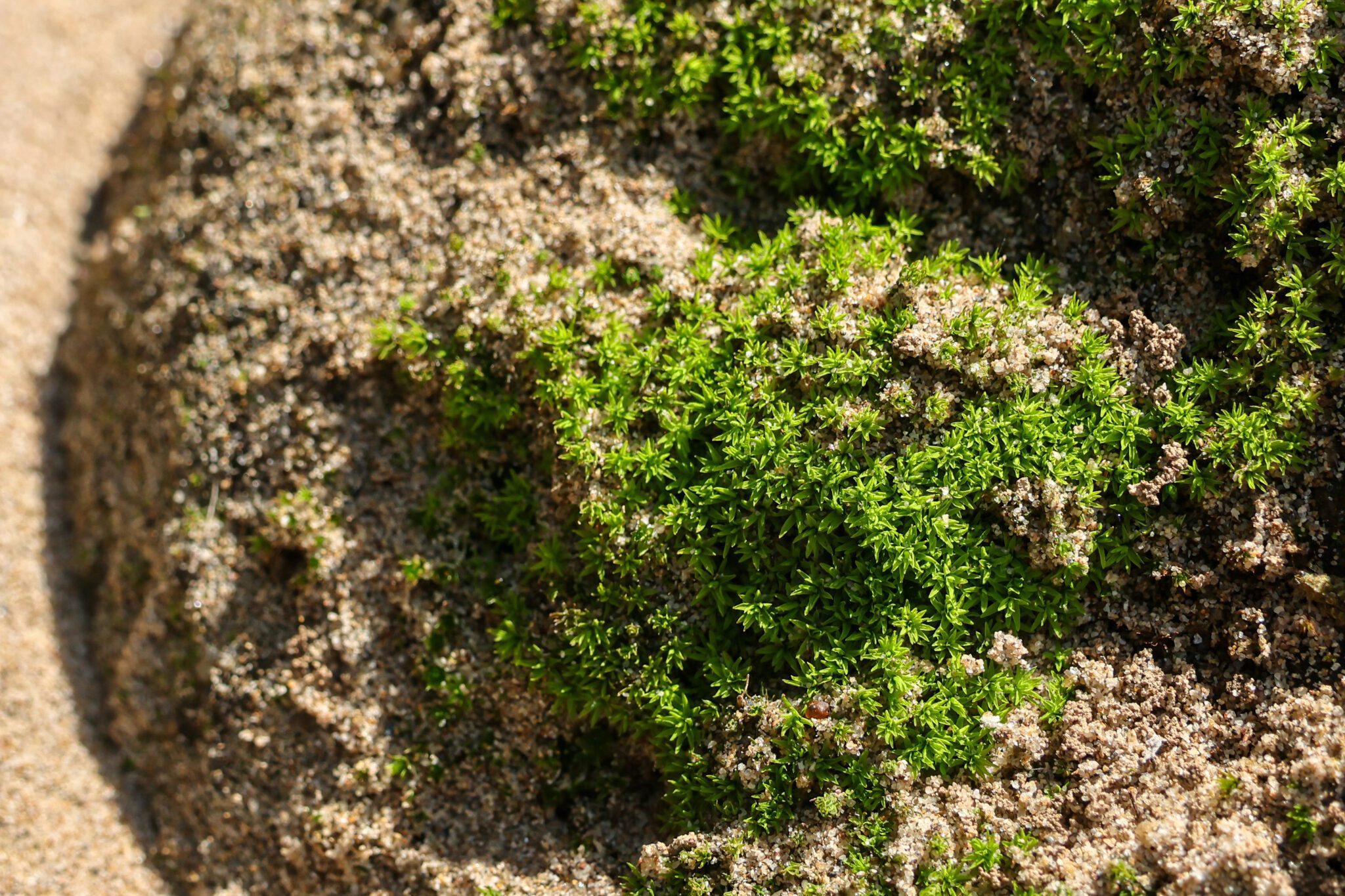
Sea moss has moved well beyond niche wellness circles. Once mainly known in coastal food traditions across the Caribbean and parts of Europe, it now appears in smoothies, broths, gels, and supplements marketed as nutrient-dense staples. That growing attention raises a fair question: is sea moss truly one of nature’s most complete ocean foods, or is that just modern health hype dressed up as ancient wisdom?
The answer sits somewhere in the middle. Sea moss is not a miracle ingredient, and it should not be treated as one. But its reputation is rooted in something real: it offers a broad spectrum of naturally occurring minerals, contains helpful polysaccharides, and brings a versatility to everyday eating that few sea vegetables can match. When you look at both its traditional use and modern nutritional interest, the label starts to make sense.
What makes sea moss nutritionally unusual?
Sea moss, often associated with the red algae species Chondrus crispus and related varieties, grows in mineral-rich ocean environments. Like many sea vegetables, it absorbs trace elements from seawater, which is one reason it has earned a reputation for nutritional density.
That said, the phrase “contains 92 of 102 minerals” gets repeated far too casually online. The actual nutrient profile of sea moss varies by species, water quality, harvesting location, and processing method. Still, the broader point holds up: sea moss can provide meaningful amounts of iodine, potassium, magnesium, calcium, and small amounts of other trace minerals that support normal body functions.
Its nutritional appeal is not just about minerals, either. Sea moss also contains soluble fiber-like compounds, particularly carrageenans in some species, which contribute to its gel texture. In food form, that texture matters. It helps thicken liquids, adds body to recipes, and makes sea moss easy to blend into foods people already eat.
This combination of broad mineral content and culinary flexibility is part of why nutrition-minded consumers keep returning to it. Most nutrient-dense foods are either hard to prepare, difficult to enjoy consistently, or too specialized to fit daily routines. Sea moss is different. It can sit quietly in the background of a meal while still contributing something useful.
Why “complete” doesn’t mean “perfect”
Calling any single food “complete” can be misleading. Sea moss does not provide everything the body needs in ideal quantities, and it should never replace a balanced diet built on whole foods, protein, healthy fats, and produce. But in the context of ocean foods, it stands out because it delivers a wider range of naturally occurring compounds than many people expect from such a small serving.
A broad nutritional footprint
Sea moss tends to be discussed in four practical ways:
- as a source of trace minerals
- as a naturally occurring source of iodine for thyroid support
- as a digestive-friendly ingredient due to its mucilaginous texture
- as a versatile base for gels, drinks, soups, and plant-based recipes
That last point matters more than it may seem. Nutritional value is only useful if people can apply it consistently. For anyone curious about incorporating sea moss into daily meals, the real advantage is that it does not demand a dramatic change in eating habits. A spoonful of prepared sea moss gel can disappear into oatmeal, smoothies, sauces, or tea without overwhelming flavor or texture.
The ocean food advantage
Land vegetables bring fiber, vitamins, and phytonutrients. Ocean plants often bring a different strength: mineral diversity. Because sea moss grows in a marine environment, it draws from a much broader mineral reservoir than soil-grown crops typically do. That does not automatically make it superior, but it does make it complementary.
This is where the “complete ocean food” label becomes more understandable. It reflects the fact that sea moss is both nutrient-rich and highly usable. Not every superfood earns that description honestly.
How traditional use shaped today’s interest
Sea moss is not a new discovery. In Jamaica, Ireland, and other coastal regions, it has been used for generations in drinks, tonics, and home cooking. Historically, it was valued as a sustaining food during periods when nutrient-dense ingredients were especially important.
Modern wellness culture often strips traditional foods of their context, but sea moss deserves that context. People did not keep using it for centuries because it was trendy. They used it because it was accessible, practical, and believed to be nourishing. That long record of culinary use gives sea moss more credibility than many health ingredients that explode on social media and disappear a year later.
At the same time, tradition should not exempt it from scrutiny. Today’s consumer is right to ask tougher questions about sourcing, contamination, and overconsumption. Sea vegetables can absorb heavy metals or pollutants depending on where they are harvested. Quality matters. Species matter. Preparation matters. A food can be beneficial and still require discernment.
What sea moss can realistically do for a modern diet
The strongest case for sea moss is not that it transforms health overnight. It is that it can strengthen dietary patterns in small, cumulative ways.
Nutrient support without much friction
A lot of healthy eating advice fails because it is too complicated. Sea moss succeeds, when it does, because it is easy to integrate. Its mild taste and thickening quality make it a practical addition rather than a disruptive one. That lowers the barrier to consistency, and consistency is where food choices actually start to matter.
Digestive and culinary benefits
Its gel-like texture can be useful in blended foods and recipes where body and smoothness are welcome. In plant-based cooking especially, sea moss often functions as both a nutrition ingredient and a texture ingredient. That dual role helps explain its staying power.
A note of caution
More is not always better. Because sea moss can contain significant iodine, taking large amounts regularly may not suit everyone, especially those with thyroid conditions or anyone already consuming iodine-rich foods or supplements. Moderation matters, and so does sourcing from reputable producers who test for purity.
The bigger reason sea moss keeps gaining attention
Sea moss fits a broader shift in how people think about food. More consumers are looking for ingredients that are minimally processed, naturally functional, and easy to use in everyday meals. They want foods that do more than one thing: nourish, support, simplify.
Sea moss checks many of those boxes. It offers trace minerals. It works in the kitchen. It has a long cultural history. And unlike many trend-driven health foods, it has practical staying power.
So, is it truly one of nature’s most complete ocean foods? In a strict scientific sense, “complete” may be too tidy a word. But as a shorthand for mineral diversity, versatility, and traditional nutritional value, it is not an unreasonable one. Sea moss is not magic. It is something better than that: a genuinely useful food that earns its place through function, not hype.