As Miami continues to position itself as a global destination for luxury, design, and international commerce, certain moments reveal how cultural identity travels—and how it is received. One such moment unfolded along Biscayne Bay, where Italian wine took on a role that extended beyond hospitality, becoming part of a broader conversation about origin, quality, and global experience.
Timed around the city’s FORMULA 1 weekend—an annual convergence of high-net-worth individuals, international travelers, and industry leaders—Miami transforms into more than a destination. It becomes a temporary capital of global lifestyle, where attention shifts not only to events, but to where to dine, what to drink, and how to experience the city at its highest level.
Within this context, Federdoc’s Miami Restaurant Wine Week offers a strategic lens through which to understand how Italian wine is positioned abroad.
Beyond Promotion: The System Behind the Wine
Federdoc, the national confederation representing Italy’s consortia for the protection of Designation of Origin wines, operates at the structural level of the industry. Its role is not simply promotional. It is foundational—ensuring that Italian wines maintain their identity through systems that govern origin, production, and traceability.
At the core of this framework are the designations themselves: PDO, DOC, and DOCG. These classifications are not marketing tools. They are regulatory systems designed to preserve the relationship between a wine and its territory.
For an international audience, particularly one accustomed to curated luxury experiences, this distinction becomes increasingly relevant. The value of wine is no longer defined solely by rarity or price point, but by understanding—of place, of method, and of cultural context.




A Social Format for a Sophisticated Audience
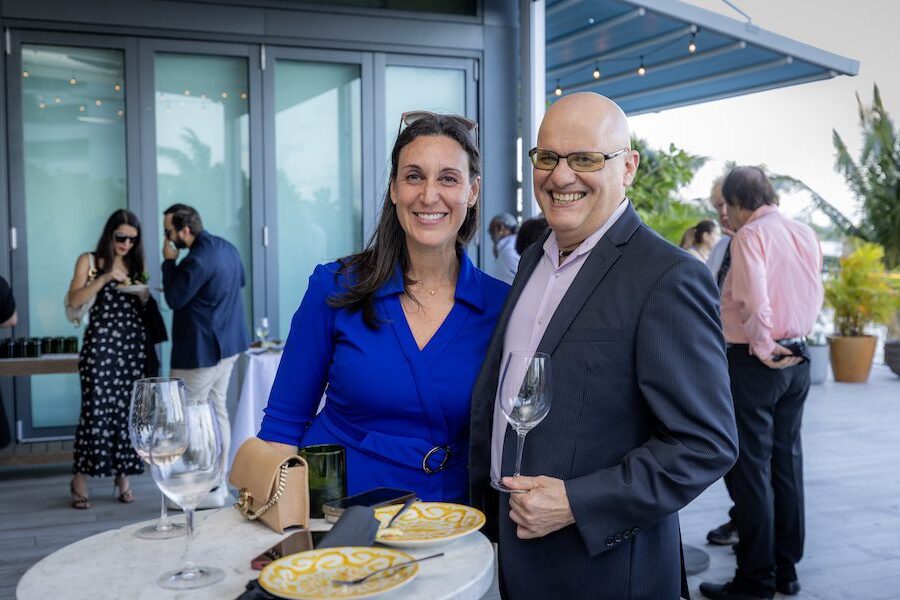
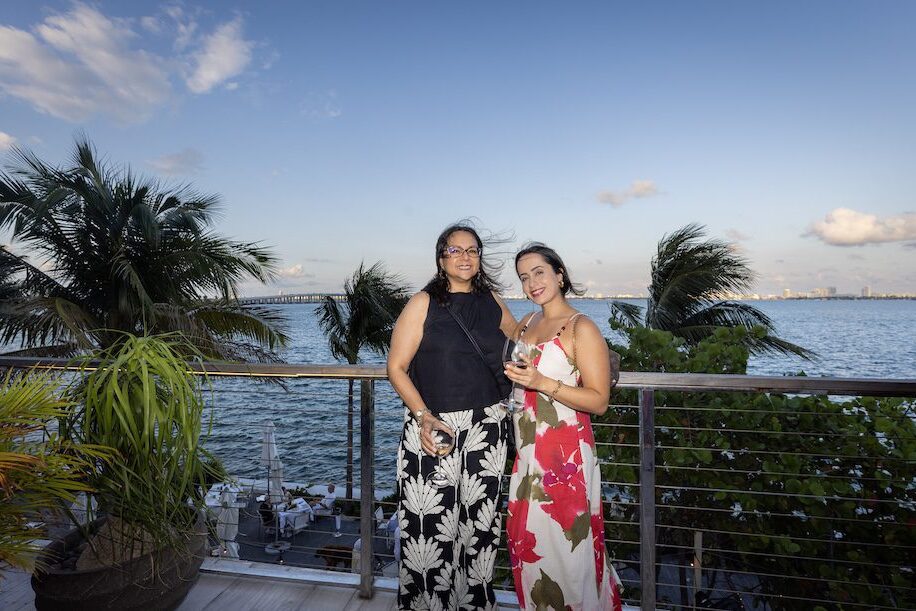
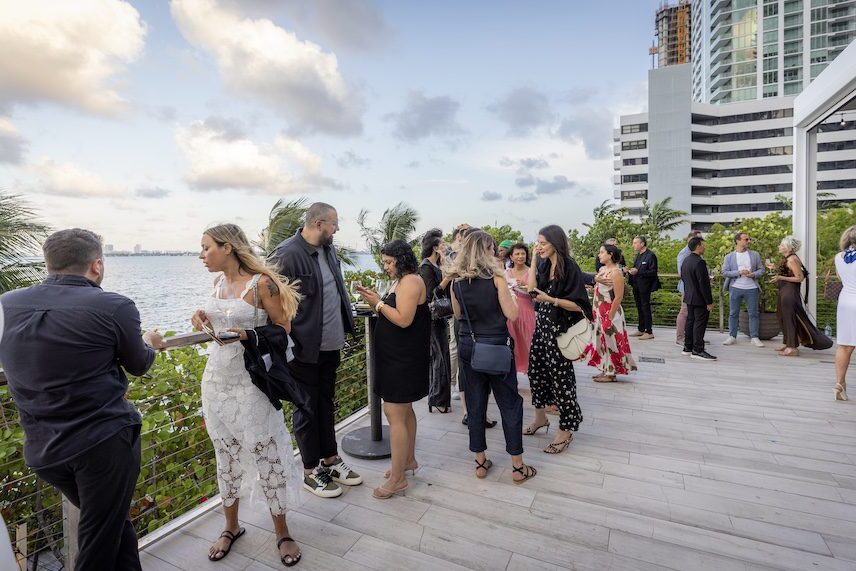
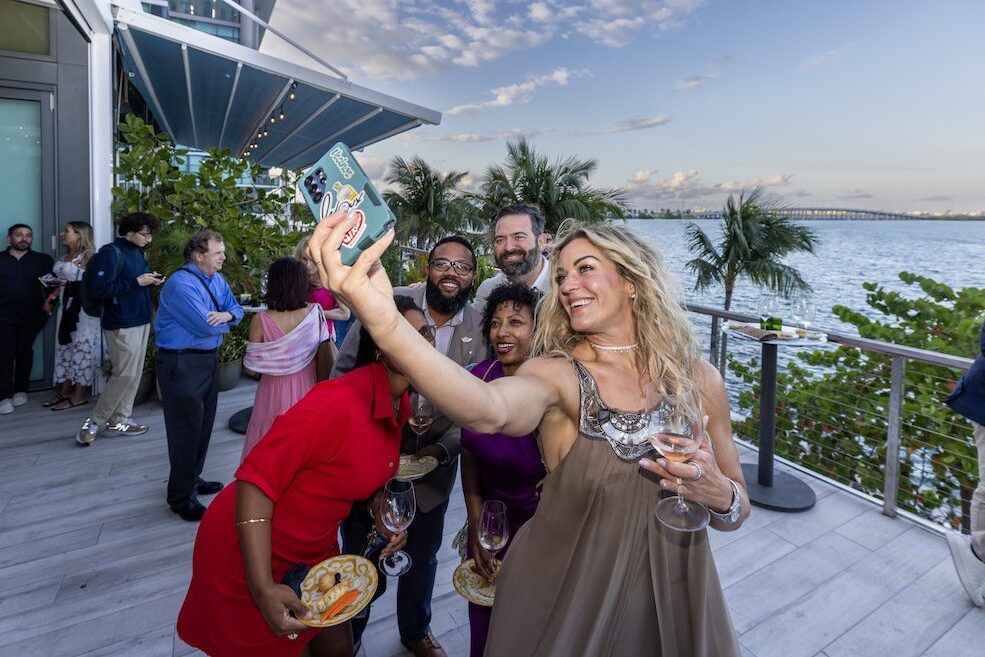
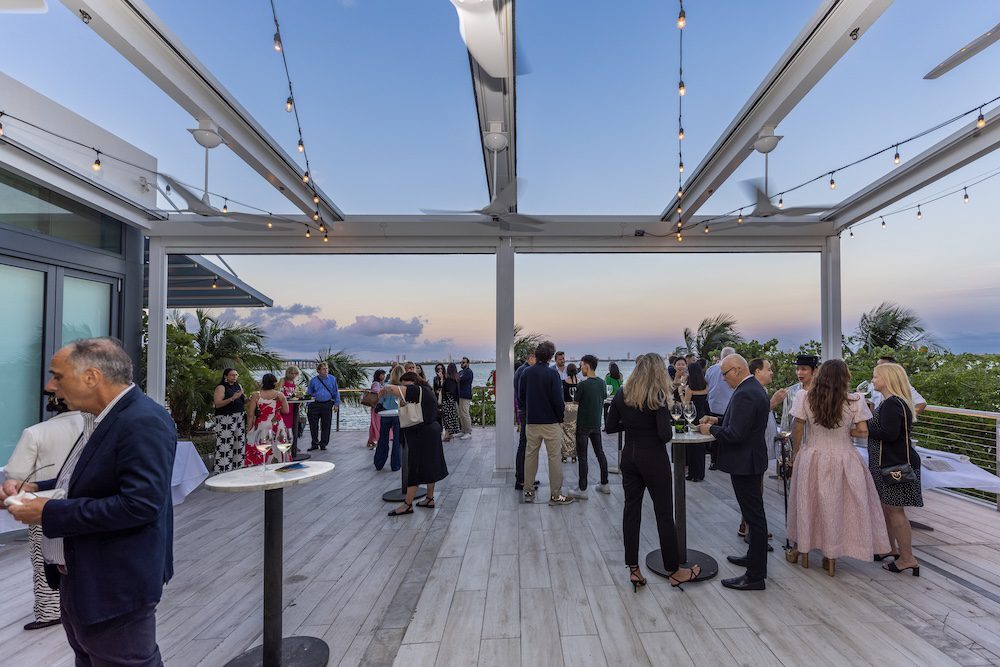
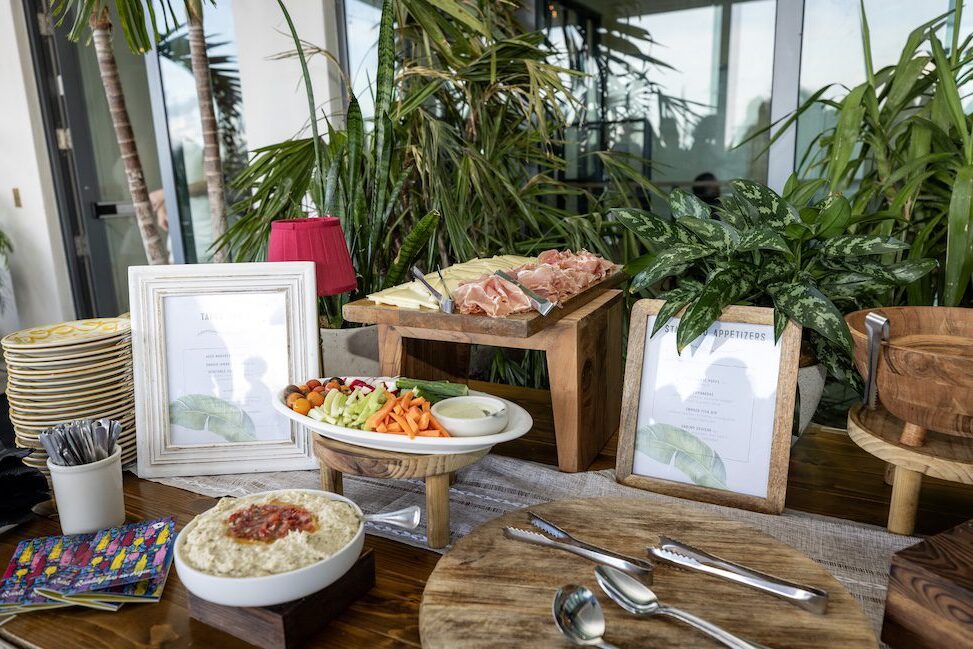
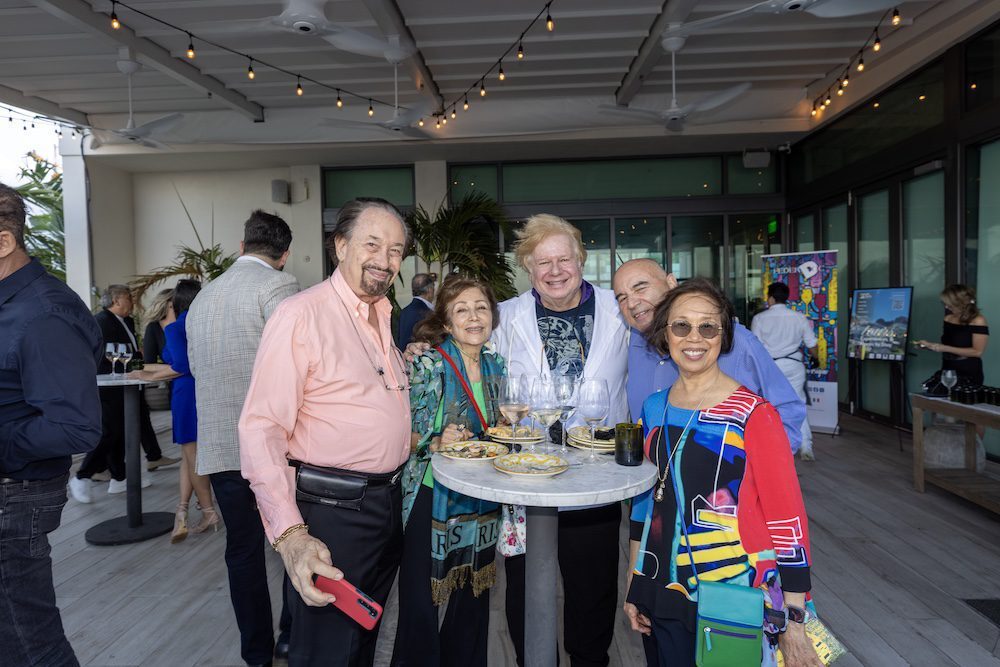
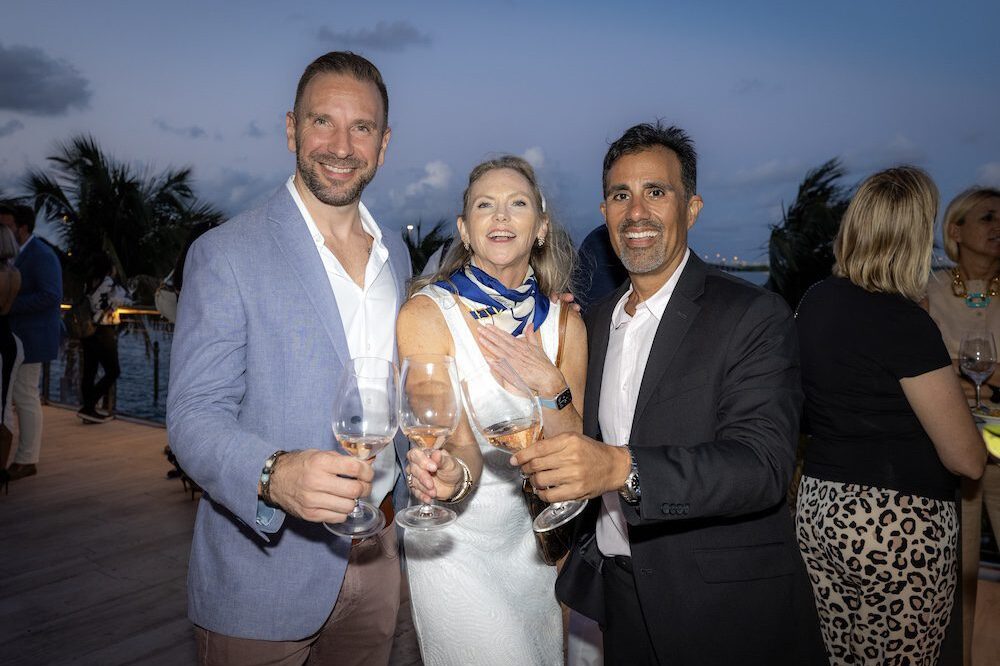
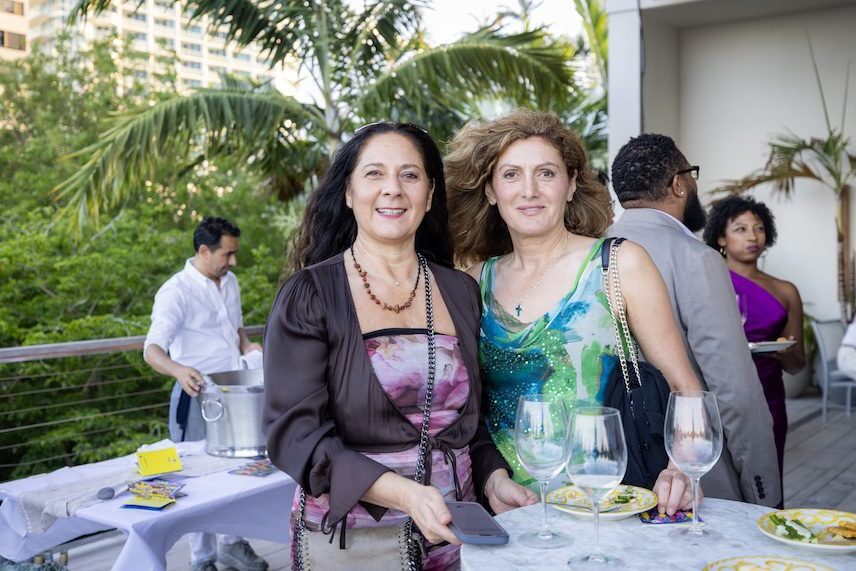
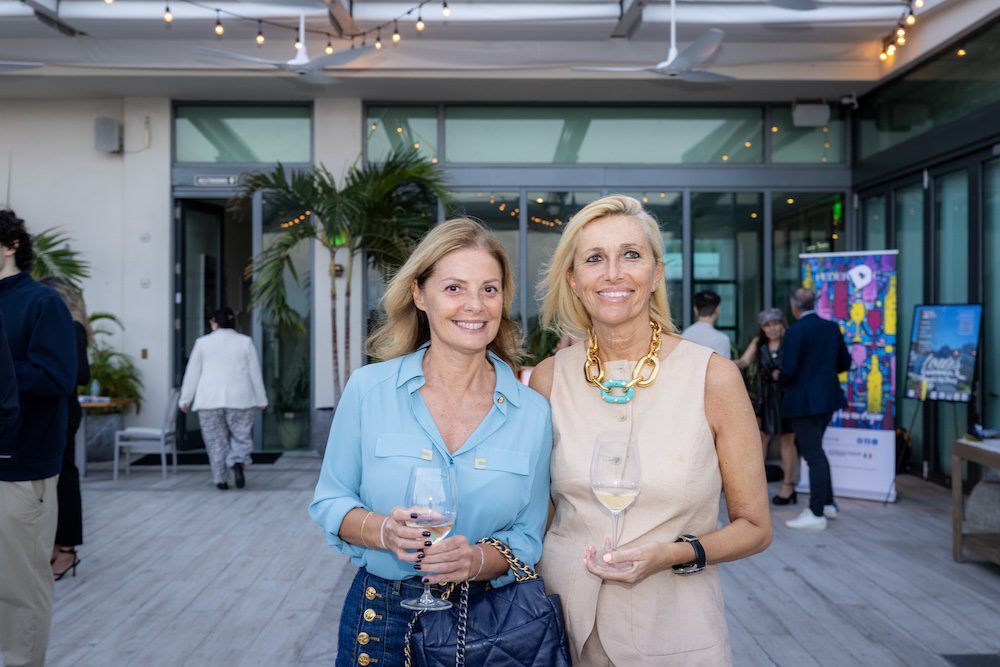
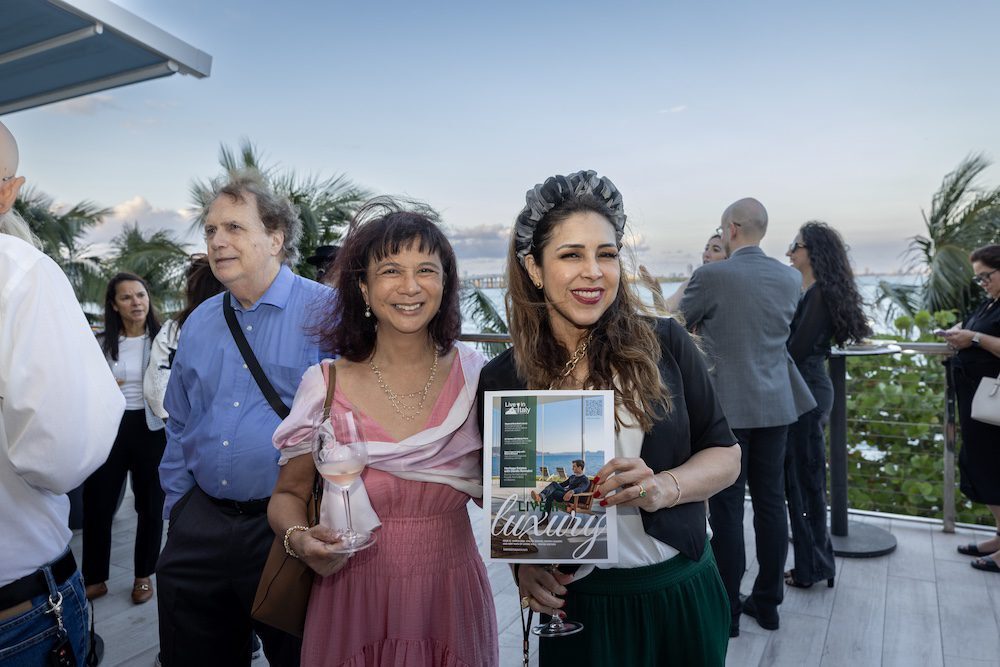
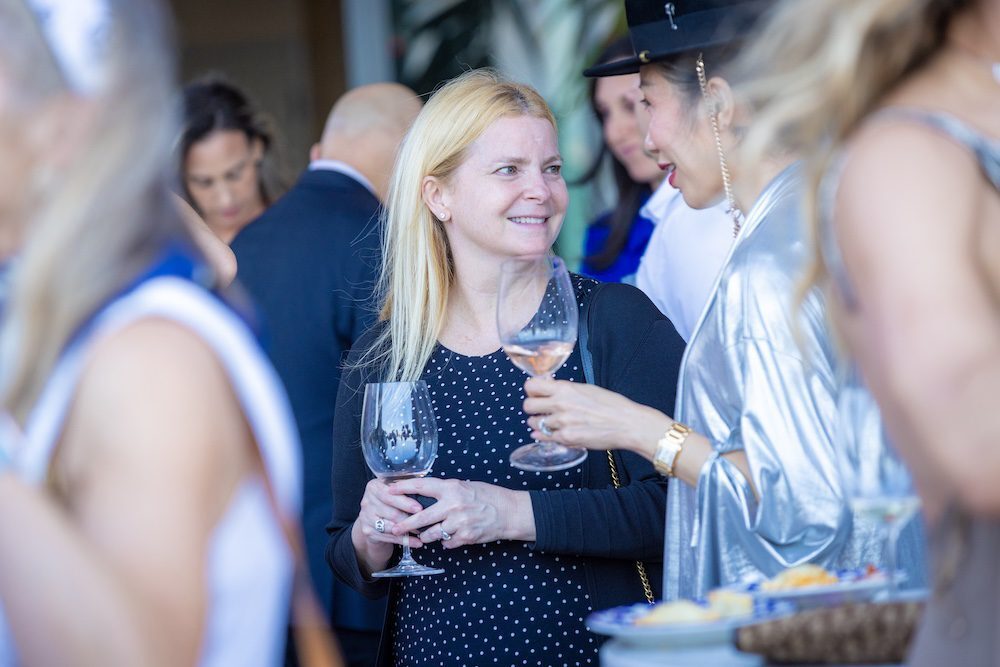
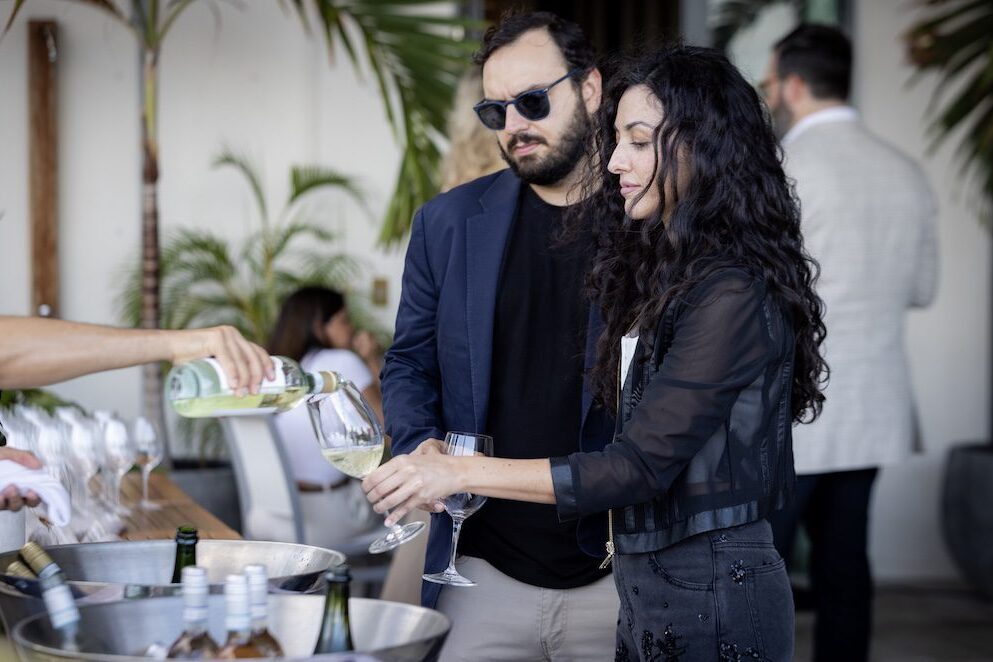
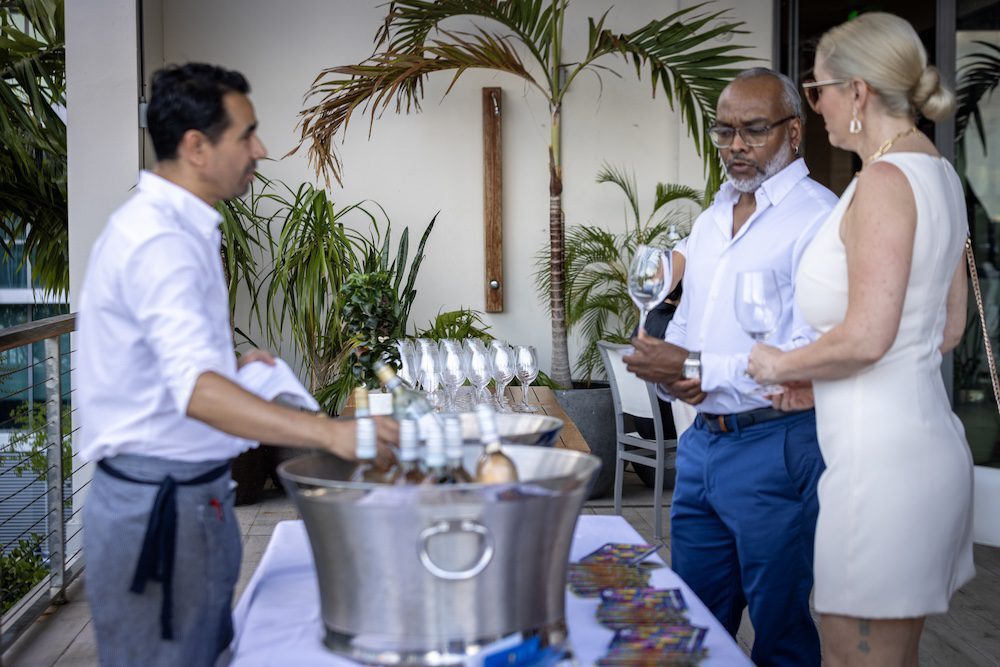
The opening of Miami Restaurant Wine Week was intentionally informal in structure. Set against a waterfront backdrop, the event unfolded as an aperitivo rather than a traditional tasting—an approach that reflects a broader shift in how luxury is experienced.
Guests included a mix of wine collectors, hospitality professionals, restaurateurs, and members of the international trade, alongside members of the media and representatives of the Italian delegation. Among them was Stefano Cerrato, Director of the Istituto Italiano di Cultura Miami (IIC Miami), along with additional representatives from the Istituto and the Consulate General of Italy in Miami. This convergence created an environment where conversation, rather than presentation, became the primary vehicle for engagement.
In this setting, Italian wine was not introduced through structured instruction, but through interaction. The result was a more fluid and accessible exchange, where knowledge could be absorbed organically.
Education as Access
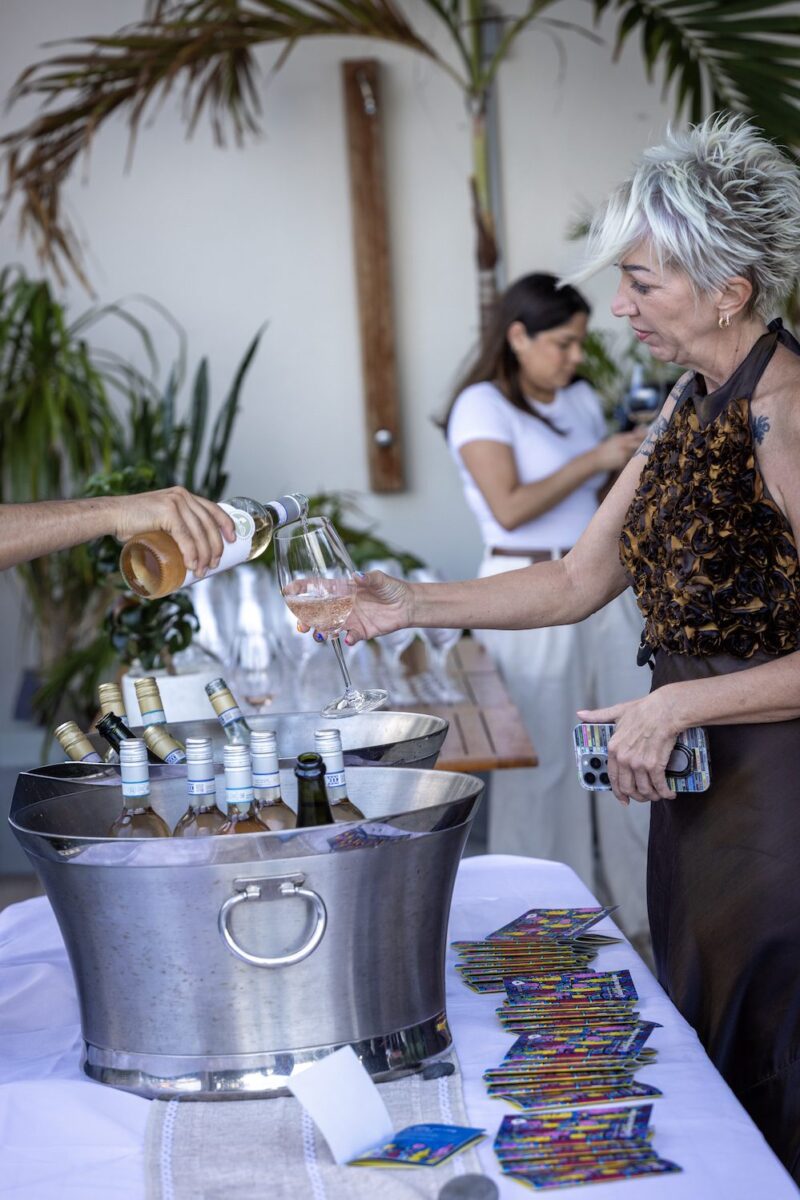
Central to the experience was Federdoc’s 2026 Italian Designation of Origin Wines’ Booklet, a resource designed to demystify the structure of Italian wine for both industry professionals and consumers.
Rather than overwhelming the audience with technical detail, the booklet offers a clear framework for understanding regions, classifications, and labeling systems. It reflects a key principle: that education is not separate from the experience, but integral to it.
For a global audience, this approach aligns with a broader trend. Access to information—when delivered thoughtfully—has become a defining element of luxury. Knowing how to interpret what is in the glass is, increasingly, part of the experience itself.
Pinot Grigio DOC Delle Venezie: Scale and Structure
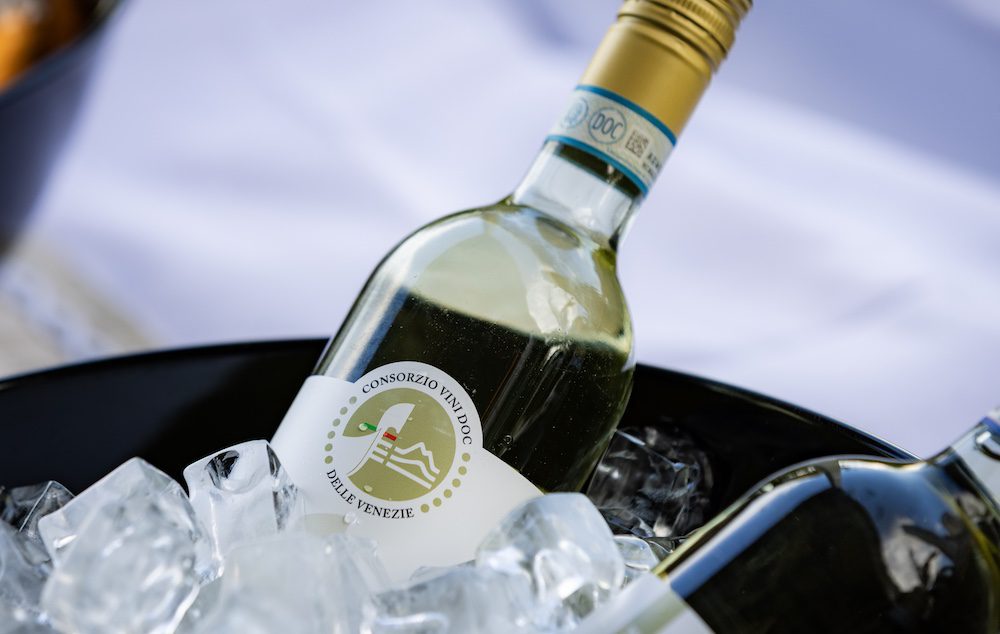
Among the wines presented, Pinot Grigio DOC Delle Venezie offered a case study in how Italian wine operates across both scale and identity. Provided by the DOC Delle Venezie Consortium, the denomination is one of Italy’s most widely recognized, yet it remains anchored within the same regulatory framework that defines smaller, more niche productions.
This duality is significant. It demonstrates that consistency, traceability, and origin are not reserved for rare or limited wines. They are embedded across the system.
For international consumers and collectors alike, this reinforces a key idea: that the strength of Italian wine lies not only in its diversity, but in the coherence of the structures that support it.
Miami as a Cultural Intersection
Miami’s role in this narrative is not incidental. The city’s evolution into a hub for design, gastronomy, and international exchange has created a natural alignment with Italy’s own cultural exports.
Restaurants across the city increasingly reflect a global standard, where authenticity is valued alongside creativity. Within this landscape, Italian wine finds a receptive audience—one that appreciates both its accessibility and its depth.
Participating restaurants in Miami Restaurant Wine Week include:
- Amara at Paraiso
- Battubelin – Upper East Side
- Borti Pasta
- Coral House
- Dōma Wynwood
- Lira Beirut
- Pasta e Basta
- Portosole
- Terre del Sapore
- Tullio
Together, they represent a cross-section of the city’s dining scene, offering opportunities to engage with Italian wine within varied culinary contexts.


A Broader Perspective on Value
As global travel continues to evolve, so too does the way luxury is defined. Experiences are no longer measured solely by exclusivity, but by authenticity and depth.
In this context, Italian wine offers a unique proposition. It invites not only consumption, but participation—an understanding of where something comes from, how it is made, and why it matters.
For those navigating international destinations such as Miami, this perspective becomes a valuable guide. It shifts the focus from selection to interpretation, from access to understanding.
The Future of Italian Wine Abroad
Federdoc’s presence in Miami reflects a broader strategy: positioning Italian wine within the global experience economy. Whether through activations at international events, collaborations with the hospitality sector, or educational initiatives, the objective remains consistent—to ensure that Italian wine is understood as much as it is enjoyed.
In cities where cultures converge and expectations are high, this approach resonates. It aligns with a clientele that seeks more than surface-level engagement, and with an industry that increasingly values narrative alongside product.
The question is no longer whether Italian wine has a place in global markets. It is how that presence is shaped—and how deeply it is understood.