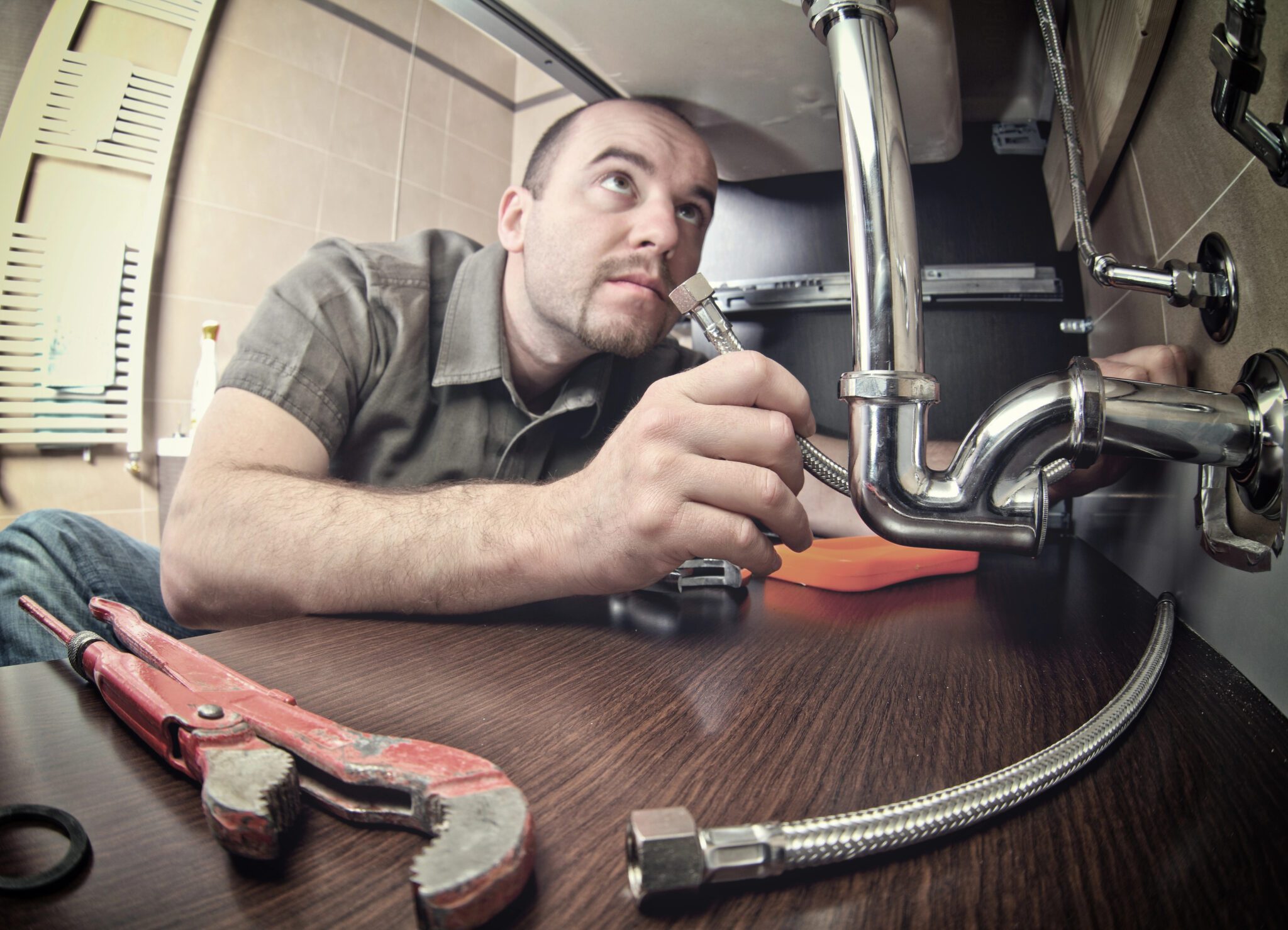
Most people don’t think much about their plumbing until something goes wrong. A dripping tap is easy to ignore. A slow drain gets pushed down the list. But hidden behind walls, under floors, and inside utility cupboards, small issues can quietly turn into expensive repairs. That’s where a professional plumbing inspection becomes valuable.
A proper inspection is not just a quick look under the sink. It’s a systematic review of the systems that bring clean water in, move waste out, and keep appliances, fixtures, and pipework working safely. Whether you own a home, manage a rental property, or are preparing to buy or sell, understanding what happens during the process helps you know what to expect and what problems might be caught early.
Why a plumbing inspection matters
Plumbing systems age gradually, and many faults develop out of sight. Corrosion inside pipes, minor pressure imbalances, small leaks around joints, or sediment build-up in a water heater often don’t announce themselves right away. By the time you notice damp patches, bad odours, or reduced water pressure, the issue may already be well established.
A professional inspection helps identify risks before they escalate. It can also highlight inefficiencies that are costing money month after month, such as silent toilet leaks, ageing valves, or fixtures wasting more water than necessary. In older homes especially, inspections can reveal outdated materials or code issues that deserve attention long before they become emergencies.
The first stage: visual assessment and discussion
A plumber usually begins with a conversation. They may ask whether you’ve noticed changes in pressure, unusual sounds, recurring blockages, slow drainage, or signs of moisture. That initial discussion matters because it gives context. A home with occasional banging pipes during winter points to something different than one with persistent low pressure in only one bathroom.
From there, the visual inspection starts. The plumber checks visible pipework, fixtures, taps, shut-off valves, exposed drains, and appliance connections. They’re looking for obvious wear, corrosion, staining, mineral deposits, cracked seals, rust, and anything that suggests a leak has been active for some time.
This stage also includes checking around sinks, toilets, showers, baths, and utility areas for hidden signs of trouble. Water doesn’t always collect where the problem starts. A soft patch in cabinetry, mould around sealant, or discolouration near skirting boards can point to a slow leak that has gone unnoticed.
If you want a sense of what is typically included in routine checks for plumbing system, it often covers much more than fixtures alone. A thorough inspection takes in water supply lines, drainage performance, pressure regulation, waste pipes, and the condition of key components that many property owners rarely look at until they fail.
Testing the system, not just looking at it
A good plumber does more than inspect by eye. Plumbing is a working system, so performance testing is a major part of the visit.
Water pressure and flow
One of the first technical checks is water pressure. Too low, and showers underperform while taps feel weak. Too high, and pipe joints, valves, and appliances may wear out faster. The plumber may use a gauge to test pressure at different outlets and assess whether the system is operating within a safe range.
Flow is different from pressure, and both matter. If pressure is acceptable but water still runs poorly at certain fixtures, the cause could be localised blockage, internal pipe scaling, or a failing valve.
Drains and waste lines
Drainage is another key focus. The plumber will typically run water through sinks, baths, and showers to see how quickly it clears and whether there are signs of partial blockage. They may listen for gurgling sounds, which can indicate venting issues or obstruction further down the line.
Toilets are often checked for flushing performance, seal condition, and signs of hidden leaks around the base or cistern. A toilet that runs intermittently might seem minor, but it can waste a surprising amount of water over time.
Leak detection
Not every inspection includes advanced equipment, but where needed, plumbers may use moisture meters, pressure tests, or thermal tools to investigate concealed leaks. This is particularly useful when there has been unexplained water damage or a sudden increase in water bills.
Checking major components and safety risks
Beyond taps and drains, a professional plumbing inspection often covers the larger equipment connected to the system.
Water heater condition
Water heaters are a common source of inefficiency and failure. The plumber may assess the unit’s age, look for corrosion, inspect valves, check for sediment-related warning signs, and make sure there are no leaks around fittings or tanks. If the heater is making unusual noises or delivering inconsistent hot water, those symptoms usually get investigated at this point.
Shut-off valves and exposed pipework
Isolation valves are easy to forget until an emergency happens. During an inspection, plumbers often verify that main and local shut-off valves are accessible and functional. A seized valve becomes a serious problem when a pipe bursts.
Exposed pipework in lofts, basements, garages, and cupboards is also assessed for insulation, support, and deterioration. In colder regions, poor insulation can dramatically raise the risk of frozen and burst pipes.
What problems are commonly found?
The most frequent issues uncovered during inspections are rarely dramatic. That’s precisely why inspections are useful. Common findings include slow leaks, corroded fittings, blocked waste lines, faulty fill valves in toilets, worn washers, ageing flexible connectors, and pressure irregularities.
In some properties, the inspection also reveals more strategic concerns: pipe materials nearing the end of their life, poor previous repair work, or plumbing layouts that don’t meet modern standards. These aren’t always urgent, but they matter for planning. Knowing what needs attention this year versus what can wait prevents reactive, costly decision-making later.
What happens after the inspection?
At the end of the visit, you should expect a clear summary of findings. A competent plumber will usually separate issues into categories: immediate repairs, recommended maintenance, and items to monitor. That distinction is useful because not every problem requires urgent action.
If repairs are needed, ask practical questions. Is the issue already causing damage, or is it preventive? Will it affect water usage, safety, or reliability? Are there signs it connects to a larger system problem? Those answers help you prioritise intelligently.
Making the most of an inspection
The best time to schedule an inspection is often before there’s an obvious problem. Annual or periodic checks are particularly helpful in older homes, rental properties, and buildings that have had recurring drainage or leak issues.
Plumbing tends to reward attention. Catch a worn seal early, and it’s a small repair. Miss a hidden leak for six months, and suddenly you’re dealing with damaged cabinets, mould remediation, and warped flooring. A professional inspection doesn’t just identify faults; it gives you a clearer picture of how your home is functioning behind the scenes. And that kind of visibility is what turns maintenance from guesswork into smart planning.