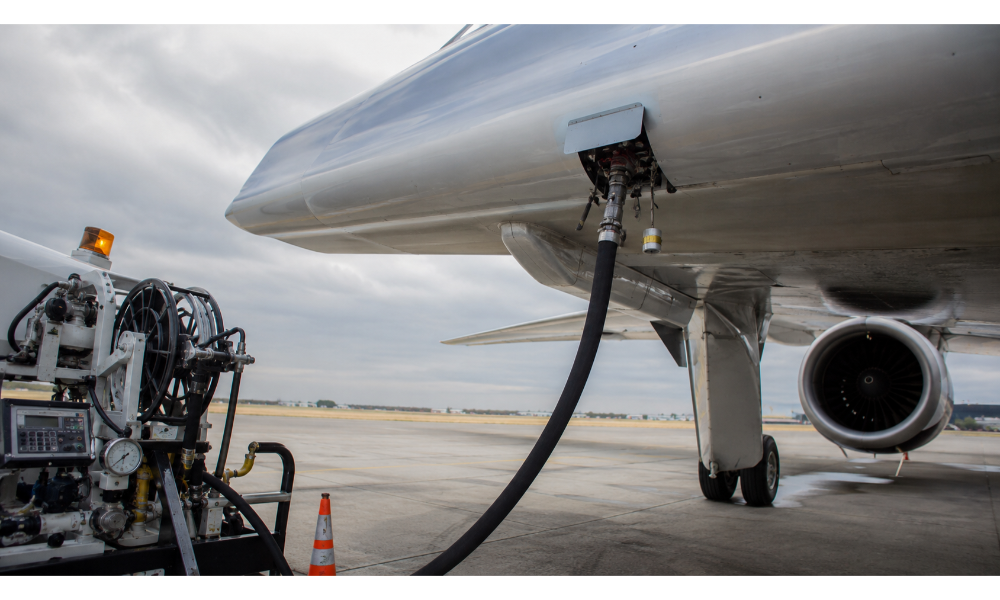
The growing debate around a possible European Jet Fuel Crisis has quickly become one of the aviation industry’s biggest concerns heading into summer 2026. Rising tensions linked to Iran, fears surrounding the Strait of Hormuz, and persistent volatility across global energy markets have pushed jet fuel prices sharply higher across Europe. However, major airlines continue to publicly dismiss fears of widespread operational disruption during the peak summer travel season.
Executives across the European aviation sector argue that current fuel inventories remain stable, while alternative supply routes from the United States and parts of Africa are helping reduce immediate pressure on airport fuel reserves. Nevertheless, airlines acknowledge that elevated fuel prices are likely to remain a major challenge throughout the year. Consequently, the focus has shifted from fears of an immediate shortage toward broader concerns surrounding long-term supply resilience and aviation profitability.
The timing is particularly important because summer remains the most profitable travel season for European airlines. Strong booking trends for Mediterranean leisure destinations, premium long-haul travel, and luxury tourism continue to support airline revenues despite geopolitical uncertainty. Moreover, affluent travelers appear willing to absorb higher airfare costs, allowing airlines to preserve margins even as operational expenses rise.
At the same time, Europe remains heavily dependent on imported aviation fuel. That dependence leaves airlines exposed to disruptions in global shipping lanes and energy infrastructure. Therefore, the current European Jet Fuel Crisis reflects more than temporary market volatility. It also highlights how modern aviation increasingly depends on geopolitical stability, energy logistics, and resilient global supply chains.
Why the European Jet Fuel Crisis Became a Major Aviation Concern?
The European Jet Fuel Crisis emerged primarily because of rising instability surrounding the Middle East energy market. Concerns intensified after renewed regional tensions raised fears that shipping traffic through the Strait of Hormuz could face disruptions. Since a significant portion of global fuel exports move through that corridor, even limited interruptions can quickly affect aviation fuel pricing worldwide.
Europe remains especially vulnerable because the region imports a large share of its jet fuel requirements. Although European refineries continue operating normally, airlines still rely heavily on overseas supply chains to meet peak summer demand. As a result, energy traders and aviation analysts began warning about possible airport-specific shortages if geopolitical conditions deteriorated further.
Meanwhile, global energy markets reacted aggressively to uncertainty. Jet fuel prices across Europe climbed despite stable airline operations. Airlines therefore faced a dual challenge: managing rising fuel costs while maintaining consumer confidence ahead of the busiest travel season of the year.
Several additional concerns also amplified market anxiety:
- Increased shipping insurance costs in Middle Eastern routes
- Delays in fuel tanker deliveries to European ports
- Strong seasonal aviation demand across Southern Europe
- Limited spare refining capacity in some regions
- Airline exposure to sudden fuel price spikes
However, most carriers insist the situation remains manageable. Instead of framing the issue as an immediate supply emergency, airlines describe it as a period of elevated market risk requiring tighter operational planning.
How European Airlines Are Managing Fuel Supply Risks?
European airlines have responded to the European Jet Fuel Crisis with a combination of supply diversification, fuel hedging, and strategic reserve management. Rather than waiting for disruptions to escalate, carriers moved early to strengthen supply agreements and secure additional fuel inventories.
For example, airlines have increasingly sourced aviation fuel from suppliers in the United States and Africa. These alternative routes help reduce dependence on Middle Eastern supply flows. Moreover, several airports across Europe reportedly increased local fuel storage capacity ahead of the summer travel season.
Major carriers including Lufthansa, Ryanair, Wizz Air, and TUI have also emphasized that operational schedules remain intact. Airline executives continue projecting confidence despite elevated fuel prices and geopolitical risks.
Additionally, airlines are relying heavily on long-term supplier agreements and fuel hedging strategies. These financial tools allow carriers to lock in portions of future fuel purchases at predetermined prices, reducing exposure to sudden market swings. Consequently, airlines can maintain more predictable operating costs even during periods of volatility.
Key airline responses include:
- Expanding fuel sourcing beyond the Middle East
- Increasing airport fuel reserves
- Strengthening long-term supply contracts
- Hedging against future price spikes
- Adjusting operational planning for peak travel demand
Key Drivers Behind the European Jet Fuel Crisis
| Factor | Aviation Impact | Supply Risk | Airline Response | Market Effect |
|---|---|---|---|---|
| Iran-related tensions | Fuel market volatility | Higher shipping uncertainty | Fuel hedging strategies | Rising jet fuel prices |
| Strait of Hormuz risks | Potential delivery delays | Supply bottlenecks | Alternative sourcing | Energy market instability |
| Strong summer demand | Increased fuel consumption | Inventory pressure | Expanded reserves | Higher airfare risks |
| Imported fuel dependence | Exposure to global markets | Limited flexibility | Long-term contracts | Elevated operating costs |
| Refining constraints | Reduced spare capacity | Regional shortages | Supply diversification | Margin pressure |
Why Luxury and Premium Travel Demand Remains Strong?
Despite concerns surrounding the European Jet Fuel Crisis, luxury and premium travel demand remains remarkably resilient. Airlines continue reporting strong bookings for Mediterranean resorts, premium cabins, and long-haul leisure travel throughout summer 2026.
Affluent travelers appear less sensitive to rising ticket prices than mass-market consumers. Therefore, airlines remain confident that higher operational costs can partly be offset through premium pricing strategies. Moreover, luxury tourism continues benefiting from strong post-pandemic travel habits where experience-driven spending remains a priority for wealthier consumers.
Premium cabins across European carriers have seen particularly strong demand for routes connecting Europe with North America, the Gulf region, and Southeast Asia. Meanwhile, luxury leisure destinations in Greece, Italy, Spain, and the French Riviera continue attracting high-spending international travelers.
Several factors support continued premium travel demand:
- Wealthier travelers prioritize experiences over price increases
- Luxury tourism remains a high-growth travel segment
- Airlines continue expanding premium cabin offerings
- Mediterranean summer destinations remain highly competitive
- Long-haul leisure travel demand remains stable
Consequently, airlines are choosing expansion over retrenchment. Even amid fuel uncertainty, carriers continue increasing summer flight frequencies because strong demand still supports profitability.
Impact of Rising Jet Fuel Prices on Airline Economics
Although airlines dismiss immediate shortage fears, rising fuel prices continue placing enormous pressure on airline economics. Fuel remains one of the industry’s largest operating expenses. Therefore, even moderate price increases can significantly affect profitability across the aviation sector.
The current European Jet Fuel Crisis has already increased operating costs for both low-cost and full-service carriers. Airlines must now balance rising fuel expenses against competitive pricing pressures during the busy summer travel season.
Meanwhile, long-haul routes face particularly intense economic pressure because fuel consumption is substantially higher on intercontinental flights. Consequently, airlines may gradually increase ticket prices, especially for premium international travel markets.
However, most airlines are attempting to avoid major cancellations or aggressive schedule reductions. Instead, carriers are relying on dynamic pricing models, route optimization, and operational efficiencies to protect margins.
Key economic effects include:
- Higher operating costs across airline networks
- Potential airfare increases for consumers
- Reduced profit margins on long-haul flights
- Greater emphasis on premium revenue streams
- Increased reliance on financial hedging strategies
Jet Fuel Supply Risks vs Airline Mitigation Strategies
| Risk Factor | Operational Threat | Airline Response | Financial Impact | Long-Term Outlook |
|---|---|---|---|---|
| Fuel price spikes | Margin compression | Fuel hedging | Higher operating costs | Continued volatility |
| Shipping disruptions | Delayed fuel deliveries | Alternative suppliers | Increased logistics costs | Moderate risk |
| Airport fuel shortages | Flight disruptions | Expanded reserves | Operational protection | Manageable currently |
| Consumer uncertainty | Booking weakness | Confidence messaging | Revenue stabilization | Demand remains resilient |
| Geopolitical instability | Long-term market stress | Supply diversification | Capital allocation pressure | Ongoing concern |
Why the Strait of Hormuz Remains Critical for Global Aviation?
The Strait of Hormuz remains one of the world’s most strategically important energy corridors. A substantial share of global oil and refined fuel exports passes through the narrow waterway every day. Consequently, any disruption there immediately affects global aviation fuel markets.
For Europe, the risks are particularly significant because the continent imports large quantities of aviation fuel and crude oil. Therefore, instability involving Iran or broader regional tensions can quickly translate into higher jet fuel prices across European airports.
Moreover, shipping disruptions create secondary effects throughout global supply chains. Insurance costs rise, tanker routes become less predictable, and delivery schedules face delays. As a result, aviation fuel markets become increasingly volatile even before any physical shortage occurs.
The aviation industry remains especially vulnerable because airlines cannot easily substitute fuel sources during peak travel periods. Unlike some industries, airlines operate within strict logistical and safety requirements. Consequently, maintaining stable aviation fuel supplies becomes essential for uninterrupted global travel operations.
How Airlines Are Protecting Summer Travel Season Revenues?
European airlines understand that public confidence remains essential during peak summer travel months. Therefore, airline executives have deliberately avoided alarmist messaging surrounding the European Jet Fuel Crisis.
Instead, carriers emphasize operational stability, sufficient reserves, and proactive fuel management strategies. This communication approach helps reduce consumer anxiety while preserving booking momentum for the highly profitable summer season.
Meanwhile, airlines continue refining dynamic pricing systems that allow fares to adjust according to fuel costs and travel demand. Premium routes with strong demand can absorb higher ticket prices more easily, particularly among affluent travelers.
Airlines are also focusing on:
- Preserving strong consumer booking confidence
- Maximizing profitability during peak travel months
- Protecting premium cabin revenues
- Avoiding unnecessary operational disruptions
- Maintaining stable summer flight schedules
Consequently, the industry’s strategy centers on stability rather than crisis management. Airlines recognize that preserving traveler confidence is just as important as managing fuel costs themselves.
Risks That Could Still Disrupt European Aviation
Although airlines remain publicly confident, several risks could still disrupt the European aviation market later in 2026. Prolonged geopolitical instability in the Middle East remains the most significant concern because further escalation could sharply increase energy prices or disrupt fuel shipping routes.
Additionally, airport-specific bottlenecks remain possible if supply logistics weaken during peak travel periods. Some regional airports possess limited storage flexibility, making them more vulnerable to delivery delays.
Consumer sentiment also remains an important variable. While affluent travelers continue spending aggressively, broader economic uncertainty could eventually affect discretionary leisure travel demand if airfare prices rise too sharply.
Other ongoing risks include:
- Additional fuel price surges
- Supply chain congestion at major airports
- Environmental and regulatory cost pressures
- Currency fluctuations affecting airline expenses
- Slower consumer demand growth
Nevertheless, the current industry outlook still points toward operational resilience rather than widespread disruption.
Why the European Jet Fuel Crisis Reflects a Larger Energy Vulnerability?
The European Jet Fuel Crisis ultimately reflects a broader structural challenge facing the global aviation industry. Europe remains deeply dependent on imported energy, while international aviation relies on highly interconnected supply chains vulnerable to geopolitical disruption.
Moreover, aviation remains uniquely sensitive to energy price volatility because fuel costs directly affect profitability, pricing strategies, and route economics. Consequently, geopolitical conflicts increasingly shape airline operations and tourism economics across the world.
The crisis also highlights the growing importance of sustainable aviation fuel and long-term energy diversification strategies. Airlines understand that future competitiveness may depend not only on ticket demand but also on secure access to reliable energy supplies.
At the same time, luxury travel trends reveal another important reality. Affluent travelers continue prioritizing mobility and premium experiences despite higher travel costs. Therefore, airlines increasingly focus on protecting premium demand segments during periods of economic and geopolitical uncertainty.
Ultimately, the European Jet Fuel Crisis demonstrates how modern luxury travel and global aviation now depend as much on geopolitical stability and energy logistics as on consumer demand itself. Airlines are evolving into businesses that must simultaneously manage fuel security, operational resilience, profitability, and uninterrupted global mobility.
FAQs
Why are airlines dismissing jet fuel shortage fears?
Airlines believe current fuel reserves, alternative supply routes, and hedging strategies are sufficient to maintain stable summer operations despite elevated fuel prices.
What caused the European jet fuel crisis?
The crisis emerged from geopolitical tensions linked to Iran, fears surrounding the Strait of Hormuz, and volatility in global energy markets.
How does the Iran conflict affect aviation fuel supplies?
Iran-related tensions increase shipping risks in key energy corridors, which can raise fuel prices and disrupt global supply chains.
Could airfare prices rise in summer 2026?
Yes. Airlines may gradually increase fares to offset higher fuel costs, especially on premium and long-haul routes.
Why is the Strait of Hormuz important for airlines?
A large share of global oil and fuel exports passes through the Strait of Hormuz, making it critical for aviation fuel markets worldwide.
Are luxury travelers still booking summer flights?
Yes. Premium and affluent travelers continue booking summer travel despite higher ticket prices and geopolitical uncertainty.
How are airlines securing alternative fuel supplies?
European airlines are sourcing additional fuel from the United States and Africa while increasing local fuel reserves.
Which airlines are most exposed to fuel price increases?
Low-cost carriers and airlines operating extensive long-haul networks face significant exposure to rising fuel costs.
Could Europe face flight cancellations later in 2026?
Large-scale cancellations currently appear unlikely. However, prolonged geopolitical instability could increase operational risks later in the year.
How does fuel volatility affect airline profitability?
Fuel volatility raises operating expenses, pressures profit margins, and forces airlines to rely on pricing strategies and hedging mechanisms.