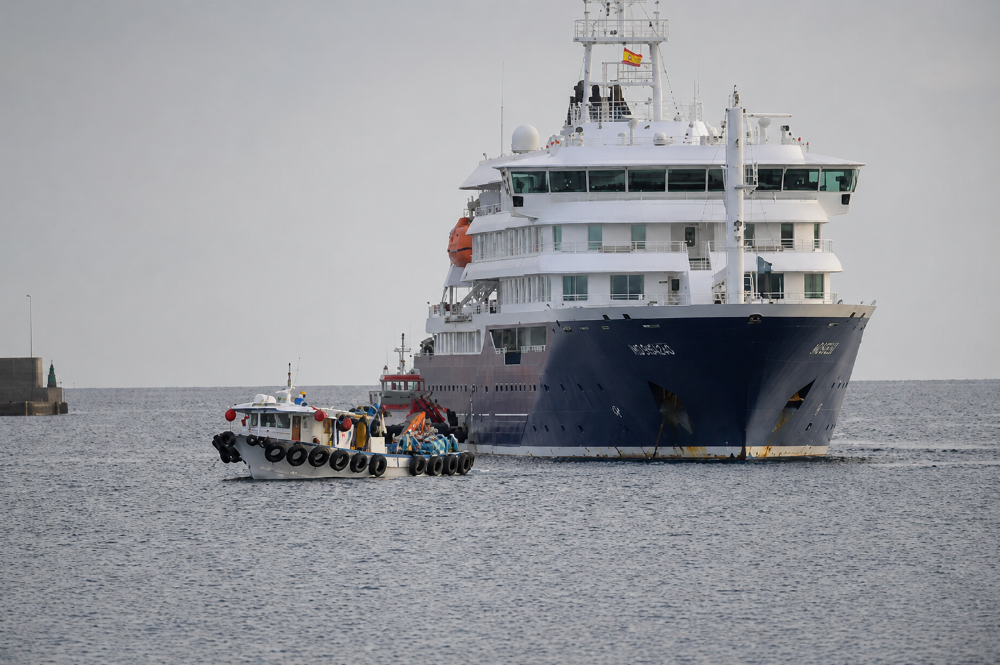
A Deadly Virus Outbreak on Cruise Ship has triggered urgent international attention after health authorities confirmed a fast-moving infectious disease incident aboard an international cruise liner traveling between North American and Caribbean ports. The vessel, widely identified in media reports as the MS Ocean Voyager, had departed from Miami and was scheduled to stop in several regional ports before the outbreak forced emergency containment measures at sea.
The incident has quickly become more than a local maritime emergency. Cruise ship virus outbreak events raise unique concerns because passengers often come from dozens of countries, creating a direct pathway for infectious diseases to cross borders within hours. Moreover, cruise ships combine tourism, international transport, and shared living conditions, making them especially vulnerable during disease emergencies.
Health officials are monitoring the situation closely because the symptoms reported on board include fever, respiratory distress, fatigue, and severe complications in elderly passengers. Meanwhile, comparisons to the coronavirus pandemic have resurfaced, as experts warn that confined ships can accelerate transmission patterns similar to early COVID-19 outbreaks.
Therefore, the outbreak has reignited global debate about cruise safety, quarantine protocols, and whether international maritime regulations remain strong enough to prevent future health crises.
Why the Deadly Virus Outbreak on Cruise Ship Is Raising Global Alarm?
The Deadly Virus Outbreak on Cruise Ship is causing concern because modern cruise liners operate like floating cities. Thousands of passengers share dining spaces, entertainment areas, elevators, and cabins, which can rapidly increase exposure during any infectious event. Consequently, one infected traveler may unknowingly expose hundreds of others before symptoms appear.
Moreover, international passenger movement makes containment much harder. A single ship may carry travelers from Europe, Asia, the Middle East, and the Americas. As a result, a local outbreak at sea can become a global health concern cruise ship issue within days.
Several factors are driving alarm:
- Cross-border passenger movement
- Limited onboard isolation facilities
- High-risk elderly travelers
- Delayed port access during emergencies
- Potential spread to crew and port workers
The coronavirus pandemic showed how quickly ships can become outbreak clusters. However, this 2026 incident is renewing concern because global cruise travel has fully rebounded, increasing the scale of potential exposure.
How Cruise Ships Become High-Risk Zones During Virus Outbreaks?
Cruise liners create ideal conditions for disease transmission. Shared dining halls, pools, casinos, and theaters encourage constant close contact. For example, a virus transmitted through respiratory droplets or contaminated surfaces can spread rapidly among passengers in enclosed areas.
Additionally, ship ventilation systems may contribute to broader exposure if not properly isolated. While cruise operators have upgraded air filtration since COVID-19, experts say many vessels still face challenges when managing airborne illnesses.
Key onboard risks include:
- Shared buffets and dining areas
- Crowded indoor entertainment venues
- Limited medical wards
- High-touch surfaces
- Long voyage durations
In contrast to land-based hotels, cruise ships cannot easily separate thousands of travelers once an outbreak begins. Therefore, the deadly virus at sea situation often escalates faster than comparable outbreaks on land.
Key Factors Behind Cruise Ship Virus Transmission
| Factor | Health Risk | Impact on Passengers | Containment Difficulty | Global Concern Level |
|---|---|---|---|---|
| Shared Cabins | High | Direct close exposure | High | Severe |
| Dining Areas | High | Mass contact | Medium | High |
| Ventilation Systems | Moderate | Airborne spread | High | High |
| Shore Excursions | Moderate | Cross-border spread | Medium | High |
| Medical Capacity Limits | High | Delayed treatment | Very High | Severe |
International Health Agencies Responding to the Cruise Ship Outbreak
Global health authorities moved quickly after reports emerged. The ship was instructed to remain offshore while emergency medical teams coordinated testing. Meanwhile, port officials in multiple countries suspended docking permissions until passenger screening could be completed.
The World Health Organization and regional disease control agencies are reportedly assisting local authorities. Moreover, international epidemiologists are reviewing the virus strain to determine whether it resembles a known respiratory illness, a new influenza variant, or a hantavirus-related infection, as early reports suggested.
Response measures include:
- Passenger temperature screening
- Laboratory testing
- Contact tracing
- Port-entry restrictions
- International reporting coordination
These international outbreak response systems are essential because delayed action can allow infected travelers to disembark and spread illness globally.
Why Cruise Tourism Faces Major Pressure After the Outbreak?
The cruise sector has spent years recovering from COVID-era shutdowns. However, the latest infectious disease cruise liner emergency is once again affecting public confidence.
Many travelers are reconsidering bookings, especially for long voyages involving multiple ports. Consequently, several cruise operators have already announced flexible cancellation policies and enhanced onboard screening.
Current pressures include:
- Booking cancellations
- Insurance claim disputes
- Port rerouting costs
- Reputational damage
- Increased health compliance costs
On the other hand, industry leaders argue that new sanitation systems and onboard clinics reduce risk compared with pre-pandemic years. Nevertheless, public perception often changes faster than policy improvements.
Major Cruise Ship Virus Outbreaks and Global Response
| Year | Virus Type | Location | Passenger Impact | Containment Measures |
|---|---|---|---|---|
| 2020 | COVID-19 | Japan | Thousands quarantined | Full isolation |
| 2022 | Norovirus | Mediterranean | Hundreds ill | Port sanitation |
| 2024 | Influenza A | Alaska | Multiple hospitalizations | Medical evacuation |
| 2026 | Unknown respiratory virus | Caribbean route | Ongoing investigation | Ship quarantine |
Passenger Quarantine and Emergency Containment Measures Explained
During a cruise quarantine 2026 scenario, authorities typically confine passengers to cabins immediately after confirmed infection clusters. Meals are delivered directly, and all recreational facilities close.
Additionally, onboard medical teams conduct repeated testing. Suspected cases are isolated in designated medical cabins, while severe cases may require helicopter evacuation or transfer to specialized hospital ships.
Containment protocols often include:
- Cabin lockdown
- PCR or rapid diagnostic testing
- Daily symptom monitoring
- Deep sanitation procedures
- Restricted crew movement
As a result, managing outbreaks at sea requires balancing medical care with passenger safety and operational logistics.
How Governments Are Reacting to the Cruise Ship Virus Crisis?
Governments across affected travel routes are increasing border health checks. Several ports have imposed temporary restrictions on cruise arrivals, especially from ships reporting unexplained illness clusters.
Moreover, diplomatic coordination is necessary because passengers may hold dozens of nationalities. For example, embassies often assist with medical repatriation and emergency communication for citizens stranded at sea.
Government actions include:
- Travel advisories
- Port-entry bans
- Emergency ship inspections
- Passenger repatriation plans
- Health declaration requirements
Therefore, the outbreak is not just a maritime issue; it has become a test of international health governance.
Risks That Could Worsen the Cruise Ship Virus Outbreak
The biggest concern remains delayed containment. If infected passengers disembark before diagnosis, the outbreak could spread through airports, hotels, and public transit systems.
Moreover, asymptomatic transmission increases uncertainty. The coronavirus pandemic demonstrated how silent spreaders can accelerate international outbreaks before symptoms become visible.
Major risks include:
- Delayed reporting
- Incomplete testing
- Limited onboard ICU resources
- Passenger misinformation
- Panic-driven social media rumors
Consequently, accurate communication remains just as important as medical intervention.
Why Maritime Health Security Is Becoming a Global Priority?
The Deadly Virus Outbreak on Cruise Ship reflects a larger challenge: global travel networks now connect public health systems more tightly than ever. Modern cruise ships function like floating international hubs where thousands of people interact continuously.
Additionally, cruise tourism is expanding across Asia, the Gulf, Europe, and the Americas. Therefore, maritime disease monitoring is becoming central to international health planning.
Future priorities may include:
- Mandatory onboard isolation wards
- Real-time disease reporting systems
- Stricter sanitation audits
- Expanded medical staffing
- International outbreak drills
In contrast to previous decades, cruise health security is no longer a niche concern. It is now part of broader global pandemic preparedness.
Historical Comparison to Coronavirus Cruise Outbreaks
The COVID-19 pandemic remains the strongest comparison. In early 2020, cruise ships became symbols of how quickly viruses spread in confined settings. The Diamond Princess incident showed that quarantine alone can still allow significant onboard transmission.
Similarly, the 2026 outbreak is reviving discussions around whether current cruise safety upgrades are sufficient. However, ships now have stronger testing protocols, faster laboratory coordination, and more experienced emergency teams.
Coronavirus lessons that remain relevant:
- Early testing matters
- Isolation must begin immediately
- Ventilation systems require constant review
- Passenger transparency is essential
- International cooperation reduces delays
As a result, the current incident may shape the next generation of cruise health regulations.
Conclusion
The Deadly Virus Outbreak on Cruise Ship has become a significant international story because it highlights how interconnected travel systems can rapidly amplify health emergencies. Cruise ships combine tourism, transport, and multinational populations in a single enclosed environment. Consequently, outbreaks can spread faster than many land-based incidents.
Moreover, the event is exposing growing weaknesses in maritime health emergency planning. Governments, cruise operators, and global health agencies now face renewed pressure to improve disease surveillance, onboard medical preparedness, and coordinated port response.
While officials continue investigating the exact virus involved, one fact is already clear: future cruise operations may require stricter international health protocols, more advanced onboard clinics, and stronger emergency evacuation standards. Therefore, this outbreak may influence not only public health policy but also the future of global tourism itself.
FAQs
Why are cruise ship virus outbreaks dangerous?
Cruise ships concentrate thousands of people in enclosed spaces, allowing viruses to spread rapidly.
How do viruses spread quickly on cruise ships?
Shared cabins, dining areas, elevators, and recreational zones increase contact.
What happens during a cruise ship quarantine?
Passengers are often confined to cabins while testing and medical monitoring continue.
How do health authorities respond to cruise outbreaks?
Authorities coordinate testing, contact tracing, port restrictions, and emergency care.
Can passengers leave during a virus outbreak at sea?
Usually not until health authorities approve controlled disembarkation.
Why are cruise ships considered high-risk environments?
They combine dense populations, shared facilities, and international travel.
How do governments handle infected cruise ships?
They may issue travel advisories, deny port entry, or enforce health inspections.
What impact do outbreaks have on tourism?
They reduce traveler confidence and may cause major booking cancellations.
Are cruise companies improving health safety measures?
Yes, many have upgraded sanitation systems and onboard medical resources.
Could future cruise travel rules become stricter?
Yes, stricter international health protocols are likely after this outbreak.