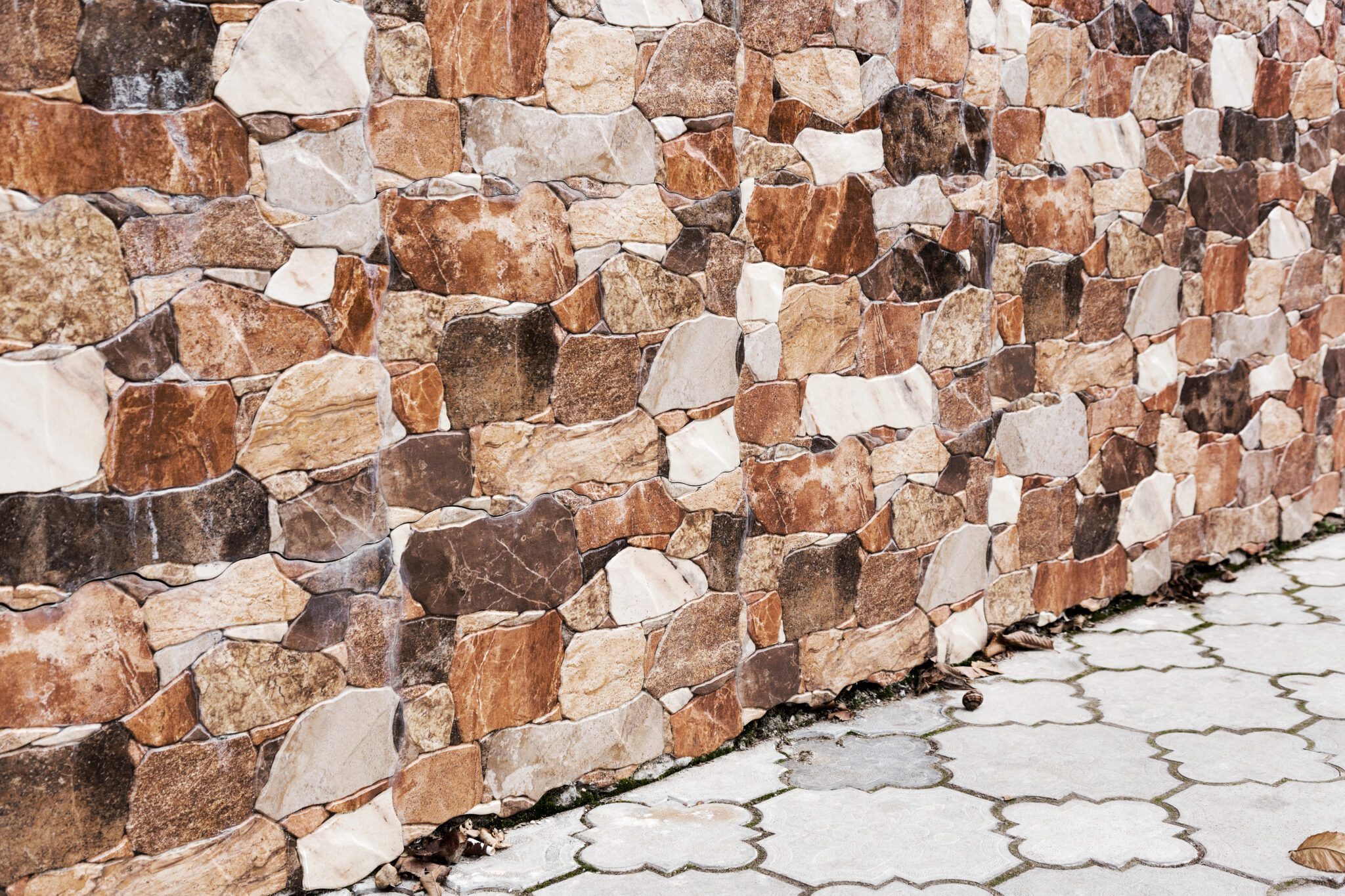
In 2026, Melbourne’s residential design scene is undergoing a clear transformation. Homeowners, architects, and builders are moving away from conventional concrete and embracing natural stone for both indoor and outdoor spaces. This shift reflects a growing appreciation for materials that offer timeless beauty, durability, and a stronger connection to nature.
As demand rises, stonemasons Melbourne Victoria are playing an increasingly important role in shaping modern homes. Their craftsmanship supports this trend by delivering bespoke stone features that enhance aesthetic appeal, boost long-term property value, and align with sustainable building practices and evolving lifestyle preferences.
Timeless Aesthetic and Design Versatility
Natural stone offers a level of visual sophistication that concrete often struggles to replicate. Materials such as bluestone, limestone, travertine, and marble bring unique textures, colours, and patterns formed over thousands of years. In a city like Melbourne, known for its appreciation of design and architecture, this authenticity resonates strongly.
Whether used in flooring, benchtops, outdoor paving, or feature walls, natural stone complements both contemporary and heritage-style homes. Its organic variations ensure that no two installations are identical, adding a bespoke quality that many homeowners now prioritise.
Durability and Long-Term Value
While concrete has long been valued for its strength and affordability, natural stone is proving to be a superior long-term investment. High-quality stone is exceptionally durable, capable of withstanding heavy foot traffic, harsh weather conditions, and the test of time with minimal deterioration.
In Melbourne’s variable climate—where homes experience everything from intense summer heat to cool, damp winters—natural stone maintains its integrity better than many concrete finishes. Over time, this durability translates into reduced maintenance costs and fewer replacements, making it a financially sound choice.
Sustainability and Environmental Impact
Sustainability is a major factor influencing building material choices in 2026. Natural stone is increasingly seen as an environmentally responsible option. Unlike concrete, which requires energy-intensive manufacturing processes and contributes significantly to carbon emissions, natural stone is quarried and minimally processed.
Additionally, many suppliers now adhere to ethical sourcing and environmentally conscious extraction practices. The longevity of stone also means less frequent replacement, reducing waste over the lifecycle of a home.
Enhanced Property Value
Melbourne’s competitive property market places a premium on quality finishes and materials. Homes featuring natural stone elements often command higher resale values due to their perceived luxury and durability. Buyers recognise stone as a premium material, associating it with craftsmanship and long-term reliability.
Outdoor spaces, in particular, benefit from stone upgrades. Patios, pathways, and pool surrounds finished with natural stone create a seamless connection between indoor and outdoor living—a key selling point in Australian homes.
Improved Comfort and Performance
Natural stone also offers functional advantages that align with modern living. Its thermal properties help regulate indoor temperatures, keeping homes cooler in summer and retaining warmth in winter. This contributes to improved energy efficiency, which is increasingly important as energy costs rise.
In outdoor settings, stone surfaces tend to remain cooler underfoot compared to concrete, enhancing comfort in Melbourne’s warmer months. Additionally, many stone finishes provide better slip resistance, improving safety around pools and walkways.
A Reflection of Lifestyle Trends
Ultimately, the growing preference for natural stone reflects broader lifestyle trends. Melbourne homeowners are prioritising quality over quantity, sustainability over convenience, and individuality over uniformity. Natural stone aligns perfectly with these values, offering a material that is both practical and visually striking.
As 2026 continues to shape the future of residential design, it is clear that natural stone is more than just a passing trend. It represents a shift towards thoughtful, enduring, and environmentally conscious building choices, qualities that resonate deeply with Melbourne’s evolving housing market.