A wrapped trailer is not the right move for every business. Some companies barely use their trailers in public, so the branding value stays low. For others, though, the trailer is already sitting where customers can see it: outside homes, at job sites, near event crowds, or on busy local roads. That makes the wrap more than decoration. It turns existing visibility into daily advertising. Here are the five industries where custom trailer wraps usually make the most sense.
1. Construction and Contracting
Construction trailers have one huge advantage: they stay put.
A contractor’s trailer can sit outside a home renovation, roofing job, HVAC install, or framing project for days. Sometimes weeks. That means every neighbor walking the dog, checking the mail, or driving home from work sees the same company name again and again.
That is a very qualified audience.
People nearby are already watching the work happen. They see the crew arrive. They see the job move forward. They see the finished result. A wrapped trailer connects that visible work to a name, phone number, and service.
For construction and contracting businesses, the wrap should be blunt and easy to read. The company name needs to be large enough to catch from across the street. The phone number and website should appear on both sides and the rear. The service should be obvious: roofing, remodeling, HVAC, electrical, framing, concrete, or another clear specialty.
Local wording helps too. A line like ‘Serving Bucks County’ or ‘Brooklyn Remodeling Contractor’ gives the trailer more relevance in the exact neighborhood where it is parked.
Without a wrap, that trailer becomes dead space. Worse, it lets curious neighbors admire the work without knowing who did it.
2. Landscaping and Lawn Care
Landscaping trailers move through the same neighborhoods over and over. That repetition is the whole game.
A lawn care crew might visit the same residential streets every week during the season. A snow removal company might cover the same routes every winter. A hardscaping crew may park outside homes with patios, walkways, and retaining walls already under construction.
That kind of visibility builds familiarity before the homeowner ever needs the service.
Landscaping trailers also give designers strong surfaces to work with. Enclosed trailers have large flat panels. Open trailers still offer gates, side rails, toolboxes, and tailgate space that can carry branding.
The best wraps in this industry stay clean and bold. A homeowner should understand the service in two seconds. Lawn care, irrigation, hardscaping, leaf cleanup, mulch, snow removal – the list should be short enough to read while passing by.
Images can work well here, especially before-and-after photos or polished outdoor spaces. Still, the basics matter most: name, service, phone number, website, and local coverage area.
An unbranded landscaping trailer blends into background noise. A wrapped one starts building trust before the first estimate.
3. Food and Beverage
For food trailers, the wrap is part of the product.
A food trailer is not just a vehicle sitting near the business. It is the business. It stands in front of hungry people at markets, festivals, school events, parking lots, and private parties. Customers judge it fast. Sometimes unfairly fast.
That means the wrap has to do more than identify the brand. It has to create appetite.
High-quality food photos can make a major difference here, as long as they are sharp, realistic, and printed well. A blurry burger or dull taco image does real damage. So does a generic layout that looks like it came from a template no one cared about.
Food and beverage wraps should show personality right away. Color, typography, menu highlights, and tone all speak before the customer reads the full menu. A coffee trailer should not feel like a barbecue trailer. A dessert trailer should not look like a meal prep brand.
The most useful details are simple: signature items, social media handles, QR codes for menus, and clear ordering points. At crowded events, customers often decide from 20 feet away.
The standard is higher here because the wrap becomes a quality signal. A sharp, professional trailer makes people more willing to try the food. A faded or messy one makes them hesitate.
4. Moving and Storage
Moving trailers get seen at emotional, high-attention moments.
When a moving trailer parks outside a house or apartment building, people notice. Neighbors watch boxes go out. Building residents pass by. Drivers slow down around the truck or trailer. At the destination, another group of people sees the same brand during the unload.
That creates two visibility windows for one job.
Moving and storage companies also need trust immediately. Customers are handing over furniture, electronics, family items, and sometimes everything they own. A clean, professional wrap helps signal that the company is real, organized, and serious about its work.
The wrap should prioritize distance readability. The company name and phone number need to be visible from far away. The design should feel clean rather than crowded. Too many service claims can make the trailer look cheap.
Useful details include local service areas, storage options, packing services, long-distance moving, and a simple quote request URL. QR codes can work if they lead straight to a booking or estimate form.
Without branding, a moving trailer misses a strong referral moment. Someone nearby may need movers soon. They just need a name to remember.
5. Event and Entertainment
Event trailers have a different kind of visibility. They are surrounded by people who are already in a buying mood.
Photo booth companies, DJs, mobile bars, inflatable rental businesses, catering teams, and event production crews often use trailers for transport. Once parked, that trailer becomes part of the event environment. It may sit near guests for hours.
That is valuable because event attendees are exposed to the service while they are enjoying it. Someone sees the photo booth line. Someone watches the DJ setup. Someone notices the mobile bar drawing a crowd.
A strong wrap turns that attention into future bookings.
Event trailer wraps can be louder than contractor or moving wraps. They should still be readable, but they can use brighter visuals, bigger graphics, and more energy. The service type must be obvious right away: DJ, photo booth, rentals, catering, bar service, staging, lighting, or entertainment.
Instagram handles matter here. So do hashtags, QR codes, and booking links. People at events already have phones in hand, which makes fast digital action more likely.
Trailers often beat vans in this industry because they offer more surface area. In a crowded event space, bigger branding helps the business stand out.
What These Industries Have in Common
The pattern is clear. These businesses already use trailers in public, and their audiences are often nearby. The trailer sits at a job site, rolls through the same neighborhoods, or parks where future customers are already gathered.
A wrap does not create that exposure from scratch. It captures exposure the business already has.
That is why custom trailer wraps for business work best when the trailer is part of daily operations. The more often people see it in the right places, the stronger the return.
Final Thoughts
Trailer wraps work best when the trailer already has a public role in the business. Construction crews, landscapers, food vendors, movers, and event companies all benefit because their trailers are seen by relevant people for long stretches of time.
The wrap simply makes that visibility useful.
For the right business, it is not a vanity upgrade. It is a one-time branding investment that keeps working on streets, job sites, driveways, and event lots for years.
FAQ
How Much Does a Custom Trailer Wrap Cost?
Custom trailer wrap pricing depends on trailer size, wrap coverage, design complexity, and vinyl quality. A partial wrap costs less than a full wrap, but full coverage usually creates stronger visibility.
How Long Does a Trailer Wrap Last?
A professionally installed trailer wrap can last several years with proper care. Sun exposure, weather, washing habits, and storage conditions all affect how long the wrap stays sharp.
Can Any Trailer Be Wrapped?
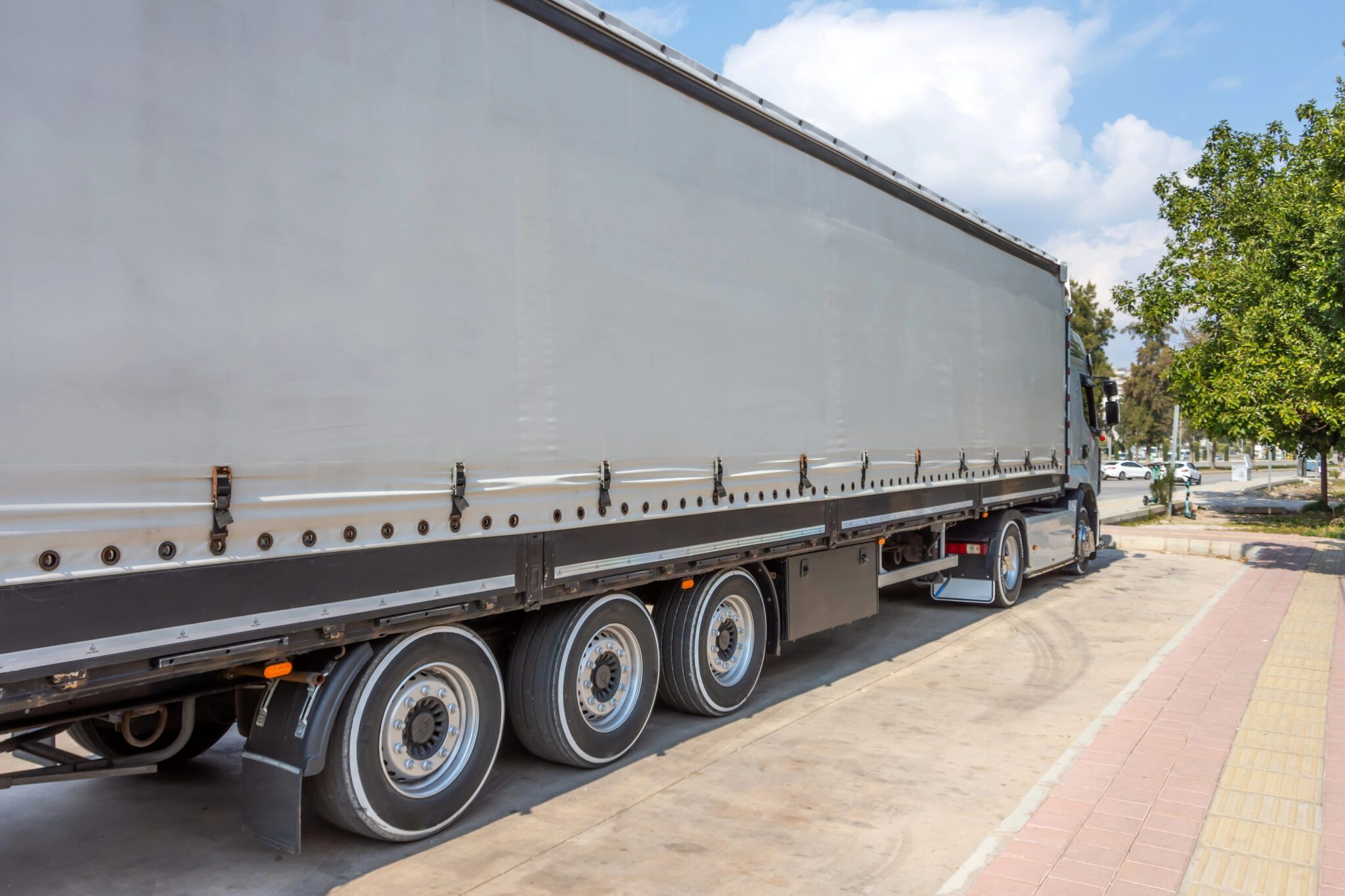
Most enclosed trailers can be wrapped easily because they have large flat panels. Open trailers can also be branded, though the design may need to use gates, rails, fenders, and toolbox areas.
What Should I Put on a Trailer Wrap for Maximum Impact?
Use the company name, logo, main service, phone number, website, and service area. Keep the design readable from a distance. Skip tiny text that no one can read in traffic.
Do Trailer Wraps Protect the Trailer Surface?
Yes, vinyl wraps can help protect painted surfaces from sun exposure, light scratches, and road grime. They are mainly a branding tool, but surface protection is a useful bonus.