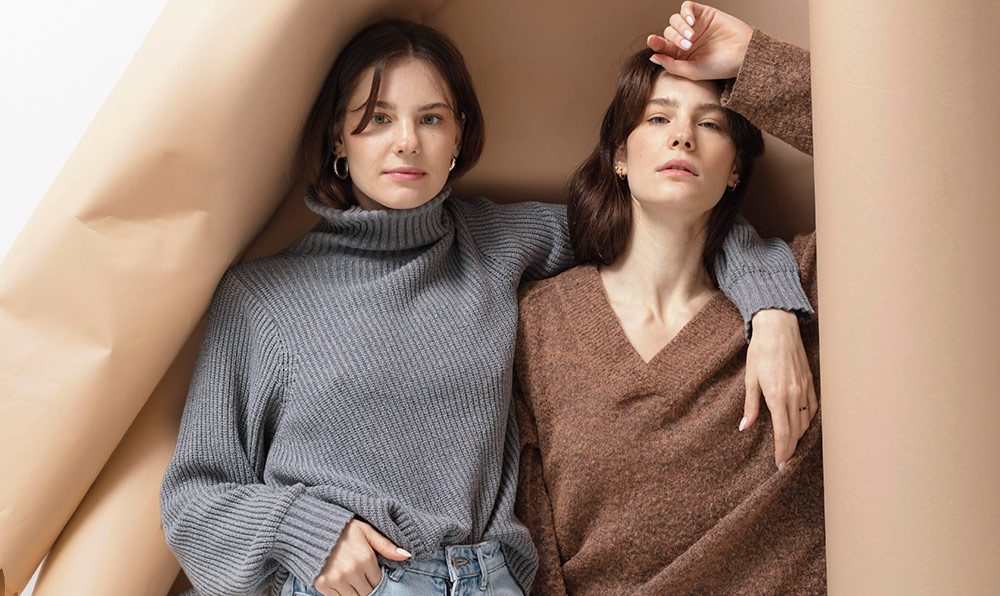
Fashion is no longer simply about following the latest trends. Today, people increasingly want clothing that looks stylish while also allowing them to move freely, feel relaxed, and stay comfortable throughout the day. This shift has created a new approach to dressing—one where comfort and style work together rather than competing with each other.
From relaxed tailoring to versatile footwear, modern fashion trends are proving that looking polished does not require sacrificing comfort.
1. Relaxed Tailoring
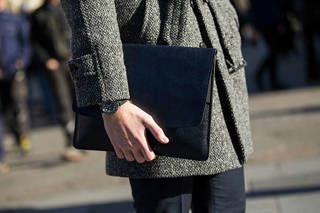
Traditional tailoring often focuses on structured silhouettes and precise fits, but modern fashion has introduced a more relaxed interpretation. Oversized blazers, loose trousers, relaxed shirts, and unstructured jackets offer the polished appearance of tailoring without feeling restrictive.
Relaxed tailoring works particularly well for everyday outfits because it can be dressed up or down. Pair wide-leg trousers with a simple top for an effortless look, or combine an oversized blazer with sneakers for a modern, casual outfit.
2. Elevated Loungewear
Loungewear has moved beyond the home and become part of everyday fashion. Soft trousers, coordinated sets, knitwear, and comfortable sweatshirts can now be styled in ways that look intentional rather than overly casual.
The key is choosing elevated fabrics, clean silhouettes, and coordinated colors. A matching knit set, for example, can provide the comfort of loungewear while maintaining a sophisticated appearance.
3. Oversized and Loose-Fitting Clothing
Loose-fitting clothing continues to appeal to people who prioritize freedom of movement. Oversized shirts, relaxed dresses, wide-leg jeans, and loose trousers create an effortless silhouette while providing greater comfort.
The secret to making oversized clothing look stylish is balance. If one part of an outfit is particularly loose, pairing it with a more defined or structured piece can create a more polished overall appearance.
4. Comfortable Footwear
Shoes have become an important part of the comfort-focused fashion movement. Sneakers, supportive flats, loafers, and low-profile boots allow people to stay comfortable while still completing a fashionable outfit.
The popularity of versatile sneakers in particular demonstrates how casual footwear can be incorporated into outfits that were once traditionally paired with formal shoes. A clean pair of sneakers can work with jeans, trousers, dresses, skirts, and even relaxed suits.
5. Soft and Breathable Fabrics
Comfort begins with the materials used to make clothing. Cotton, linen, soft knits, jersey, lightweight wool, and other breathable fabrics can make everyday dressing significantly more comfortable.
People are also paying greater attention to how fabrics feel against the skin. Clothing that is soft, breathable, and flexible can make a major difference, particularly for long days, travel, and warm weather.
6. Athleisure-Inspired Outfits
Athleisure continues to blur the line between activewear and everyday clothing. Leggings, joggers, performance-inspired jackets, sweatshirts, and sneakers can be combined with more polished pieces to create balanced outfits.
For example, pairing tailored trousers with a simple sneaker or wearing a structured jacket over a comfortable top can create an outfit that feels relaxed without looking unfinished.
7. Stretch and Flexible Materials
Modern clothing increasingly incorporates stretch fabrics that allow greater freedom of movement. Stretch denim, flexible trousers, jersey dresses, and knit tops can provide comfort while maintaining a well-defined shape.
This is particularly useful for workwear and travel clothing, where people want garments that remain presentable without feeling restrictive.
8. Minimalist Wardrobes
Comfort-focused fashion often goes hand in hand with minimalism. Instead of having an overflowing wardrobe, many people are choosing versatile pieces that can be combined in multiple ways.
Neutral colors, simple silhouettes, and high-quality basics make it easier to create outfits without spending excessive time deciding what to wear. A comfortable wardrobe can therefore also be an efficient one.
9. Layering for Versatility
Layering allows people to adapt their outfits throughout the day while maintaining comfort. Lightweight shirts, cardigans, overshirts, jackets, and scarves can be added or removed depending on the weather and setting.
Layering also gives simple outfits more visual interest. A basic T-shirt and trousers can look completely different when paired with a cardigan, blazer, denim jacket, or long coat.
10. Matching Sets
Matching sets have become popular because they offer both simplicity and style. Coordinated shirts and trousers, knit sets, skirt-and-top combinations, and relaxed two-piece outfits create a complete look with minimal effort.
They are particularly useful for busy mornings because the pieces are designed to work together. The individual items can also be worn separately, making them more versatile.
11. Neutral and Relaxed Color Palettes
Comfortable fashion does not necessarily mean wearing only casual clothing. Color can also influence how relaxed an outfit feels. Soft neutrals, earthy tones, muted pastels, and monochromatic combinations create an understated and effortless aesthetic.
Neutral colors are also easy to mix and match, making them practical choices for a versatile wardrobe.
12. Personal Style Over Strict Trends
Perhaps the biggest trend in modern fashion is the move toward personal comfort and individuality. Instead of wearing something simply because it is fashionable, people are increasingly choosing clothing that reflects their lifestyle and makes them feel confident.
A trend becomes much more useful when it can be adapted to your own preferences. Whether that means wearing sneakers with formal clothing, choosing loose silhouettes, or investing in comfortable basics, personal style should remain at the center of every fashion choice.
Final Thoughts
The growing focus on comfort and style represents a broader change in how people think about fashion. Looking fashionable no longer requires uncomfortable shoes, restrictive clothing, or complicated outfits.
The best modern trends combine practical design with visual appeal. Relaxed tailoring, comfortable footwear, breathable fabrics, elevated loungewear, versatile basics, and minimalist styling all demonstrate that comfort can be an essential part of looking stylish.
Ultimately, the most successful fashion choices are the ones that allow you to feel comfortable, look confident, and express your personal style at the same time.