Building a high-quality wardrobe is not about buying the most expensive clothes. It is about choosing pieces that offer excellent materials, thoughtful construction, timeless style, and enough versatility to be worn for years. Instead of constantly replacing inexpensive items, investing in better clothing can help you create a wardrobe that looks polished and lasts longer.
1. Focus on Quality Over Quantity
The first step is to stop thinking about how many clothes you own and start thinking about how useful each piece is. A wardrobe filled with poorly made clothes can cost more over time because items may lose their shape, fade, or wear out quickly.
Before buying something, ask yourself:
- Will I wear this regularly?
- Does it work with clothes I already own?
- Is the design likely to remain appealing for several years?
- Is the quality good enough to justify the price?
A smaller collection of well-made essentials is often more valuable than a large wardrobe filled with disposable trends.
2. Learn to Recognize Good Fabrics
Fabric is one of the most important indicators of clothing quality. Natural materials such as cotton, wool, linen, silk, and cashmere can be excellent choices when they are properly produced and cared for.
However, a natural fiber does not automatically mean superior quality. Pay attention to the fabric’s weight, texture, density, and finish. For example, high-quality cotton should generally feel substantial and comfortable rather than excessively thin or rough.
Blended fabrics can also be useful. A carefully chosen blend may improve durability, stretch, breathability, or wrinkle resistance. The goal is not to avoid synthetic fibers completely but to understand why they are being used.
3. Examine the Construction
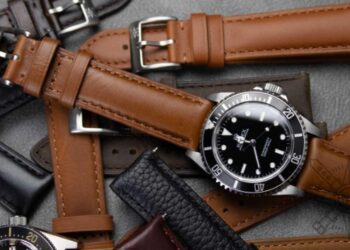
A garment can have an expensive-looking fabric but still be poorly constructed. Before purchasing, examine details such as stitching, seams, buttons, zippers, hems, and lining.
Look for:
- Even, secure stitching
- Neat and reinforced seams
- Strong buttons attached properly
- Smooth, reliable zippers
- Cleanly finished hems
- A well-constructed collar and neckline
- Quality lining where appropriate
Small construction details often reveal how much attention went into making the garment.
4. Prioritize the Pieces You Wear Most
You do not need to spend heavily on every item in your wardrobe. Instead, invest most of your budget in pieces that receive frequent use.
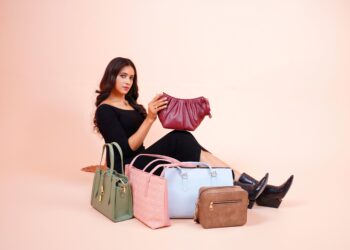
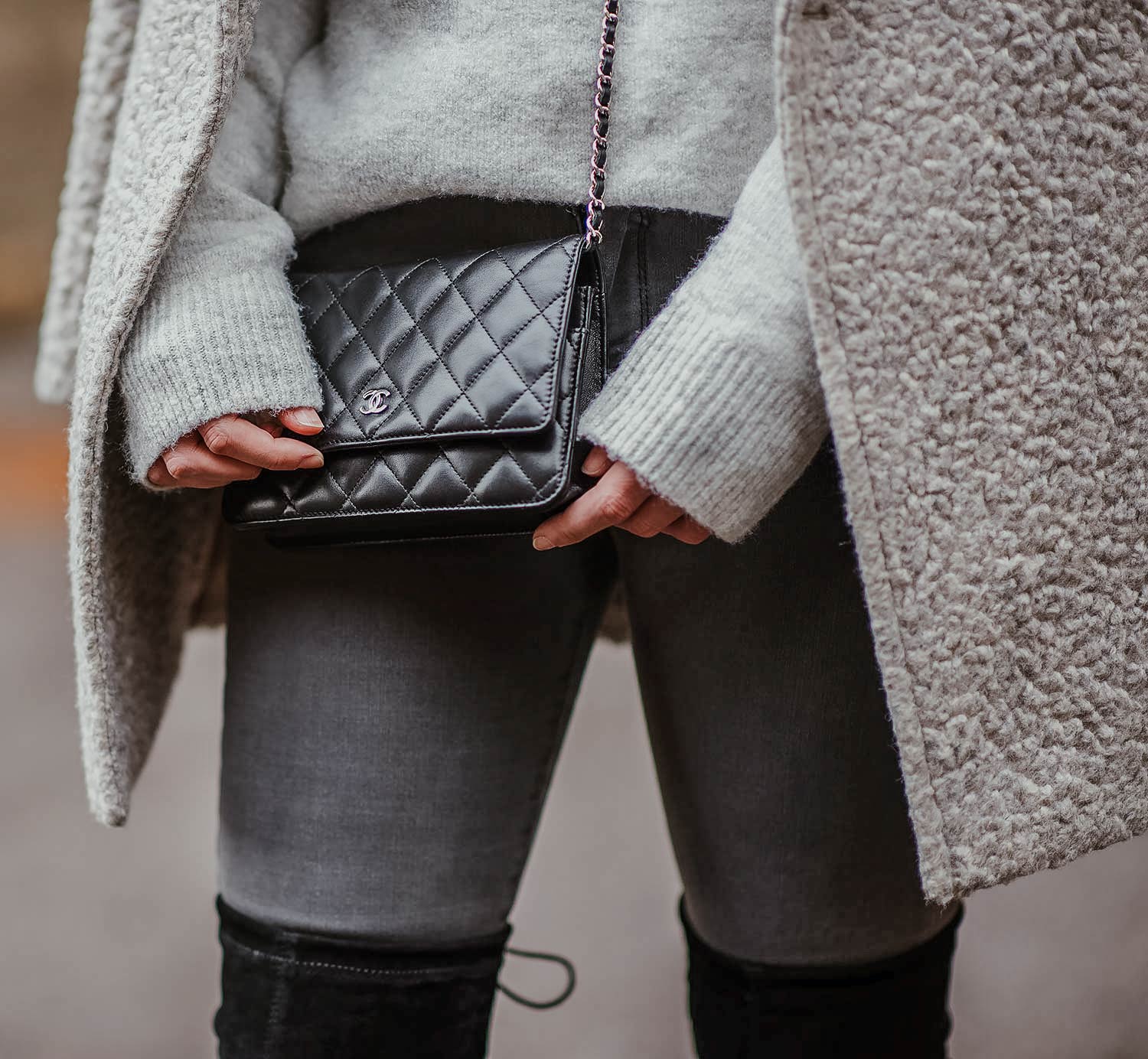
For example, a high-quality coat, pair of trousers, leather shoes, blazer, handbag, or everyday jacket may be worth spending more on because you can wear them repeatedly.
On the other hand, inexpensive trend pieces or occasional-wear items may not deserve the same investment.
Think about cost per wear rather than simply looking at the price tag. A $200 jacket worn 100 times costs $2 per wear, while a $40 item worn twice costs $20 per wear.
5. Choose Timeless Designs
Trends can be fun, but they often have short lifespans. When investing in expensive clothing, choose designs that you can imagine wearing several years from now.
Classic colors such as black, navy, white, cream, gray, brown, and beige are generally easy to combine. Simple silhouettes also tend to remain useful across changing fashion trends.
This does not mean your wardrobe needs to be boring. You can still experiment with colors, patterns, and trends through less expensive pieces while keeping your major investments timeless.
6. Get the Fit Right
Even the highest-quality clothing can look cheap if it does not fit properly. Fit should therefore be a major consideration when spending more money on a garment.
Pay attention to shoulder placement, sleeve length, trouser length, waist fit, and how the garment sits when you move. If the basic structure is good, minor alterations by a skilled tailor can make a significant difference.
It is often better to buy a well-made garment that needs a small adjustment than a cheaper garment that never fits correctly.
7. Shop With a Plan
Impulse buying is one of the biggest obstacles to building a quality wardrobe. Before shopping, identify the gaps in your existing collection.
Make a simple list such as:
- One versatile blazer
- Two high-quality shirts
- A durable pair of trousers
- A classic pair of shoes
- A well-made winter coat
This approach encourages intentional purchases and reduces the temptation to spend money on pieces that look appealing in the moment but rarely get worn.
8. Consider Secondhand and Vintage Clothing
High-quality clothing does not always have to be purchased new. Secondhand and vintage markets can offer excellent pieces at significantly lower prices.
When shopping secondhand, inspect the garment carefully for stains, odors, damaged seams, missing buttons, stretched fabric, and excessive wear. Look beyond the label and evaluate the actual condition and construction.
Some well-made garments can also improve aesthetically with age, developing character that new clothing cannot immediately replicate.
9. Take Care of Your Investments
Buying quality clothing is only half the process. Proper care can significantly extend the life of your garments.
Follow care labels, avoid unnecessary washing, use appropriate detergents, and store clothing correctly. Knitwear may need to be folded rather than hung, while structured garments may benefit from suitable hangers.
Repair small problems before they become major ones. Replacing a button, fixing a seam, or repairing a shoe is often far less expensive than replacing the entire item.
10. Know When a Higher Price Is Justified
A high price does not always equal high quality. Some garments are expensive because of branding, marketing, exclusivity, or design prestige rather than superior construction.
When considering an expensive purchase, evaluate what you are actually paying for. Look at the fabric, workmanship, fit, durability, versatility, and expected number of wears.
The best investment is not necessarily the most expensive item—it is the item that provides the greatest combination of quality, usefulness, longevity, and personal style.
Final Thoughts
Investing in high-quality clothing is ultimately about becoming a more thoughtful shopper. Rather than buying frequently and replacing clothes when they deteriorate, focus on selecting pieces that genuinely earn a place in your wardrobe.
Start with the items you wear most, learn to recognize good fabrics and construction, prioritize fit, choose versatile designs, and take care of what you own. Over time, these decisions can transform your wardrobe into a collection of dependable pieces that look better, feel better, and continue serving you for years.