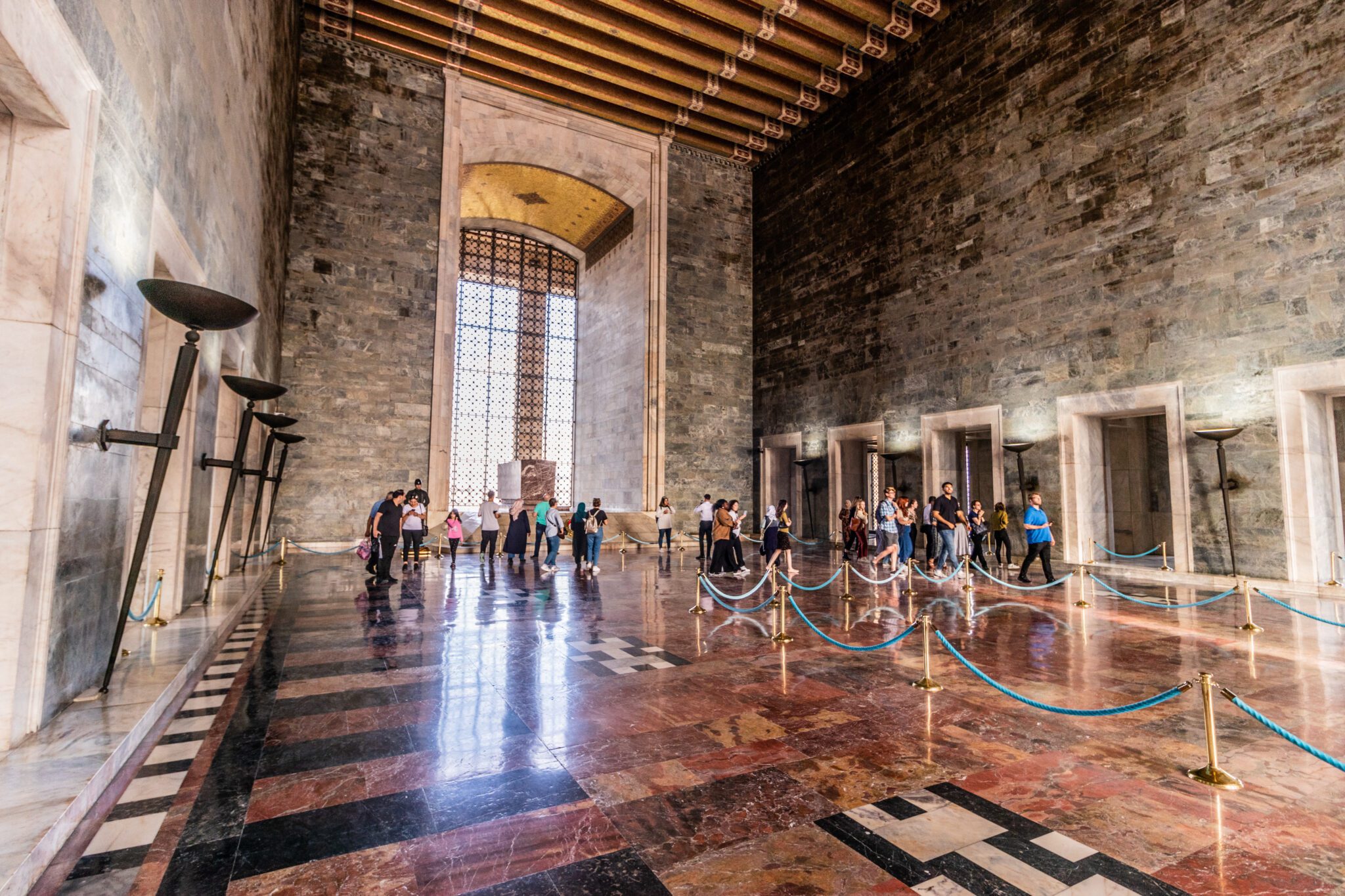
A guided historical tour helps visitors track a timeline without mental overload. Rather than reading scattered signage and guessing context, people hear a clear sequence tied to the setting in front of them. Expect firm timing, a respectful tone, and support with entry steps, walking routes, and group coordination. Many guests finish with better recall, steadier focus, and a more grounded sense of how one location shaped major decisions.
Why a Guide Changes the Day
A skilled guide reduces cognitive strain by framing each stop around one central point, then adding only the details that matter. On pearl harbor tours Honolulu, visitors often move with fewer pauses for maps, tickets, or phone searches, which keeps attention steady. That steadier flow supports our group’s energy, lowers stress hormones linked to uncertainty, and leaves more space for listening, reflection, and questions.
Check-In, Timing, and Group Flow
Most tours open with a short briefing on rules, timing, and expected walking. Many sites rely on timed entries, so punctual arrival protects the sequence. Guides typically handle headcounts and reminders, which helps our group avoid last-minute confusion. Short breaks may be planned for restrooms, water, and shade. Meeting points get repeated because one missed turn can ripple through the schedule.
Transportation and Comfort Basics
Some guided outings include transport between stops, which keeps the day predictable for people managing fatigue. Vehicles are often air-conditioned, and seating may be assigned or first-come. During transit, guides may share key context, so attention still matters off-site. Footwear with stable support helps because distances accumulate. Heat, glare, and sudden showers are common, so a hat plus a light layer can limit heat strain.
Entry Rules and Respectful Conduct
Memorial sites often include security screening and clear behavior expectations. Quiet voices, phones silenced, and limited photography in certain areas are common standards. Guides usually explain the purpose of each rule, which improves compliance without tension. Visitors should expect prompts about where to stand, when to pause, and how to pass through narrow viewing spaces. Small courtesies, like stepping aside for others, shape the tone for everyone.
Core Stops and What Each Adds
Many itineraries include an orientation area, a central memorial, and a museum-style exhibit. Each stop serves a distinct learning task. Orientation sets the chronology and defines terms. Memorial spaces center remembrance and names, often with a quieter pace. Museums add objects, images, and first-person accounts that give scale. Guides often preview the next location so connections stay intact as the group moves.
Listening Style, Facts, Stories, and Questions
Guides tend to blend verified dates with brief human details tied to individuals, units, or families. Clear cues should separate documented records from interpretation. Many tours invite questions at set points, which prevents constant interruptions and helps hearing in crowds. Preparing two or three questions in advance can sharpen discussion. Some visitors take notes, while others pick one takeaway per stop to reduce mental clutter.
On-Site Media and Learning Aids
Many routes include a short film, an exhibit walk-through, or a map-based explanation before a memorial visit. These tools lower confusion and reduce decision fatigue. Wind and crowd noise can limit audio clarity, so standing closer may help. Some guides use printed photos or simple diagrams to support memory. The best aids stay brief, keeping attention on the place itself rather than on dense information.
Emotional Weight and Personal Processing
Serious sites can trigger grief, pride, anger, or numbness, sometimes within minutes. A guide may offer a short silence or a gentle transition after a memorial. Visitors should expect that children may show restlessness, tears, or questions that land later. Physical reactions can include throat tightness, shallow breathing, or a racing pulse. Planning a calm activity afterward gives our group space to talk, eat, and settle.
Practical Tips for a Smooth Visit
Hydration, sunscreen, and a small snack often matter more than souvenirs. A compact bag can speed entry checks, while large items may be restricted. Phones should start charged, even if use stays limited. A small notebook can support recall without constant screens. If mobility support is needed; asking ahead helps align pacing, route access, and seating. Choosing breathable clothing can also reduce overheating during long outdoor stretches.
Conclusion
A guided historical tour usually feels organized, informed, and emotionally steady. Visitors can expect a clear schedule, logistical support, and interpretation that ties each stop to a larger narrative. Strong guides balance accuracy with empathy, then leave room for silence and questions. With simple preparation, our group can conserve energy, stay hydrated, and focus on listening and remembering, instead of letting lines, heat, or uncertainty drain us.