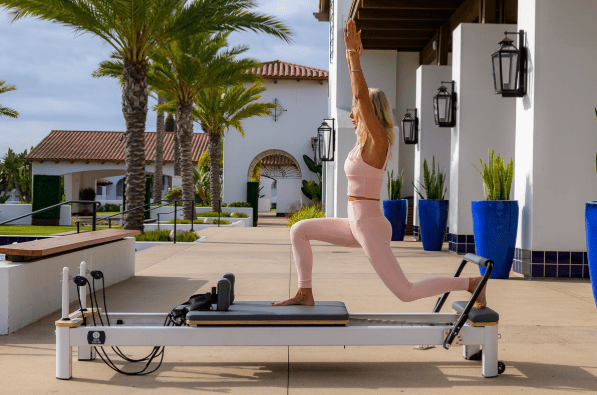
Pilates did not arrive in fashion and wellness conversations all at once. It edged its way in. First, as something dancers did. The n as a recovery tool. Later, as a quiet constant in the routines of people who trained hard but wanted their bodies to last.
That slow rise matters. It mirrors how body ideals themselves have changed. The focus today is less on extremes and more on sustainability. Strength still matters. So does appearance. But the conversation has shifted toward how bodies function, how they move, and how long they can keep doing what they do.
When the Ideal Stopped Being Smaller
For years, fitness and fashion pushed a narrow idea of what a “good” body looked like. Smaller was better. Lean meant disciplined. Strength was often secondary, even suspect.
That thinking has faded. In its place is an interest in bodies that look capable. Not bulky. Not fragile. Just strong enough to hold themselves well and move with ease.
Pilates supports that outcome almost by accident. It does not isolate muscles aggressively. It builds strength evenly. Over time, posture improves. The body looks more balanced. Nothing feels forced.
That balance aligns closely with where fashion has landed. Clothes today highlight structure and movement rather than extremes. Pilates-trained bodies tend to fit into that visual language naturally.
Why Pilates Fits Real Life Better Now
Another reason Pilates gained attention has little to do with aesthetics. It fits into modern life.
People are busy. Training cannot take over everything. Workdays are long. Travel is common. Recovery time matters more than it used to.
Pilates challenges the body without flattening it. Cleveland Clinic also frames Pilates as low-impact strength training, with benefits for stability and endurance. Many people can train consistently without feeling like they are always catching up physically.
There is also a mental element. Pilates asks for attention. Breathing, alignment, and control matter. That focus creates a sense of calm that other workouts often miss. For people balancing full schedules, that experience has value.
A Quieter Kind of Strength
Pilates does not advertise its difficulty loudly. The movements are controlled. The pace is measured. The challenge builds slowly.
Muscles stay engaged longer than expected. There is no momentum to rely on. Strength develops through endurance and control rather than force. The result is a body that looks steady instead of strained.
This kind of strength has become desirable. It reads as confidence rather than aggression. It feels compatible with modern ideas of wellness, where longevity matters as much as performance.
How Equipment Changed the Conversation
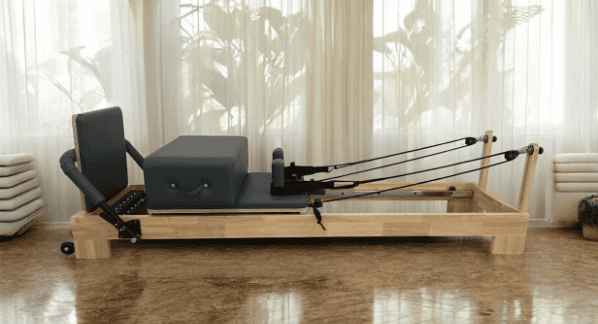
Pilates did not stay the same forever. Equipment played a major role in its evolution. Resistance-based machines allowed intensity to increase without sacrificing control. Springs create constant tension, keeping muscles active from start to finish.
This shift changed how Pilates looked from the outside. Classes became more athletic. Strength gains became easier to see. Pilates no longer felt limited to rehabilitation or flexibility work.
As this happened, people naturally started comparing machines and methods. Curiosity grew around how different systems shaped results. Many readers now look for explanations that break down a megaformer vs reformer style of Pilates training, especially when deciding what kind of strength-focused practice fits their goals.
Pilates and the Fashion World’s Quiet Adoption
Pilates did not become popular in fashion circles because it was trendy. It became popular because it worked.
Long fittings, travel, and repetitive movement demand bodies that recover well. Pilates supports stability and posture. Vogue breaks down why reformer Pilates became a celebrity favourite, especially for low-impact sculpting. It strengthens without creating stiffness. That matters in industries where injury can disrupt work quickly.
Pilates also encourages awareness. People move differently when they feel balanced. That shows in how they carry clothes, not just how clothes fit them.
High-Intensity Pilates Changed Expectations
Traditional Pilates still exists, but newer formats have expanded what people thought it could do. High-intensity Pilates blends controlled movement with longer sequences and stronger resistance.
The work feels serious. It demands focus and stamina. Yet it avoids the chaos and joint stress of many high-impact workouts.
This style attracts people who want a challenge without burnout. Many come from athletic or weight training backgrounds. They recognize the effort. What surprises them is how manageable the recovery feels.
The Decline of Extreme Transformations
Fitness culture once celebrated dramatic change above all else. The faster the transformation, the better the story. Over time, those stories lost credibility.
People became more aware of the physical and mental cost. Burnout became common. Injuries piled up. The appeal faded.
Pilates offers a quieter alternative. Progress is gradual. Strength builds over time. Bodies adapt instead of rebelling.
That approach reflects a broader cultural shift. People are less interested in extremes and more interested in consistency.
Pilates as a Signal of Intent
Choosing Pilates often signals something beyond fitness. It suggests patience. Awareness. A long-term view.
Pilates is not performative. It does not rely on spectacle. Its appeal comes from discipline and restraint.
Those values show up elsewhere, too. Fashion has moved toward cleaner lines and thoughtful design. Wellness has shifted toward balance over intensity. Pilates fits comfortably within that landscape.
Social Media Changed How Pilates Is Seen
Pilates content performs well online for a simple reason. It shows effort honestly.
Slow, controlled movements translate clearly on screen. Viewers can see muscles working. There is no editing trick that replaces control.
This visibility supports healthier expectations. It shifts focus away from comparison and toward capability. That tone resonates with audiences tired of exaggerated fitness narratives.
What Modern Body Ideals Actually Value
Modern body ideals are less rigid than they once were. Strength matters, but so does mobility. Definition matters, but so does ease.
Pilates reflects those priorities clearly. Bodies trained this way look prepared. They move well. They hold themselves confidently without appearing tense.
Why Pilates Continues to Matter
Pilates sits comfortably at the intersection of fitness, fashion, and culture because it adapts without losing direction. It responds to how people want to live now.
Strong, but not rigid. Defined, but not strained. Capable, but not exhausted.
That is what the new wave of Pilates training says about modern body ideals. It values bodies that last, move well, and support life rather than dominate it.