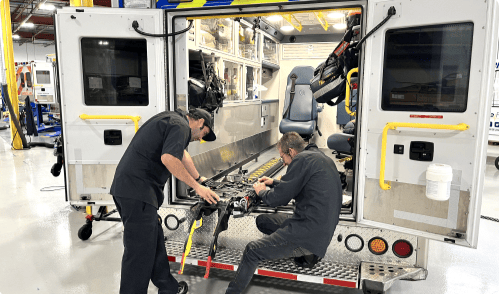
Teams do not make equipment decisions in calm conditions. They make them knowing that a stretcher, loading system, stair chair, or patient transport device may be needed during a high-pressure call, a facility transfer, or a busy shift with limited backup.
For American and Canadian non-emergency services, patient transfer companies, healthcare operations teams, and procurement leaders, refurbished emergency response equipment can be a practical way to manage budget pressure while keeping reliable equipment available for daily operations. The focus here is patient transport equipment such as refurbished Stryker stretchers, Power-PRO XT units, Power-LOAD systems, stair chairs, and related support equipment, not vehicle storage systems or full vehicle builds.
When refurbished equipment is properly inspected, serviced, and matched to the right use case, it can support fleet readiness without forcing teams to choose between cost control and operational reliability.
Why Equipment Budget Pressure Matters for non-EMSTeams
Non-EMS and patient transport teams depend on equipment that works consistently. At the same time, new equipment costs, maintenance needs, fleet expansion, and replacement cycles can create real pressure on annual budgets.
A stretcher that is not ready, a stair chair that needs repair, or a loading system that is out of service can affect workflow, scheduling, crew confidence, and patient movement. For teams managing multiple vehicles or sites, downtime can create a ripple effect across the operation.
Budget decisions also need to account for long-term maintenance. Buying equipment is only one part of the cost. Teams also need to consider parts availability, preventative maintenance, service records, inspection history, and how quickly equipment can return to use after repair.
The Main Challenge With Aging Patient Transport Equipment
Patient transport equipment takes regular wear. Crews move it through tight hallways, facility entrances, uneven surfaces, ramps, elevators, and changing weather conditions. Over time, frames, wheels, batteries, handles, controls, loading components, and accessories may need attention.
Without a clear replacement or refurbishment plan, teams may run into problems such as:
- More frequent equipment downtime
- Higher emergency repair costs
- Inconsistent equipment across the fleet
- Harder inventory and maintenance tracking
- Delays when replacement parts are not planned
- Reduced crew confidence during patient movement
These issues may not always appear during routine scheduling. They often become clear when the equipment is needed most.
How Refurbished Equipment Supports Fleet Readiness
Professionally refurbished patient transport equipment can help teams extend the value of proven equipment platforms. This may include refurbished Stryker stretchers, Power-PRO XT units, Power-LOAD systems, stair chairs, and related equipment used by non-EMS and patient transfer operations.
The value comes from process, not guesswork. Refurbished equipment should be inspected, repaired where needed, tested, cleaned, documented, and prepared for safe operational use within the limits of the equipment and service context.
Rowland Emergency supports non-EMS and patient transport teams with refurbished equipment options, Stryker parts, preventative maintenance, and equipment support designed around reliability and fleet readiness. That support can help teams manage budget planning while keeping essential patient transport equipment available for crews.
Practical Benefits for non-EMS and Patient Transfer Teams
The right refurbished equipment strategy can support both daily operations and long-term planning. It gives procurement teams another option when new equipment timelines or costs create pressure.
Key benefits may include the following:
- Lower upfront cost compared with buying new equipment
- Better control over replacement planning
- Reduced downtime when supported by available parts and service
- More consistent equipment across vehicles or teams
- Support for patient transfer companies and non-EMS healthcare sectors
- Extended service life for proven equipment platforms
- A more sustainable approach by keeping usable equipment in service
For crews, the benefit is practical. Familiar equipment supports muscle memory, workflow efficiency, and smoother patient movement. For managers, it helps protect budgets while keeping operations moving.
Where Refurbished Equipment Makes the Most Sense
Refurbished emergency response equipment is most useful when teams need reliable patient transport equipment but also need to manage cost, lead time, or fleet consistency.
It may be a good fit for:
- Patient transfer companies expanding service capacity
- Healthcare facilities supporting internal transport needs
- Training, support, or non-frontline operational use
- Teams standardizing around familiar Stryker equipment platforms
- Services looking to reduce waste while extending equipment value
The key is matching the equipment to the role. A refurbished stretcher used for one operational setting may not be the right choice for another. Non-EMS leaders should review the condition, service history, intended use, compatibility, accessories, and maintenance plan before making a purchase.
What to Check Before Buying Refurbished Equipment
Before purchasing refurbished patient transport equipment, non-EMS leaders and procurement teams should look beyond price alone.
Review these points:
- Equipment model, age, and intended use
- Inspection and refurbishment process
- Parts replaced or serviced
- Battery, wheel, frame, control, and loading system condition
- Compatibility with existing fleet equipment
- Availability of genuine OEM replacement parts and accessories
- Preventative maintenance support
- Documentation and service records
- Training needs for crews or support staff
A lower purchase price only helps if the equipment remains dependable in real operations. Planning should include maintenance, parts access, staff familiarity, and long-term fleet readiness.
Stretching Budgets With Smarter Equipment Planning
Refurbished equipment works best as part of a planned asset strategy, not a last-minute fix. Teams should track equipment age, service frequency, failure patterns, repair cost, and replacement timelines. This helps leaders decide when to refurbish, repair, replace, or standardize equipment across the fleet.
A planned approach also supports better workflow. Crews know what equipment to expect, maintenance teams can prepare for common parts needs, and procurement teams can manage costs with fewer surprises.
Build Reliability Into Every Equipment Decision
Refurbished emergency response equipment can help non-EMS and patient transport teams stretch budgets while maintaining practical readiness. The right approach supports equipment availability, crew confidence, preventative maintenance, and long-term operational planning.
For Canadian teams looking at refurbished Stryker stretchers, Power-PRO XT units, Power-LOAD systems, stair chairs, parts, or service support, Rowland Emergency provides non-EMS solutions designed around real workflow, equipment reliability, and fleet readiness.