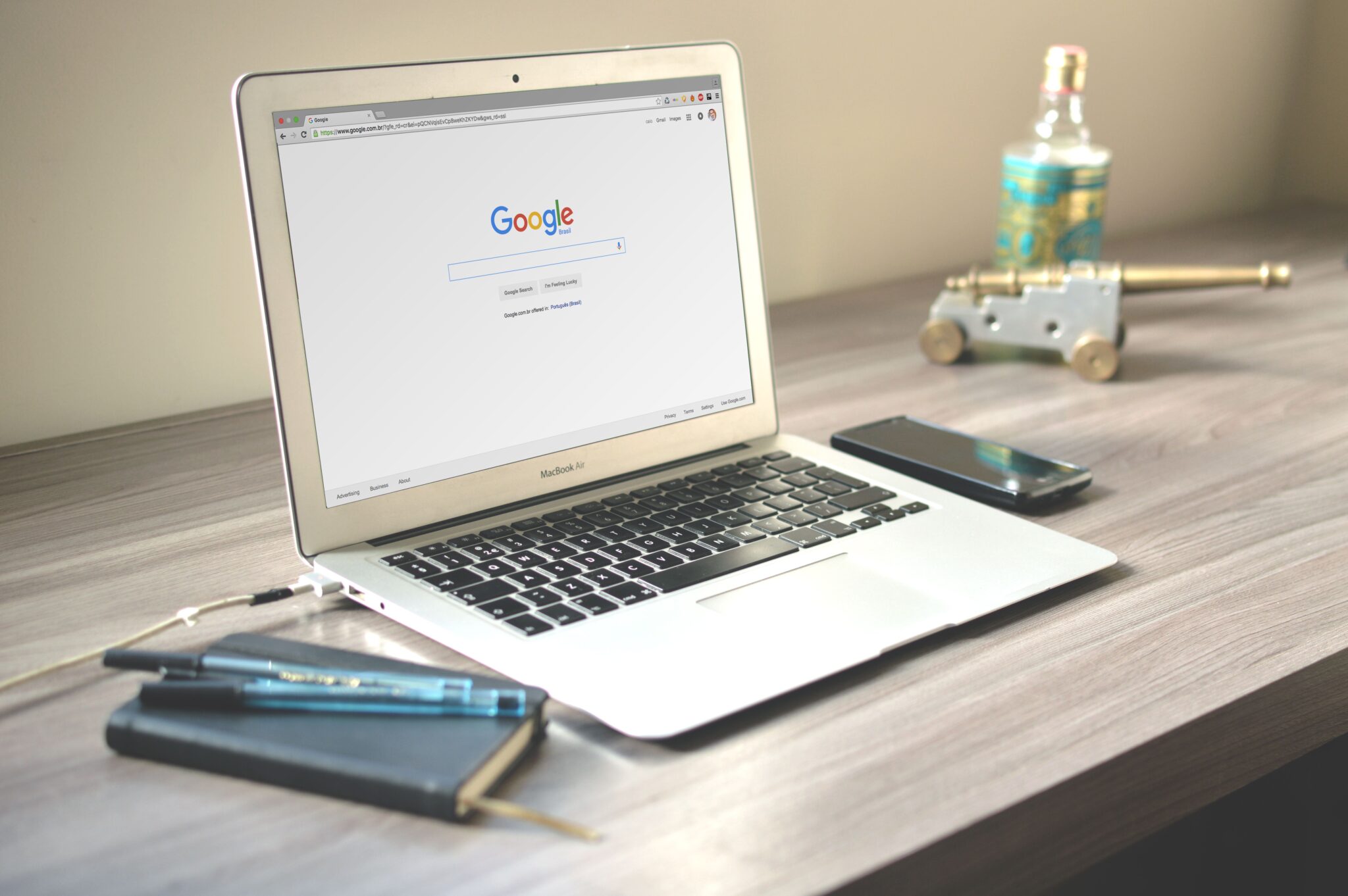
If your business has spent years building search visibility, the ground has shifted under you in the last two years — and not in the way most SEO advice describes. Google’s AI Overviews have sat at the top of Australian results since October 2024, and AI Mode, Google’s conversational search, arrived here in October 2025. The result is a search page where the answer often appears before a single organic listing does.
For an established business, this is not a reason to abandon SEO. It is a reason to rethink what SEO is actually buying you now.
The click is no longer guaranteed
The uncomfortable number comes from Pew Research Center’s July 2025 study of 900 American adults and nearly 69,000 Google searches. When an AI summary appeared, users clicked a normal search result on just 8% of visits, against 15% when no summary appeared. Only 1% clicked a link inside the summary itself.
That study is American, not Australian, and click behaviour will vary by industry. But the direction is consistent with what Australian marketers are seeing in their own analytics: impressions holding up while clicks quietly fall away. Gartner has forecast a 25% drop in traditional search volume by the end of 2026 as AI chatbots and assistants take a larger share of queries.
The practical consequence is simple. Ranking first no longer guarantees the visit. Being the source the AI answer cites is now at least as valuable as the ranking itself — and often it is the only way the visit happens at all.
What AI answers actually cite
AI answers favour pages that make their job easy. That means a direct answer near the top of the page, clear headings that mirror the questions customers actually ask, and content that goes further than a summary of what everyone else has already published. Pages built on genuine experience — original data, a worked example, a position taken and defended — get cited far more often than pages that restate the consensus.
For a business with hundreds of pages accumulated over years, working out which ones are being cited and which are being ignored is a genuine audit job. That is the point where many marketing managers bring in outside help — for example, News Xtend, a seo services agency — to check which pages AI answers are drawing on and which need reworking before they disappear from view entirely.
The audit usually produces an uncomfortable finding: the pages that rank best are not always the pages that get cited. A thin service page can rank on the strength of the domain behind it while contributing nothing an AI answer can use. Those are the pages to fix first.
Your brand is becoming a ranking factor
AI search does not only read your website. It draws on mentions of your business across the web — reviews, news coverage, industry lists, forum discussions — and uses them to judge whether you are a credible source on a topic.
That makes brand-building and SEO the same job now, in a way they were not five years ago. A business that is quoted in its industry press, publishes original research, and has its people named as experts will be cited by AI answers more often than a business with the same website but no footprint beyond it.
One practical habit pays off here: publish something original every quarter that an AI system cannot synthesise from your competitors’ pages. A survey of your own customers, pricing data from your own jobs, a frank write-up of a project that went wrong and what changed afterwards. Original material is the one thing AI answers cannot generate without a source — and the source gets the citation.
Local and commercial searches are holding up better
Not every query is equally affected. Ahrefs data from September 2025 found AI Overviews on about 21% of informational searches, but on fewer than 8% of local searches and around 2% of searches where someone was ready to buy.
That matters for established businesses because it is where the money sits. A customer searching for a supplier near them, or comparing providers with the intent to enquire this week, still largely sees the familiar list of results — and still clicks.
The practical tip here is unglamorous but effective: keep your Google Business Profile current, keep reviews coming in steadily, and make sure every location and service page on your site says something specific about that place and that service. Generic location pages stuffed with suburb names are exactly the kind of content AI answers ignore, and they do nothing for a customer comparing providers either.
A practical starting point: run an AI visibility check
Before spending anything, spend an afternoon finding out where you stand. Take your twenty highest-value search terms — the ones tied to revenue, not the ones that are easy to rank for — and search each one in AI Mode and in a normal search. For each, note two things: does an AI answer appear, and are you cited in it?
For the pages that are not cited, the fix is usually structural rather than a rewrite. Add a direct two- or three-sentence answer near the top of the page. Tighten the headings so they read as questions your customers ask. Add a short FAQ section that covers the follow-up questions. Then check Google Search Console, which now reports on how often your pages appear in AI Overviews and AI Mode, and watch whether the numbers move over the following month.
This is also the fastest way to find out which pages are worth investing in. A page that already gets cited is a page worth strengthening. A page that ranks on page one but never gets cited is a page whose traffic will quietly drain away as AI answers cover more queries.
Paid search still earns its place
One thing AI answers do not do is carry your offer. A customer who is ready to buy still needs a path to you, and when the organic click is no longer guaranteed, paid search is the reliable way to buy that click on your highest-intent terms.
The sensible approach for an established business is to let the two channels do different jobs: paid search for the queries where a click is worth paying for today, and SEO for earning the citations and authority that compound over time. Cutting one to fund the other usually costs more than it saves.
What to do differently from here
AI search has not killed SEO. It has changed what SEO rewards. The businesses adapting fastest are the ones treating search as a question of being cited, not just being ranked: direct answers, original material, a real brand footprint beyond their own site, and a clear-eyed check of where they actually appear in AI answers today.
The rankings you built over years are still an asset. But from here on, they are the foundation — not the finish line.