The word “injectables” still makes many people think of one thing: adding volume. Cheeks get lifted, lips get plumped, lines get filled. But the category has widened a lot in the last few years, and the fastest-growing conversations in clinics now revolve around skin quality—hydration, elasticity, crepey texture, and that slightly tired look that doesn’t always come from “missing volume.”
That’s where Profhilo tends to sit. It’s often grouped with fillers because it’s injected and uses hyaluronic acid (HA), but it behaves very differently in the skin. If you’ve ever wondered why people describe it as “glow” rather than “plump,” this is the reason.
What Profhilo actually is (and what it isn’t)
At its core, Profhilo is a high-concentration hyaluronic acid injectable designed for bio-remodelling—improving the overall quality of the skin rather than reshaping facial structure. Traditional dermal fillers are usually made of cross-linked HA, which forms a more stable gel. That gel is intended to stay where it’s placed so it can support, lift, and replace volume.
Profhilo uses stabilised, but largely non-cross-linked HA in a formulation that spreads more diffusely through the tissue. Instead of acting like a “scaffold” that holds a lifted contour, it behaves more like a hydrating and signalling ingredient that supports the skin’s environment.
The key difference: “volume” vs “skin behaviour”
A useful way to think about it:
- Fillers: structural support, contouring, targeted correction (e.g., nasolabial folds, cheeks, jawline)
- Profhilo: global improvement in hydration and firmness, with a softer effect on texture and laxity
This is why someone can look fresher after Profhilo without looking “done.” There’s no obvious new shape—just better-looking skin.
For patients seeking a subtle, radiant refresh, booking a professional profhilo London treatment offers a proven route to naturally glowing skin.
How Profhilo works in the skin
Hyaluronic acid is famous for water binding (it can bind up to 1,000 times its weight), but hydration is only part of the story here. Profhilo’s formulation is designed to spread and interact with the dermis in a way that supports collagen and elastin activity—two proteins strongly linked to firmness and bounce.
You’ll often hear clinicians describe Profhilo as a “biostimulator,” although it’s not a collagen-stimulating filler in the classic sense. The concept is that by improving the HA environment and signalling pathways in the skin, you can encourage better tissue quality over time.
Around this point, many people go looking for plain-English explanations of what the treatment involves and where it sits in the injectable landscape. One helpful reference is this overview of an advanced injectable hydration treatment for skin rejuvenation, which breaks down the basics and typical use cases without framing it as a replacement for filler.
Where it tends to shine
Profhilo is commonly used when concerns include:
- early laxity (the “skin is thinning” feeling)
- crepey texture (especially around the lower face)
- dehydration that topical skincare can’t fully fix
- a general dullness that makeup can’t quite mask
It’s also popular for areas beyond the face—neck, décolletage, hands—where traditional filler can be risky or look unnatural if overdone.
Profhilo vs dermal fillers: practical differences that matter
1) Placement and spread
Fillers are placed with intention: a millimetre or two makes a difference. Profhilo is typically delivered using a standardised approach (often the BAP technique—Bio Aesthetic Points) designed for broader diffusion. That diffusion is the point; it’s meant to integrate across an area rather than “sit” as a discrete implant.
2) The look: refinement, not reshaping
If your main concern is a flattened cheek, a weak chin, or a deep fold caused by structural changes, Profhilo won’t substitute for a well-chosen filler plan. On the other hand, if you feel like your face has lost “freshness,” Profhilo can be the more appropriate first step.
A common scenario in clinic: someone asks for filler because they look tired. After assessment, the real issue is dehydration, fine texture changes, and slight laxity. In that case, improving skin quality can sometimes reduce the perceived need for volume.
3) Treatment course and timeline
Profhilo is usually done as a course of two sessions, about four weeks apart, with results building gradually. Many people start noticing changes in hydration and glow within a couple of weeks, but the more meaningful improvements in firmness and texture tend to develop over a month or two.
Fillers, by contrast, often give an immediate structural change (with a settling period), which can be satisfying if you want a visible contour adjustment.
4) Longevity and maintenance
Dermal fillers vary widely in longevity depending on product type, placement, and metabolism—often 6–18 months. Profhilo’s effect is typically discussed more in the 3–6 month range before a maintenance plan is considered. It’s not that it “disappears overnight”; it’s that skin quality work is ongoing, especially as collagen and elastin naturally decline with age.
What the appointment feels like (and what aftercare looks like)
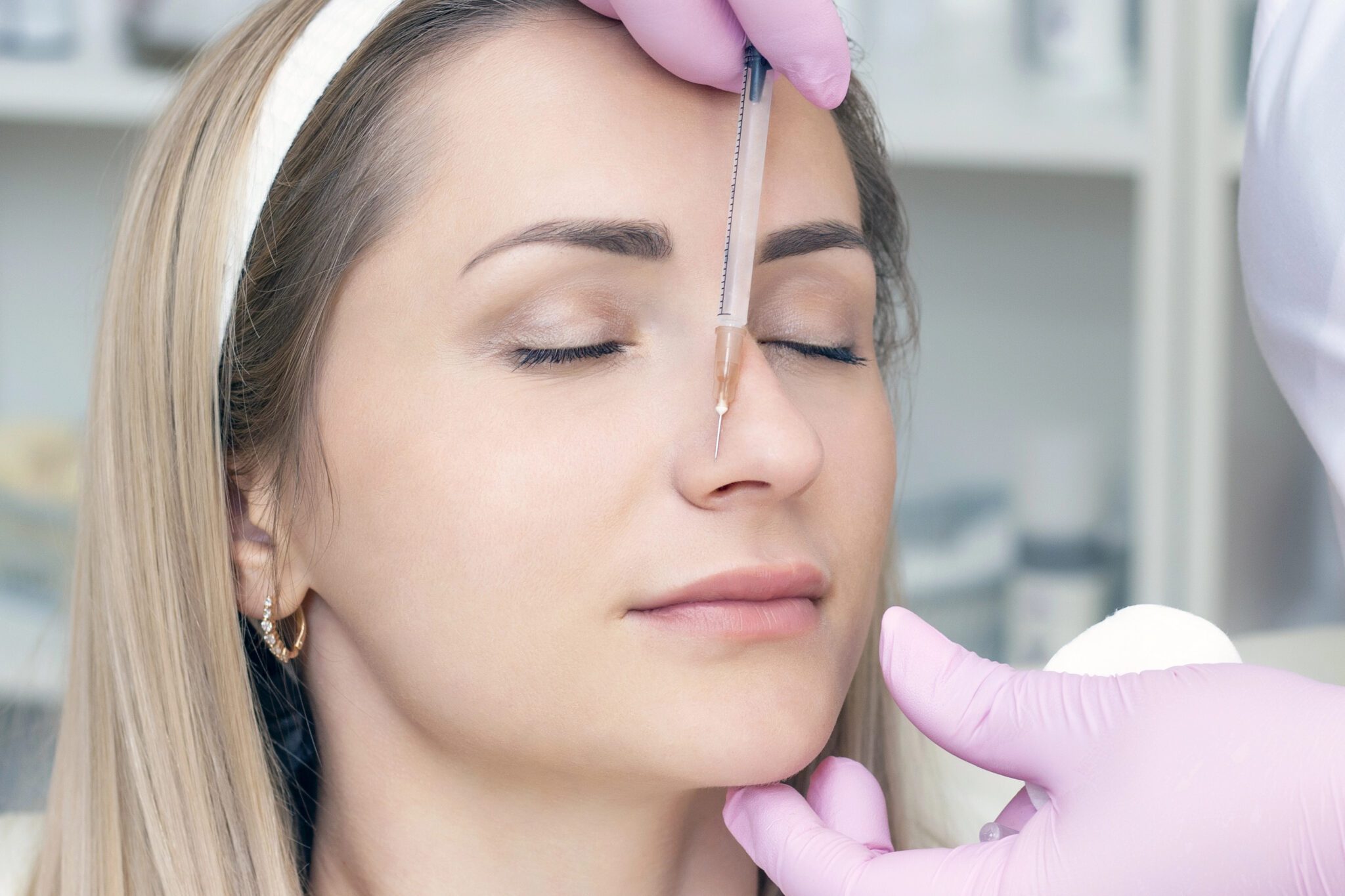
Profhilo treatment is relatively quick. Because it’s injected at a handful of points per side, it’s not usually a long “mapping” session like some filler appointments can be. You may see small bumps at injection sites immediately after—these typically settle within 24 hours.
Aftercare is generally straightforward: avoid heavy exercise, saunas, and alcohol for a short window (your practitioner will give a specific timeline), and try not to manipulate the area.
One thing that’s worth saying plainly: although Profhilo is not a volumising filler, it’s still an injectable. Good anatomy knowledge, sterile technique, and a proper consultation matter just as much.
Who is (and isn’t) a good candidate?
Profhilo often appeals to people who want visible improvement without changing their facial identity. It can also sit nicely alongside other treatments—energy-based devices, medical-grade skincare, or targeted filler where needed—when planned thoughtfully.
That said, it isn’t for everyone. If you’re expecting lifted cheekbones or a sharper jawline from Profhilo alone, you may be disappointed. Likewise, if you have significant skin laxity, your practitioner may discuss whether other options (including surgery) will better match your goals.
As always, disclose medical history, allergies, pregnancy/breastfeeding status, and any tendency toward scarring or autoimmune flares. A responsible injector will screen for suitability rather than treating everyone the same way.
The bigger trend: “skin-first” aesthetics
Profhilo’s rise tracks with a broader shift in aesthetics: people are prioritising skin behaviour over face reshaping. It’s part of the “prejuvenation” movement—doing subtle, proactive work earlier, so you’re supporting collagen and hydration before changes become harder to address.
If you’re deciding between Profhilo and filler, start with one question: Do I want to change shape, or do I want to improve the canvas? Get that right, and the rest of the treatment plan usually becomes much clearer.