The way people learn about trading has changed dramatically over the last decade. What was once limited to seminars, mentorships, and institutional training programs has gradually shifted toward digital, self-paced education accessible from almost anywhere.
This transformation has lowered the barrier to entry for retail investors while also changing expectations around financial education itself. Learning to trade is no longer reserved for professionals working inside banks or trading firms. Today, independent traders can access video lessons, market commentary, trading communities, and archived educational material through subscription-based platforms.
At the same time, the increase in available options has made the process more difficult for beginners to navigate. With hundreds of educators, trading communities, and subscription services competing for attention, understanding how different trading education models are evaluated is increasingly important for investors seeking the right approach.
The Shift Toward Self-Directed Trading Education
For most of the 20th century, trading knowledge was concentrated inside financial institutions. Professional traders were typically trained internally by banks, hedge funds, or proprietary trading firms, while retail investors had limited access to structured education.
The internet changed that model entirely.
Online forums were among the first major shifts, giving traders a place to exchange ideas, discuss strategies, and learn collaboratively. Over time, those communities evolved into structured educational platforms that combined video libraries, live commentary, alerts, webinars, and interactive communities.
What makes self-directed education appealing is not simply convenience. It enables learners to move at their own pace, revisit concepts repeatedly, and focus on the areas most relevant to their goals.
For many people, that flexibility matters more than a rigid classroom structure. Someone balancing a career, family responsibilities, or other commitments can build knowledge gradually without needing to follow a fixed schedule.
That independence, however, also requires discipline. Self-directed learning tends to work best for people who are willing to study consistently and manage their own progress over time.
The Role of Digital Platforms
Digital platforms have fundamentally reshaped how trading education is delivered and consumed.
Most modern platforms follow a familiar structure: free content introduces new users to the ecosystem, subscription tiers provide deeper educational material, and premium offerings focus on more advanced training or direct mentorship.
Tim Sykes’ platform reflects this broader trend. Free YouTube videos and email watchlists serve as entry points, while paid memberships provide access to archived lessons, chatrooms, trade commentary, and educational content focused on penny stock trading strategies.
One reason this model has become sustainable is that educational content tends to remain useful over time. A lesson explaining risk management, chart patterns, or trade execution can still provide value years after it was originally recorded.
As a result, these platforms function less like traditional courses and more like long-term educational libraries that traders revisit repeatedly as their experience grows.
How Investor Behavior Is Changing
The growth of self-directed trading education reflects a broader shift in how people approach investing and financial decision-making.
In previous generations, many investors were comfortable relying primarily on financial advisers or institutions to manage their portfolios. Today, a growing number of people want to understand the reasoning behind investment decisions and take a more active role in the process themselves.
This shift is especially evident among younger investors, who are accustomed to digital-first experiences and immediate access to information. Trading apps, financial content platforms, online communities, and educational subscriptions have all contributed to making market participation feel more accessible than it once did.
As a result, expectations around financial education are changing as well. Many investors are no longer looking only for stock recommendations or market commentary. They want frameworks for evaluating risk, understanding market behavior, and developing independent decision-making skills over time.
In that environment, trading education platforms continue to attract attention because they combine flexibility, accessibility, and structured learning in a format that fits how modern investors prefer to consume information.
What Self-Directed Investors Are Actually Looking For
As retail participation grows, the focus has gradually shifted from simple access to information toward developing judgment and process.
Most active investors eventually realize that long-term performance depends less on finding a single winning trade and more on building repeatable habits around research, discipline, and risk management.
This is one reason educational platforms continue to attract attention. They provide structure for people who want to invest in knowledge as a form of wealth management while still maintaining control over their own decisions.
The appeal is not necessarily the promise of fast profits. For many participants, it is the ability to study markets more deeply and become less dependent on outside opinions over time.
Positioning Tim Sykes Within This Trend
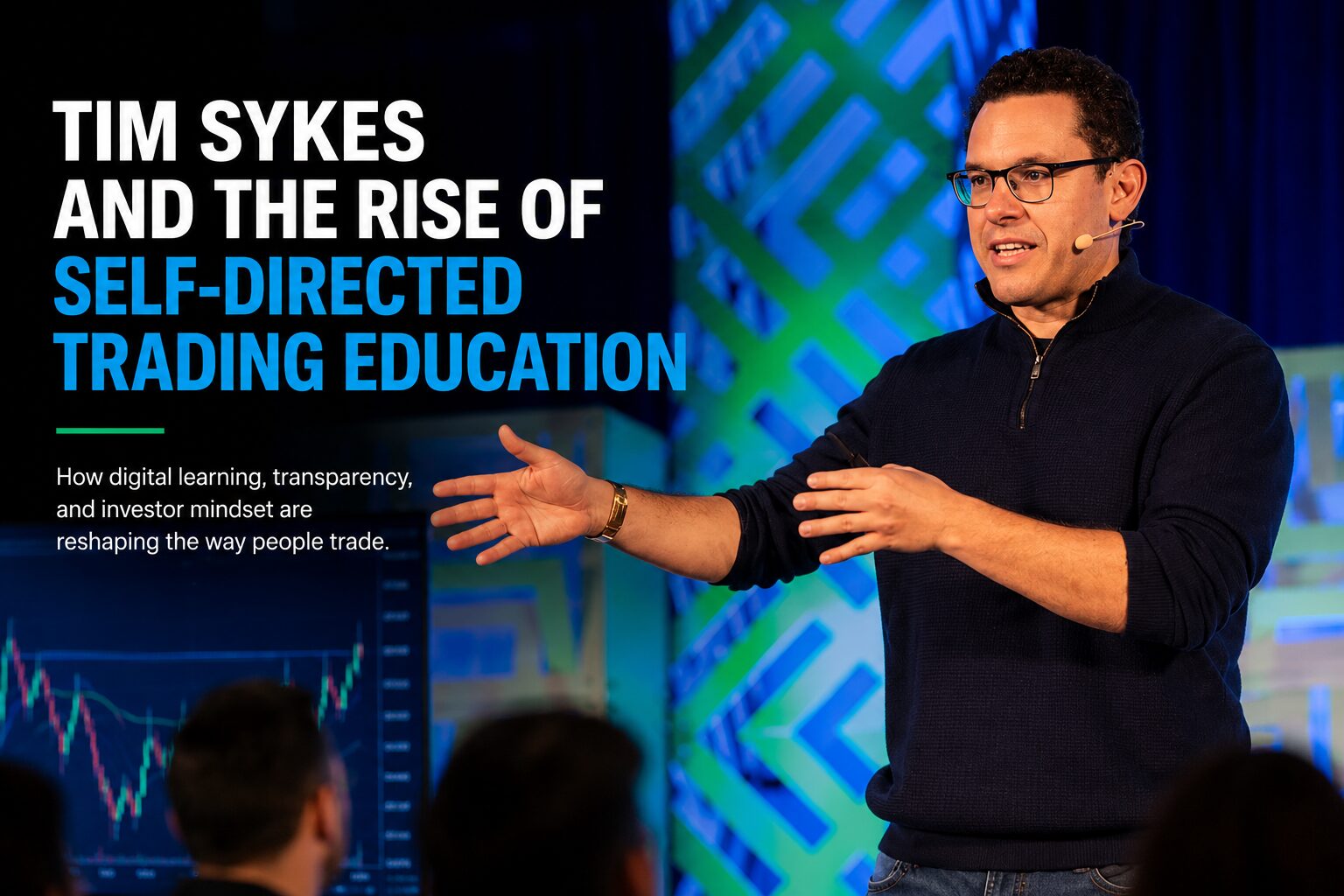
Tim Sykes remains one of the more visible long-term examples of self-directed trading education built around this model.
His platform focuses primarily on penny stock trading and emphasizes pattern recognition, momentum strategies, risk management, and short-selling techniques. The educational material includes archived lessons, live commentary, and community interaction through Profily.
The structure mirrors much of the broader digital education industry: lower-cost entry products for beginners, recurring subscription tiers for ongoing education, and more advanced programs aimed at traders seeking additional depth.
A large part of the platform’s longevity comes from the scale of its educational archive. Thousands of video lessons covering trade setups, historical examples, and risk scenarios remain accessible on demand, allowing traders to revisit concepts repeatedly rather than relying only on real-time alerts.
Another differentiator is transparency. Profit.ly allows users to publicly post verified trading results, while the platform openly acknowledges that most traders struggle to achieve consistent profitability.
That expectation-setting matters because it presents trading as a difficult skill that requires time and repetition rather than as a shortcut to immediate wealth.
Is Self-Directed Education the Right Fit?
Self-directed trading education is not necessarily the right fit for everyone.
Some people learn best through highly structured environments with direct supervision and accountability. Others prefer the flexibility of studying independently and building skills gradually over time.
The value of these platforms ultimately depends on how they are used. Disciplined learners can access educational frameworks, communities, and market examples that would have been far less accessible in previous decades.
For people expecting guaranteed profits or immediate consistency, the experience may feel frustrating very quickly.
In many ways, the rise of self-directed trading education reflects a broader cultural shift toward independent learning across finance, business, and investing. Investors increasingly want access to information, flexibility in how they learn, and more direct involvement in their financial decisions.
Platforms built around those principles are likely to remain a significant part of how retail investors approach trading education.