Not every valuable family asset appears on an investment statement. Gold, jewellery, watches, original documents and heirlooms need a custody plan of their own, covering where they are held, who can access them, what cover applies and what happens if the owner cannot act.
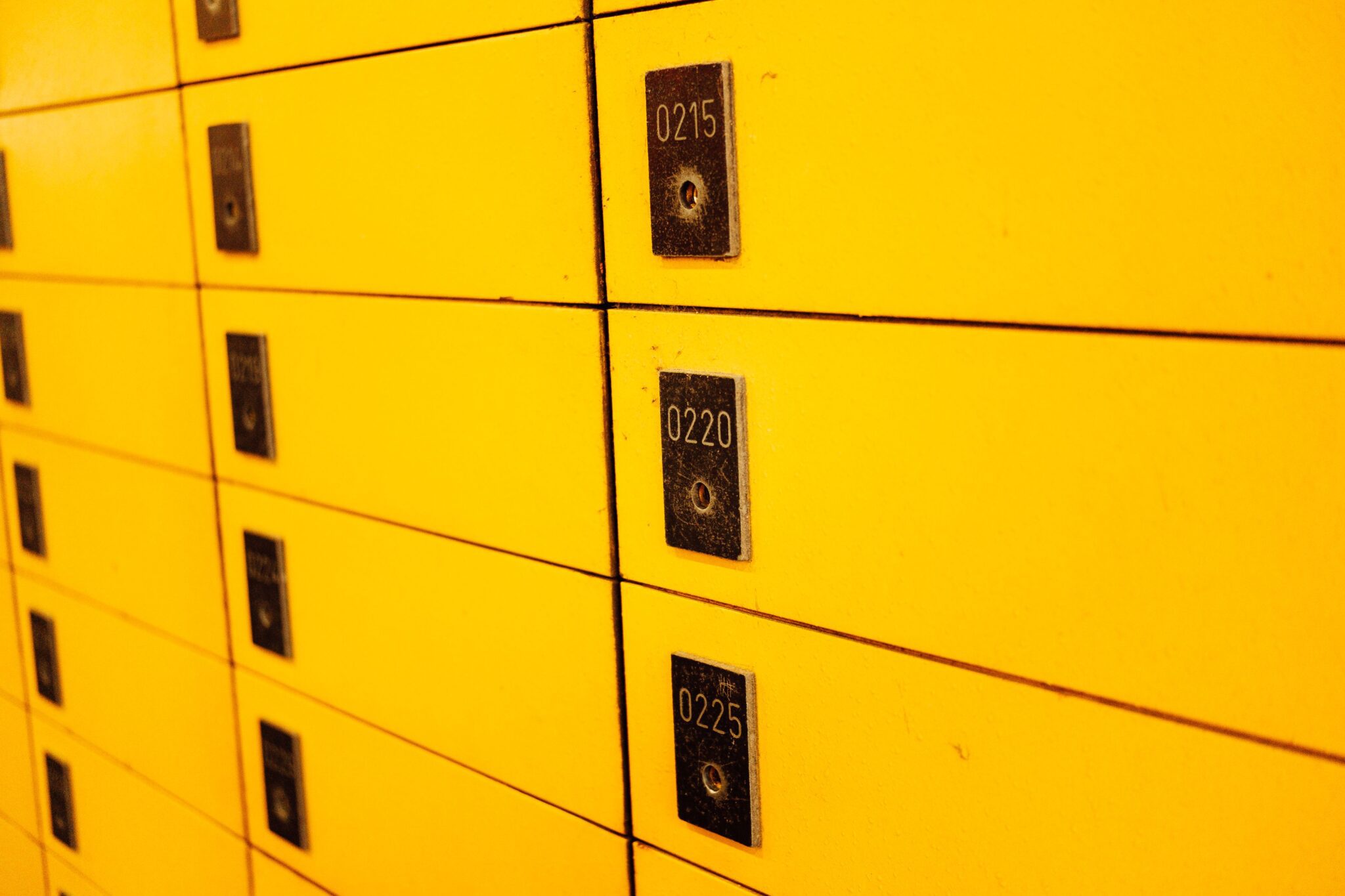
A stolen heirloom, a fire-damaged deed or a watch lost to a burglary is usually gone for good. Where insurance responds, the payout may cover the financial loss but not replace the item itself. For assets like these, a safe deposit box in Singapore is one part of the custody plan.
The Risks of Keeping Valuables at Home
In May 2025, police arrested three foreign nationals within 27 hours over three housebreaking cases at homes along Cluny Park, Dunearn Close and Eng Neo Avenue. The Straits Times reported that the three were charged with stealing jewellery, luxury watches and cash worth about S$684,800 from the Dunearn Close home.
SingStat data records 108 housebreaking cases in 2025, down from 118 in 2024.
Theft is only one of the risks:
- Burglary, including coordinated break-ins by organised syndicates
- Fire and smoke damage, which can destroy documents in minutes
- Water damage from burst pipes, leaks or flash floods
- Accidental loss or misplacement during moves and renovations
- Insurance limits or exclusions that apply to some high-value items kept at home
SCDF recorded 1,051 residential fires in 2025, up 8.6 per cent from 968 in 2024. Unattended cooking and electrical-origin fires were the two leading causes.
Home contents policies can place limits on jewellery and other valuables, while cash or bullion may be excluded depending on the policy. The wording matters, particularly where individual items are worth substantially more than standard household contents.
What Belongs in a Safe Deposit Box
Not everything needs vault-grade protection. What goes off-site is usually valuable, hard to replace, or rarely needed.
Typical contents of a safe deposit box include:
- Gold bars, coins and other precious metals
- Fine jewellery and loose gemstones
- Luxury watches and collectibles
- Original wills, property deeds and title documents
- Insurance policies and key contracts
- Birth and marriage certificates
- Backup hard drives and sensitive records
Gold deserves a special mention. Global gold demand, including over-the-counter (OTC) activity, reached 5,002 tonnes in 2025, the first year it exceeded 5,000 tonnes. The gold price set 53 new all-time highs during the year, while bar and coin investment reached 1,374 tonnes, its highest annual level in 12 years.
Access and Succession Are Part of the Custody Plan
Access rules matter while the owner is alive. They become even more important if the owner becomes incapacitated or dies.
Traditional bank boxes operate within the bank’s own eligibility rules, branch hours, and access procedures. DBS, for example, offers four box sizes across eight Singapore branches and requires a qualifying DBS or POSB account. In the United States, Chase states in its current account disclosures that it does not rent new safe deposit boxes.
Access to a box can also be restricted after the renter’s death and may depend on the estate documents and the provider’s procedures.
Vault@268 allows one main renter and up to three authorised co-renters who are registered ahead of time. Its website states that access following incapacity or death requires the appropriate legal documentation, such as Probate or Letters of Administration. The operator also advises appointing a co-renter in advance. This can reduce practical delays but does not replace the legal process where those documents are required.
What to Look for in Private Vault Storage
When comparing private vaults, check how the box is retrieved and who can handle it, what authentication is required, and when the facility can be accessed. Then check whether a banking relationship is needed, what the operator records about the contents, and what insurance, if any, is included.
Vault@268 on Orchard Road is one example of how a modern safe deposit box in Singapore operates in practice. You enter a private room with an access card and facial biometric check, then use the card and a PIN at the kiosk to request the box. A robotic system delivers it, and your personal key opens it. Staff does not handle the box during retrieval.
The facility is accessible 24/7 and does not require a banking relationship or approval. Its site also states that it does not record what clients store. Insurance is not included, and clients who want cover can arrange it through their preferred insurer.
Practical Steps to Protect Your Physical Wealth
A custody plan starts with a clear record of what is held and how it should be managed:
- List physical valuables and record their approximate and insured values
- Decide which assets need off-site custody based on value, replaceability, and how often they are used
- Review insurance limits and exclusions, and check whether high-value items need specialist or scheduled cover
- Keep secure copies of important documents separately from the originals
- Document who is authorised to access each storage arrangement
- Make sure the relevant family member, executor or estate representative knows where important assets are held and what process applies if the owner cannot act
Custody Is Part of Wealth Planning
Good custody planning leaves four things in writing: where the asset is held, who is entitled to access it, what cover applies and what happens if the owner cannot act.
For families and estate representatives, those arrangements should be reviewed when ownership, insurance or authorised access changes. Clear records leave less to work out later, especially when the person who made the original arrangements is no longer able to explain them.