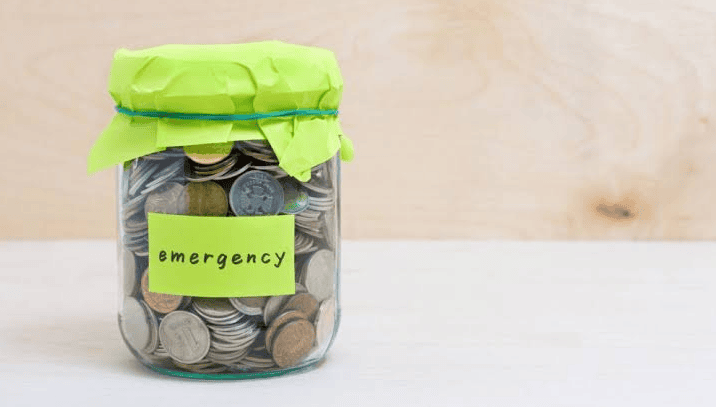
Unexpected expenses can happen to anyone. Whether it’s a medical bill, car repair, job loss, or home maintenance issue, having an emergency fund can help you handle financial surprises without relying on credit cards or loans. While saving money may seem difficult when you’re living on a limited budget, building an emergency fund is still possible with careful planning and consistent habits.
If you’re wondering how to build an emergency fund on a low income, this comprehensive guide will walk you through realistic strategies to save money, reduce financial stress, and create a safety net—even if you’re starting with very little.
What Is an Emergency Fund?
An emergency fund is money set aside specifically for unexpected expenses. Unlike savings for vacations or shopping, this fund is meant only for genuine financial emergencies.
Examples of emergencies include:
- Unexpected medical expenses
- Car repairs
- Home repairs
- Temporary job loss
- Emergency travel
- Essential appliance replacement
- Urgent pet care
Having dedicated savings can prevent you from going into debt when these situations arise.
Why an Emergency Fund Is Important
An emergency fund provides financial security and peace of mind.
Some key benefits include:
- Reduces financial stress
- Helps avoid high-interest debt
- Protects your monthly budget
- Provides flexibility during emergencies
- Encourages better financial habits
- Increases financial independence
Even a small emergency fund can make a significant difference during difficult times.
Set a Realistic Savings Goal
Many financial experts recommend saving three to six months’ worth of living expenses. However, if you’re on a low income, this may feel overwhelming.
Start with smaller milestones such as:
- $100
- $250
- $500
- $1,000
Reaching these goals builds confidence and creates momentum for larger savings targets.
Create a Simple Budget
Understanding where your money goes each month is the first step toward saving.
List your:
- Income
- Rent or mortgage
- Utilities
- Groceries
- Transportation
- Insurance
- Debt payments
- Entertainment
- Other monthly expenses
A clear budget helps identify areas where you can save without sacrificing essential needs.
Pay Yourself First
Treat savings like any other monthly bill.
As soon as you receive your paycheck:
- Transfer a small amount into your emergency fund.
- Avoid waiting until the end of the month.
- Automate transfers if possible.
Even saving a small amount consistently adds up over time.
Save Small Amounts Regularly
You don’t need to save hundreds of dollars each month.
Consider saving:
- $5 per week
- $10 per week
- $20 per paycheck
- Loose change
- Cash-back rewards
Small contributions become meaningful through consistency.
For example:
- Saving $10 each week equals over $500 in one year.
- Saving $20 weekly results in more than $1,000 after twelve months.
Reduce Everyday Expenses
Cutting unnecessary spending creates room in your budget for savings.
Ways to reduce expenses include:
- Cook meals at home.
- Cancel unused subscriptions.
- Limit impulse purchases.
- Shop with a grocery list.
- Buy generic brands.
- Use coupons and discounts.
- Compare insurance rates.
- Reduce energy usage.
You don’t need to eliminate every luxury—small adjustments can have a big impact.
Use Extra Income Wisely
Whenever you receive unexpected money, consider putting part of it into your emergency fund.
Examples include:
- Tax refunds
- Work bonuses
- Birthday money
- Cash gifts
- Overtime pay
- Freelance income
- Side hustle earnings
Saving even a portion of these funds can accelerate your progress.
Find Ways to Increase Your Income
While reducing expenses helps, earning more can make saving easier.
Possible income opportunities include:
- Freelancing
- Pet sitting
- Food delivery
- Online tutoring
- Selling handmade products
- Babysitting
- Yard work
- Selling unused household items
Even a few extra hours of work each month can contribute significantly to your emergency savings.
Keep Your Emergency Fund Separate
Store your emergency savings in a separate account to reduce the temptation to spend it.
Good options include:
- High-yield savings accounts
- Online savings accounts
- Dedicated emergency savings accounts
Keeping the money separate makes it easier to preserve for genuine emergencies.
Avoid Using Your Emergency Fund for Non-Essentials
An emergency fund should only be used for unexpected, necessary expenses.
Avoid using it for:
- Vacations
- Shopping
- Holiday gifts
- Entertainment
- Dining out
- Routine monthly bills
Every time you use the fund, prioritize rebuilding it as soon as possible.
Build the Habit, Not Just the Balance
Saving consistently is more important than saving large amounts occasionally.
Develop habits such as:
- Reviewing your budget weekly
- Tracking expenses
- Celebrating small savings milestones
- Avoiding unnecessary debt
- Setting monthly savings goals
Strong financial habits often lead to long-term financial stability.
Handle Setbacks Without Giving Up
Unexpected expenses may temporarily reduce your savings, and that’s okay.
If you need to use your emergency fund:
- Focus on the emergency.
- Resume saving as soon as your situation improves.
- Rebuild gradually without feeling discouraged.
The purpose of the fund is to be there when you truly need it.
Common Mistakes to Avoid
Many people unintentionally slow their progress by making avoidable mistakes.
Try to avoid:
- Waiting until you earn more to start saving
- Saving inconsistently
- Using credit cards for emergencies instead of building savings
- Spending your emergency fund on non-essential purchases
- Ignoring your monthly budget
- Setting unrealistic savings goals
Consistency is far more important than perfection.
How Much Should You Eventually Save?
Once you’ve reached your first milestone, continue building your fund over time.
A long-term goal of three to six months of essential living expenses can provide greater financial security in case of job loss or major emergencies.
Your ideal amount depends on factors such as:
- Monthly expenses
- Job stability
- Family size
- Health needs
- Existing debt
Everyone’s situation is different, so choose a target that fits your circumstances.
Final Thoughts
Learning how to build an emergency fund on a low income begins with taking small, consistent steps. You don’t need a high salary to start saving—you simply need a realistic plan and the commitment to stick with it. Even setting aside a few dollars each week can grow into a meaningful financial cushion over time.
Remember, the goal isn’t to save a large amount overnight. It’s to create a habit of saving that protects you from unexpected expenses and gives you greater financial confidence. With patience, discipline, and smart budgeting, you can build an emergency fund that provides security and peace of mind for the future.
Frequently Asked Questions (FAQs)
1. How much should I save in an emergency fund?
A good starting goal is $500 to $1,000. Over time, aim to save enough to cover three to six months of essential living expenses, depending on your financial situation.
2. Can I build an emergency fund if I earn a low income?
Yes. Even small, regular contributions—such as $5 or $10 per week—can add up over time. Consistency is more important than the amount you save.
3. Where should I keep my emergency fund?
A separate savings account, especially a high-yield savings account, is a good option because it keeps your money accessible while earning some interest.
4. What qualifies as an emergency expense?
True emergencies include unexpected medical bills, urgent car or home repairs, temporary job loss, or other essential expenses that cannot be postponed.
5. Should I pay off debt or build an emergency fund first?
Many financial experts recommend building a small emergency fund first to avoid relying on credit for unexpected expenses. After that, you can focus more aggressively on paying down high-interest debt while continuing to save.
6. What should I do if I need to use my emergency fund?
Use it only for genuine emergencies, then begin rebuilding the fund as soon as your financial situation allows. The goal is to restore your safety net over time.